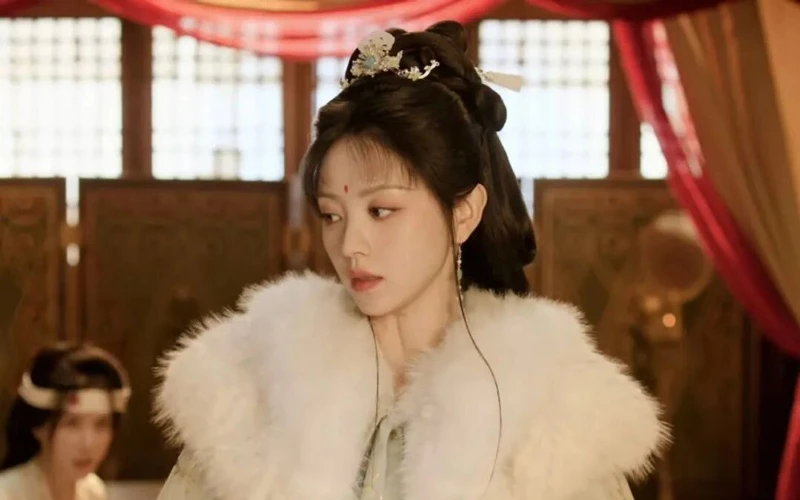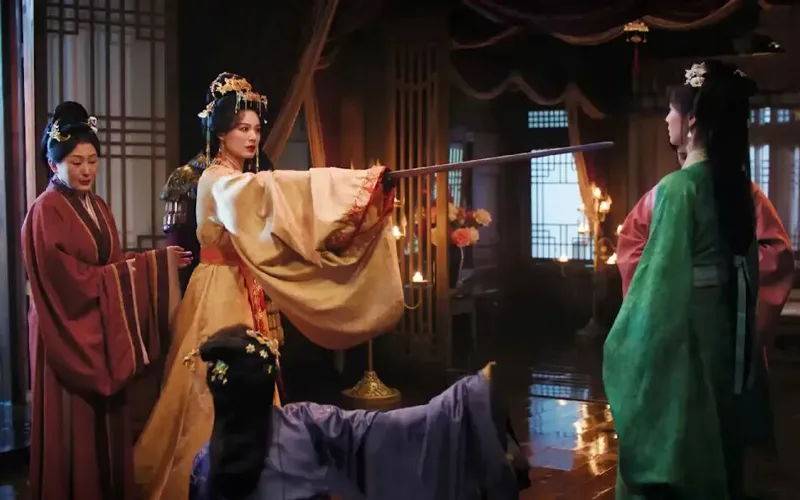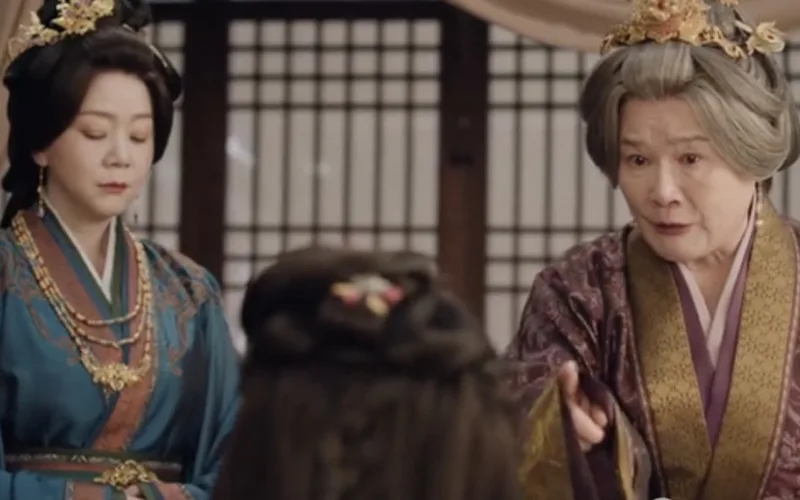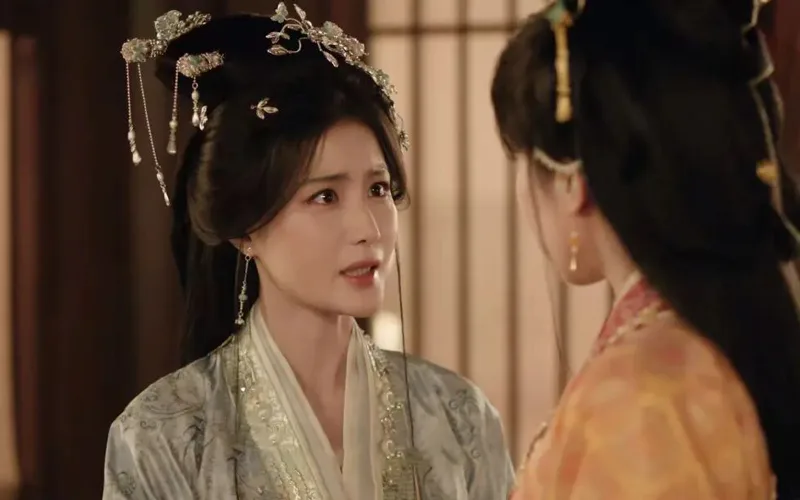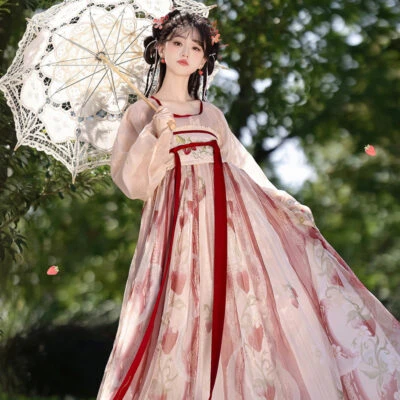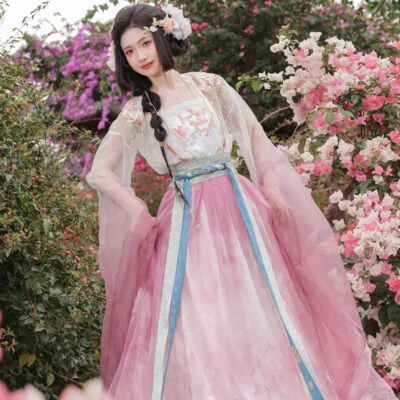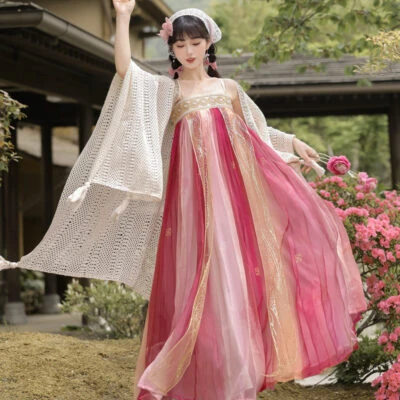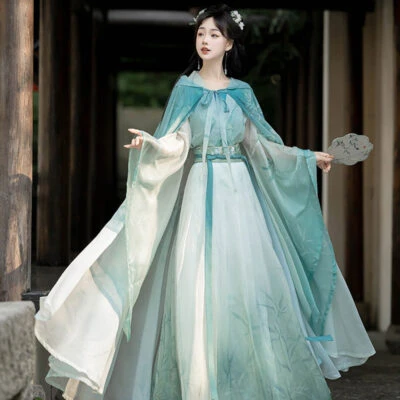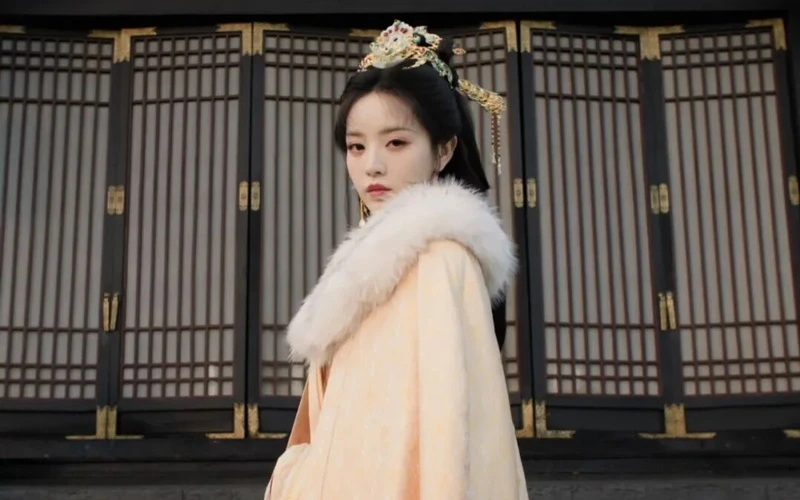
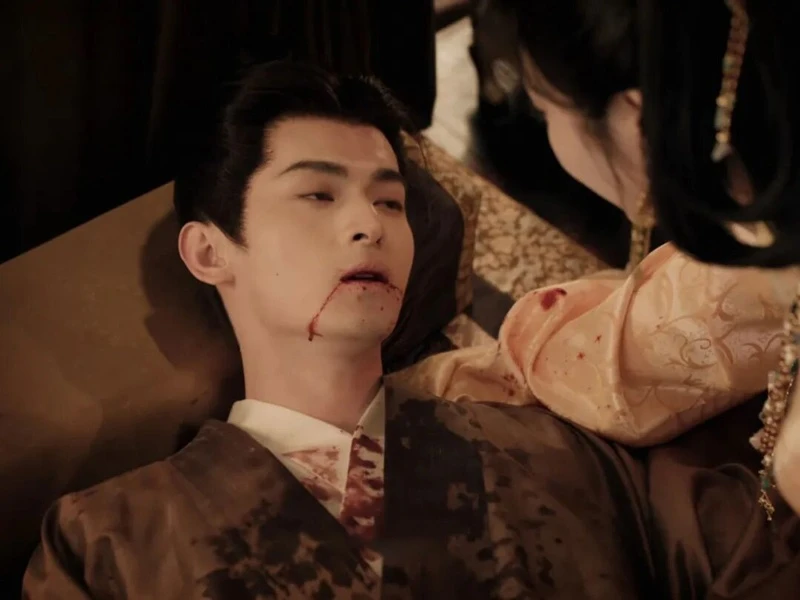
Fans of Where the Mask Ends (嫁金钗) still argue about the finale. Many ask why Wei Rao (魏娆) can control the board simply because she carries Liu Shuo’s (刘朔) unborn child. That plot point does feel shaky. Yet step away from the loopholes, and Liu Shuo’s death looks less like a convenient twist and more like the story’s sharpest choice. It clears space for Wei Rao’s real strength to show. That strength is not her second marriage to Lu Zhuo (陆濯), who holds real power. It is not the loyal circle around her, either. The key is quieter and far more dangerous: she understands what ordinary people need.
Crowd Power
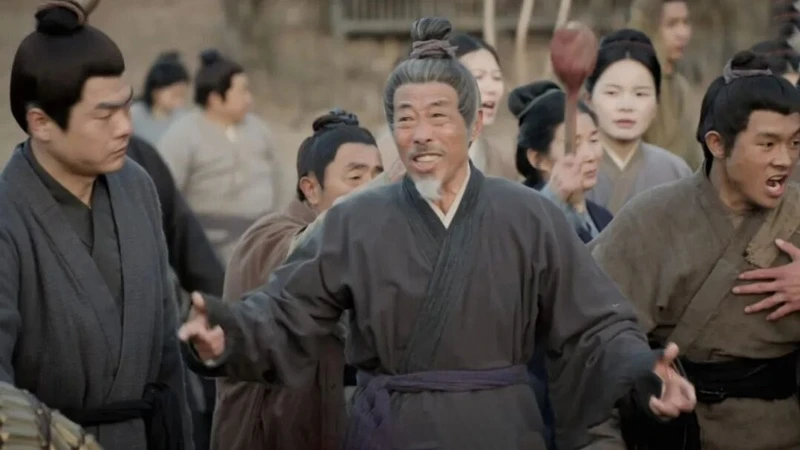
Look back at how Wei Rao built her name. On a city wall, she tore up the labor contracts that bound tenant farmers to the Han (韩) family estate at Yao Wang Mountain (药王山). That single act sent poor families toward her gate. She then took in displaced people, gave them shelter and land, and let them live by their own skill. Her reputation grew from there. People followed her because she fed them, housed them, and treated their survival as a real political matter. The old saying about winning hearts is not romantic here; it is practical.
Compare that with her rivals. The Han family enclosed land and taxed the people who worked it. Wei Shu (魏姝) believed a true noble should stand far above people like Hongxian (红线), so she cut every tie and called cruelty a right. When the empress dowager chased Wei Rao, her horses and soldiers trampled crops without a thought. To the powerful, those fields were a trifle. To villagers, they were a year of food and hope. Why would ordinary people support rulers who cannot guarantee a basic place to stand? They need someone like Wei Rao.
Wei Rao’s background explains her method. She was born to a noble line but grew up in a slum, where she met hunger, violence, and humiliation early. Those memories did not make her saintly; they made her literate in need. Liu Pozi (刘婆子), a woman from the lowest rung of the entertainment trade, passed on hard lessons. A failed scholar in a courtyard taught her letters. Her intelligence was not a magic gift. It was shaped by daily contact with people who had no cushion. That is why her choices later feel grounded, not lucky.
No Rescue Needed
Near the end, Wei Rao senses Wei Shu and the crown prince are about to move. While Lu Zhuo accompanies the emperor to a palace away from an epidemic, she draws the snake from its hole. Traditional storytelling would hand her a rescue scene: the hero rides in, blades flash, and she waits. Where the Mask Ends refuses that. Wei Rao has her own leverage, built from years of fair treatment. The people who once received land and shelter now answer her call. She does not need a man on a horse to save her. She has learned how to plan, bargain, and strike.
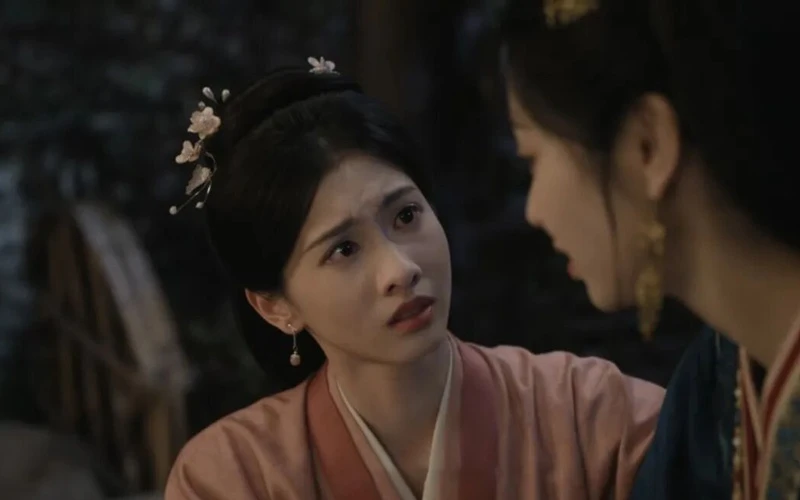
That choice changes how viewers read Lu Zhuo’s possible death on the battlefield. Because the story has already shown Wei Rao’s base, his absence does not leave a hole in the plot. Audiences can believe she will find a way. Her power comes from a crowd that trusts her, not from a hidden noble bloodline or a sudden talent. The finale’s controversial pregnancy may still bother some viewers, but it also gives her a claim the court cannot easily erase. The child is a shield; the people are her army.
This is people’s history, told through costume drama. Real change rarely comes only from brilliant elites. It comes from ordinary people who test, endure, and lift someone up. Zhu Yuanzhang (朱元璋), founder of the Ming dynasty, began as a poor peasant who begged, entered a monastery, and fought for others before he led. Against Chen Youliang (陈友谅) and the Mongols, his instincts and military sense carried him forward. Call that too convenient if you like, but ignore his earlier suffering and you miss the point. Wei Rao is the same: she never chased court power, but when the moment came, she had the skill and the base to take it.