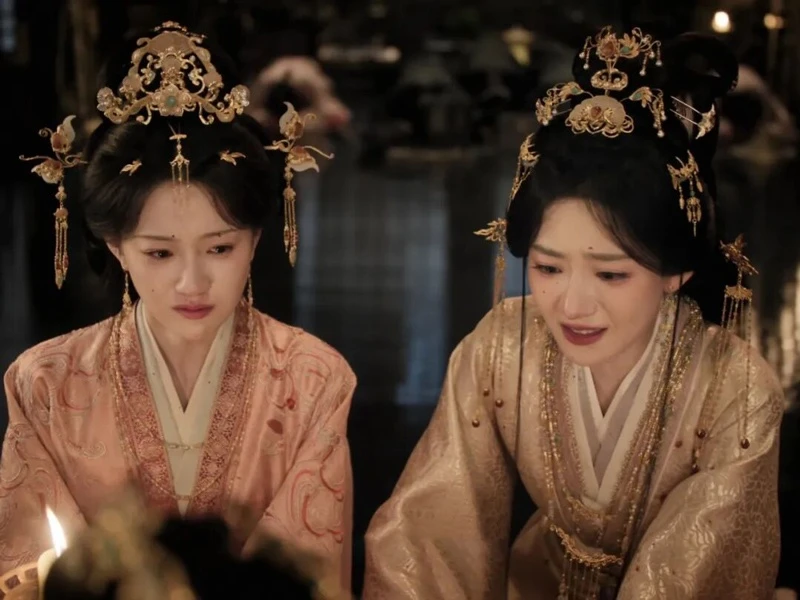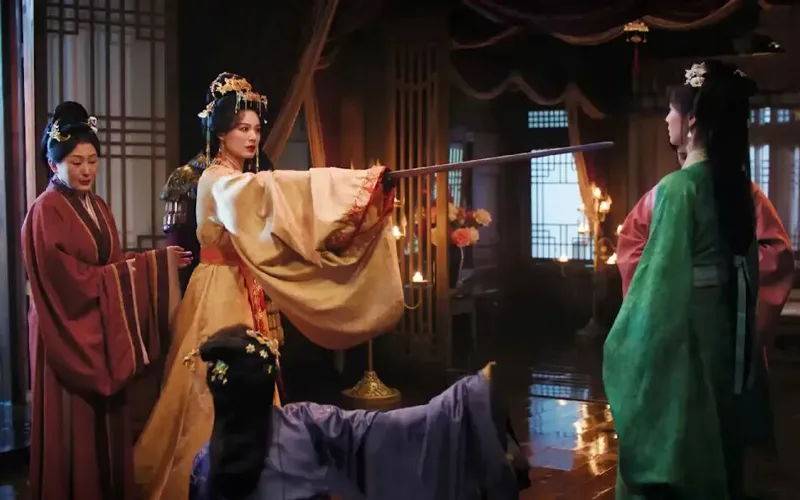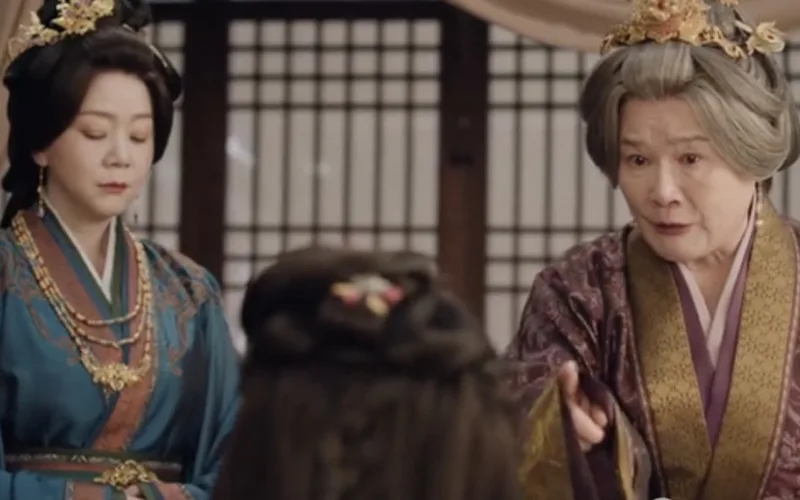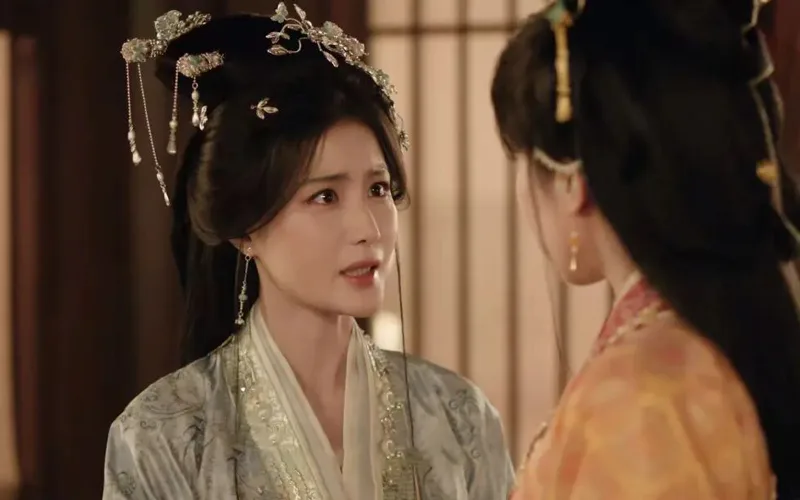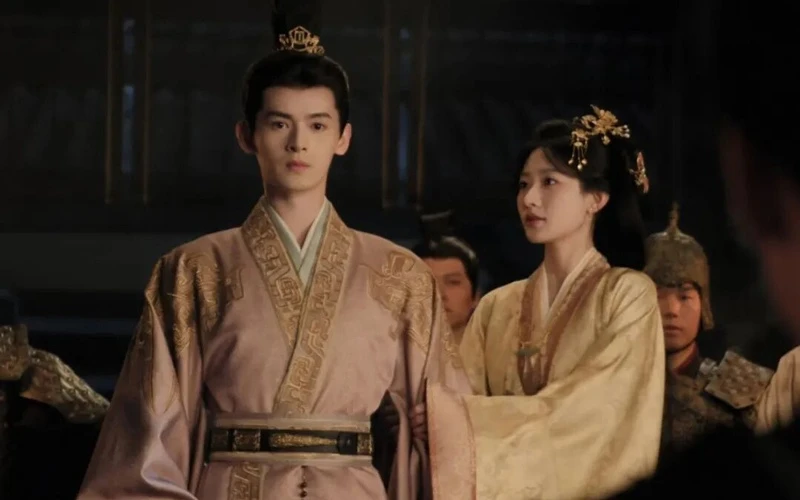
At the finale of Where the Mask Ends (嫁金钗), Prince Fu (福) springs a trap, and Liu Shuo (刘朔) dies young. Xie Hualou (谢画楼) and Wei Rao (魏娆) weep until their voices break. Hongxian (红线), by contrast, stands almost still. Then the story drops its quiet bomb: she is pregnant with Liu Shuo’s posthumous child. That detail changes the palace game at once.
Viewers ask a fair question. If Liu Shuo and Xie Hualou shared the warmer bond, why did Hongxian, the wife who did not love him, become the mother of the possible heir? The answer lies less in romance than in risk, timing, and who needed protection most.
A Safer Heir
Liu Shuo married Hongxian to pull her away from the Crown Prince and to solve a problem for Wei Rao. Hongxian had Xiao (枭) in her heart, and her damaged voice kept her isolated. She and Liu Shuo worked like allies loyal to Wei Rao, not lovers. Xie Hualou was different: a noble daughter with beauty, wit, and conversation that matched his. The morning after the wedding, he could speak plainly about Wei Rao, a sign of trust. Still, a ruler cannot rank love first. The late emperor loved Zhou Fu (周芙), yet protocol and pressure forced her into a lesser rank and public coldness. Liu Shuo also had to weigh more than affection.
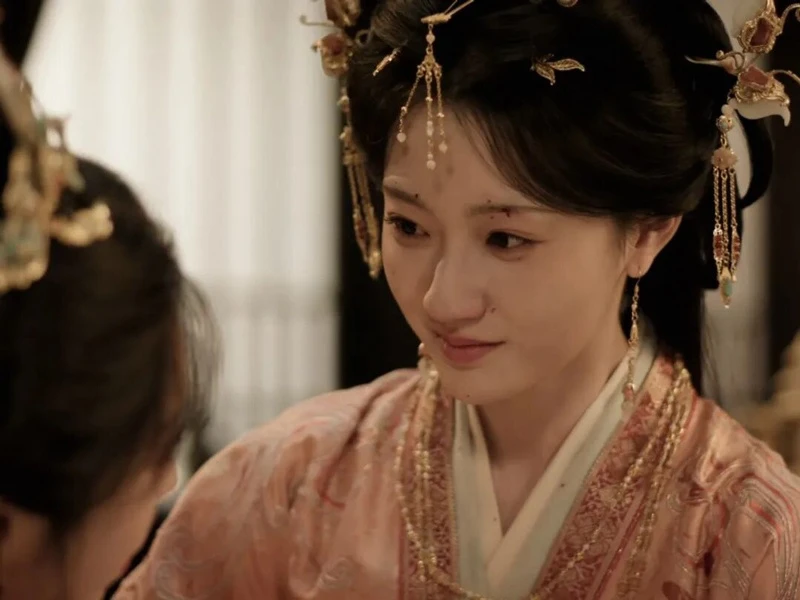
If Xie Hualou conceived first, the Xie family would gain a 50 percent chance to grow too strong. That would threaten Wei Rao’s safety and voice. Liu Shuo could not allow it. Hongxian was the safer choice. If she bore a son, the throne had an heir; if not, Xie Hualou could wait. This was not cruelty for its own sake. It was a shield for Wei Rao, the person Liu Shuo trusted with his vision of a peaceful realm. His last words point to that bond: only his elder sister could stand beside him as an equal. Xie Hualou was clever enough to see the logic and accept its limits.
Hongxian’s loyalty to Wei Rao ran deeper than marriage. Wei Rao had saved her, and she was Hongxian’s only real backing. So when Liu Shuo lay dying and Xie Hualou sobbed “it’s over,” Hongxian stayed cold-headed. She was already searching for a move. The next day, the princes would come to court. Prince Fu was gone, but the Empress Dowager and Prince Rong (戎) still circled. Without an heir, Wei Rao’s side had no card to play. Hongxian’s pregnancy, real or staged, gave them time. It was a public signal: do not count us out yet.
Calm in Crisis
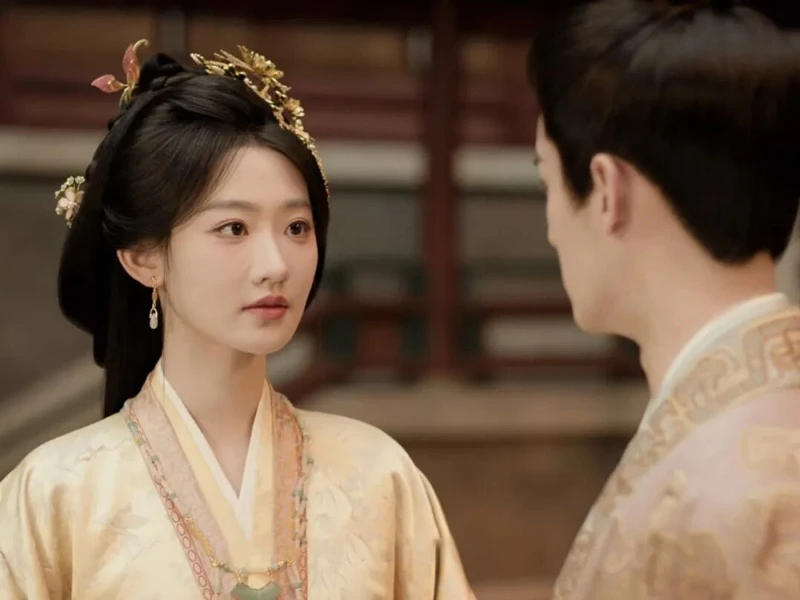
That reading makes Hongxian’s pregnancy look less like a love puzzle and more like a survival tactic. She may have been frightened and grieving, but she did not lose her head. She sent word to Wei Rao and stayed by Liu Shuo’s bed while others cried. Her calm was not coldness; it was a woman calculating how to keep her sister alive in a room full of knives. Even if the pregnancy was later used as a temporary shield, it bought Wei Rao room to arrange troops, alliances, and punishments. In palace politics, a few months can decide who kneels and who rules.
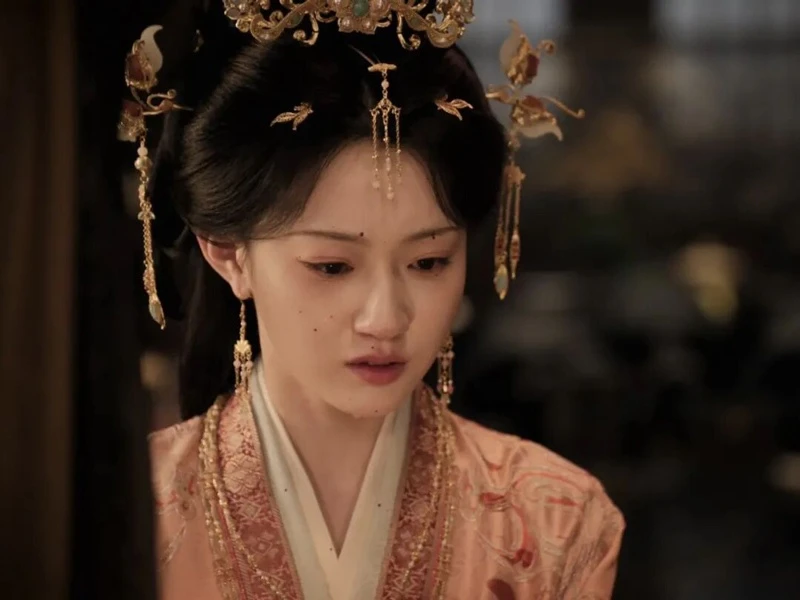
Some viewers may still feel cheated. They wanted the tender couple to have the child. But Where the Mask Ends keeps love and succession in separate rooms. Liu Shuo could respect Xie Hualou, trust her mind, and still deny her the first pregnancy. He could use Hongxian as a partner and still treat her with decency. Their shared temperament—steady, smart, practical—made a child plausible without grand passion. A marriage of convenience can produce cooperation, and cooperation can produce an heir. That is less romantic, but it fits the show’s harsh logic.
The finale’s real question is not “who loved Liu Shuo more?” It is “who could be trusted with a dangerous advantage?” Xie Hualou belonged to a powerful family; her womb carried political weight for the Xie clan. Hongxian had no such clan behind her. Her loyalty pointed toward Wei Rao. Her child, if born, would strengthen Wei Rao’s hand without creating a new rival house. That is why Hongxian’s pregnancy lands like a plot twist but works like a lock clicking into place. Love explained the tears. Strategy explained the heir. Where the Mask Ends chose the second answer, and it made the ending sharper.