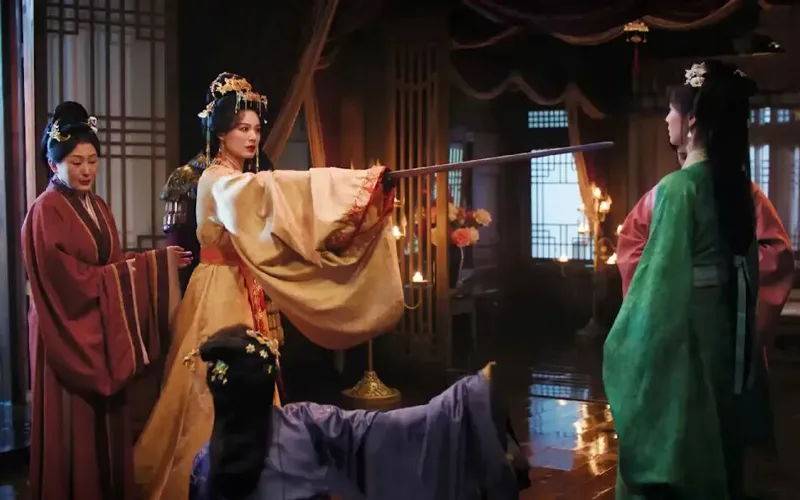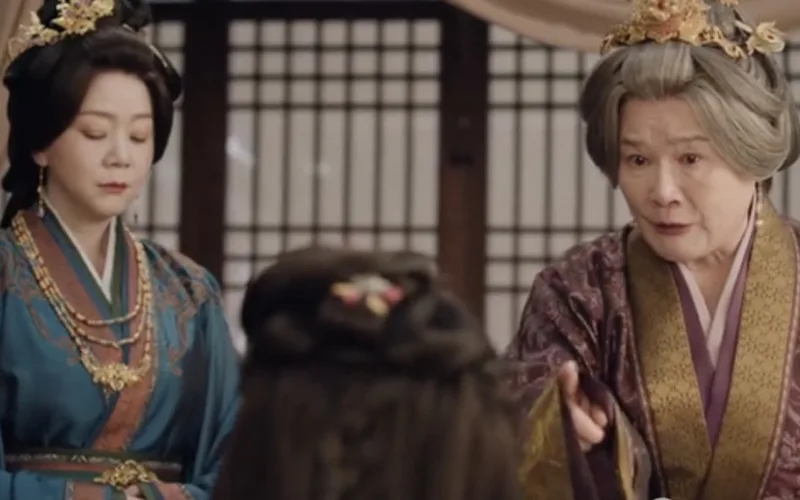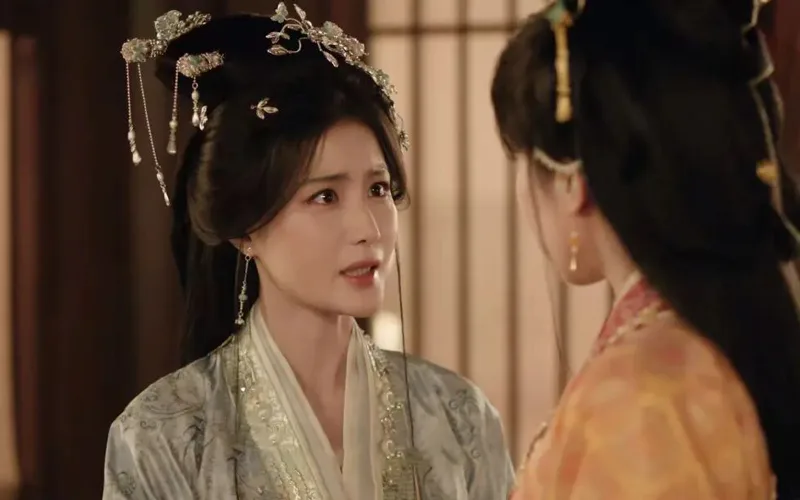
In Where the Mask Ends (嫁金钗), Yi Jiang (易姜) is not the obvious scene-stealer. She enters Fu (福) Palace at seven, cares for Prince Fu, and ends up with a face marked by pockmarks. Yet she climbs higher than women with smoother faces and stronger families. Prince Fu beats a side consort for her and turns away Xie Hualou (谢画楼). Her real weapon is divination. Courtiers say her readings land too often to ignore; even Lu Zhuo (陆濯) and Liu Shuo (刘朔) treat her with caution. So the finale leaves a sharp question: if her calculations were so reliable, why did she never warn Prince Fu that he lacked an emperor’s fate?
Two Possible Answers
The first answer is simple: she saw the truth early and chose silence. Prince Jing (景) showed ambition first, then fell after offending Wei Rao (魏娆). The Crown Prince came next, but his conduct ruined him, and Wei Rao helped pull him down. Then Yuanjia Emperor (元嘉帝) named Liu Shuo heir. Liu Shuo took the throne and ruled for three years before Prince Fu moved against him. Among these men, Prince Fu waited longest. That patience looks impressive until you notice who stood beside him, whispering that the time was wrong.
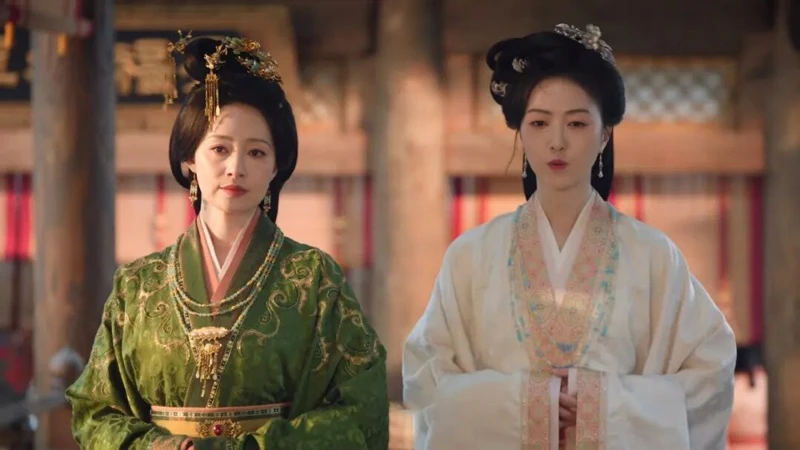
Yi Jiang kept delaying him. She told him to wait, to hide, to let others exhaust themselves first. When he finally acted, he ignored her advice. That detail matters. If she truly believed he was destined to rule, why hold him back again and again? A more likely reading is that she knew he was not meant for the throne, and she stalled him because his reckless rush would destroy them both.
She also had no safe exit. She lived on his favor. Telling him “you will never be emperor” would have been a death sentence. So she fed him hope, kept him calm, and protected her own comfortable position. He stayed quiet; she stayed rich. It was not romantic loyalty. It was survival with a polished smile.
The Safer Lie
The second answer is less cynical: perhaps Prince Fu did have a royal fate, just a slow and late one. Yi Jiang’s skill is not fake. She read Wei Rao’s face and saw three deadly turns. A woman with that kind of accuracy would have other patrons if she wanted them. She did not look for another backer. That choice suggests she believed in Prince Fu’s future, or at least in the reward of waiting with him.
If he was a late bloomer, her strategy makes sense. She helped him endure, kept his ambition from boiling over, and planned to stand beside him when the crown finally arrived. Her patience would then be an investment, not a con. She was not merely buying time; she was buying a future place in his court.
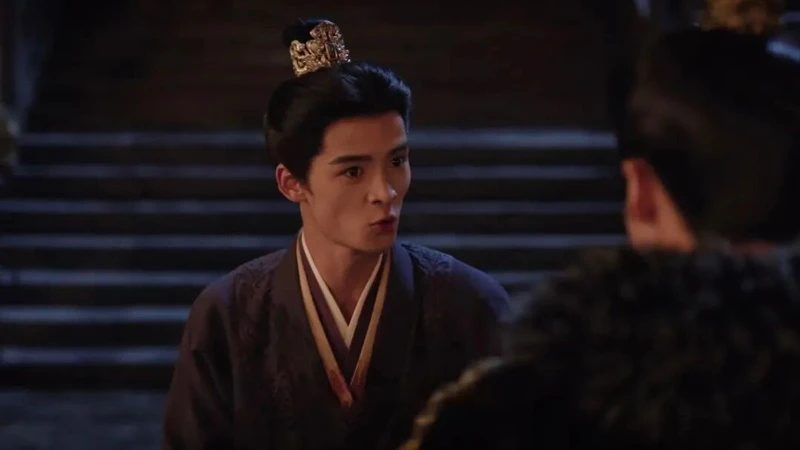
Still, his behavior undercuts that theory. He is selfish, arrogant, and careless with power. After Liu Shuo dies, he treats Yi Jiang with cold dismissal. He shows no respect for the people who kept him alive. A man who thinks a throne is a prize for the loudest claimant does not look like someone fate would choose.
I lean toward the first answer. Yi Jiang probably did calculate that Prince Fu was no emperor. She simply never said it aloud. Her gift kept her alive, but her silence kept her comfortable. In a court full of people chasing thrones, she was the one who understood the price of saying too much.