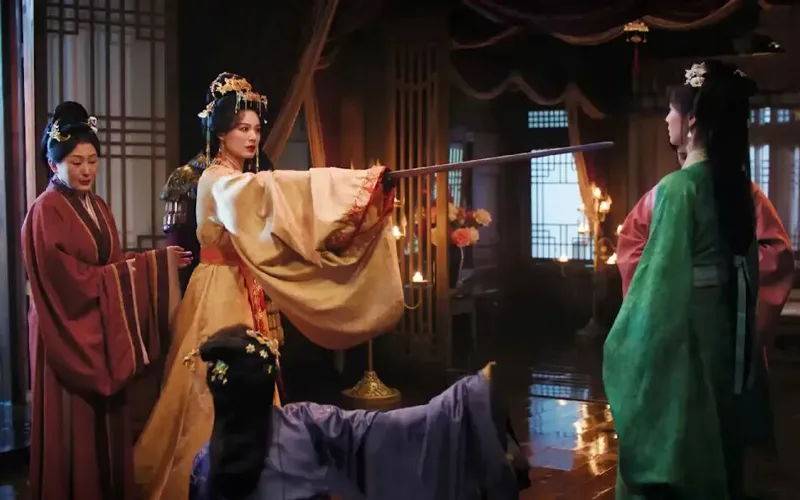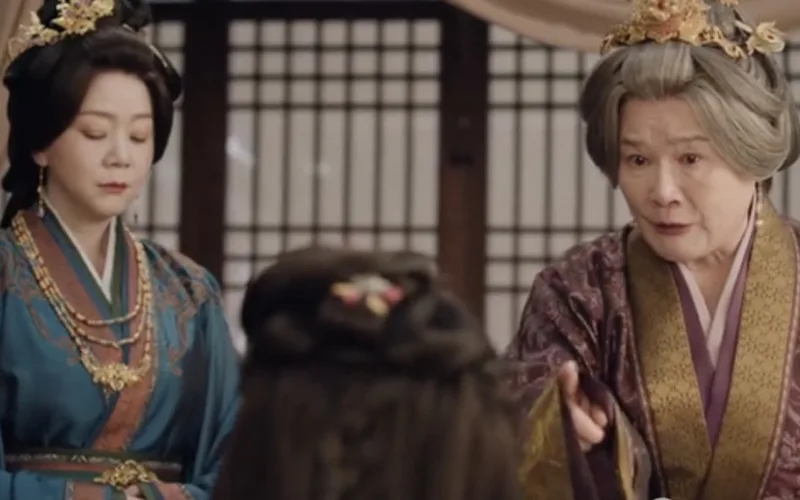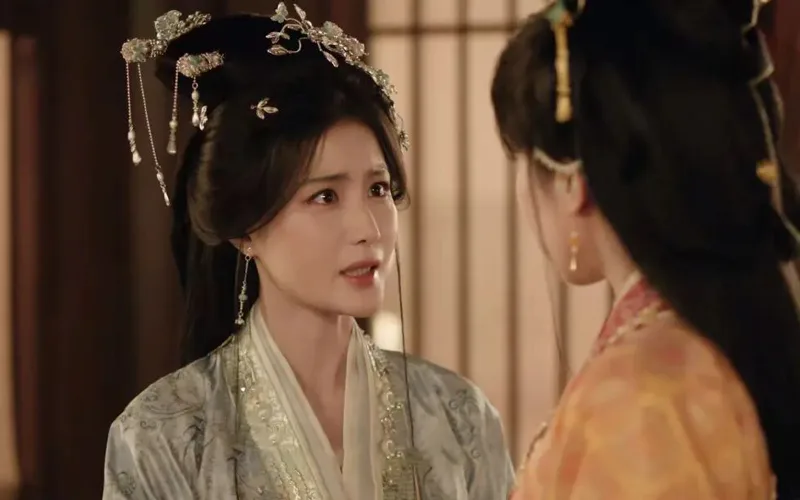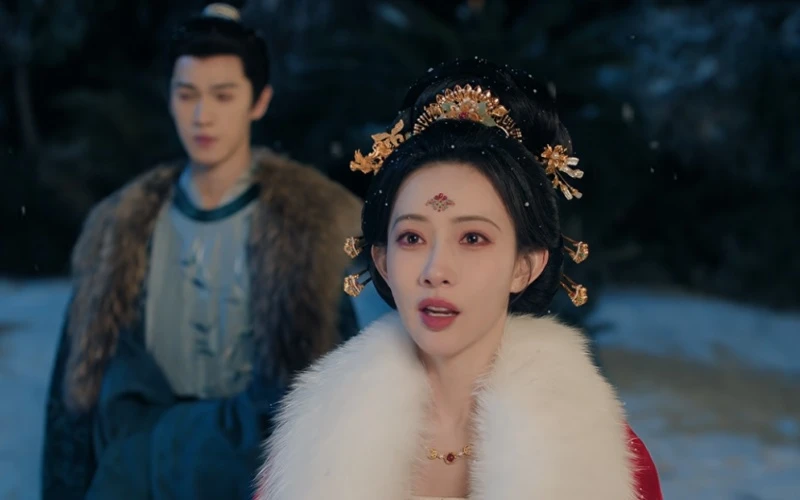
The fall of Yu Cheng’an (鱼成安) sent cheers echoing through every corner of the empire. Tigers Sniff the Rose (尚公主) reaches its turning point here: the tyrant who once held the court in his grip is finally brought down, and the people believe justice has been served. Princess Danyang and Crown Prince Mu Xun even visit him in prison to bid farewell, convinced their nightmare is over. But what they hear behind those bars shatters everything they thought they knew.
A Chilling Truth
For years, everyone assumed Emperor Muyu (暮屿) was a weak, spineless ruler manipulated by his cunning chancellor. They were wrong. The man who drove the queen to her death was not Yu Cheng’an—it was her own husband’s betrayal. And the suffering of Mu Wanyao (暮晚摇) was never the chancellor’s design; it was a scheme the emperor set in motion the day she was born. “The daughter of Yaoguang (摇光) shall revive the ancestral temple”—that prophecy, those strange stars, the rewritten omens—all of it was Muyu’s smoke screen to hide his own mediocrity and turn his daughter into a bargaining chip for diplomatic marriage.
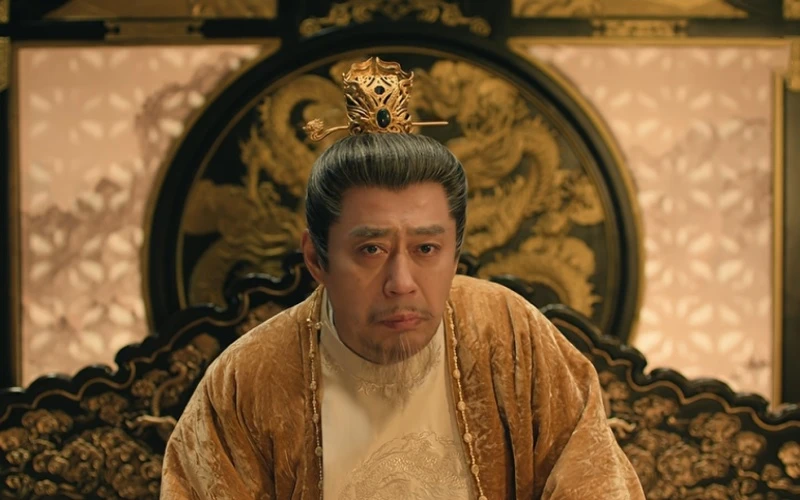
Yu Cheng’an died never understanding that he, too, was merely a piece on Muyu’s board. The chancellor believed he was seizing power for self-preservation. In reality, he was the villain Muyu needed—a shield to absorb the hatred of the court and the people while the emperor waited in the shadows for the right moment to strike.
The Emperor’s Reckoning
With Yu Cheng’an gone, power flowed back to the throne. What did Muyu do with it? He rewarded the heroes of the campaign—on the surface. Meng Zaishi (蒙在石) received the title of Beijing (北靖) military governor for his leading merit, yet the “reward” came with house arrest in Sheng’an (盛安). When Beijing grew restless, the emperor sent a envoy to calm things down—Wei Shu (韦树), a scholar who could barely lift a sword. Lu Yan (路雁), commander of the Jinwu Guard, was granted the Marquis of Zhongshan title with hereditary rights, a promotion that quietly stripped him of his troops. Yan Shang (言尚) was handed “poisoned wine”—a test of loyalty—then offered Danyang as bait, sent home on false leave, and secretly investigated in Lingnan (岭南).
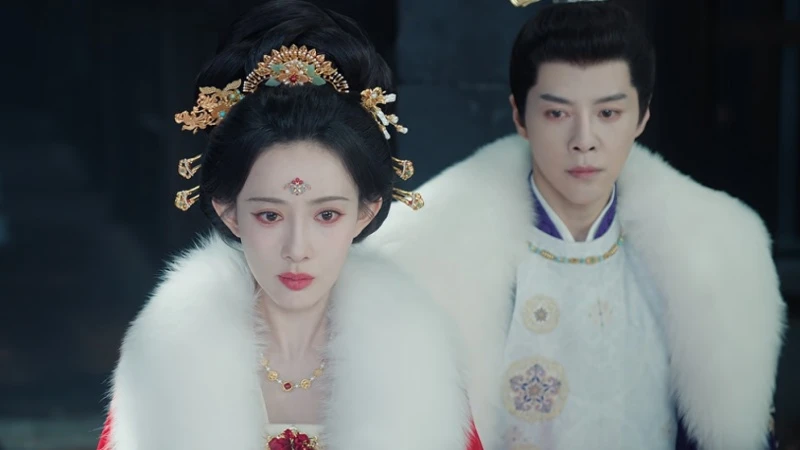
Danyang herself was confined, a leash to keep Yan Shang in check. Every hero of the rebellion became a nail the emperor needed to hammer down, because none of them had acted on his orders—and that, to a ruler obsessed with control, was unforgivable.
The Next Threat
What truly chilled Muyu was his own daughter. Danyang had escaped the wolves of Beijing, smiled in Yu Cheng’an’s face while plotting his downfall, forged an alliance with her half-brother, and gathered loyal followers without a single soldier or backer of her own. In the emperor’s eyes, she was the next Yu Cheng’an—even if her only goal was freedom. So he clipped her wings. Yan Shang was one of those wings, and cutting him required careful balance. The crown prince was another threat; Yan Shang became the blade to purge the Eastern Palace.
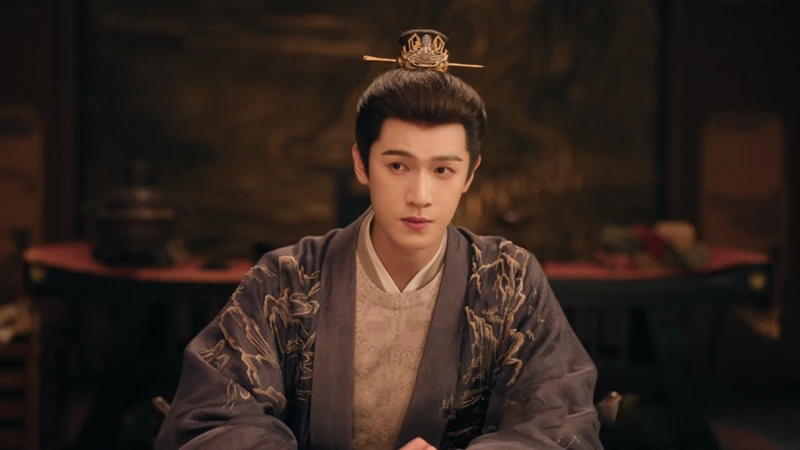
Muyu played the game of thrones masterfully. Yet his greatest mistake was treating family as currency. And the thing he feared most came to pass: by elevating Liu Wenji (刘文吉), he planted the seed for a second Yu Cheng’an tragedy—one he would never live to see.