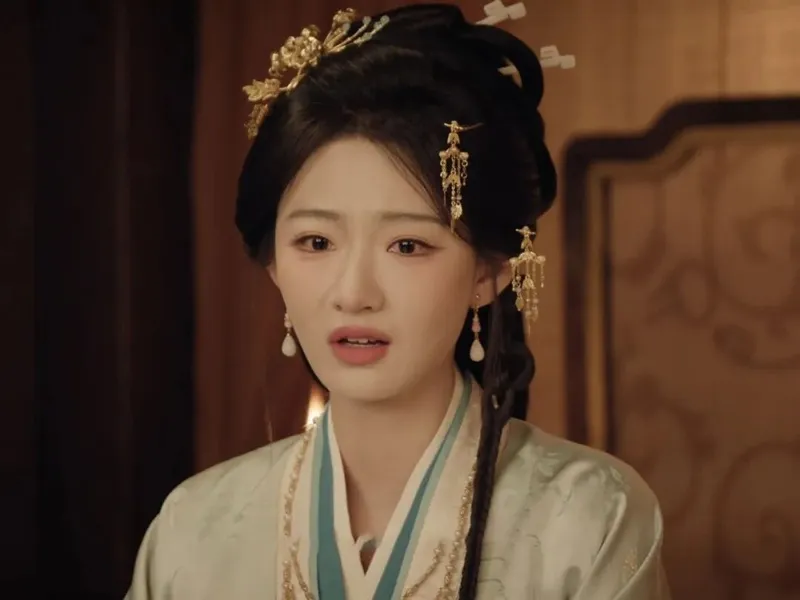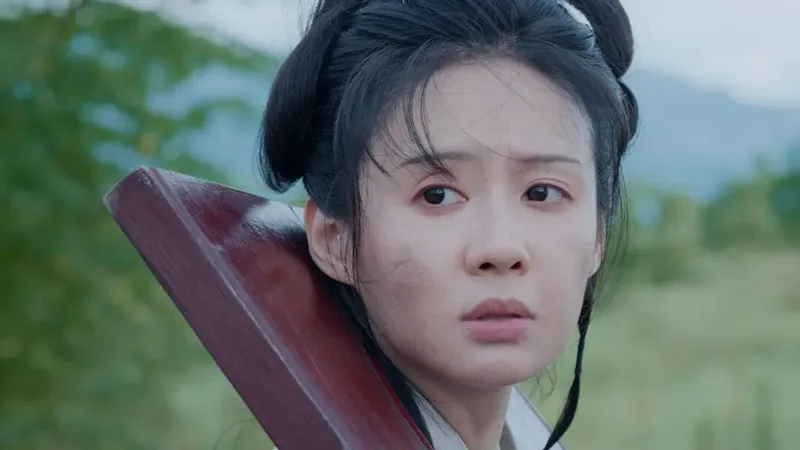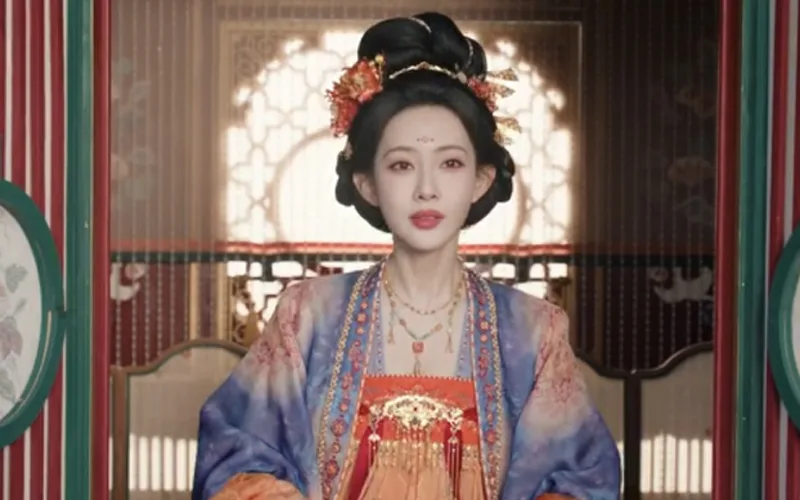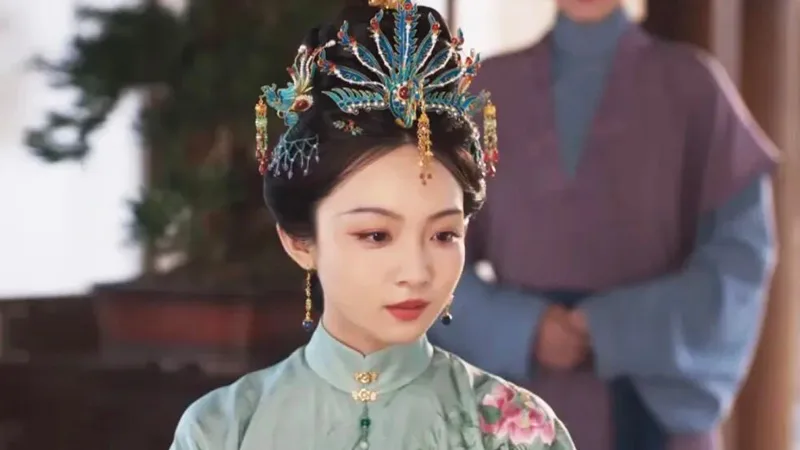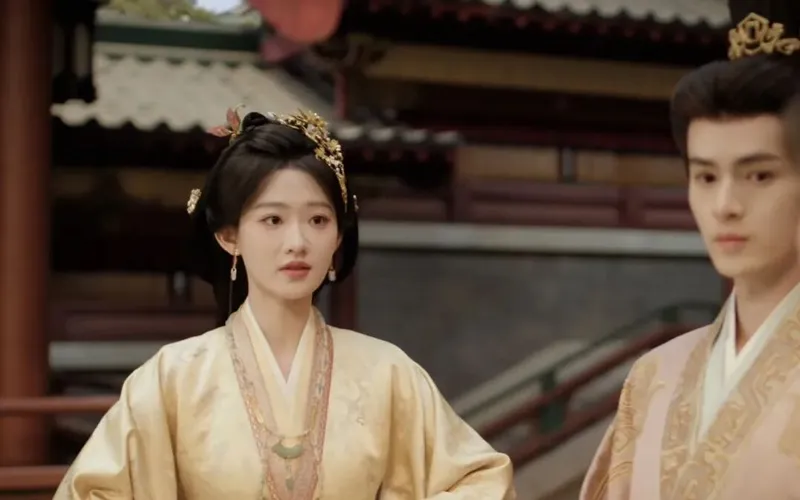
The finale of Where the Mask Ends (嫁金钗) does not stop at Liu Shuo (刘朔) taking the throne or Wei Rao (魏娆) becoming a protector princess. It jumps three years ahead, when Fu Wang (福王) finally removes Liu Shuo, Hongxian (红线) becomes pregnant, and Wei Rao tightens her grip against the Grand Empress Dowager. Zhou Fu (周芙), twice married and now tied to the emperor, seems to have climbed high. Yet the person who walks away with the most durable prize is not any of them. It is Xie Hualou (谢画楼), a woman whose fate looks quieter but whose choices carry more weight.
Choice, Not Fate
Wei Rao’s marriage to Lu Zhuo (陆濯) began with an old contract and a decree, not free will. Zhou Fu’s second marriage was a survival route: widowhood inside the Wei family (魏家) could trap her in ritual blame, while returning home invited gossip. Hongxian loved another man, but after Wei Shu (魏姝) acted maliciously, she had to become a concubine to stay alive. These women gained status, yet pressure shaped their starts. Xie Hualou stands apart because her Xie (谢) family actually negotiated for her, even when she disliked Fu Wang and wanted Yi Jiang (易姜) sent away.
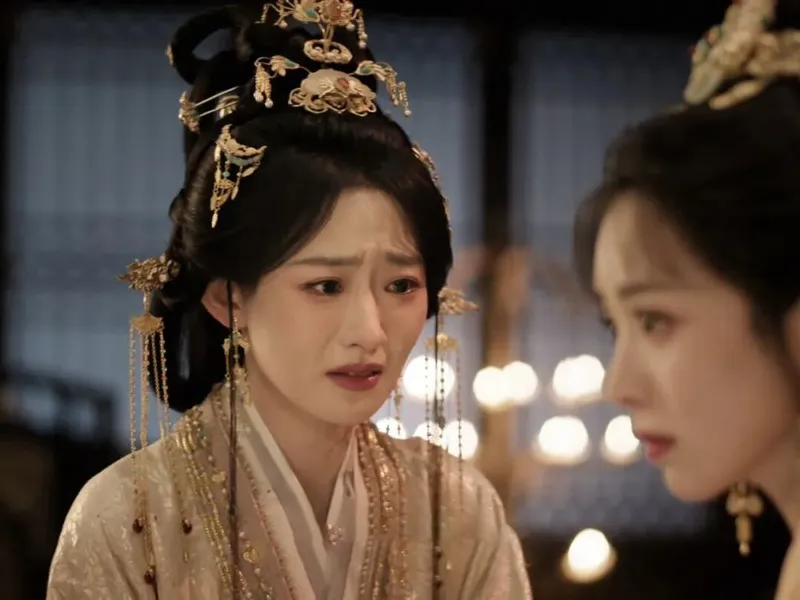
She first wanted Lu Zhuo. When he became single, her family sought a match. If Wei Rao had not existed, she might have become the Lu household’s principal wife. The point is not that every wish came true; it is that she kept moving without bitterness. She refused to team up with Wei Shu after a rejection. As a noble daughter, she owed her clan service, but she also protected her own future. That balance made her less desperate than women who mistook one man or one title for the only exit.
When Liu Shuo offered marriage, Xie Hualou did not demand a romantic vow. She listened for concrete terms: status for her father, dignity for herself, and a position that could shield her. She agreed quickly, not because she was cold, but because she could read the moment. Later she bowed to Wei Rao and called her “elder sister,” even after friction. That ease was not weakness. It was the confidence of someone who knew which battles could actually improve her life.
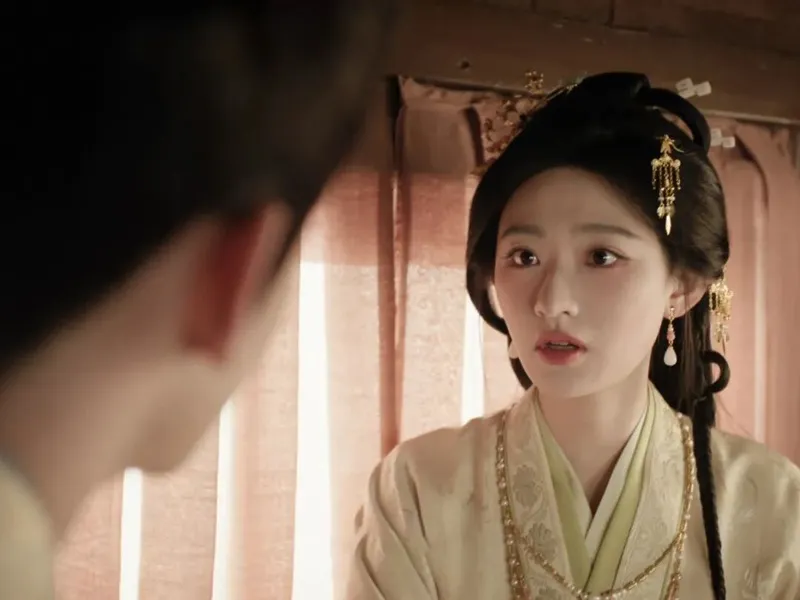
Clear-Eyed Winner
Her confidence shows in how she handles rivals. Before Zheng Jieyu (郑婕妤) tried to give Hongxian to the crown prince, Xie Hualou did not invent a story to hurt Wei Rao. She simply said she had not heard the conversation. In front of Li Zhaoyi (丽昭仪), she stayed composed. She did not assume that knowing Wei Rao’s secrets gave her a weapon worth using. Unlike Wei Shu, she did not turn every room into a battlefield. She understood her limits, and that understanding protected her better than scheming did.
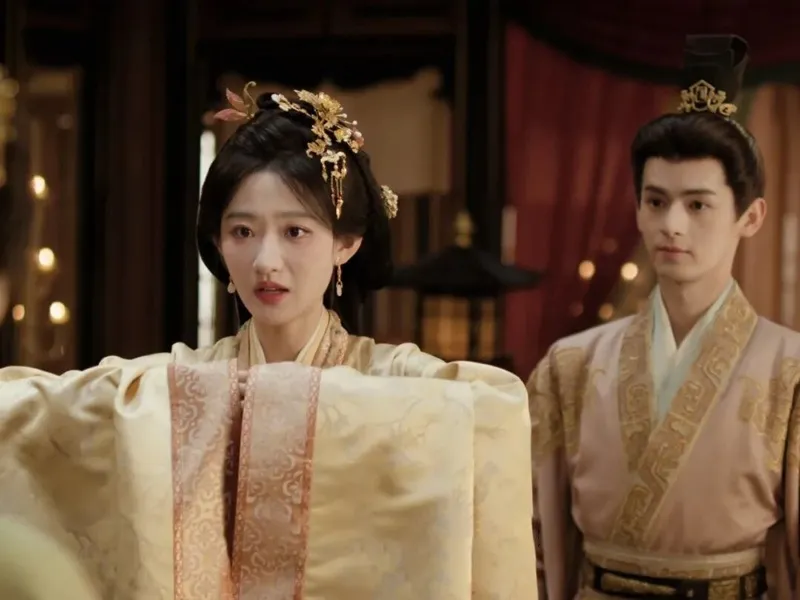
This is why her ending feels different. She becomes empress and reaches the highest female position without carrying the same scars as the others. She does not need to bear a child to secure rank, and she does not need to destroy a rival to feel safe. Her family remains a support, but her own judgment does the heavy lifting. She treats causes carefully and outcomes with patience. That sounds simple, yet few characters in the story manage it.
So the finale’s real winner is not the loudest survivor. Wei Rao gains power, Zhou Fu gains favor, and Hongxian gains a fragile opening. Xie Hualou gains room to breathe inside a system that usually punishes women for wanting more. She chooses among three men, but she is not merely choosing a husband. She is choosing a version of life she can endure and steer. In a drama full of plots, that quiet control is the rarest prize.