Watching Tigers Sniff the Rose (尚公主) should feel like entering a glittering Tang court, not a palace-themed photo shoot. Meng Ziyi (孟子义) and Li Yunrui (李昀锐) reunite after Blossoms of Power (九重紫), so anticipation is high. Yet the drama’s central triangle—Mu Wanyao (暮晚摇), Mu Ningshuang (暮凝霜), and Yan Shang (言尚)—often plays like a courtyard quarrel dressed in gold. The real question is not whether the costumes shine. It is why two royal women keep circling one scholar while the political stakes stay dim. That mismatch burns.
Princess Problem
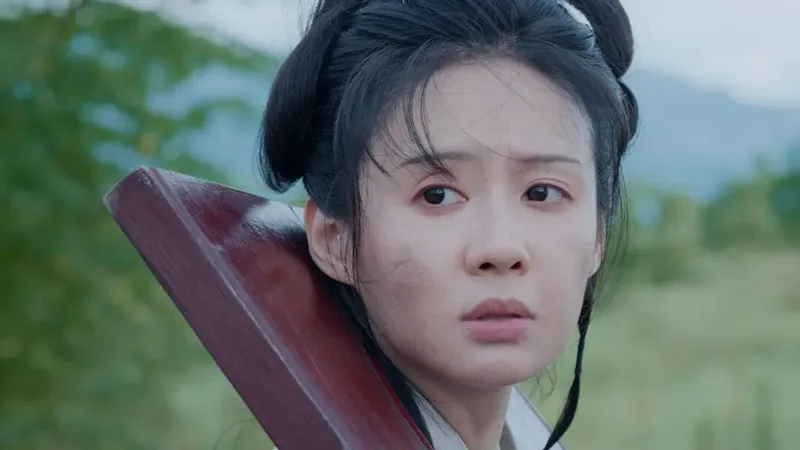
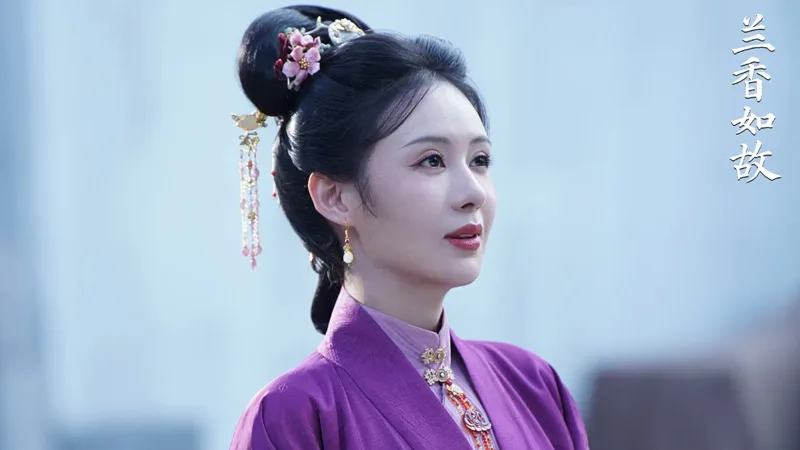
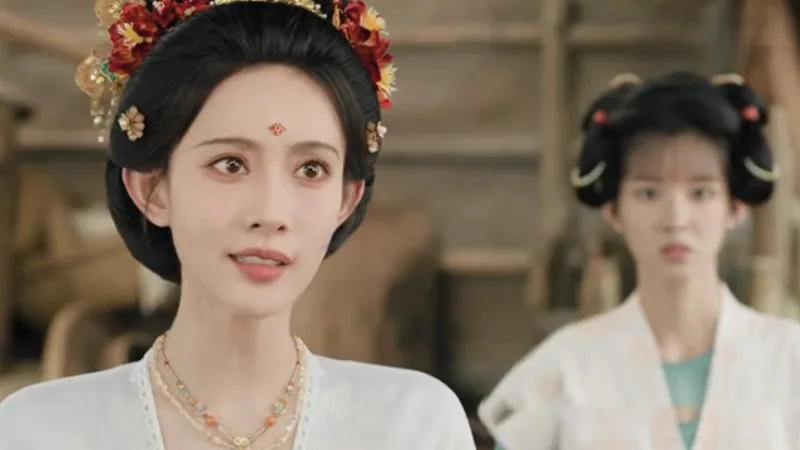
Mu Wanyao returns from a Wuman (乌蛮) marriage alliance, a journey that should leave scars, judgment, and a colder eye. Instead, she reads as sensitive and quick to react, with small cleverness but little long-range vision. Her pink peony bun, dangling gold, and white veil are loud, yet they do not create authority. They create a carefully staged Tang-style portrait. A princess who survived exile should carry weight in her posture, not just ornaments on her head.
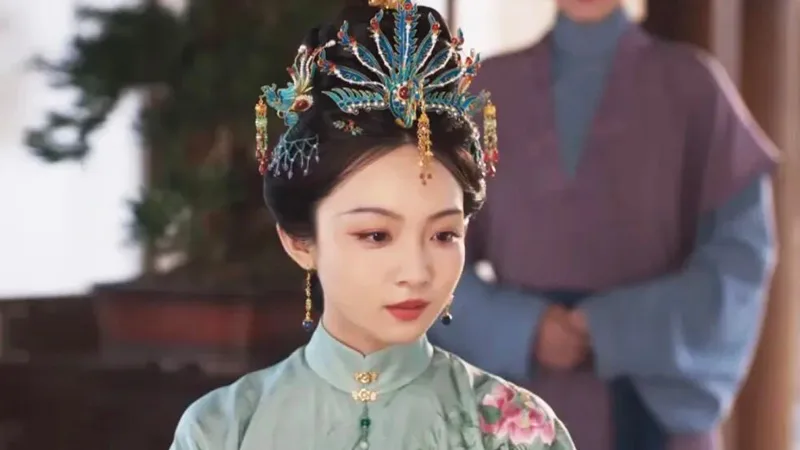
The aunt-niece conflict should be rich. Mu Ningshuang, played by Hu Xing’er (胡杏儿), has rank and family ties; Mu Wanyao has experience and grievance. Both want Yan Shang. But the script never gives him enough substance to justify the scramble. What talent, trust, or emotional debt makes him worth two princesses’ schemes? Without that groundwork, the women look petty rather than powerful, and the court shrinks into a jealous circle.
Tang women could be ambitious without apology. Empresses, princesses, and palace officials left marks because desire came with nerve and consequence. Here, Mu Ningshuang should suggest that steel; Mu Wanyao should suggest hard-earned poise. They could cooperate, betray, or compete over offices and influence. Instead, they compete over a man whose value the story keeps telling us about but rarely shows.
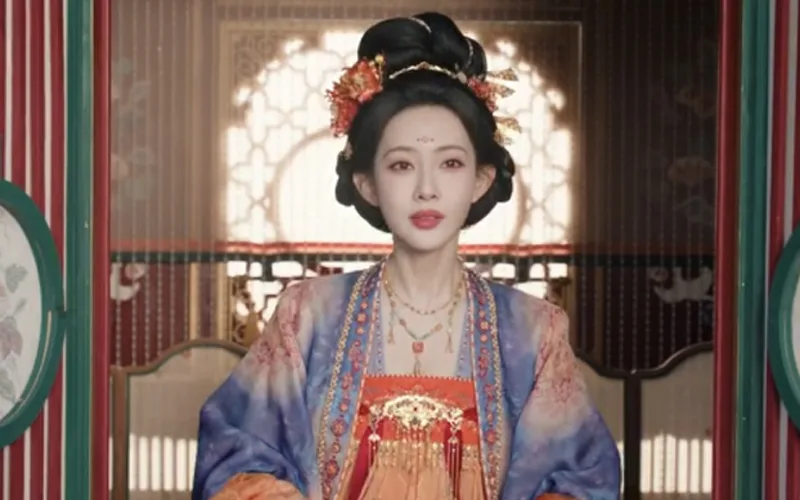
The styling issue is not that flowers, gold, and gauze are wrong. It is that the camera often treats beauty as the answer to every question. A grand look can support a character, but it cannot replace judgment, restraint, or the sense that this woman has paid for her rank. When Mu Wanyao’s wardrobe shouts while her choices whisper, the princess feels smaller than her crown.
Power Without Roots
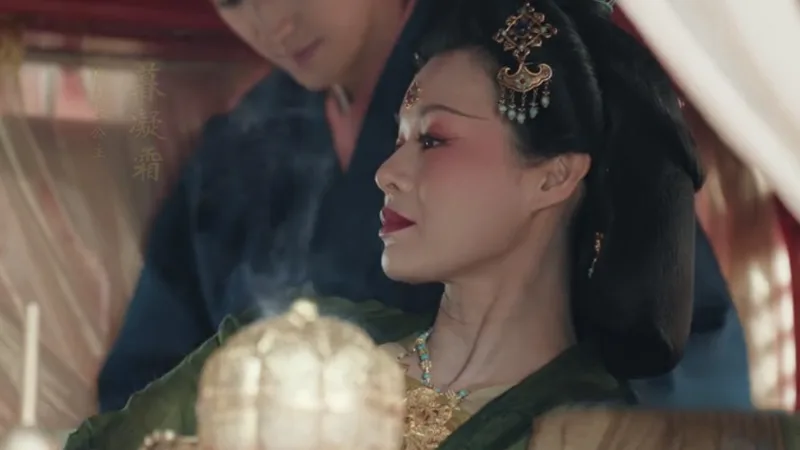
Yu Cheng’an (鱼成安), played by Yu Ailei (余皑磊), enters with real pressure. Crown Prince Mu Xun (暮恂) looks nervous before him. A bad bass fish can cost a cook his life. Even ordinary people fear his surname when buying fish. The bullying is visible. The reason is not. What lever does he hold over the crown prince, the princesses, and the royal clan? Without an answer, menace becomes posture.
A credible court eunuch needs roots: troops, access, favors, or a crisis that made the throne depend on him. The historical Yu Chao’en (鱼朝恩) gained leverage through military chaos and imperial trust, which explains arrogance. In Tigers Sniff the Rose, Yu Cheng’an mostly presses buttons inside palaces and princess houses. We see grudges; we do not see the machinery that makes those grudges dangerous.
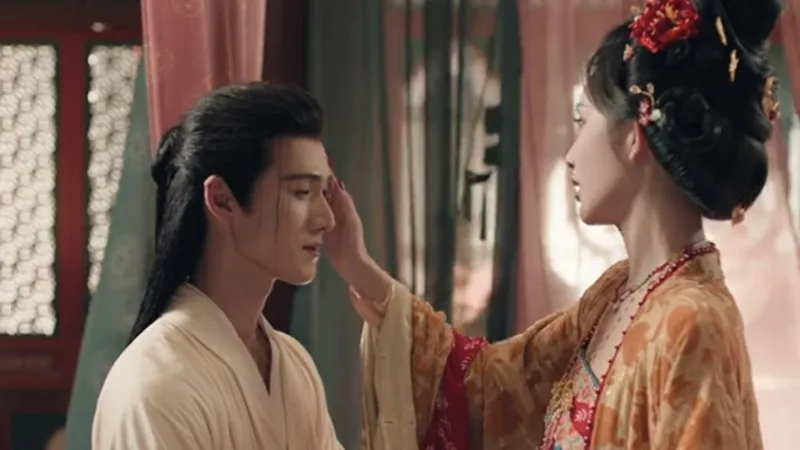
That gap matters because fear should travel upward. If Yu Cheng’an can threaten Mu Xun, the show must show what he controls and what the royal family cannot afford to lose. Otherwise, every bowed head feels staged for him. The actor can radiate threat, but the writing must build the cage. A villain who wins by reputation alone soon feels like a placeholder.
Tigers Sniff the Rose has glamour, reunions, and sharp tempers. What it needs is the Tang court’s cold arithmetic: who owns soldiers, who owns secrets, and who pays for wanting more. The aunt-niece feud could work if it touched real authority; Yu Cheng’an could terrify if his power had roots. Right now, the drama asks us to feel the heat without lighting a fire.