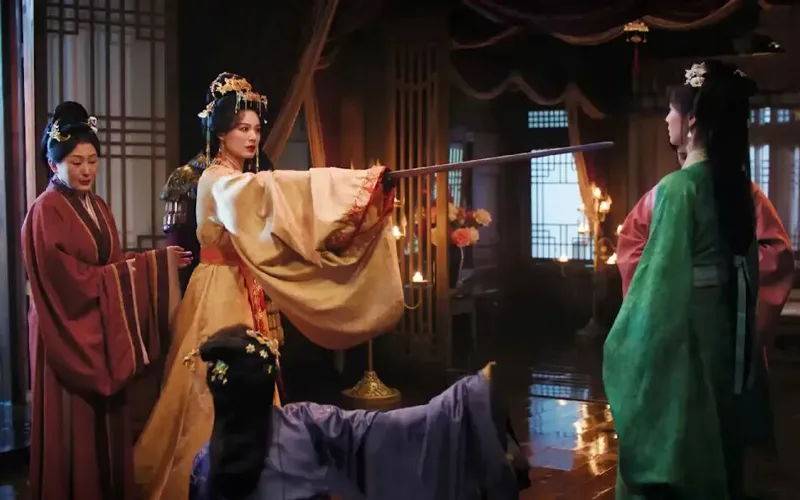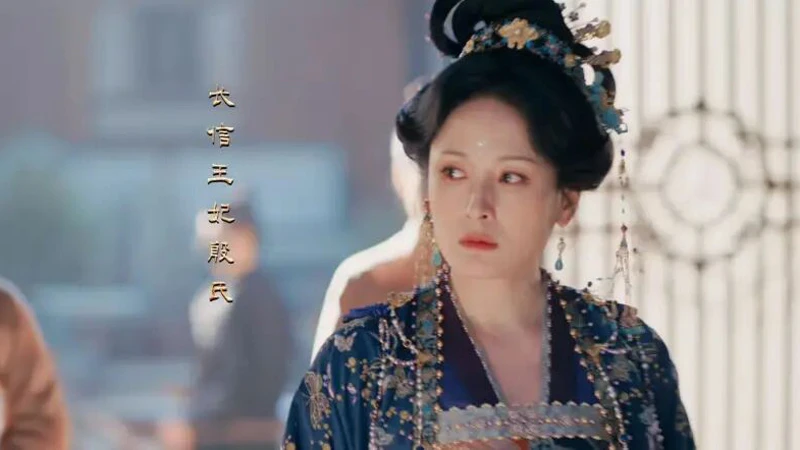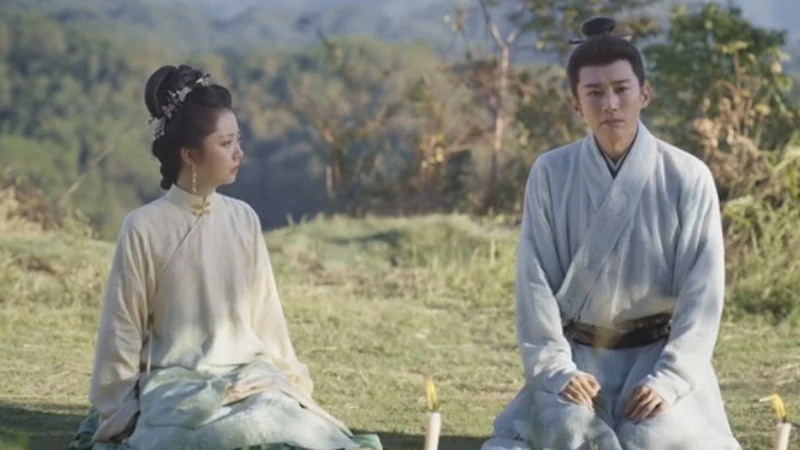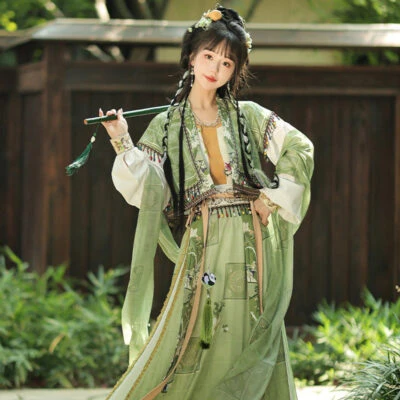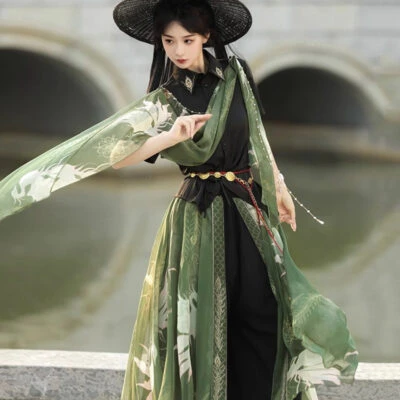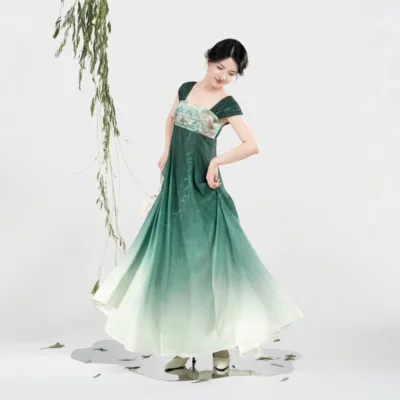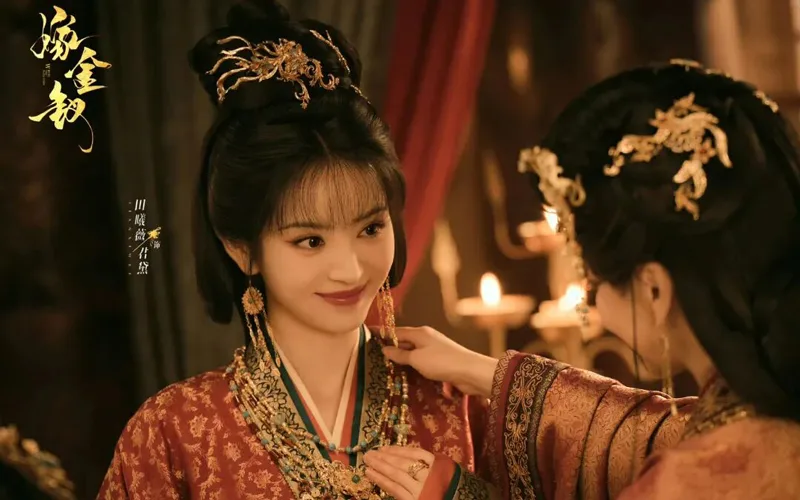
In Where the Mask Ends, Jun Dai (君黛) looks like a girl who should glow. Her grandmothers and aunt spoil her; silk, servants, and praise surround her. Yet she becomes harsh, quick to punish, and almost proud of her bite. That gap is the question the story keeps pressing: can affection without instruction turn into a weapon? Jun Dai is not a simple villain. She is a girl inside the Wei household, where comfort exists beside whispers, and protection often means covering a mess rather than teaching a lesson. Her behavior is not proof that love fails. It is proof that love can be incomplete, and that an unguided child may learn to trade fear for respect.
Lonely Inside
Jun Dai’s position looks grand, but it is awkward. Her father died early; her mother remarried. In practical terms, she is an orphan with a fine wardrobe. Her grandmother gives her food, clothes, and shelter, yet little steady company or moral direction. That distance shows when the older woman learns about the substitute bride plan: she is angry, but not deeply surprised in a way that suggests she knows Jun Dai’s real nature. If someone truly watched a child every day, would she be so blind to the child’s habits? The household’s third young lady provokes Jun Dai again and again. Would that happen if the grandmother’s favor were as absolute as it appears?
There is another kind of loneliness, sharper because it is public. Her mother’s remarriage becomes a stick others use to hit her. The grandmother hates the mother so much that the subject is forbidden, but forbidden talk does not disappear; it goes underground and grows teeth. Jun Dai hears mockery from childhood, and even at the Princess’s Mansion, a maid beside Xie Hualou (谢画楼) can speak to her with contempt. High status does not equal respect. When people repeatedly tell a girl she is shameful, she may decide that power is the only language they understand. Then every insult becomes a chance to prove she can hit back.
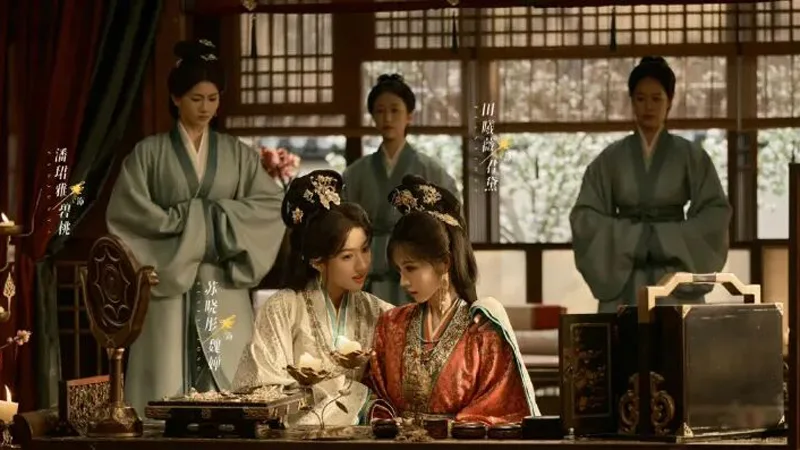
Her reactions create a loop. She punishes, humiliates, or crushes people who look down on her. They resent her more. They find the sore spot and press. She hits back harder. Soon the label writes itself: arrogant, vicious, dangerous. The label hides the fear underneath. Jun Dai is not simply enjoying cruelty; she is defending a self that has been laughed at, excluded, and half-orphaned. But defense without self-control turns into aggression. Since nobody teaches her how to separate pain from revenge, she uses rank as a blade. The more she cuts, the more alone she becomes.
Indulgent Care
The aunt is the person who gives Jun Dai the most warmth, and that warmth is the most damaging. She treats Jun Dai like a daughter, though the truth is that she is her birth mother, a fact hidden from the girl. What Jun Dai receives is not guidance but rescue. Whatever she wants, the aunt moves first, clears the road, and fights the battle. The substitute bride scheme is arranged by the aunt. When Lu Zhuo (陆濯) wakes and Jun Dai wants Wei Rao’s (魏娆) identity back, the aunt again plots on the day Lu Zhuo and his wife return home. Such care teaches a simple lesson: every desire deserves satisfaction, and any obstacle is an enemy to be removed.
This is affection without a spine. The aunt never asks whether Jun Dai is wrong, only how to make her win. A child raised on that diet learns that consequences are for other people. Her ambition expands because it is never checked. Each success makes the next demand larger, louder, and more reckless. The aunt’s love feels like a fortress, but it is really a cage with no door. Jun Dai never learns to hear “no,” never practices repair, and never discovers that respect cannot be stolen permanently. Her cruelty is fed by protection that asks no moral questions.
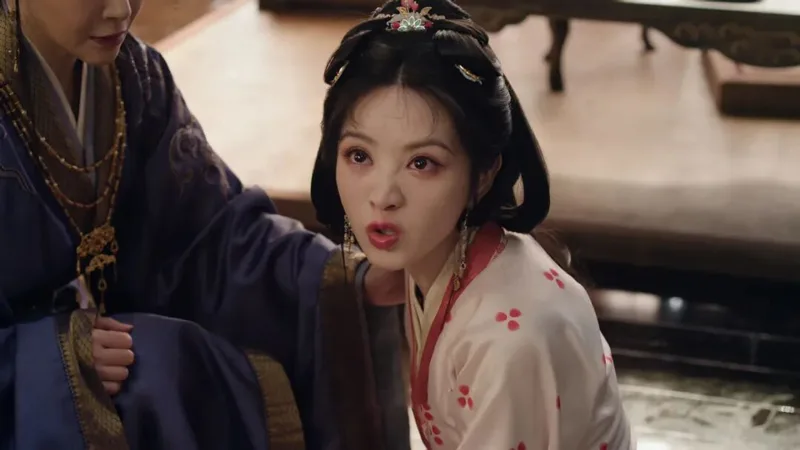
The hidden mother-daughter truth makes the aunt’s indulgence more desperate. She cannot openly claim Jun Dai, so she tries to compensate with endless backing. Discipline would risk the girl’s anger and maybe rejection, and the aunt cannot bear that. Jun Dai feels this unshakable support but mistakes it for proof that she is always right. She learns that someone will rescue her after every wreck, so she never has to face the wreck itself. The aunt’s guilt becomes the girl’s permission slip. What looks like devotion is actually avoidance: a way to avoid conflict, truth, and the hard work of shaping a child’s character.
Powerful relatives complete the picture. Her mother is the emperor’s favorite consort; her maternal grandmother was the emperor’s wet nurse; her father’s clan still carries weight. Jun Dai has the backing to act badly without immediate ruin. That does not excuse her, but it explains her confidence. She has money, rank, and adults who clean up after her, yet no one who says, “Stop. Look at what you did.” The result is a girl in gorgeous clothes with no inner compass. Her story asks readers to judge her actions, but also to see the missing pieces: real attention, honest limits, and love brave enough to correct her. What do you think of Jun Dai’s behavior?