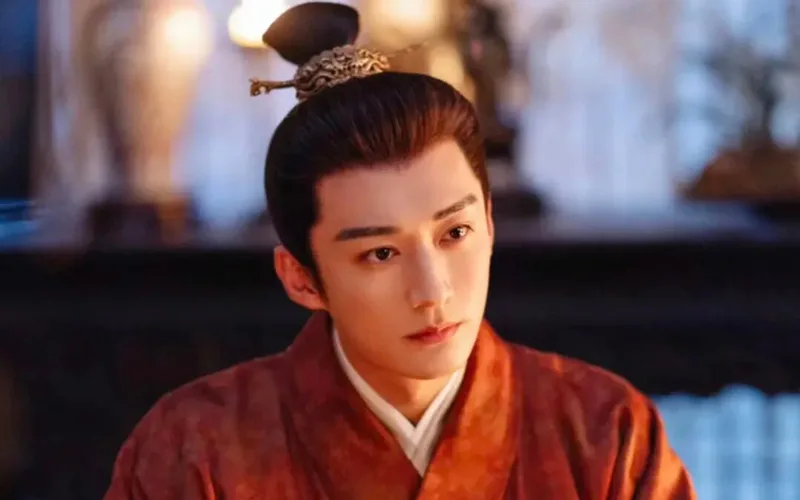
Many viewers feel confused while watching Against the Current (兰香如故). Lin Jinqi (林锦岐), the male character in this historical drama, keeps his hair neatly tied through every plot. He fights invaders, checks accounts and serves in the army, with different hairpins pinned on his head across episodes. Some viewers ask one simple question: are hairpins only made for women? The short answer is no. Male hairpins existed widely in ancient China, and they served practical purposes far more than decorative ones. Men used these pins to hold up bundled hair, and formal head coverings would hide them on official occasions. For this reason, most male hairpins kept plain and simple shapes.
One-drop Oil
The most well-known Ming style was called one-drop oil. It did not refer to hair oil, but a specific type of hairpin. Its top looked like a smooth little mushroom, round and glossy, just like a single oil bead, which gave it this casual name. Research records from old books show this gold pin style grew popular among ordinary citizens, carrying daily life warmth.
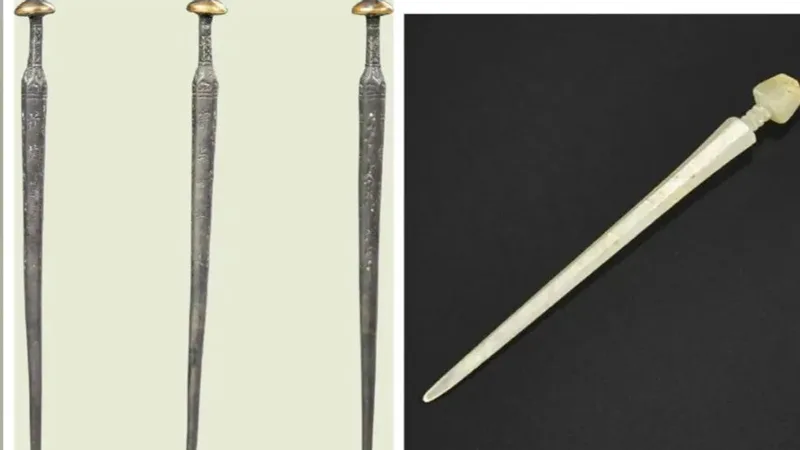
Curved shaft versions were most common. A gentle bend connected the pin body and the mushroom-shaped top. Most plain hairpins on Lin Jinqi’s head belong to this type or its modified designs. It had no fancy carving. Its core task was locking the twisted hair firmly in place during long hours of work or travel.
People from all social groups chose this design. Rich families used gold versions, while common people picked wood or bone. It fit daily use perfectly, and its small round top avoided scratching the scalp. This simple shape stayed popular through most of the Ming period.
Small Styling Tools
Another tool, the Lüezi (掠子, hair comb pin), had the smallest size. Its main job was not fastening hair, but separating and arranging strands. Before men put on formal headgear, they used it to guide loose hair neatly under the cap, preventing messy strands from sticking out.
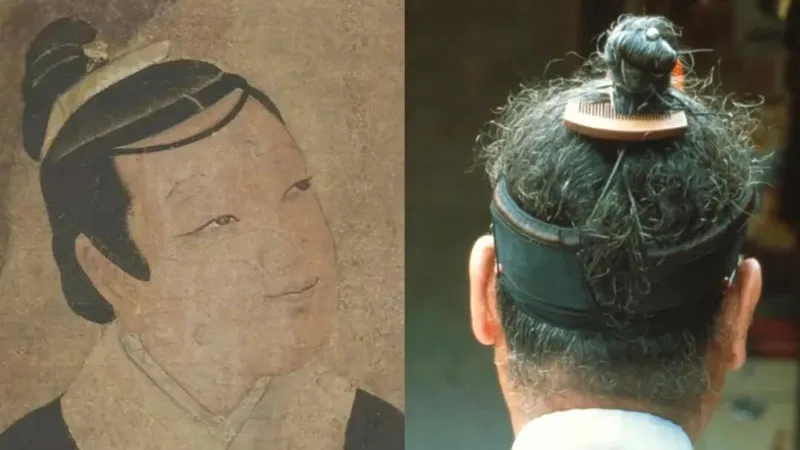
It acted more like a tiny comb than a fixing pin. Gentle strokes sorted tangled hair and prepared the hairstyle for formal rituals. Nobles and scholars relied heavily on this small object before putting on official headwear. Without it, fine hair would escape and ruin the tidy look required by rules.
The ear-scoop hairpin brought extra convenience. It carried two functions. One end worked as an ear pick, and the other was a tapered pin shaft around ten centimeters long. People could insert one or two pins at once. This style first appeared in the Wei and Jin dynasties and spread widely in Ming times.
Rules and Symbols
When ancient men turned twenty, they held a coming-of-age ceremony. After this ritual, hairpins became standard head items. The earliest name for this pin was ji (笄, ancient hair fastener). After the Tang dynasty, people generally called them hairpins. Traditional rules required adult men to coil long hair into a bun, since hair could not be cut freely.
Historical records clearly state hairpins were never exclusive to women. Men of all ranks used them, with different materials marking social standing. Scholars used bone pins, while higher officials chose ivory ones. A famous poem line also described an old man whose thinning hair could barely hold his pin.
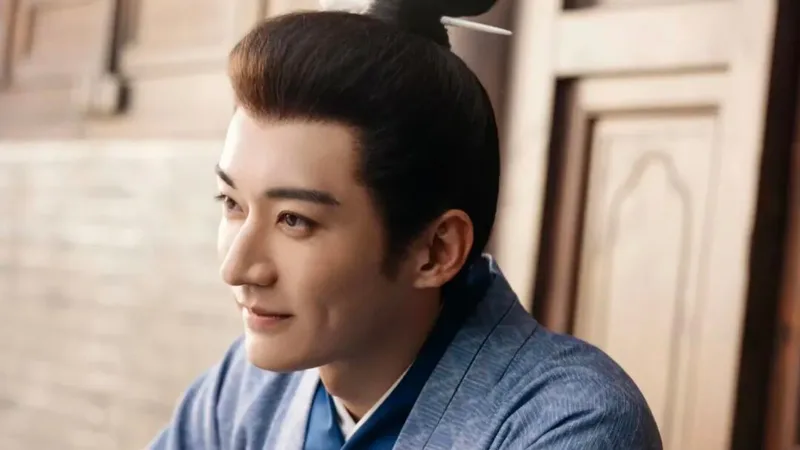
Some pins carried subtle taste markers. Makers carved plum, orchid, bamboo or chrysanthemum patterns on pin tops, or chose jade as raw material. These pieces still kept plain overall forms. Men’s hair ornaments could be delicate, even without bright complex decorations, and these simple pins stood witness to old customs for hundreds of years.