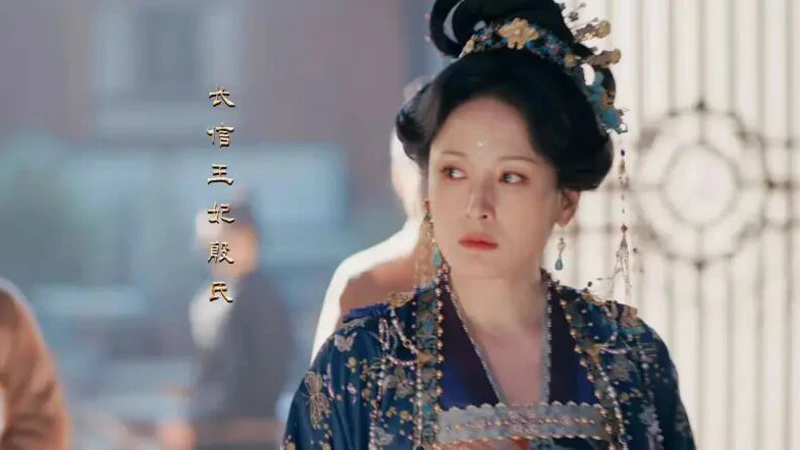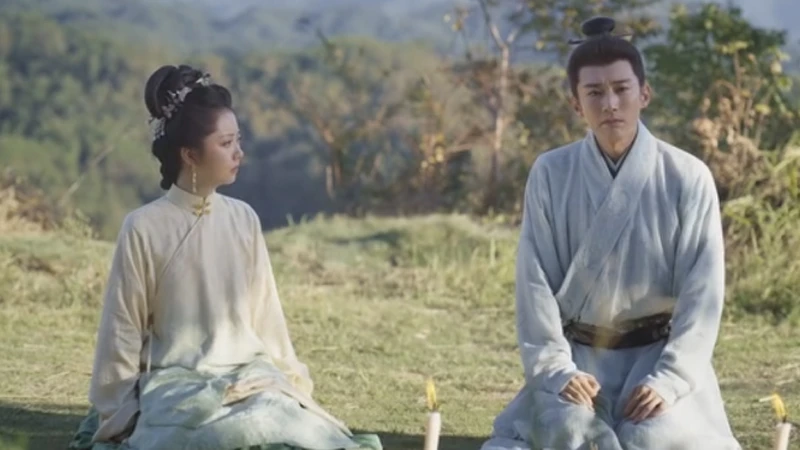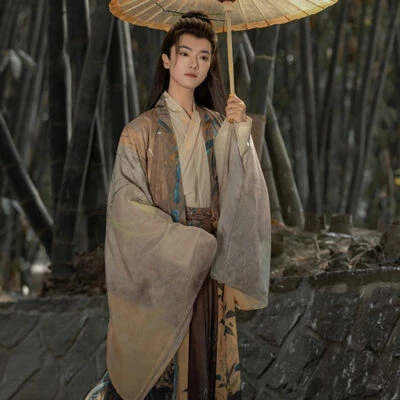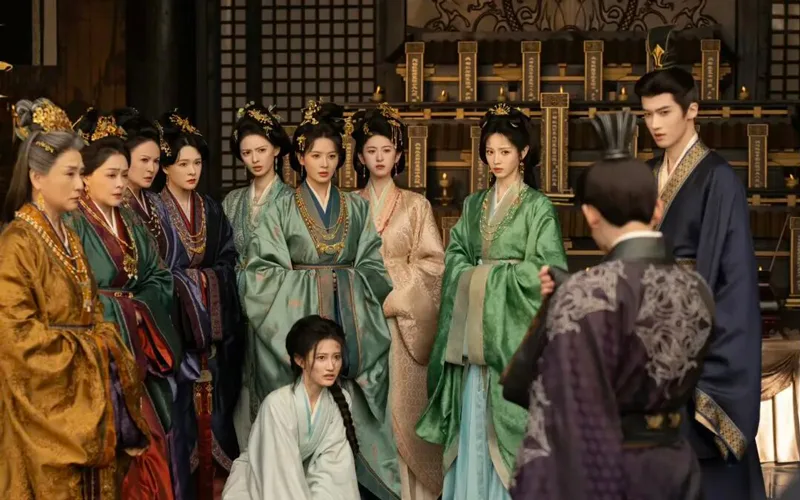
A contract marriage looks neat on paper. In Where the Mask Ends (嫁金钗), it becomes a chessboard with too many players. Yang Long (杨龙) directs this costume drama, Zhou Mo (周末) writes it, and Xiao Jiaren’s (笑佳人) novel gives it a sharp spine. Tian Xiwei (田曦薇) plays Wei Rao (魏娆), a woman who returns to her wedding year with memory and resolve. Yan An (闫桉) plays Lu Zhuo (陆濯), a young general hiding behind a sickly mask. The show launches on October 16. Its hook is simple: what happens when two skilled liars marry on purpose? The premise mixes rebirth, a fake invalid, and a marriage that starts as a business deal; curiosity follows naturally.
A Calculated Vow
Wei Rao has little patience for gossip. Raised in a capital elite household, she watched her mother’s divorce and remarriage become public entertainment. Her first life ended in quiet bitterness after she trusted the wrong man. Now she is back, clear-eyed and unwilling to audition for approval. Her plan is blunt: marry Lu Zhuo, wait for his fragile health to fail, then enjoy a wealthy widow’s freedom. It is not romance. It is survival with a ledger. She wants control over her own name before anyone else can spend it. The risk? Her chosen husband may be the one person in the capital who can read her better than she reads him.
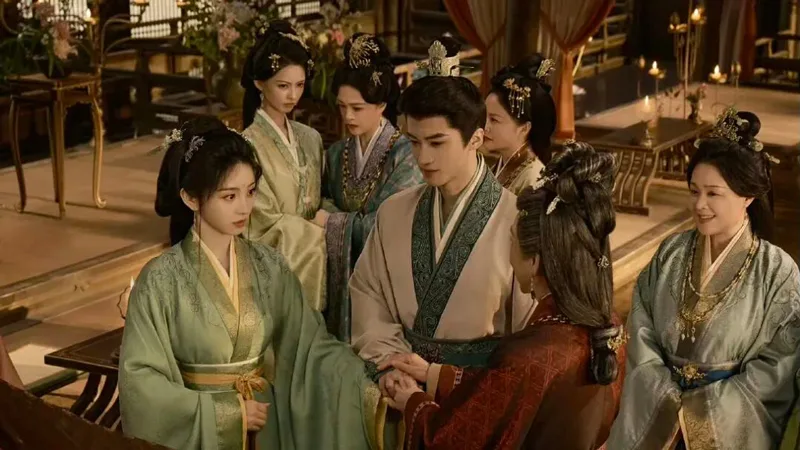
Lu Zhuo is not dying. He is a battlefield veteran pretending to be a breath away from collapse, using illness as armor against court enemies. His mild manners and pale face are useful props. Behind them sits a patient strategist who needs a wife with nerve. When Wei Rao proposes the bargain, he sees a partner who can handle whispers, relatives, and sudden danger. She sees a temporary ticket out. Neither admits the other is interesting. That silence is the fun. He lets her underestimate his strength; she lets him underestimate her hunger for freedom. Both keep score. He needs a wife who will not panic when the mask slips.
Their marriage begins as a duel with shared meals. Wei Rao tests his weakness; Lu Zhuo tests her motives. Servants gossip, elders scheme, and the young couple trade small traps while keeping the household steady. A spilled tonic, a misplaced letter, a cousin’s pointed question: each becomes a move on the board. The story keeps the domestic comedy sharp, then widens its frame. Border reports and court factions pull Lu Zhuo back toward duty. Wei Rao’s intelligence becomes more than a shield for herself. It becomes a map for both of them. They learn to cooperate before they learn to trust, and that order makes their affection feel earned rather than ordered by the plot. Comedy softens the danger; danger sharpens the comedy.
The larger stakes keep the romance from floating away. Family pressure, military crisis, and political knives force Wei Rao and Lu Zhuo to stop scoring points and start covering each other. Their bond grows through competence, not speeches. She reads people; he reads battlefields. When those skills combine, a private bargain becomes a public shield for the household and the country. The question is not whether they fall in love. It is whether love can survive the cost of winning. When arrows fly, the ledger becomes a promise. That shift gives the show its pulse. The answer must wait for October 16, but the setup already promises a partnership with teeth.

Two Roles, One Star
The drama’s appeal also rests on performance. Tian Xiwei carries two lives: A Chou (阿丑), a girl from the bottom of society, and Wei Rao, a noble daughter with a rebel’s spine. The two roles do not share fortune, manners, or vocabulary. Switching between them demands quick control of posture, voice, and gaze. That challenge gives the series a second engine beyond plot twists. Viewers can watch an actor build two distinct people inside one frame. It is a test of range, and the promise of seeing a familiar face become unrecognizable without heavy makeup. If the switch works, the rebirth story gains a body, not just a backstory.
Yan An’s Lu Zhuo must balance three faces: the courteous invalid, the calculating husband, and the commander who understands blood and borders. Too much softness makes the mask silly; too much steel ruins the trick. The role needs restraint. His scenes with Tian Xiwei promise a duel of half-smiles and unfinished sentences, where each line carries a hidden bill. If the chemistry lands, the marriage plot will feel like sport rather than filler. The supporting cast must also sell the household’s pressure, because a sharp couple needs a worthy board and worthy opponents. A single raised eyebrow should carry as much weight as a battlefield report.

What makes this couple worth watching is not a promise of perfect harmony. It is the pleasure of watching two quick minds choose each other on purpose. Wei Rao wants agency; Lu Zhuo wants cover. Their goals overlap, clash, and finally merge. The series mixes household games, border danger, and court calculation without letting any one thread swallow the others. That balance will decide whether the drama feels grand or merely busy. For now, the pieces are in place: a clever heroine, a deceptive general, a bargain with teeth, and a premiere date. The real question is whether their alliance will be as addictive as their scheming.