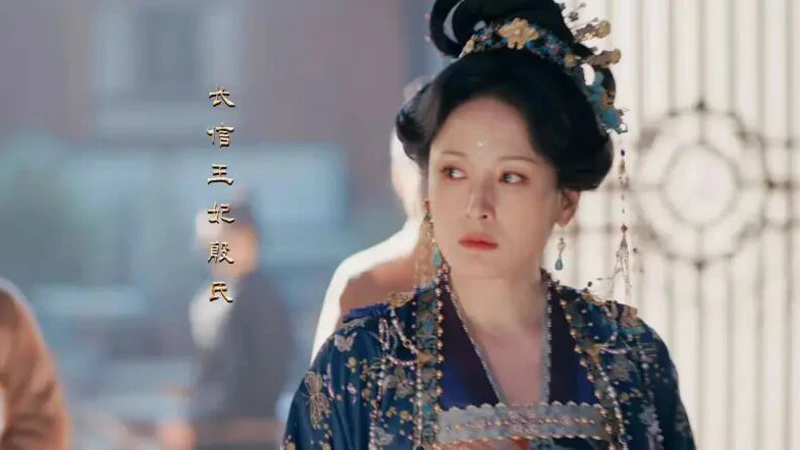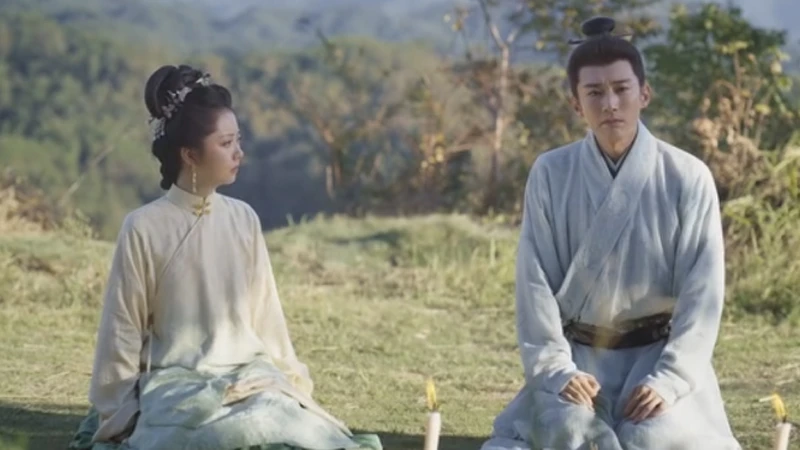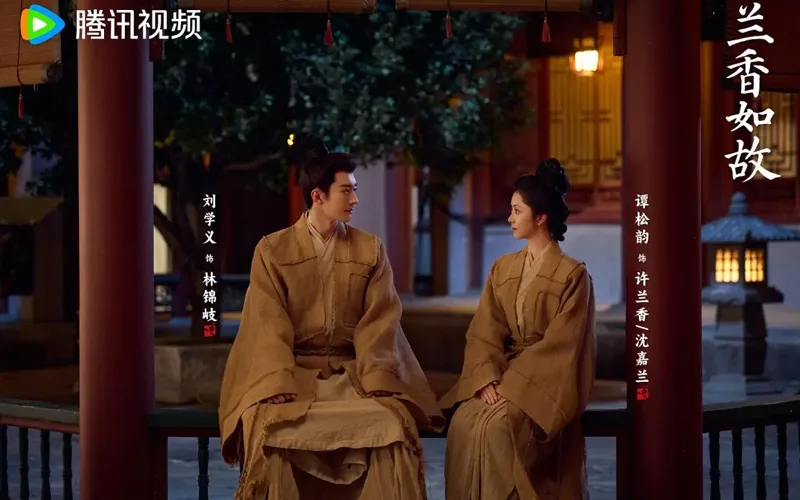
After Prince Han fails in rebellion, Lin Jinqi (林锦岐) receives the title Marquis Jing’an (靖安侯). Lanxiang (兰香) becomes his wife. In the capital, Lin Xiulai (林绣莱) sees a chance: buy fields and houses while prices are low. Madam Tan (谭氏) agrees. Even Lanxiang’s household nods. Lanxiang alone says no. Lin Jinqi asks whether this is “a different path” again. No one in the room is foolish; that is what makes the scene tense.
The answer arrives later, when he watches Tongguan Hen (潼关恨), a play Lanxiang wrote for him. Her worry about her adoptive parents in Jinling (金陵) is only one thread. The real reason sits in the court, in a pattern of favor, fear, and land. The suggestion sounds sensible: a base near power, a gift for future children, a safe store of value.
Land Trap
Lin Xiulai speaks like a practical manager. Lin Jinqi serves the emperor; Lanxiang will live in the capital; children will need marriage gifts. Fields and houses sound safe. The suggestion sounds sensible: a base near power, a gift for future children, a safe store of value. Then Lin Xiulai mentions that eunuchs are also buying land. That detail changes the air. Lanxiang does not argue loudly. She reads the market as a map of power. When people close to the throne rush to own soil, they are not simply investing. They are preparing for a day when favor may turn. A house can hide a family; a field can feed it. But a deed can also mark a household as visible, rich, and tied to a faction. Lanxiang hears danger in a polite suggestion. A deed is paper, but paper can become a rope.
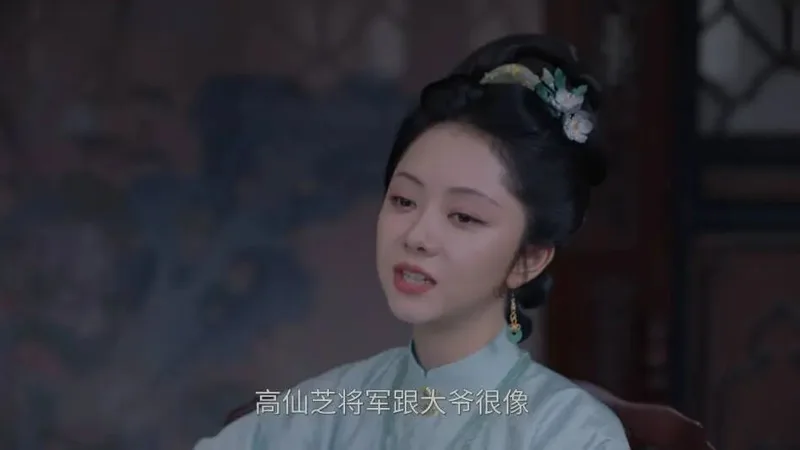
She first makes a small, sharp remark about the surname Cao. Cao Cao (曹操) built power by speaking for a weakened throne; the echo is uncomfortable. Then she gives Lin Jinqi the play. Tongguan Hen is not a lecture. It is a mirror with a cold edge. On stage, a victorious general wins for the throne, offends a eunuch, and later dies by the ruler’s order. Lin Jinqi watches a man praised as loyal become a problem to be removed. The story does not say every ruler is cruel. It says court favor has no fixed floor. Today’s reward can become tomorrow’s evidence. Lanxiang lets the stage ask the question he refuses to ask: if trust is a gift, what happens when the giver listens to another voice? A friend can become a file; a hero can become a case.
The play follows Gao Xianzhi (高仙芝), a Tang general. The emperor sends Bian Lingcheng (边令诚), a eunuch, to watch him. Gao wins a hard campaign despite obstruction. The victory brings rank, but it also feeds resentment. During the An Lushan (安禄山) rebellion, Gao retreats to Tong Pass . Bian returns to court and twists the story: Gao abandoned land; Gao stole grain. The emperor orders Gao and Feng Changqing (封常清) killed. The knife does not need a personal enemy; it needs a convenient story. Lin Jinqi sees his own shape in that ending. He has military merit, a new noble title, and the emperor’s trust. He also has enemies who can speak first. Lanxiang’s play does not predict his death. It shows him the price of believing that merit alone protects a family.
Mirror of Power
The Shen family massacre already left a scar on Lin Jinqi’s memory. His family once escaped because the old patriarch chose caution over glory. That escape was luck as much as wisdom. Now eunuchs hold more room in court, and the emperor’s ear is crowded. Lin Jinqi’s record is bright: he left books for battle, joined young, helped a prince take the throne, and later crushed a rebellion. Such service makes a minister useful. It also makes him large. A ruler may love a large shield until it casts too much shadow. Lin Jinqi’s old patriarch had warned that fortune can hide disaster, that the family’s ruin might come from him. Lanxiang’s play turns that warning into a scene he cannot dismiss. The stage is safer than a memorial, but the lesson is not softer.
Lin Jinqi still believes the throne will protect him. Lanxiang answers with a sentence that cuts clean: Gao Xianzhi also thought he served a wise ruler. She can see the pattern from outside the court; he refuses to look. His refusal is not stupidity. It is loyalty mixed with fear. To admit the pattern would mean admitting that his sacrifices may not shield his wife, his household, or the children Lin Xiulai mentions. Lanxiang does not ask him to betray the emperor. She asks him to stop confusing personal trust with political safety. A loyal minister can still be destroyed by a rumor. A family can be erased while the ruler believes he is cleaning the state. That is how a clean court can still produce a dead loyalist.
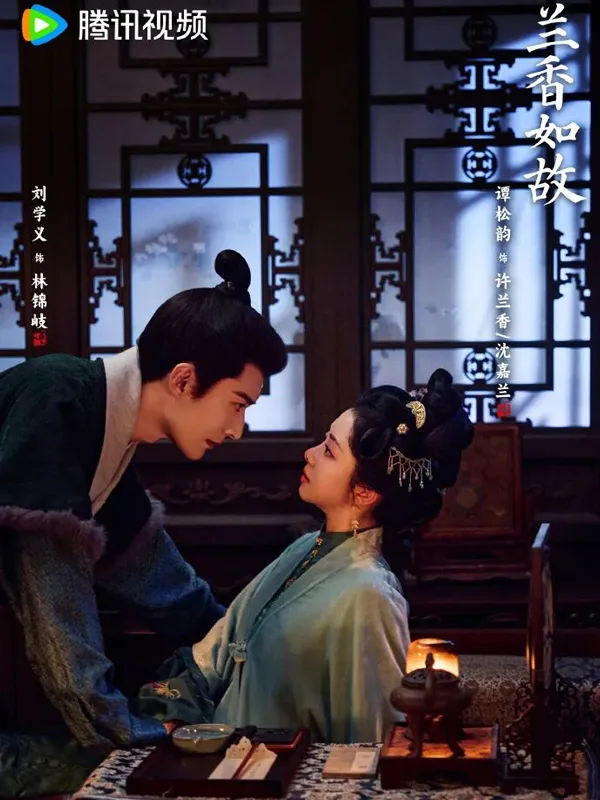
For Lanxiang, land in the capital is not wealth. It is a signature. It says: we are staying; we are rich; we are close to power. If the court turns, those deeds become chains. Her adopted parents in Jinling pull at her heart, but her deeper answer is survival. She has already died once in spirit, so she measures success differently. A field cannot protect a child from a decree. A house cannot hide a family from a eunuch’s whisper. Lin Jinqi learns this too late to feel comfortable, yet early enough to act. The play was not a wife’s mood. It was a warning written in stage blood. Lanxiang refuses the land because she wants the Lin family to keep something harder to seize: breath, choice, and time. She is not buying safety; she is refusing a trap with a polite name.