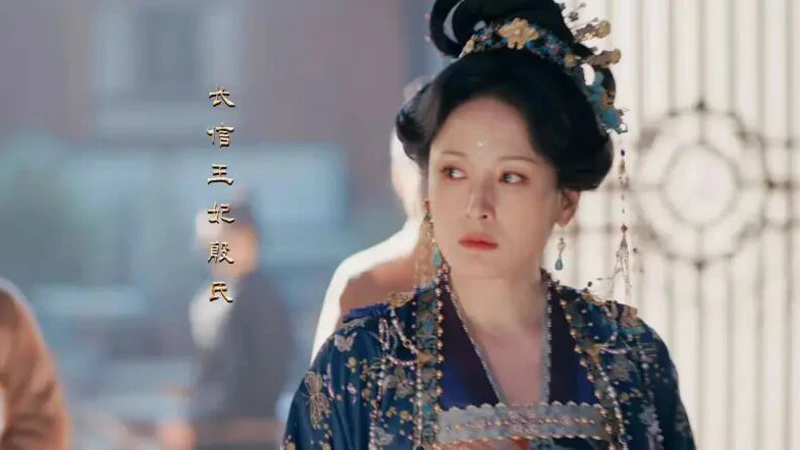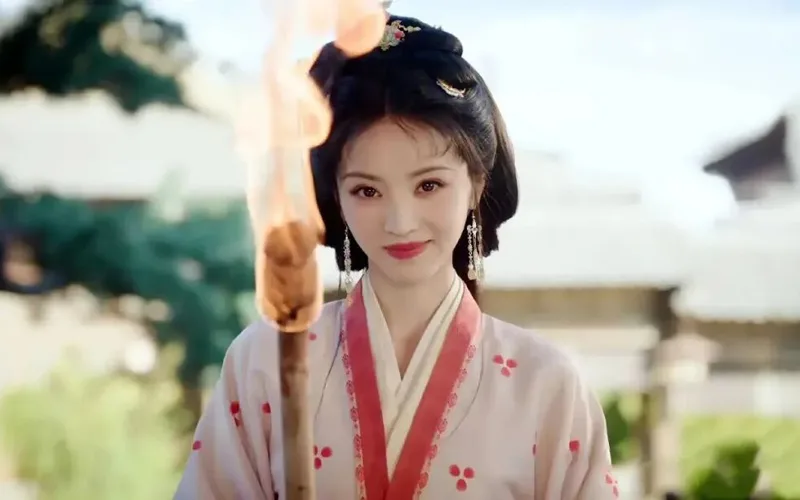
At the return banquet in Where the Mask Ends (嫁金钗), fire looks like a simple confession. A fake daughter panics, tries to erase the real one, and the audience gets a clean answer. Then the camera finds Guo Yufeng (郭虞凤). Her face is not shocked by a double. It is the white terror of a woman seeing a ghost she thought buried. That detail breaks the easy story.
A Chou (阿丑) is not just a servant girl with a lucky face. Jun Dai (君黛) is not just a greedy impostor. Wei Rao (魏娆) is not a name that vanished in a jar. The fire points to older hands, earlier swaps, and a family that treated a child as a loose thread.
Swapped Before Swap
Chengan Bo Manor (承安伯府) looks like a closed courtyard, but its real danger comes from palace gossip. Zhou Fu (周芙) understands this before anyone strikes. As a second-branch widow with a powerful mother and an old bond with Emperor Yuanjia (元嘉帝), she knows a daughter whose face matches another household’s child is not a blessing. The girl would be a living accusation. So Zhou Fu moves first. She sends her baby out to a poor family, where the child grows up as a foundling, scrubbing pots and carrying night soil. To the manor, the child is gone. To Zhou Fu, the child is still breathing.
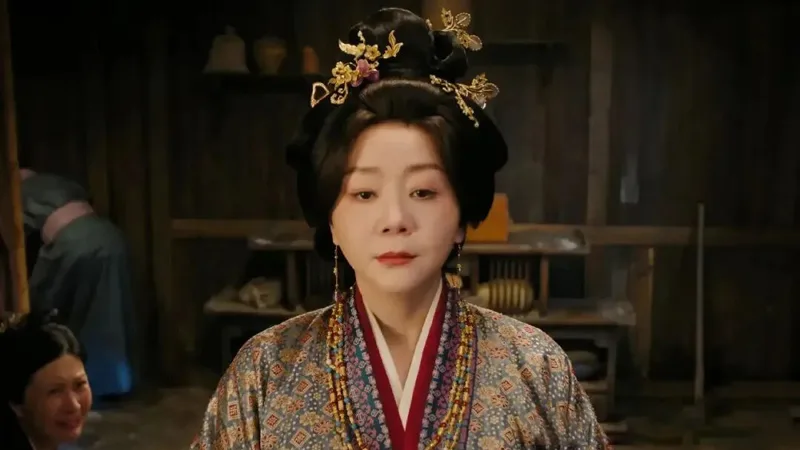
Guo Yufeng and Wei Heng’e (魏恒娥) believe they are the ones who replaced a real daughter. They are late. The position they snatch is already hollow. Wei Heng’e’s private daughter, Jun Dai, takes the name and privileges of the fourth young lady, while A Chou survives in the streets without knowing her own origin. The two girls share a face, but not a fate. They are cousins: one born outside the clan, one born inside it and hidden. That mirror image makes the substitution possible, and it plants Jun Dai’s lifelong fear. Every kindness she receives rests on a paper identity someone else could tear.
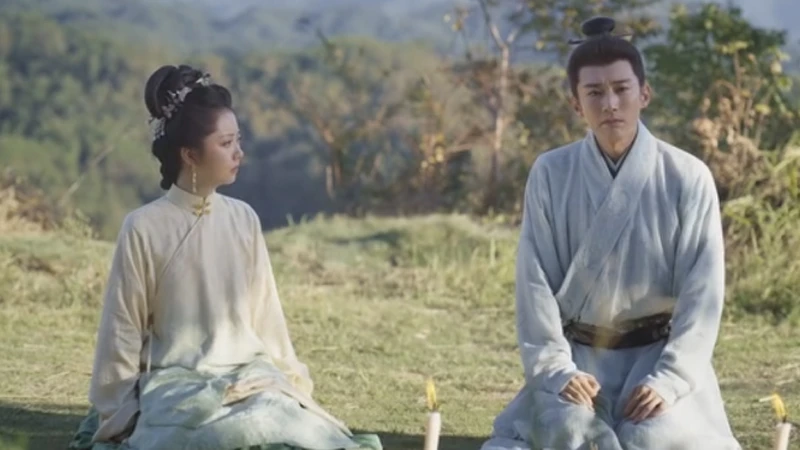
When A Chou marries into the Ducal Manor, the lie starts to fray. Lu Zhuo (陆濯) wakes on the wedding night and notices her roughened hands, her speech, the small mismatches a real husband would miss and a suspicious heir would not. He is not courting a bride; he is checking a ledger. In the manor, Guo Yufeng’s panic, an old nurse’s hesitation, and the bones in the jar all pull A Chou toward the truth. The bones never belonged to Wei Rao. They were the evidence of a crime that had already been outflanked by a mother’s desperate move.
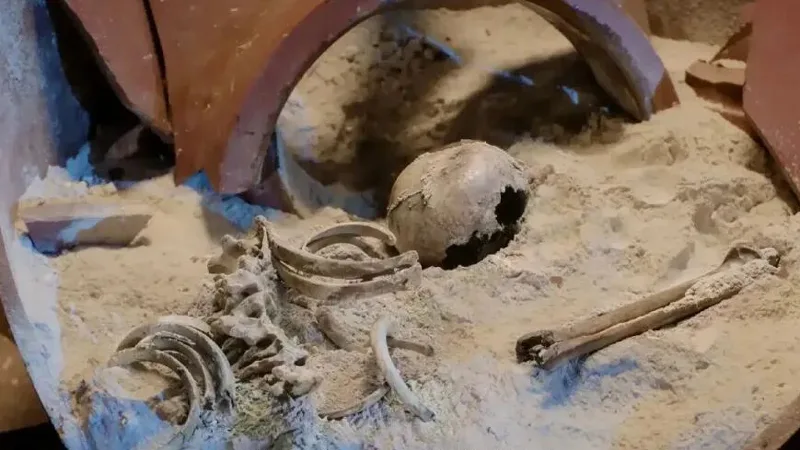
The old nurse matters because she remembers what polite households prefer to forget. She can name the night, the basket, the servant who carried it. Her silence is not proof of innocence; it is proof of survival. Jun Dai reads that silence correctly and treats it as a threat. A Chou reads it as a door. One woman wants the past sealed, the other needs it opened. That split gives the story its pressure. The manor can survive gossip, but not a witness who finally decides to speak. Once the nurse’s memory becomes visible, the jar of bones stops being a horror prop and becomes a map back to the wrong child.
Poisoned Cup
Jun Dai kills because she understands the math. If A Chou is recognized, the name “Wei Rao” stops protecting her. The silks, the favor, the future seat beside Lu Zhuo, all of it depends on one fragile claim. Guo Yufeng and Wei Heng’e can testify to the swap. The old nurse can remember its details. So Jun Dai does not simply lash out. She removes witnesses. The return-banquet fire is meant to burn records and people at once. Seen from her side, the logic is cold but coherent: A Chou’s arrival is not a homecoming; it is a theft of the only self Jun Dai has ever owned.
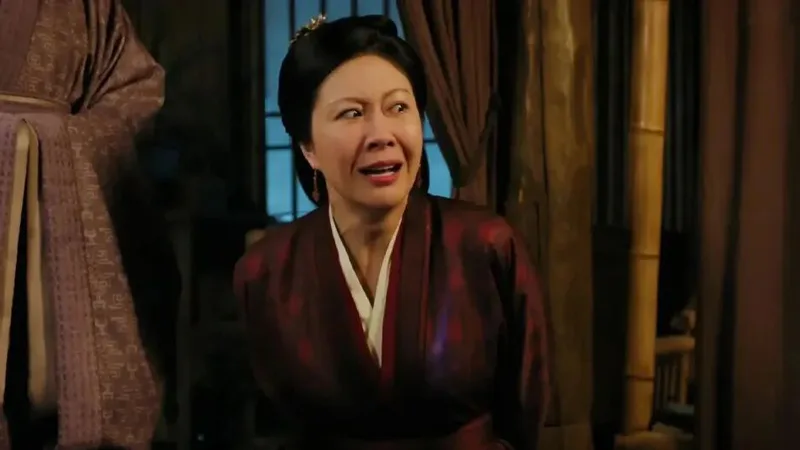
That logic turns on her in the final wine scene. Jun Dai prepares poison for A Chou and waits for the name “Wei Rao” to become hers alone. Bitao (碧桃), a maid she has scarred and treated as a worn tool, switches the cups. Jun Dai drinks her own arrangement. The irony is sharp, but not neat. Wei Heng’e spent years buying her daughter a borrowed glory, then died by that daughter’s hand. Guo Yufeng thought she had cleared away a child, only to learn the jar held a substitute. Zhou Fu tried to hide her daughter in mud to keep her alive; the knife still followed her to the ducal gate.
Bitao’s choice is the smallest act in the plot and the one that ends it. She has no grand speech, no claim to the family name, no future promised by either side. She has only a scar and a memory of being counted as furniture. Jun Dai overlooks her because power often mistakes silence for consent. In one movement, the maid reverses the cup and the story. The poison was meant to make one name disappear; instead, it exposes how many people Jun Dai had already erased to keep that name clean. The final death is not fate. It is the return of a person she refused to see.
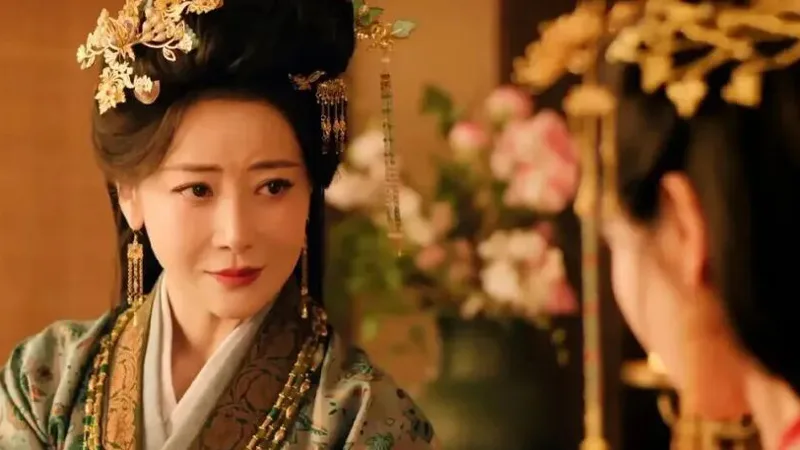
Two women with one face end in opposite weather. A Chou climbs out of dirt and learns to stand on truth. Jun Dai reaches down from silk and cuts away everyone who could expose her, until she leaves one overlooked servant with a reason to choose. The story does not ask who wore Where the Mask Ends better. It asks who could survive being seen. A Chou can. Jun Dai cannot, because her whole life was built to prevent that moment. The fire, the bones, and the poisoned cup all serve one question: what happens when a family saves a child by pretending she never existed?