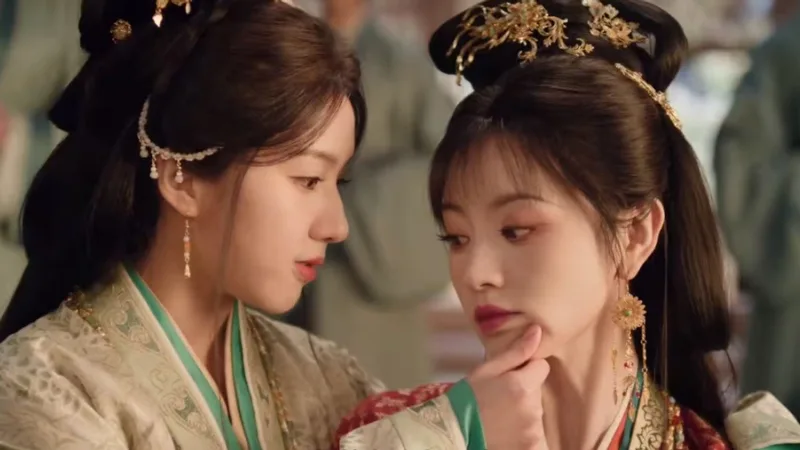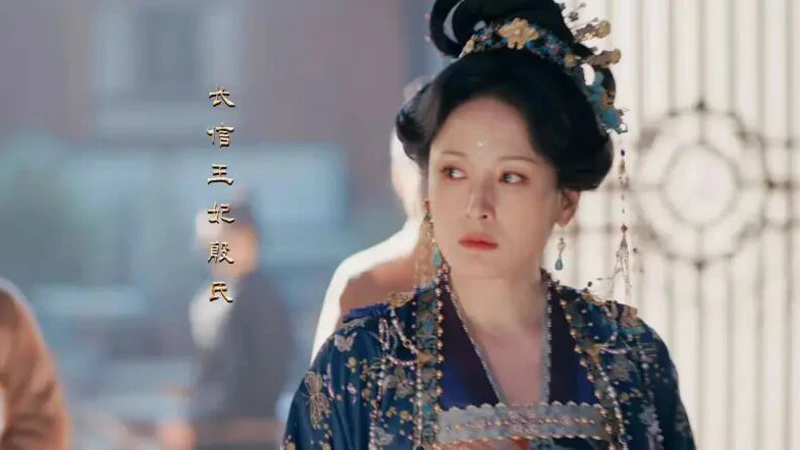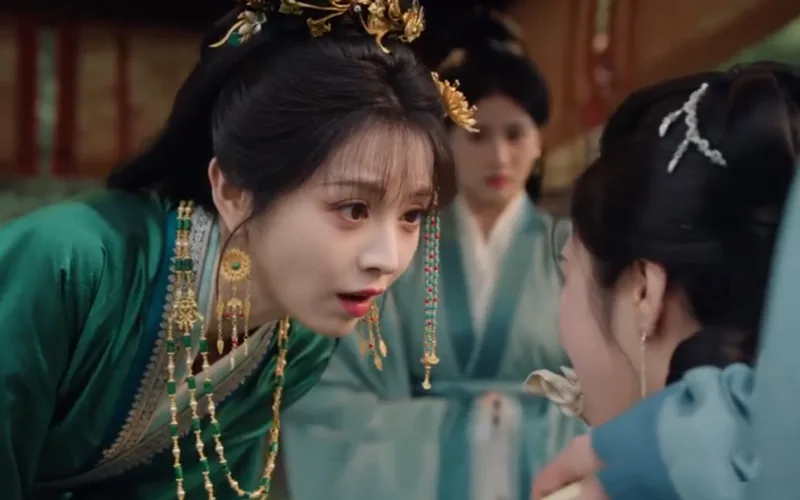
The first four episodes have arrived, and viewers are already arguing about one thing: this show knows the short-drama playbook by heart. It opens with slaps, accusations, fake injuries, and a rush of reversals that barely leave room to breathe. The premise is simple—a cruel noble daughter, a wronged servant, a wounded general, and a marriage used as a weapon. The execution is loud, speedy, and almost proud of its own mess. Some call it addictive; others call it exhausting. Either way, the premiere has done its job. It has made people click, gasp, and complain in the same breath. The show does not pretend to be refined. It wants attention, and it grabs it fast.
Fast Reversals
Before the opening song even settles, the noble daughter has already slapped a maid for flattery that missed the mark. At a Grand Princess’s gathering, she kills two background characters because their words irritate her. Minutes later, she targets a rival’s maid and lures the rival onto a high viewing platform. A push follows. The male lead saves the falling woman, and the scene flips again. To cover her tracks, she wounds herself and her own maid, then claims the victims attacked first. The lie is bold, messy, and almost theatrical. The male lead, a battlefield veteran, spots the trick at once and warns that he will cancel their engagement when he returns.

The ten-minute opener behaves like a trailer that refuses to end. Every few seconds, someone lies, bleeds, or changes sides. The rival is saved, the heroine is exposed, and the engagement becomes a public tug-of-war. She refuses to be discarded quietly. He refuses to be fooled twice. Then news arrives that he has returned from war badly wounded. His grandmother, desperate to save him, obtains an Empress Dowager’s decree: the heroine must marry him to ward off bad luck. It is absurd, efficient, and exactly the kind of cliffhanger that keeps a viewer pinned. The show clearly believes that patience is for slower dramas.
She does not obey. Instead, she teams up with her aunt and finds a woman who looks exactly like her, then sends the lookalike into the marriage in her place. The switch turns the household upside down. Servants whisper, elders scheme, and the wounded general is left staring at a bride who may not be the woman he threatened. The story has barely started, yet it already has enough secrets for a season. That speed is the show’s loudest weapon. It does not ask for patience; it demands attention. Whether that energy can last is another matter, but the first burst is hard to ignore.
Double Trouble
Is the show actually good? That answer is still slippery. Ancient costume romances often start strong and stumble later, so four episodes prove little. What is clear is that the premiere hooks through conflict, not subtlety. The heroine fights her maid, her rival, and even her own sister. One sisterly scene is so exaggerated that it feels like a parody of family drama. You know immediately that this is not a serious historical portrait. It is a noisy, glossy amusement ride. The question is whether the ride can hold up once the initial shocks wear off. For now, curiosity is doing most of the work.

Tian carries the biggest gamble by playing two roles. Wei Rao (魏娆) is a noble daughter kept behind high walls. To outsiders, she seems fragile and gentle; in private, she is arrogant and vicious. After hurting her sister, she stages a hanging attempt and plays the victim, sending her jealous, simple-minded sibling to kneel in the ancestral hall for three days and nights. A Chou (阿丑) comes from the bottom of society. Her gambling father sells her for 300 coins. When a creditor pins her down, she stabs him; after one insult too many, she grabs a wood chopper and ends him.
Neither woman is soft, and that symmetry is the fun part. One wears silk and lies with tears; the other wears rags and answers with steel. A direct clash between them could be worth the wait. The weak spots are obvious, though. Episode one leans hard on personality and shock, while the dialogue often sounds borrowed from older hits. The male lead grips a chin and growls a familiar threat; the servant girl delivers a determined speech about rising above humiliation. Such lines land, but they feel secondhand. Watch it for the pace, the double role, and the shameless chaos—not for fresh writing.