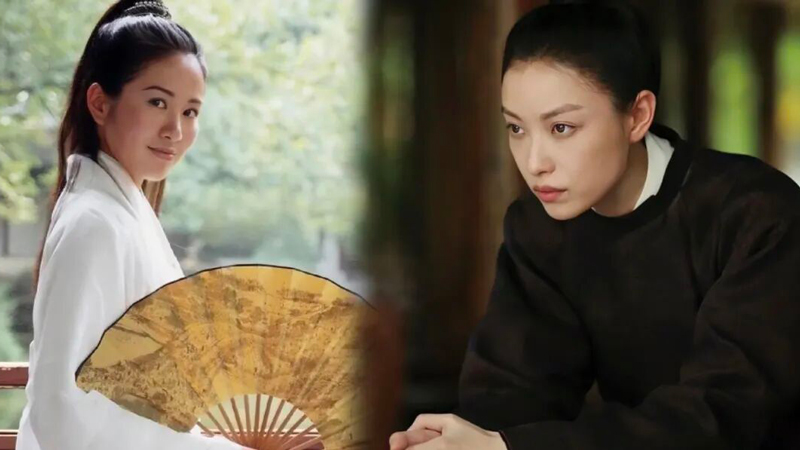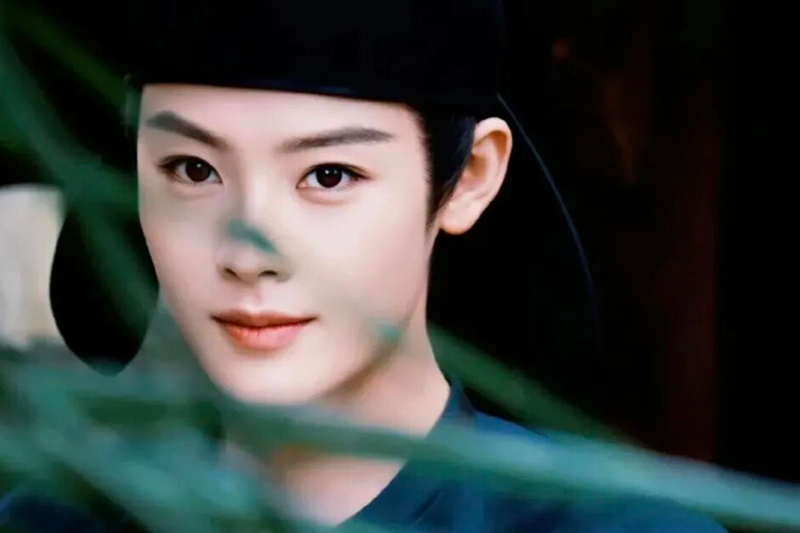
Chen Lijun (陈丽君) has started a new costume drama. Her role, Zhu Guniang (祝姑娘), spends much of the plot dressed as a man, and early comments praise the choice. Fans say few actors can shift between masculine and feminine so easily; the last comparison they mention is Nü Shizi (女世子). But the real question is not whether a camera loves the trick. It is whether a woman could truly pass as a man in old China without being caught. The answer: sometimes, under strict conditions. Costume drama may stretch those conditions, but history gives us clues, limits, and a few surprising exceptions.
Rules and Exceptions
Old rules were not just manners. They were law, family order, and social rank. Men and women had separate clothes, spaces, and duties. The Book of Rites (礼记) says men and women should not wear the same garments. This was not pure moral panic. It was a way to keep boundaries clear. After puberty, bodies differ in voice, hair, walk, and shape. A fake Adam’s apple in a novel might fool a reader, but at normal talking distance it often fails. So disguise worked only in narrow settings: darkness, distance, brief contact, or before a girl’s body had fully changed.
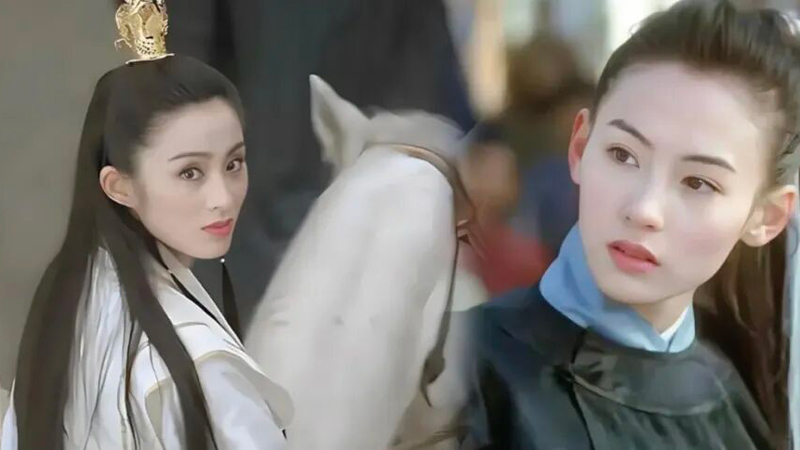
Early examples appear in war. In the Records of the Grand Historian (史记・项羽本纪), Liu Bang (刘邦) escaped while Xiang Yu (项羽) attacked. Liu sent two thousand women out the east gate of Xingyang (荥阳) wearing armor. Chu soldiers rushed at them, and Liu slipped away. It worked because night blurred faces and fear made soldiers react fast. Later, Hua Mulan (花木兰) became the best-known soldier in disguise. The Ballad of Mulan (花木兰) says she bought a horse and took her father’s place. Some scholars call her a folk figure, not a proven record. If she existed, she may have served young, before anyone noticed.
After the Wei, Jin, Southern and Northern Dynasties, Confucian ideas about male and female separation grew stronger. A woman in men’s clothes looked less like a clever hero and more like a threat to order. Historian Lü Simian (吕思勉) argued that women on battlefields were not rare in ancient times; people simply forgot and treated each case as strange. Women such as Liang Hongyu (梁红玉) did fight. Still, fighting is not the same as hiding one’s sex for years. The deepest barrier was mental: a society trained to see gender differences everywhere would hunt for the smallest mismatch.
Tang and Stories
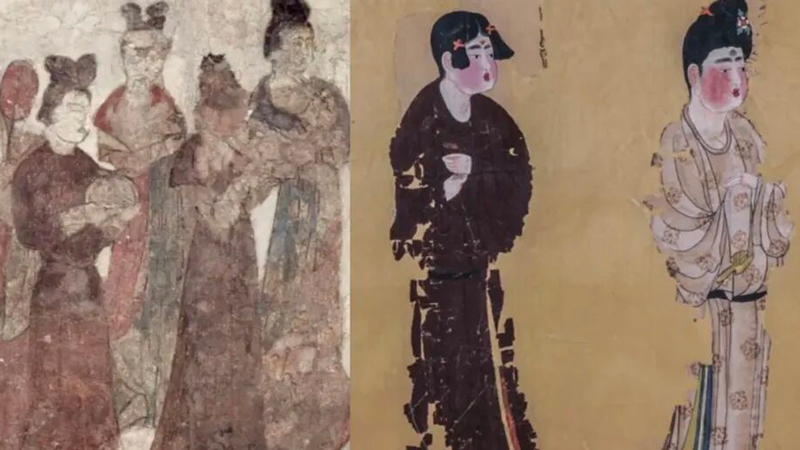
Zhu Guniang (祝姑娘) places its story in the Tang Dynasty. That choice matters. Tang society, especially during Wu Zhou (武周) and the Kaiyuan (开元) era, allowed women to wear men’s clothing in public more often than other periods. Women’s status had improved, and Central Asian fashion added new styles. Ma Gao (马缟) wrote in Zhonghua Gujin Zhu (中华古今注) that early Kaiyuan palace women rode horses in Hu clothing with faces uncovered, and common people copied them. By Tianbao (天宝), some officials’ wives wore men’s boots, robes, and hats. Princess Taiping (太平公主) once dressed as a military officer in a purple robe and jade belt and danced before Emperor Gaozong and Empress Wu. They laughed and asked why she was dressed that way. They did not seem angry.
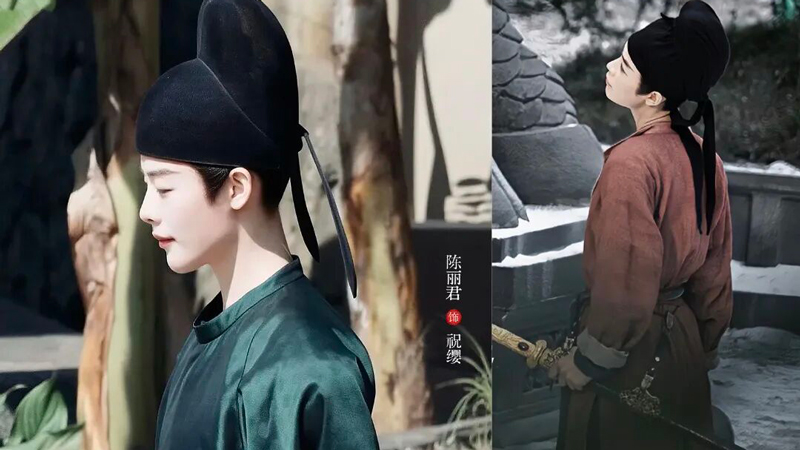
Yet Tang women usually did not fully imitate men. Except for attendants, they rarely wore the male headwrap. They kept their own hairstyles and hairpins. So the era often accepted women in men’s clothes, not women pretending to be men. Literature went further. Northern Dynasties ballads, Tang tales, Song and Yuan story scripts, and Ming and Qing novels all used the disguise plot. Writers used it to imagine a woman who could outdo men. In Slapping the Table in Amazement, Xie Xiao’e (谢小娥) survives disaster, dresses as a man, endures hardship, takes revenge, and keeps her integrity. In Shenghua Meng (生花梦), Feng Yuru (冯玉如) studies military strategy and leads troops like a veteran general.
Another wish was independence. Some women wanted school, travel, or business, not a forced marriage. Zhu Yingtai (祝英台) dresses as a man to study in the Butterfly Lovers (梁祝) story. Huang Shancong (黄善聪) disguises herself to trade. Zhao Ruzi (赵如子) reads until she becomes a learned scholar and refuses to waste her talent on a dull village husband. Meng Lijun in Zaisheng Yuan (再生缘) enters official life as a man. In real life, changing fate by changing clothes was hard. Most story women eventually put the male robe away and return to family duties. Traditional rules still won. Still, those fictional and historical women opened another path. And yes, viewers love to ask: what about toilets, baths, and close quarters? How many days could you last? Which actor gave the most convincing male disguise?
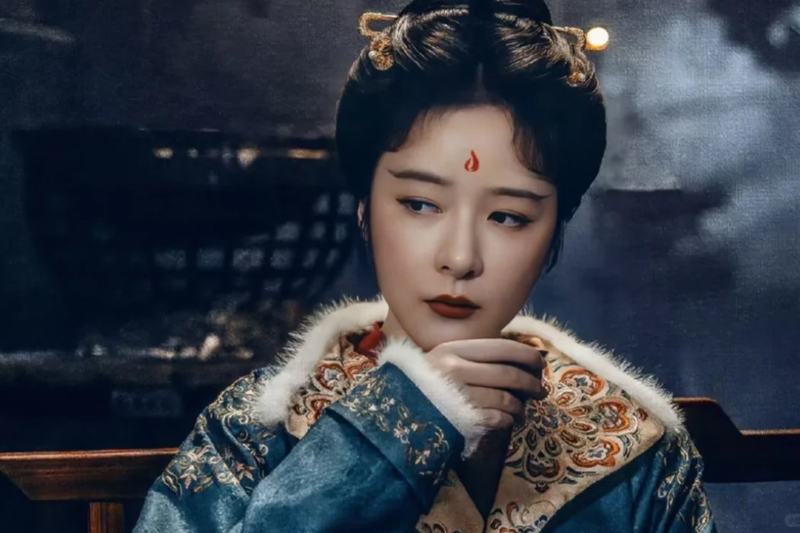
That gap between wish and rule is why the disguise story still works. It gives the audience a puzzle: every close call, every changed voice, every shared room creates tension. A drama can hide the truth with lighting, costumes, and luck. History needed more: youth, distance, darkness, and a society willing not to look too closely. Zhu Guniang may not be a documentary, but it taps into a real fantasy. The fantasy is not simply becoming a man. It is gaining the freedom that men took for granted, even if only for a while.