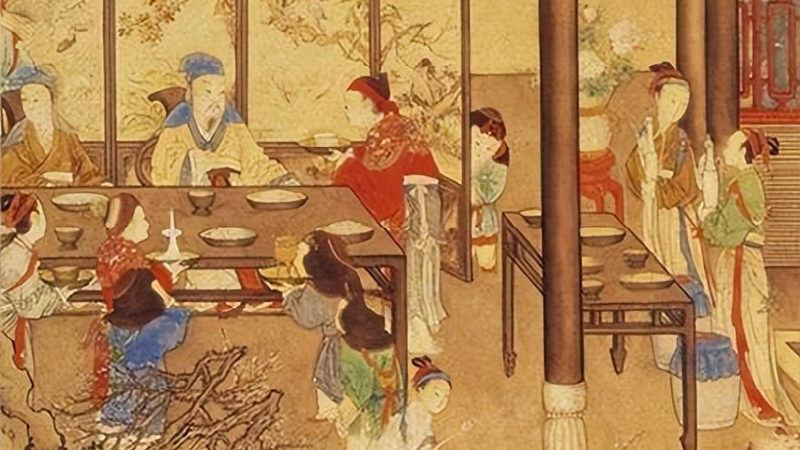
Picture a modern dinner: turn a knob, rinse rice, chop vegetables, and twenty minutes later three dishes and soup sit on the table. Now push the clock back several centuries. A simple meal could consume an entire morning. The difficulty did not come from recipes or fancy ingredients. It came from fuel, fire, water, grain, tools, and human muscle. For people in Tang Dynasty, Song Dynasty, and Ming Dynasty China, cooking was less a domestic routine than a small campaign against exhaustion.
1. Fuel Before Food
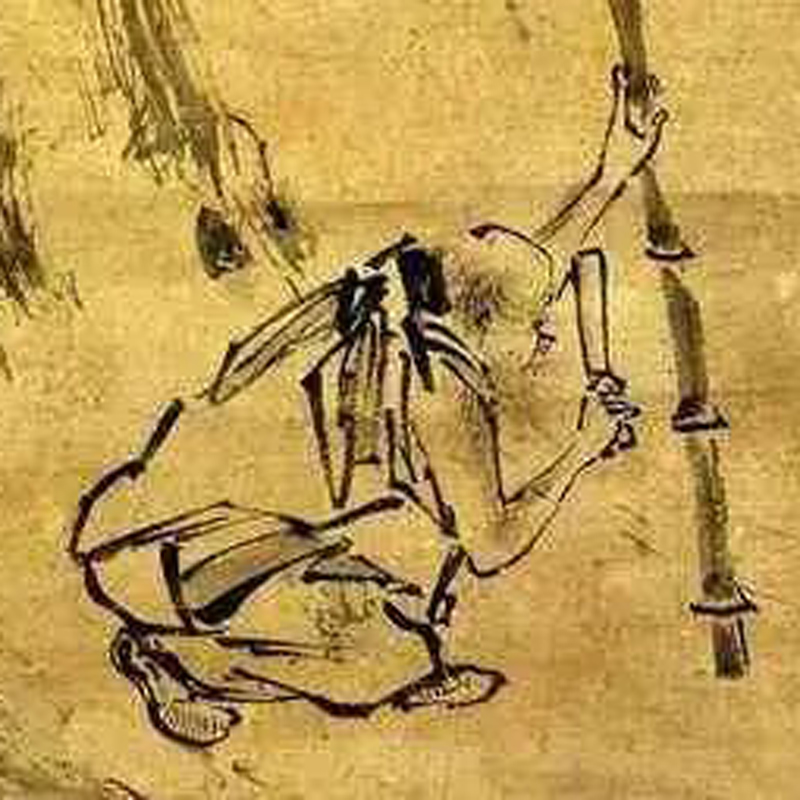
In old Chinese households, wood and charcoal ranked above rice, oil, salt, soy sauce, vinegar, and tea. Without fuel, no fire existed. Without fire, no meal existed. Yet forests were not endless. Growing populations and repeated wars stripped timber from many regions. By the high Tang, huge trees near Chang’an were already scarce. In Song times, heavy cutting reached the Taihang Mountains (太行山) and much of the south. Rural families sometimes chopped mulberry and jujube trees just to keep a stove alive.
City dwellers faced rationing and high prices. The Tang court once limited officials to a daily charcoal allowance; even a fifth-rank officer received only about two jin (斤). Poet Yao He (姚合) complained that firewood was costly in small markets while poor families let their pounding tools sit idle. During Emperor Zhenzong’s (宋真宗) reign, charcoal in Bian Jing (汴京) soared to two hundred coins per weight, and panic buying caused deadly stampedes. Wang Dezhang (王德章) later wrote that firewood, rice, oil, salt, sauce, vinegar, and tea all belonged to other people’s homes.
For many, fuel was harder to secure than food. A family might spend hours gathering twigs, leaves, and straw. Damp wood produced smoke and little heat. Charcoal was a luxury. Cooking therefore began long before anyone touched a pot. The first task was not shopping or slicing; it was searching for something that would burn.
2. Strike a Flame
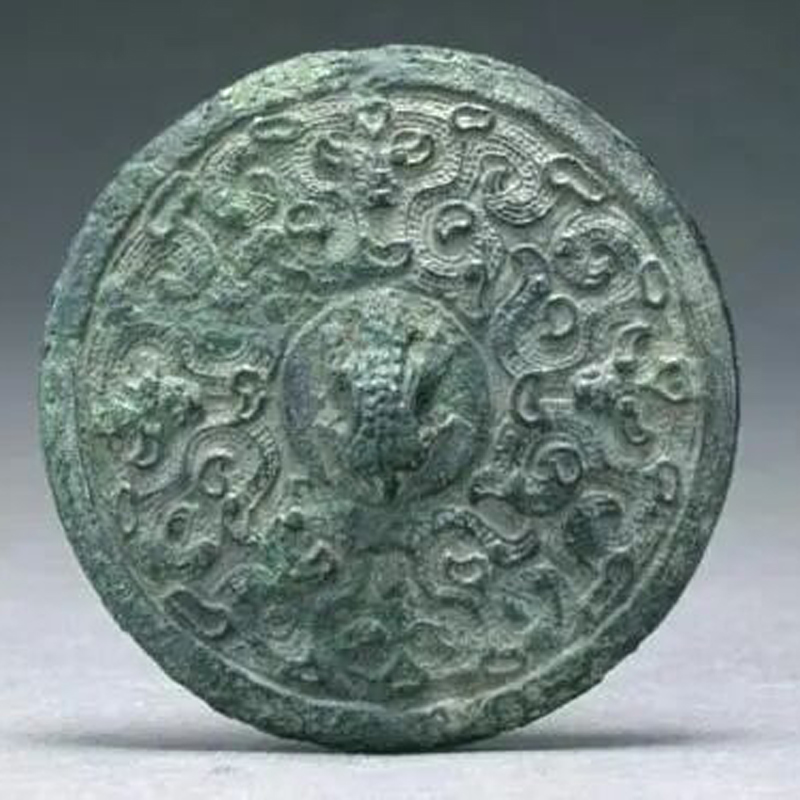
Once fuel arrived, ignition still demanded skill. Lighters and matches did not exist. The Yangsui (阳燧), a concave bronze mirror invented long ago, could focus sunlight into a spark. It sounded elegant, but it required bright sun and endless angle adjustments. Cloudy weather, dusk, or winter shade made the tool useless. Fire was not a push-button convenience; it was a negotiation with sky and season.
Later, people used a fire striker: flint, iron, and tinder. Rain no longer stopped every attempt, but striking a flame remained a craft. Beginners could fail repeatedly. In an ordinary ancient kitchen, starting a fire might take ten to twenty-five minutes. Many households kept embers alive overnight, burying charcoal under ash and reviving it the next morning with dry grass and gentle breath.
If the embers died, the whole ordeal restarted. Yang Jisheng (杨继盛), a Ming official, remembered his poor youth: in winter he drew water himself, and his hands froze to the bucket. He had to breathe on them at the doorway until they loosened. Only then could he begin cooking. Even water, the simplest ingredient, could turn a meal into suffering.
3. Grain Becomes Meal
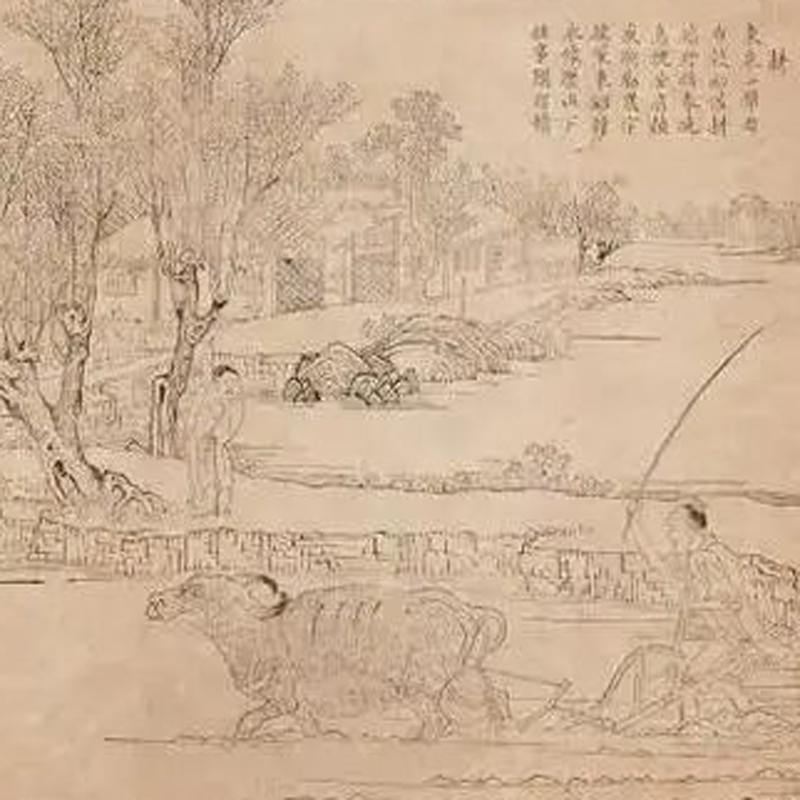
Ancient cooks rarely opened a sack of clean rice or flour. Grain arrived with husks, grit, and stones. The oldest husking tool was a wooden pestle and ground mortar. A person lifted the heavy pestle again and again, crushing grain by main strength. Output was low, and arms grew tired fast. After husking, someone had to winnow the mixture with a basket, letting chaff blow away while heavier kernels fell back.
A treadle pestle used leverage to reduce effort, yet the work remained brutal. Making flour was worse. Turning a millstone demanded steady force and patience. A Tang figurine of a woman pushing a mill shows her face worn and her head tilted from exertion. Stone mills became common only in early imperial times. The shift toward ground flour took centuries of trial, sweat, and sore backs.
Every bowl of rice or noodles therefore carried hidden labor. Before a grain reached the stove, it had been beaten, sifted, soaked, and sometimes ground. The kitchen was not only a place for seasoning. It was a workshop where raw harvest became edible food, and the price was paid in human energy.
4. Cooking and Collapse
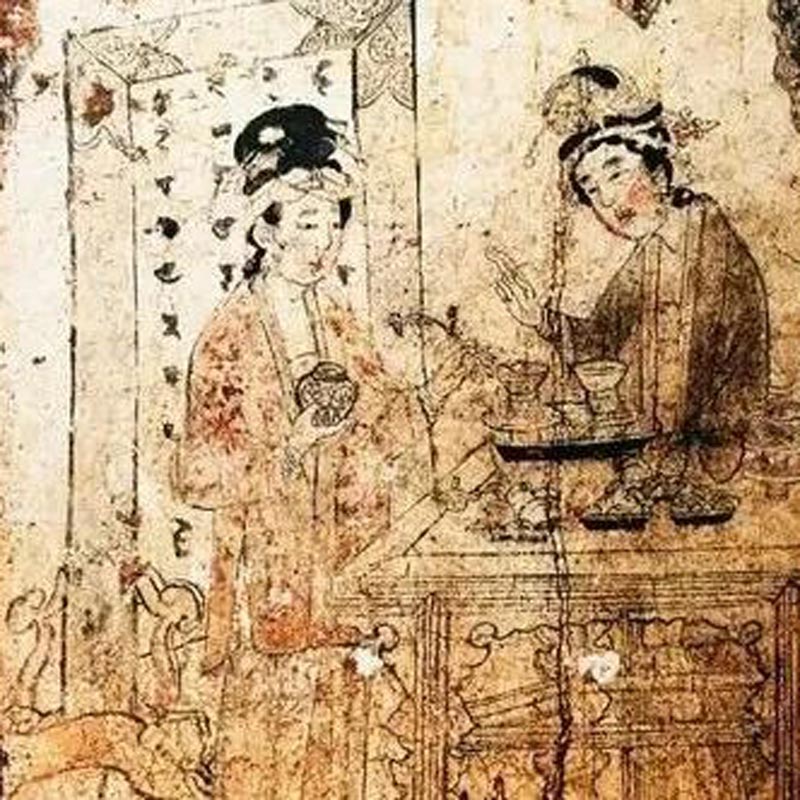
Even with fuel, fire, and grain ready, the menu stayed limited. Early cooks had a cauldron, but they mostly boiled. Stir-frying waited for later centuries. Seasonings were basic, often just scallion and ginger. Common people ate Tangbing (汤饼), a dense unleavened cake that filled the stomach but resisted digestion, or Maifan (麦饭), a rough wheat cake that was hard to swallow.
Meat appeared mostly at festivals. An ordinary family might receive a few bones for soup, and a few oil droplets on the surface could delight everyone. Su Dongpo (苏东坡), exiled to Huangzhou (黄州), could not afford mutton. He chose pork that wealthy people rejected and wrote Ode to Pork (猪肉颂), joking that the rich would not eat it and the poor did not know how to cook it.
A full meal left the cook half spent. A Ming farm woman rose before dawn, struggled to light the stove, pounded rice, washed it, boiled it, and fed the fire while watching the pot. After eating came scrubbing pots without detergent, using wood ash and hot water. Kitchen labor was called humble service for good reason. Without gas, electric cookers, or running water, one meal could feel like a battle. Today’s easy dinner is yesterday’s impossible dream.