Fresh from the editing suite and diving into interviews, The Lost Tomb Reborn (Zang Hai Zhuan) director Cao Yiwen (曹译文) radiates energy discussing the show's global impact. Premiering on May 18th on CCTV-8 and Youku, the drama sparked discussions across 190 regions, igniting fan theories and creative buzz. Cao credits its success to intentional narrative gaps. "We planted 'hooks' and left space for fan creation," he shares. This deliberate openness fueled a dynamic wave of audience participation.
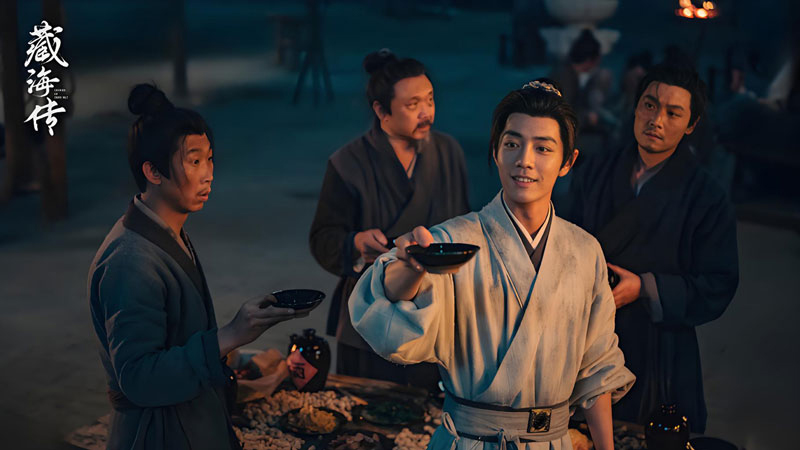
But how did a period drama sustain such fervor? How did protagonist Zang Hai's (藏海) journey captivate millions? Director Cao reveals his approach.
Starring Xiao Zhan (肖战) as Zang Hai, the series avoids flashy revenge tropes. "We focused solely on Zang Hai's fate," Cao states. "His revenge stems from devastating personal loss -the destruction of his innocent childhood. We built his growth meticulously." This meant rejecting overpowered heroes. Despite talents in geomancy (Kanyu) and architecture (Ying Zao), Zang Hai starts as an underdog. "He’s smart, young, inexperienced within brutal feudal power structures. He faces real setbacks."
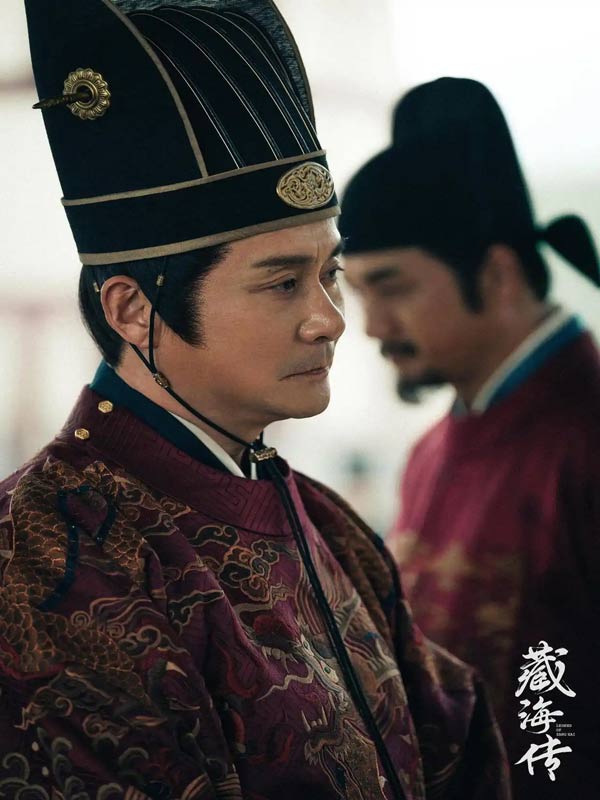
Complexity extends to the villains, notably the fan-dubbed "Skinny Monkeys" (Pi Jin Hou Nan Tuan) – Yang Zhen (杨真), Qu Jiao (瞿蛟), and Chu Huaiming (褚怀明). Cao sees them as facets of the main antagonist, Marquis Pingjin. "They personify his ambition, paranoia, and savagery. Zang Hai must overcome each." He insists villains need conviction. "No simple 'bad guys'. They believe their actions are justified."
He points to the layered history between the Marquis and Chief Eunuch Cao Gonggong. A volatile banquet scene hides painful shared trauma. "That 'old eunuch' insult cut deep," Cao reveals, hinting at sacrifices that warped Cao Gonggong. "He endured immense personal cost to climb the ladder, hoping to help his peers. That betrayal fuels his darkness."
Authenticity defined the Ming Dynasty setting. Cao and his team conducted extensive research, integrating nearly 20 elements of Intangible Cultural Heritage. "We discovered incredible arts like Zhejiang's Firework Puppetry. It was crucial to weave them in organically."
Episode 3 features this rare art at the Pillow Pavilion. "We collaborated with inheritors to recreate authentic puppets," Cao notes. "It wasn't just decoration; it showed the era's vibrant culture."
Episode 22 features a stunning sequence: Zang Hai visualizes foes as shadow puppets. "We needed a poetic way to show his complex scheming," Cao explains. Animal metaphors emerged: a tiger for the Marquis (ferocity and patience), a centipede for Cao Gonggong (venom and his name 'Gong'), and an eagle for the elusive "Third Person" (hidden surveillance).Episode 27 delivers another iconic moment: Cao Gonggong (Xing Minshan) beats drums to Kunqu Opera while orchestrating brutality. "Xing Minshan suggested using Kunqu," says Cao. "The contrast – elegant music framing ruthless orders-revealed the character's profound psychological distortion under power." Parallel editing with chaotic battle scenes, scored by Hu Xiaoou, created visceral tension.
Portraying Zang Hai required navigating trauma and cunning. Cao praises Xiao Zhan’s subtlety. "He mastered using pauses and silence. This restraint defined the character’s depth."
One scene exemplifies this: Zang Hai shares a tense meal with mentor Gao Ming, suspecting betrayal. "He longs for honesty, gazes hopeful, tone light, while Gao Ming evades," Cao describes. The unspoken conflict vibrates. Later, private tears feel raw and real. Cao filmed pivotal late episodes last. "Immersion was key. The actors needed to live their journeys."
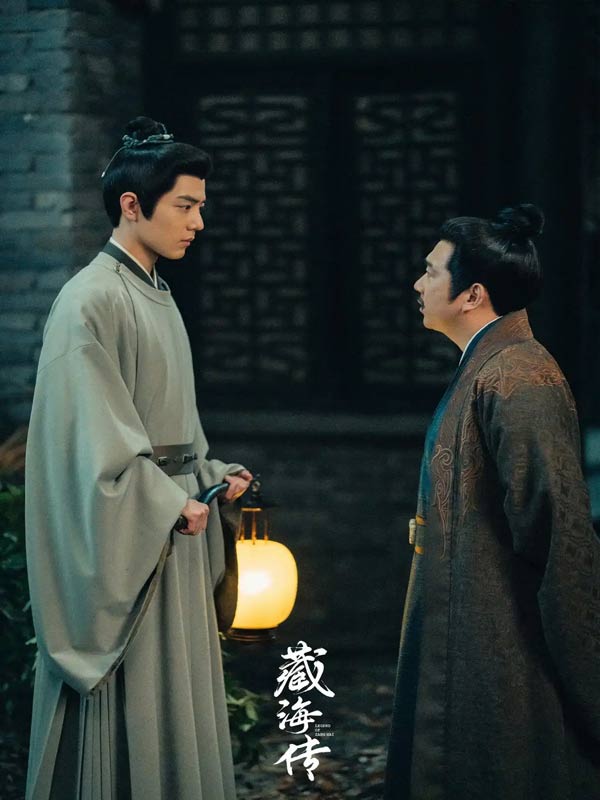
The climax underscores meticulous writing. Echoing an early lesson-"True power lies in using truth to deceive"-Zang Hai outwits his final enemy through authenticity. "Every word required precision," Cao stresses. "Too much hinting, he'd be caught; too little feels false." The confrontation crackles, proving Cao's core idea: "The villain dismissed human bonds as weakness. Yet Zang Hai triumphed by wielding that very power." Snow scenes initially highlighted for visuals, served narrative weight. After a crucial prison confrontation, Zang Hai walks alone in falling snow. "The heaviness reflects his exhaustion," Cao observes. "Vengeance exacts a toll. The snow amplifies that bone-deep weariness."