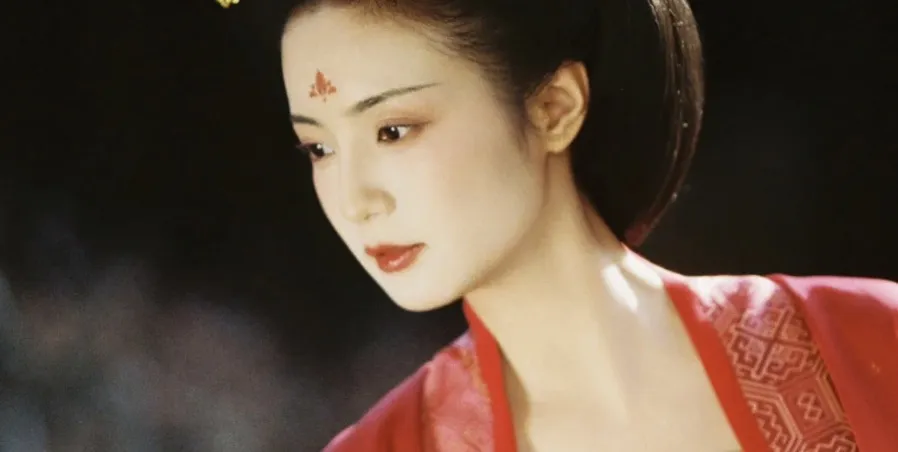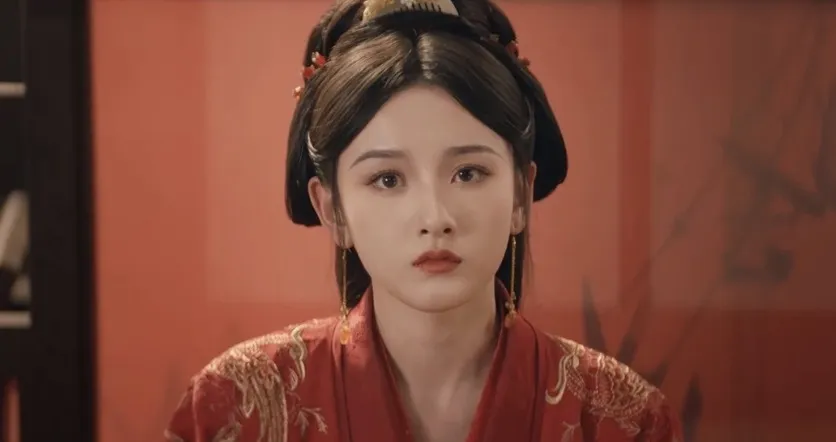
Song Zuer's eyebrows are truly iconic! In ancient - costume TV dramas, her Han - style makeup and styling as Xiao Qiao have once again won praise from netizens. Chinese classical eyebrow shapes are incredibly appealing! Let me first state that this kind of eyebrow shape is called a "curved eyebrow" in ancient times. It's one of the traditional eyebrow shapes that enjoyed the longest popularity in ancient China.
The main features of the curved eyebrow are thick at the brow head and thin at the brow tail. The brow head gently rises to the brow peak and then smoothly falls. The boundary of the eyebrow shape is indistinct, and the color is like a stroke of ink, lighter at the brow head and darker at the brow tail, exuding a sense of fragility.
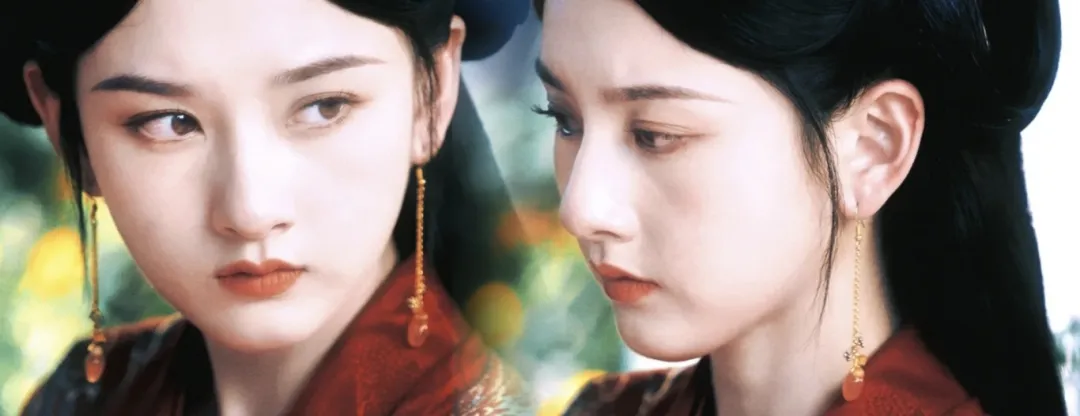
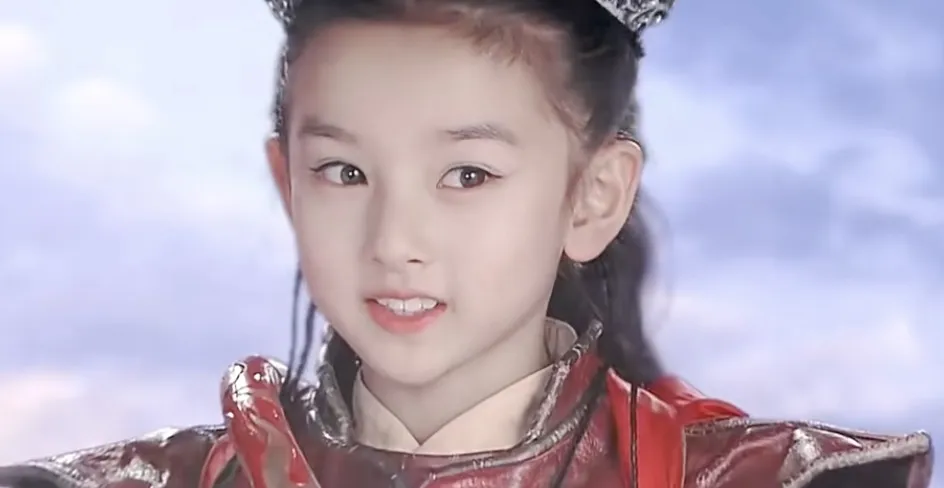
Some netizens dug out Song Zuer's childhood look as Nezha, which also had thick curved eyebrows. They joked that even her eyebrows have grown proportionally! Now, about curved eyebrows, it's a general term. Any eyebrows with a curve can be called "curved eyebrows". Logically, the classic willow eyebrows in history are also a type of curved eyebrows. The willow eyebrows are thinner and longer than the common curved eyebrows and got their name because they resemble willow leaves. They were well - suited to every dynasty since the Han Dynasty. Many female figures in Han Dynasty figurines have such willow and curved eyebrows.
Effect on Face Shape
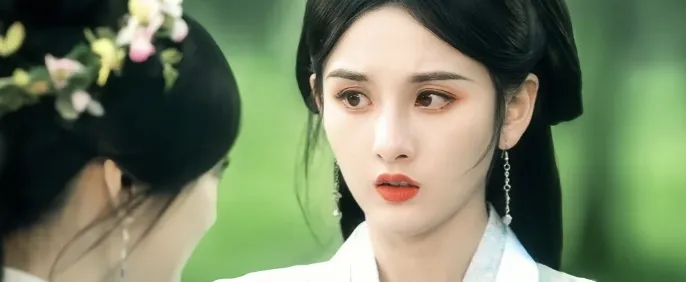
Curved eyebrows are not only curved but also long. When a person's facial features are too close together, the horizontal extension of long and thin eyebrows can widen the distance, similar to the effect of extending the eyeliner. This makes the overall face shape more harmonious and grand. Since Song Zuer has a small face, overly thick or highly curved eyebrows would make her face look smaller and more delicate. However, the moderate curved eyebrows are just right.
Versatility of Curved Eyebrows
This eyebrow shape can be heroic or gentle, combining both toughness and tenderness. For example, Liu Shishi's curved eyebrows in a picture have a closer brow head, making her look more heroic. In contrast, Song Zuer's curved eyebrows with a wider distance between the brow heads look more relaxed and gentle.

Comparatively, the curved eyebrows in the Han and Jin Dynasties were flatter and more gentle, showing the elegance of a well - bred young lady. In the Tang Dynasty, there were more types of curved eyebrows with different curves and thicknesses, showing more diversity in eyebrow makeup.
In the Song and Ming Dynasties, the curved eyebrows were more restrained compared to those in the Tang Dynasty. They simplified the openness and complexity of the Tang Dynasty and gave birth to eyebrow shapes like the distant mountain eyebrows, continuous delicate eyebrows, and crescent - shaped eyebrows. They have a simple yet delicate charm, returning to the posture and temperament of a well - bred young lady.
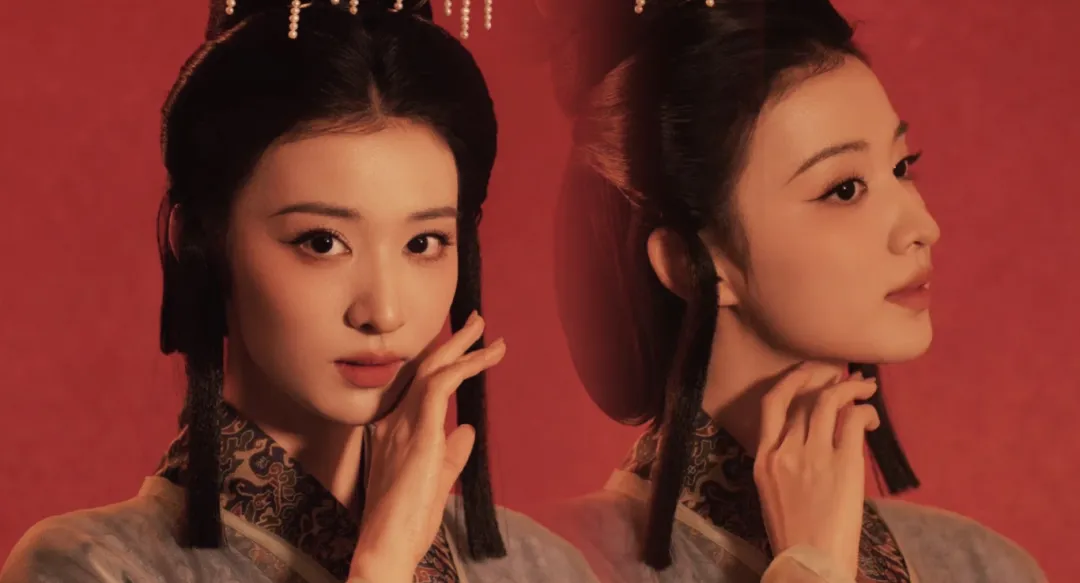
In some new Chinese - style makeup and styling today, we can still see the shadow of similar eyebrow shapes. Chinese - style eyebrows fit the contour of the face, looking relaxed and not overly emphasizing the line contour or deliberately highlighting the brow peak. This makes the makeup look more gentle and elegant, which is also an important reason why Chinese - style makeup gives people a sense of closeness. This gently curved eyebrow shape suits most Chinese face shapes and has a high tolerance. In modern makeup, we can also cleverly use a similar curved - eyebrow design to add charm to our makeup. After all, the ancestors' fashion not only dates back to ancient times but also reflects in the present. Using it is a better way of inheritance.