
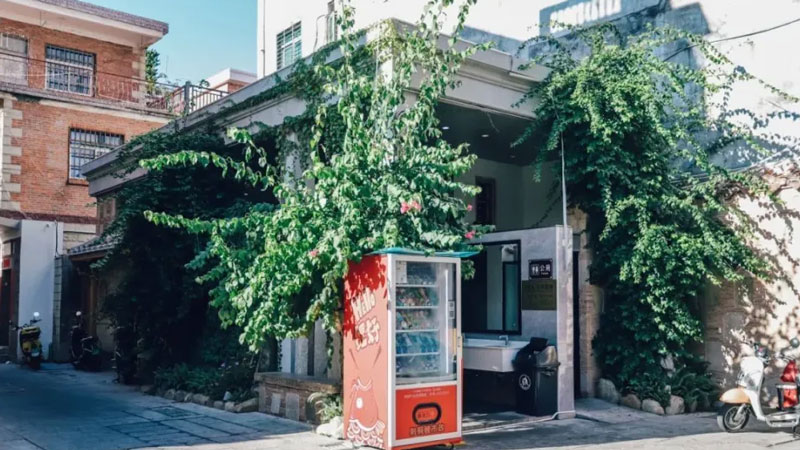
Nestled within the ancient alleys of Quanzhou, a city steeped in maritime Silk Road history, an unexpected transformation is unfolding. Far from mundane utilities, 11 newly renovated public restrooms have emerged as cultural landmarks, seamlessly blending heritage craftsmanship with modern functionality. These structures—scattered across historical districts like Kui Xia Lane and Guan Dong Lane—reimagine urban sanitation as a dialogue between past and present, proving that even the most utilitarian spaces can embody a city’s soul.
Architectural Poetry in Brick and Stone
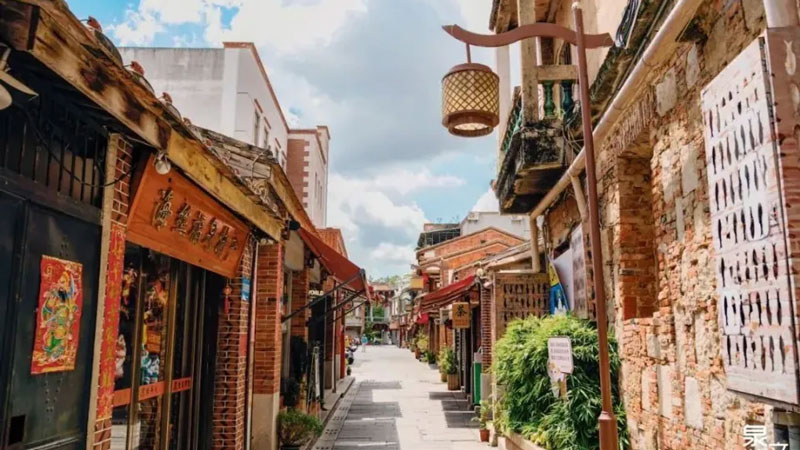
The bathrooms in Quanzhou pay tribute to the traditional culture of Fujian Province with exquisite craftsmanship. In Kuaijiang Lane, the walls display "out brick into stone", an ancient technique that embeds recycled bricks and local granite into the earthen walls.Each irregular pattern tells a story of demolition and rebirth, with materials sourced from dismantled ancestral homes—their weathered surfaces bearing witness to centuries of history.
Nearby, Guan Dong Lane’s facility features the iconic "yan wei ji" (燕尾脊, swallowtail ridge), a curved roof silhouette symbolizing Minnan architecture. Bamboo lattices adorn its facade, casting dappled shadows that merge privacy with ventilation. This design transcends practicality: sunlight filtering through bamboo creates a meditative interplay of light and texture, inviting visitors to experience nature’s rhythm even in transient moments.
Chessboard Garden’s restroom fuses tradition with innovation. While its base retains "out brick into stone" textures, emerald-stained glass windows replace wooden lattices. Sunlight transforms these panes into kaleidoscopic projections, juxtaposing earthly stone with celestial hues—a metaphor for Quanzhou’s bridge across millennia.
Xin Lu Cheng’s structure channels Nanyang (Southeast Asian) influences. Mustard-yellow walls, Corinthian columns, and arched windows reflect the eclectic styles brought home by overseas Chinese. Floral carvings on window pediments whisper of diaspora journeys, offering nostalgic familiarity to returning descendants.
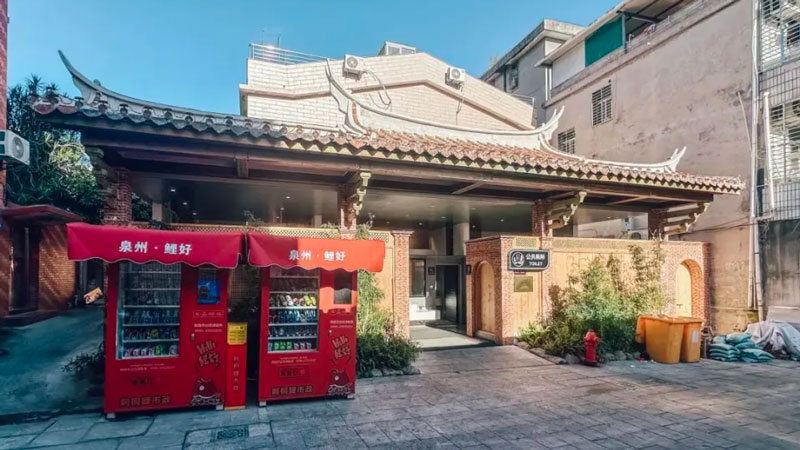
Beyond aesthetics, these spaces prioritize inclusivity and sustainability. All 11 restrooms feature barrier-free facilities—spacious stalls, emergency buttons, and lowered sinks—catering seamlessly to mobility-impaired visitors.
Engineered ventilation systems draw from Minnan architectural wisdom. "Top-bottom airflow" designs create natural drafts, minimizing odors without energy consumption. This eco-conscious approach mirrors Quanzhou’s commitment to livable, low-impact urbanism.
Responding to tourist influxes, gender-specific stalls were recalibrated to reduce queues during peak hours. Meanwhile, 13 new solar-powered mobile units—deployed in alleys like Cheng Tian Lane—boast automated lighting and microbial waste treatment. These octagonal pods, fitted with motion-flush systems, exemplify how smart technology can harmonize with heritage landscapes.
A Testament to Civic Care
The restrooms’ entrances double as pocket gardens. At Yi Quan Gong Lane,"Xi Sha"(洗沙, sand-washing) walls—textured surfaces of cement, sand, and crushed shells—frame miniature landscapes. These curated niches, adorned with native plants, transform thresholds into serene vignettes, softening the transition from bustling streets to quiet respite.
For Quanzhou’s residents, these spaces signify deeper civic pride. As one tourism official notes, "They’ve evolved from mere utilities to cultural ambassadors." Each site, whether showcasing bamboo artistry or Nanyang flourishes, distills the city’s identity into tangible form—proving that dignity and beauty belong in every corner of urban life.
Tourists, too, discover unexpected delight. A visitor might pause at Guan Dong Lane, captivated by swallows gliding past bamboo-framed skylines, or ponder Chessboard Garden’s stained-glass prisms dancing on stone. These moments crystallize Quanzhou’s ethos: that heritage thrives not in museums alone, but in the lived poetry of everyday spaces.
The Unseen Threads of Urban Poetry
Quanzhou’s restroom renaissance reveals a profound truth: cities breathe through the harmony of form and function. Here, reclaimed bricks and microbial tech coexist; swallows soar over bamboo lattices; diaspora memories echo in arched windows. These structures, humble yet heroic, stitch cultural legacy into the fabric of modern life—one thoughtful, inclusive, and beautiful space at a time.