Article
Search results:
-
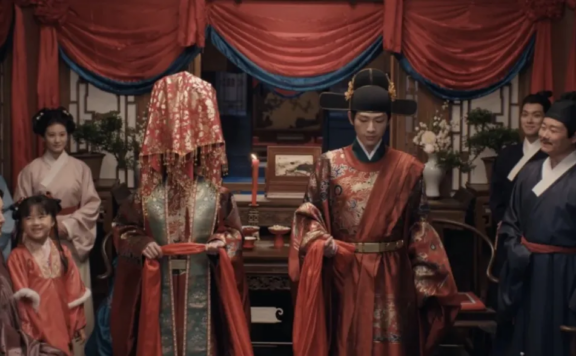
Why Did the Ancients Prefer to Hold Weddings at Night?
Nowadays, many people hold their weddings at noon, and some even insist on finishing before 12:00. However, in ancient times, weddings were usually held at night, and this is often shown in well - made ancient costume dramas. Is there any special significance that we don't know? When faced with such questions, many people around us may be informed that weddings were formerly called "hun li" (昏礼). Since ancient people often held weddings at dusk, it was named so. But this seems to just replace one conclusion with another, without explaining why weddings were held at dusk or close to night. Let me state the conclusion first. There are two main reasons for holding weddings at night: one is related to the theory of yin and yang and the five elements; the other is the evolution of the custom of bride - abduction. Now let's elaborate. The Theory of Yin and Yang and the Five Elements Since men belong to yang and women belong to yin, the intersection of yin and yang is "hun" (昏). According to "The Book of Rites", "A man takes a wife at dusk. Since a woman belongs to yin, it is called 'hun' (marriage)." Here,… -
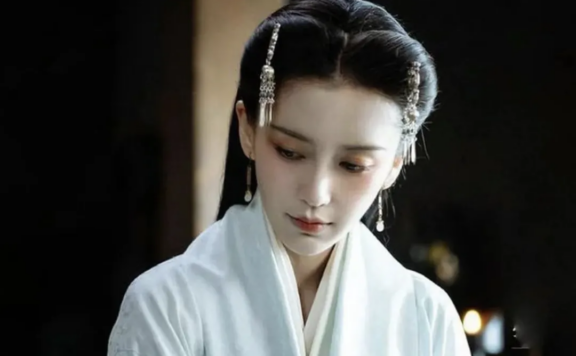
Why Do Han Dynasty Cdramas Feature Small Lips?
In ancient Chinese dramas inspired by the Han Dynasty style, it's common to see that women regarded small lips as beautiful. Even in the styling of Song Zuer in the drama Zhe Yao, netizens exclaimed that Song's small lips are indeed suitable for Han - Dynasty women. Is it really the case? First, the conclusion: Han - Dynasty women generally considered small lips beautiful. Even if they didn't have small lips originally, they would paint them to look small. The makeup technique was to first apply white powder to cover the original lip color, and then use lip rouge to draw a round lip shape. The larger ones were like cherries, the smaller ones were like beads, or just one - circle smaller than the original lip shape. So this way of painting small lips is also called "dotting the lips". However, it's not absolute, and there was also the full - lip makeup method. This lip shape was generally small, creating a sense of hierarchy in the lip makeup, making the otherwise simple makeup more memorable and also reflecting the gentle personality of Han - Dynasty women. The strong covering ability of the white powder allowed the lip shape… -
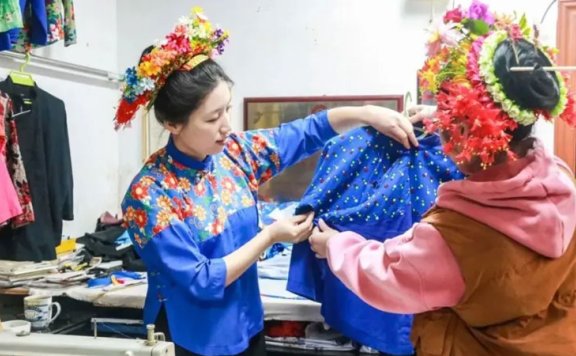
The Hairpin Flower Enclosure Captures the Elegance of a Millennium
The salty breeze carries the scent of jasmine and the sea through the ancient lanes of Xunpu Village in Quanzhou, Fujian. Here, amidst houses adorned with oyster shells, a vibrant cultural ritual has transformed into a global tourism phenomenon. Visitors from across China and beyond are drawn not just to observe, but to become part of the living heritage, adorning their hair with elaborate crowns of fresh blooms known as Zanhuawei. This once-intimate custom, deeply rooted in the lives of Xunpu women, now offers travelers a unique, immersive passport into centuries of tradition, turning quiet village streets into bustling open-air studios where history is worn proudly, one flower at a time. Petals Through Time Zanhuawei is far more than an aesthetic accessory; it’s the vibrant heart of theXunpu women’s intangible cultural heritage, recognized nationally in 2008. For generations, Xunpu women have meticulously pinned fresh flowers – jasmine, magnolias, chrysanthemums – into their hair as a daily ritual and a symbol of joy, resilience, and connection to the sea. This practice evolved from heartfelt traditions where flowers were exchanged as precious gifts during celebrations and significant life events. The intricate hairstyle, anchored by a distinctive circular bun secured with bone or… -

Classic Two-day Tour Route of Quanzhou Ancient City
Stepping into Quanzhou is like entering a living theater where history and modernity dance in harmony. As a former hub of the world's maritime trade and the eastern starting point of the Maritime Silk Road, this ancient port city in China's Fujian province offers a captivating blend of cultural heritage, vibrant street life, and culinary delights. With its UNESCO World Heritage status, featuring 22 sites that narrate tales from the Song and Yuan dynasties, Quanzhou invites travelers on an immersive two-day adventure. Wander through centuries-old temples, bustling markets, and serene alleys, all while riding the iconic "little white" electric carts that whisk you between landmarks. Whether you're a history buff, a foodie, or a seeker of tranquility, this compact yet rich itinerary promises unforgettable moments—from dawn prayers at Taoist shrines to twilight feasts under lantern-lit skies. Embrace the city's rhythm, where every corner reveals stories of emperors, traders, and artisans, making it a perfect escape for a short getaway that feels timeless and transformative. Historic Landmarks Explored Begin your journey by arriving at Quanzhou Jinjiang International Airport or the high-speed rail station, easily accessible by public buses that drop you in the heart of the ancient city. Check into one… -

Guangxi Unveiled: Nature's Stage with Inspirations of Liu Sanjie
Guangxi, nestled in southern China, borders the vibrant Guangdong-Hong Kong-Macao region and Vietnam, boasting China's largest ethnic minority population. This land of 240,000 square kilometers is a tapestry of 12 indigenous groups living in harmony, where world-class natural wonders meet millennia-old cultural legacies. With 2025 designated as the Guangxi Tourism Year, over 800 cultural and leisure activities unfold annually, inviting travelers to explore through scenic trails, ancient relics, festive celebrations, folk songs, and culinary delights. As the seasons shift, Guangxi's allure shines brightest in its dramatic landscapes and cultural spectacles, echoing the timeless Inspirations of Liu Sanjie (印象·刘三姐) — a renowned live-action show that brings local legends to life amid the karst mountains and flowing rivers. From lush forests to serene wellness havens, every journey here promises unforgettable adventures and heartfelt hospitality. Exploring Scenic Wonders Discover Guangxi's breathtaking natural beauty on a journey through its iconic karst formations and cascading waterfalls. Begin in Nanning, the "Green City," where towering skyscrapers blend with verdant canopies. Stroll through the historic Yongzhou Old Town, admiring the preserved arcades and bustling shops that reflect a blend of old and new. As dusk falls, embark on a cruise along the Yong River to witness the… -
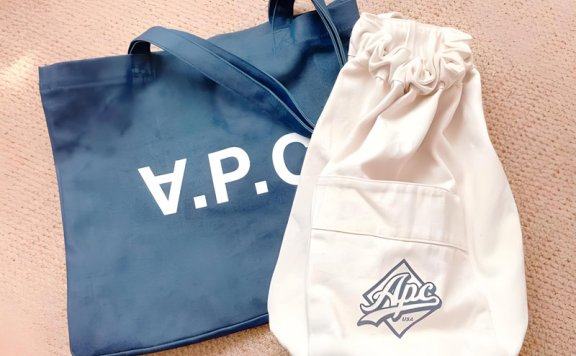
Canvas Bag: A Popular Fashion Item
That unassuming canvas tote slung over your shoulder isn’t just carrying your essentials—it’s rewriting fashion’s rulebook. Once confined to art galleries and indie bookshops, these humble carriers now stride confidently down metropolitan streets and Instagram feeds. They reject luxury branding, champion sustainability, and broadcast individuality through bold prints and minimalist silhouettes. In an era of curated aesthetics, canvas bags offer authenticity—a tactile rebellion against fast fashion’s excess. Canvas Totes A decade ago, canvas totes signaled underground credibility—the unofficial uniform of art students and thrift-store regulars. Their migration from fringe to mainstream began when social platforms like Instagram transformed them into viral style statements. Film festival merch bags and museum collaborations became instant collectibles, merging cultural cachet with everyday utility. Celebrity sightings accelerated the shift. When A-listers traded designer purses for souvenir-laden canvas sacks during travel shows, they validated the trend’s practicality and charm. Suddenly, "unpolished" became aspirational. The bag’s journey mirrors a broader cultural pivot: where status once whispered through logos, it now shouts via curated authenticity. Prints as Personality What elevates canvas beyond mere function? Its canvas becomes a billboard for self-expression. A Klimt reproduction, a line of Sylvia Plath poetry, or a protest slogan—each print serves as a… -
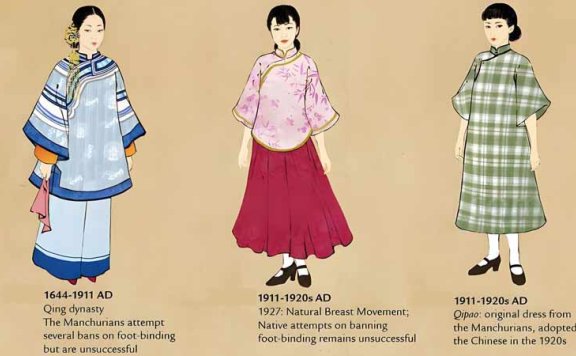
Threads Through Time: How Ancient Dynasties Would Style Modern Streets
Imagine silk-clad scholars from the Wei-Jin period stepping onto a bustling high-speed rail platform, or Tang dynasty noblewomen browsing a sleek concept store. China's sartorial legacy, spanning millennia from the understated elegance praised in the Book of Songs (诗经) to the dazzling Fashion Makeup (时世妆) of the High Tang, possesses an enduring vitality. Far from being relics confined to museums, the core design philosophies – the ethereal drapery of Wei-Jin guīyī (袿衣), the flattering lines of Song bèizi (褙子), the intricate pleating of Ming horse-face skirts (马面裙, mǎmiàn qún) – are experiencing a vibrant renaissance, seamlessly woven into the fabric of contemporary global fashion. This isn't mere revival; it's a dynamic dialogue where whispers from ancient looms inspire cutting-edge design, proving that true style transcends the confines of any single era. The flowing sleeves and structured silhouettes of the past are finding fresh expression on today’s catwalks, city sidewalks, and digital feeds, becoming powerful emblems of cultural confidence and innovative aesthetics. Wei-Jin: Ethereal Flow Reimagined The Wei-Jin period (220-420 AD) prized transcendence and natural grace, reflected in the iconic guīyī. This garment evolved from the deep robe (深衣, shēnyī), distinguished by its dramatic guī (圭) shaped fabric panels and trailing… -
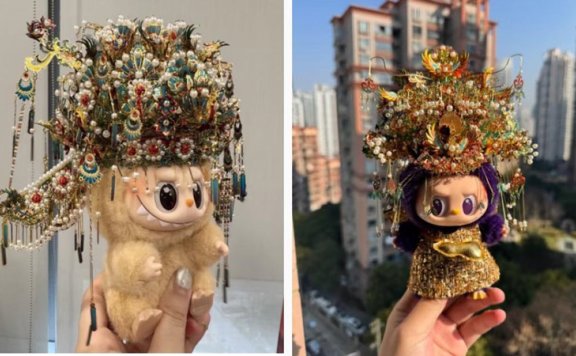
Why Labubu's Crown Outshines Royalty?
"Wait... did Labubu just become queen?" "Is this a coronation?" This might sound like a fever dream to anyone unfamiliar with China's current toy scene, but yes—Labubu, the mischievous little vinyl gremlin from Pop Mart, is now the proud owner of a collection of handmade Chinese imperial crowns. We're talking intricate, blinged-out headdresses inspired by historical palace dramas like Empresses in the Palace—crafted not by costume designers, but by DIY-loving fans with way too much patience and a healthy dose of imperial obsession. Let's back up. The Toy Queen Rises Pop Mart's Labubu has long been a favorite among Chinese collectors. But lately, the fandom has taken a sharp turn toward Qing dynasty cosplay. Why? Because someone, somewhere, realized the elaborate metal puzzle sets from a local brand called Piececool—originally marketed as romantic wedding-themed crafts—fit Labubu's rubbery little head perfectly. And when we say "elaborate," we mean hand-assembled metal pieces smaller than a pinky nail, forming full-on phoenix crowns (a traditional Chinese bridal accessory, often seen in palace dramas). Can't afford the real Qing dynasty phoenix crown on display at the National Museum of China? No worries. Just spend ¥339 (about $45) and a few late nights, and you too… -
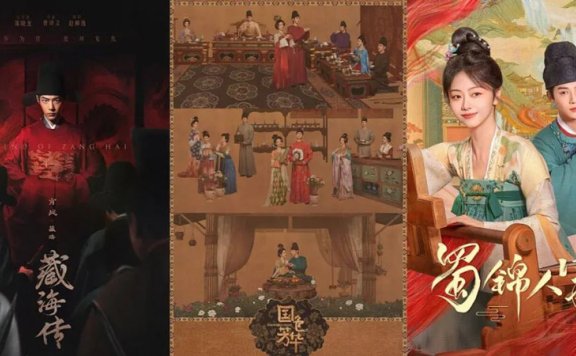
Who's Truly Honoring Tradition in Chinese Costume Dramas?
Integrating traditional culture into historical dramas isn't new. But more and more recent productions are going beyond aesthetics—embedding cultural heritage into the storylines themselves. Take Legend of Zang Hai (藏海传), a recent release that weaves an intricate political tale around the ancient art of geomantic architecture, or kanyu (堪舆营造)—a feng shui-based approach to site planning in traditional Chinese construction. And this is far from an isolated case. In A Dream of Splendor (梦华录), Song dynasty tea culture is not just a visual garnish—it defines the heroine Zhao Pan'er's livelihood and values. Similarly, The Scent of Time (为有暗香来) showcases the traditional art of herbal perfumery, Flourished Peony (国色芳华) explores plant-based fragrance making, and Brocade Odessey (蜀锦人家) dives into Sichuan's iconic brocade weaving. And more of these culture-driven dramas are in the pipeline. Could this be a meaningful evolution in the genre? As traditional Chinese culture continues gaining mainstream appeal, what should period dramas aim to achieve in order to truly tell cultural stories well? Why Does It Feel So Right? The fusion of traditional culture and historical drama isn't exactly groundbreaking—it's just finally being taken seriously. The first phase of this integration largely involved the adoption of Eastern aesthetics across costumes,… -
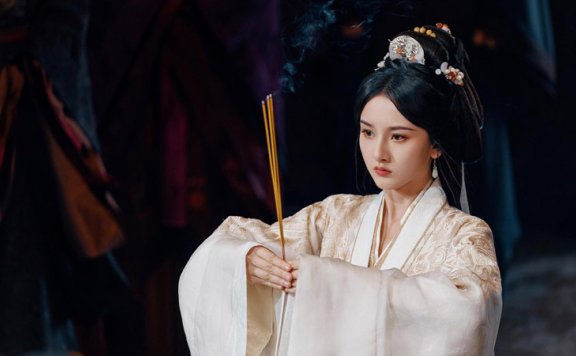
Top 5 Must-Watch Song Zuer's Historical & Fantasy Series
Song Zuer's journey—beginning as a fiery child deity in 2009 and maturing into nuanced historical heroines—offers a unique lens through which to explore C-drama's shifting landscapes. I've curated her most iconic roles that showcase her evolution from child star to versatile leading lady. Here are 5 masterpieces blending visual poetry and storytelling brilliance—perfect for historical/fantasy lovers! The Demon Hunter's Romance 无忧渡 Aired: April 12, 2025 Period: Fictional Tang-dynasty-inspired world with human-yao (supernatural beings) coexistence Genres: Xianxia, romantic fantasy, mystery Main Roles: Song Zuer (Banxia), Allen Ren (Xuanye) Adapted From: Novel Banxia by Banming Ban'ai In a Tang Dynasty-inspired realm fractured by mutual distrust between humans and yao (妖, nature spirits), Banxia is an outcast village girl whose ability to perceive spirits brands her a "cursed seer." Her path collides with Xuanye, a disillusioned demon hunter enforcing the Celestial Ministry's brutal purge of rogue yao. When a series of spirit-related disasters threatens both realms—a plague of nightmare-consuming Mengmo (梦魔) in farming villages, and spectral assassins targeting human officials—they form a reluctant pact to investigate. Their quest uncovers a darker truth: a primordial void entity is manipulating historical human-yao resentments to trigger a war. Banxia's evolving power to communicate with spirits (not… -
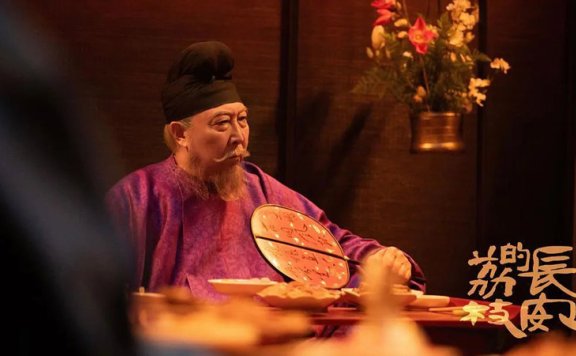
Talking with the Creators Behind The Litchi Road
A saying from ancient China goes like this: "One day, the color fades. Two days, the fragrance goes. Three days, the taste is gone." That's how fragile fresh lychees were—especially when you're trying to haul them over 5,000 miles from Lingnan to the imperial capital of Chang'an. For a low-ranking clerk like Li Shande, the lead character in The Litchi Road, this was basically mission impossible. Fast forward 1,200 years, and author Ma Boyong found himself in a similar bind: finishing a 70,000-word novel in just 11 days. Running on pure adrenaline (or what he called "flow state"), Ma pulled it off. And in his story, Li Shande does too—armed with nothing but math skills and the kind of desperation that leaves no room for failure. This whole "impossible mission" theme didn't stop at the book. It carried over to the TV adaptation too. The production team faced its own version of the lychee run: staying loyal to the book while also making bold changes, and doing it at a time when short-form web content is king and long-format storytelling feels like an endangered species. How hard was it? Well, that depends on how fast the TV industry decides to… -
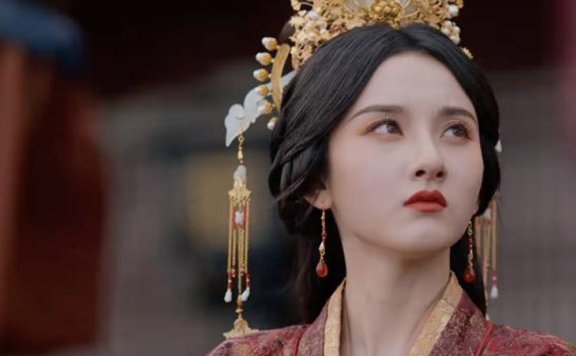
Jewelry in The Prisoner of Beauty
You've probably already heard the buzz around The Prisoner of Beauty—this season's hot topic in Chinese historical TV. But let's forget about the plot for a second. As a jewelry person, I couldn't take my eyes off the accessories. The hairpieces, the pendants, the gemstone details—they're not just for show. They're little time capsules of Han dynasty aesthetics, each piece tied to materials and craftsmanship that were actually used two thousand years ago. The story seems set around the late Eastern Han period (roughly 2nd to 3rd century AD). So let's talk about what jewelry looked like back then—what stones they had, where they came from, and who got to wear what. First, let's talk about the crown jewel of the era: Hetian jade (a highly prized nephrite jade from Xinjiang). This wasn't something ordinary people could casually buy. Most of it traveled along what historians call the "Jade Road", a network of ancient trade routes connecting Xinjiang to central China. According to excavated Han dynasty documents from Dunhuang, one stone could cost up to 300 qian. Back then, large-scale mining wasn't really a thing. Miners would wait for seasonal floods to reveal river-polished pebbles, then trek on foot through… -
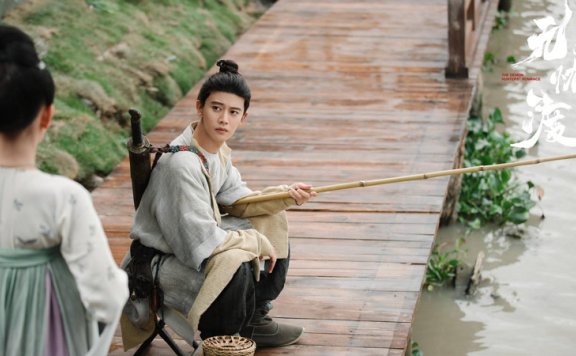
7 Essential Allen Ren Series That Define a Genre
For over a decade, Allen Ren Jialun (任嘉伦) has reigned as Chinese television's undisputed "Costume Drama King"—a master of emotional depth who transforms mythical worlds into visceral human experiences. From tortured immortals to morally complex half-demons, his performances fuse breathtaking aesthetics with soul-wrenching storytelling. Here's your definitive guide to his seven most iconic roles. Under the Power 锦衣之下 Aired: December 2019 Period Background: Ming Dynasty Genres: Historical Suspense, Romance, Detective. Main Roles: Ren Jialun (Lu Yi), Seven Tan (Yuan Jinxia) Adapted From: Blue Lion's novel Set in the Ming Dynasty's Jiajing era, the series centers on Lu Yi, a feared Jinyiwei commander whose icy efficiency masks a tormented past, and Yuan Jinxia, a street-smart detective from the Six Gates investigative bureau. Initially adversarial—Lu Yi views Jinxia's optimism as naïveté, while she resents his ruthless methods—their dynamic shifts when ordered to collaborate on a high-stakes corruption case involving royal intrigue and salt smuggling. As they uncover layers of conspiracy, their friction evolves into mutual respect, then forbidden love, complicated by Jinxia's discovery that Lu's father orchestrated her family's massacre years prior. The plot masterfully balances political tension with emotional stakes, culminating in their alliance against a common enemy: a royal faction… -

Unlocking Joy on Nanjing Road with 3 Magical Keys
As twilight paints Shanghai's skyline in hues of gold and violet, Nanjing Road transforms into a pulsating artery of summer euphoria. The "Shanghai Summer" campaign ignites China’s premier commercial street with an electrifying fusion of culture, commerce, and cosmopolitan energy. From late June through August, this iconic boulevard unveils a meticulously crafted symphony of experiences designed for global travelers and local revelers alike. Centered on three transformative keywords—Summer Show, Summer Fun, and Summer Sales—the initiative redefines urban summer leisure through immersive IP exhibitions, boundary-pushing entertainment, and pioneering retail innovations. This isn’t merely a festival; it’s Shanghai extending a glittering invitation to experience the heartbeat of modern China. Summer Show Step into a realm where beloved characters leap from screens and history books collide with futuristic visions. Nanjing Road morphs into a dynamic stage for storytelling and spectacle. Beloved animated icons likePleasant Goatand the irresistibly chillCapybaralead vibrant parades, weaving through the crowds for 2 days of interactive delight. Over at New World City, the Ultraman 60th Anniversary Exhibition transcends nostalgia. Rare artifacts spanning six decades share space with an immersive "Light Domain Theater," while the 2025 hero "Ultraman Omegar" makes his dramatic world debut on a custom-built stage. Century Plaza amplifies… -
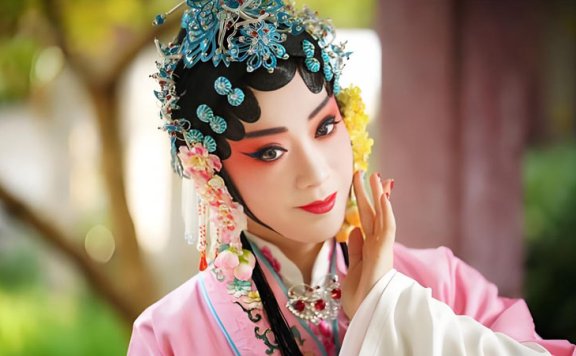
A Dream of Red Mansions Inspires a New Era
Beneath the stage lights of a Kunqu opera performance, Du Liniang (杜丽娘) glides forward, the iridescent blues and greens of her diancui (kingfisher feather art) headdress shimmering with every step. In the audience, 90s-generation jewelry designer Wang Shenglin (王圣临) watches his creation come alive, a testament to centuries-old craftsmanship captivating a modern crowd. This scene encapsulates a vibrant cultural renaissance: young artisans are breathing new life into China’s imperial jewelry traditions, transforming intricate techniques like diancui (点翠), filigree, and enamel work from museum relics into coveted “New Chinese Chic” accessories. From social media sensations to sold-out night classes, these artisans aren’t just preserving history—they’re rewriting it for a generation proud of its heritage. Artisans Rekindle the Flame Social media platforms buzz with admiration for Wang Shenglin’s creations. His designs—a diancui coronet adorned with “mountain-sea” motifs, silver-gilded filigree peony hairpins, or butterfly earrings inspired by Palace Museum treasures—garner thousands of “stunning!” and “so ethereal!” comments. Followers eagerly inquire about purchasing these wearable pieces of history, blurring the line between cultural appreciation and contemporary fashion. The passion extends beyond online admiration. Young creators immerse themselves in meticulous apprenticeships. Lü Jikai (吕纪凯), another 90s talent, spent a year painstakingly recreating a Qing Dynasty… -

2025 Huairou National Trend Culture Season Kicks Off
The series of activities of the 2025 Beijing Great Wall Culture Festival in Huairou District - the "2025 Huairou National Trend Culture Season" will set off a national trend fashion in Huairou District, Beijing from July to October. Chinese and foreign Hanfu enthusiasts experienced immersive Hanfu travel photography in Qinglong Gorge, Huairou, Beijing, preheating the "2025 Huairou National Trend Culture Season" which will kick off in July. Hanfu Tourism Photography Theme Experience As the first pre - heating event, the immersive Hanfu travel photography theme experience was recently held in Qinglong Gorge. Twenty Chinese and foreign Hanfu enthusiasts gathered in Huairou, becoming the first batch of "Hanfu experience officers" to feel the charm of the integration of the national trend and nature, and let the world see the new expression of Chinese aesthetics where tradition and modernity are intertwined. "This is a blue - and - white porcelain bowl with a painting of ladies from the Ming Dynasty. We dressed up and took photos imitating the scene here, which made me feel the fun of the ancients painting their lives on porcelain." The influencer "Xiaoxi", who participated in the event, has had a strong interest in traditional culture since childhood.… -
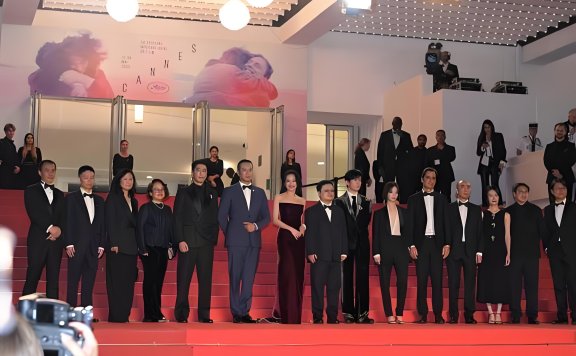
From Cannes Glory to Boozy Celebrations: Resurrection Cast’s Joyful Reunion
On June 24, a set of candid photos from Resurrection (狂野时代) cast’s post-festival celebration swept across social media, offering a rare glimpse into the camaraderie behind one of 2025’s most talked-about films. Taken in a cozy Parisian dining room adorned with Chinese paper-cut decorations, the images captured lead actors Yi Yangqianxi (易烊千玺), Mark Chao (赵又廷), and Huang Jue (黄觉) - alongside director Bi Gan (毕赣) - raising glasses in exuberant toast, their faces flushed with both alcohol and pride. This wasn’ just a casual meal; it was a victory lap for a film that had just rewritten Chinese cinema’s history at the Cannes Film Festival. Cannes Triumph Triggers a Hearty Feast The mood at the dinner was electric, a direct reflection of Resurrection’ landmark success. Having become the first Chinese film in a decade to win a Special Prize in Cannes’ prestigious Main Competition, the cast and crew had every reason to celebrate. “You could feel the relief and joy in the air,” one attendee later commented. “It’s not just about the trophy - it’s about proving Chinese cinema’s global voice.” Yi Yangqianxi, often known for his reserved public persona, stole the spotlight. Clad in a crisp blue shirt with… -
How The Princesss Gambit Masters Political Intrigue and Forbidden Romance
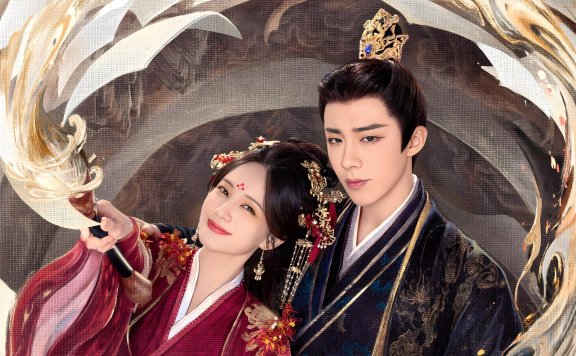
Within days of its premiere, The Princesss Gambit (桃花映江山) has ignited fervent discussion, its viewership soaring past 23,000 and climbing rapidly. This adaptation of Bai Lu Cheng Shuang's novel The Peach Blossom Folds the Rivers and Mountains (桃花折江山) thrusts viewers into the treacherous courts of Northern Yan and Da Qi. Princess Jiang Taohua (Meng Ziyi), a disposable pawn sacrificed in a royal power play, finds herself in a forced marriage to the formidable and morally ambiguous Prime Minister, Shen Zaiye (Liu Xueyi). Their union, born from desperation and political maneuvering, sets the stage for a dangerous dance where survival hinges on outwitting enemies, navigating palace conspiracies, and deciphering each other’s motives. Directed by the acclaimed Yi Jun (The Tribute of Youth,The Legend of Fuyao), the series wastes no time plunging audiences into a world of razor-sharp tension, breathtaking visuals, and complex characters whose motives are as layered as the intricate plots they weave. Yi Jun's Signature Precision Director Yi Jun's (易军) masterful control is evident from the opening frames. The premiere episode efficiently establishes the dire stakes: Taohua's desperate escape attempt, her heartbreaking sacrifice to save her brother, and the perilous journey to Da Qi. Yi Jun utilizes stark lighting… -
The Scroll of Dreams: When Ink-Stained Characters Rewrite Their Destiny
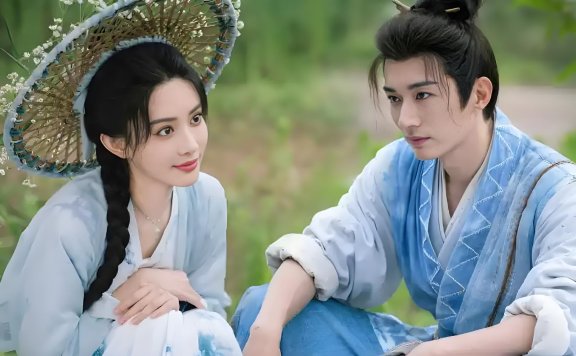
Prepare for a genre-bending journey as The Scroll of Dreams (书卷一梦) materializes onto screens. Premiering June 26th, this 38-episode costume drama boasts a unique premise: a modern actress plunges into her audition script's ancient world. Produced by iQIYI and broadcast simultaneously on Jiangsu Satellite TV's prime-time slot, the series leverages powerhouse platforms to reach a vast audience. Unlike typical transmigration tales soaring through celestial realms, The Scroll of Dreams plants its feet firmly in a grounded historical setting. Its core allure lies in the audacious "book people's awakening journey" - characters rebelling against their preordained fates. With a stellar cast led by Li Yitong (李一桐) and Liu Yuning (刘宇宁) , and a director famed for visual poetry (Guo Hu), the show radiates breakout potential, poised to challenge the dominance of recent fantasy hits like Eternal Night of the Stars (永夜星河). Anti-Trope Narrative Takes Flight Forget predictable arcs. The Scroll of Dreams thrives on subverting expectations. Protagonist Song Xiaoyu (Li Yitong), a struggling actress, doesn't merely read her lines; she becomes Song Yimeng, the ill-fated heroine of the period script she's auditioning for. Her immediate goal isn't romance or power, but sheer survival - a "desperate escape for survival" . Armed… -
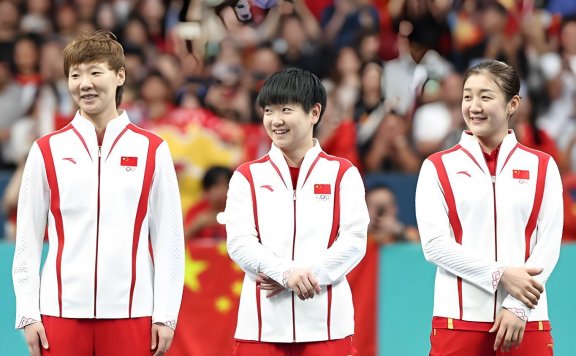
How China's Table Tennis Queens Became Fashion's New Dynasty
The arena lights dim. The roar of the crowd fades. For Sun Yingsha (孙颖莎), Wang Manyu (王曼昱), and Chen Meng (陈梦) - China’s indomitable table tennis "Golden Flowers" - this isn’t an exit, but an entrance. Fresh from defending national glory on the Olympic stage, these athletes are executing a masterful pivot, trading crisp ping pong whites for haute couture and commanding covers of Vogue’s peers with the same fierce precision they deploy against opponents. Their journey isn't just about endorsements; it’s a cultural recalibration, proving athletic rigor translates seamlessly into runway-ready allure. The Unstoppable Rise of Wang Manyu Wang Manyu’s ascent in fashion mirrors her relentless climb in world rankings - swift, decisive, and impossible to ignore. Fresh off securing silver and gold at the grueling 2025 Doha World Championships, she landed in Beijing and headed straight to a farm. The result? A stunning GLASS China June cover, radiating cool detachment in Longchamp’s sleek Autumn/Winter 2025 separates. Her secret weapon? A natural intensity dubbed "Cold-Face Warrior" by fans. This 176cm powerhouse possesses the rare ability to make a simple black Balenciaga hoodie and jeans, worn at the brand’s Beijing flagship opening, look like high art. "Fashion events are small courts compared to world championships," one stylist…