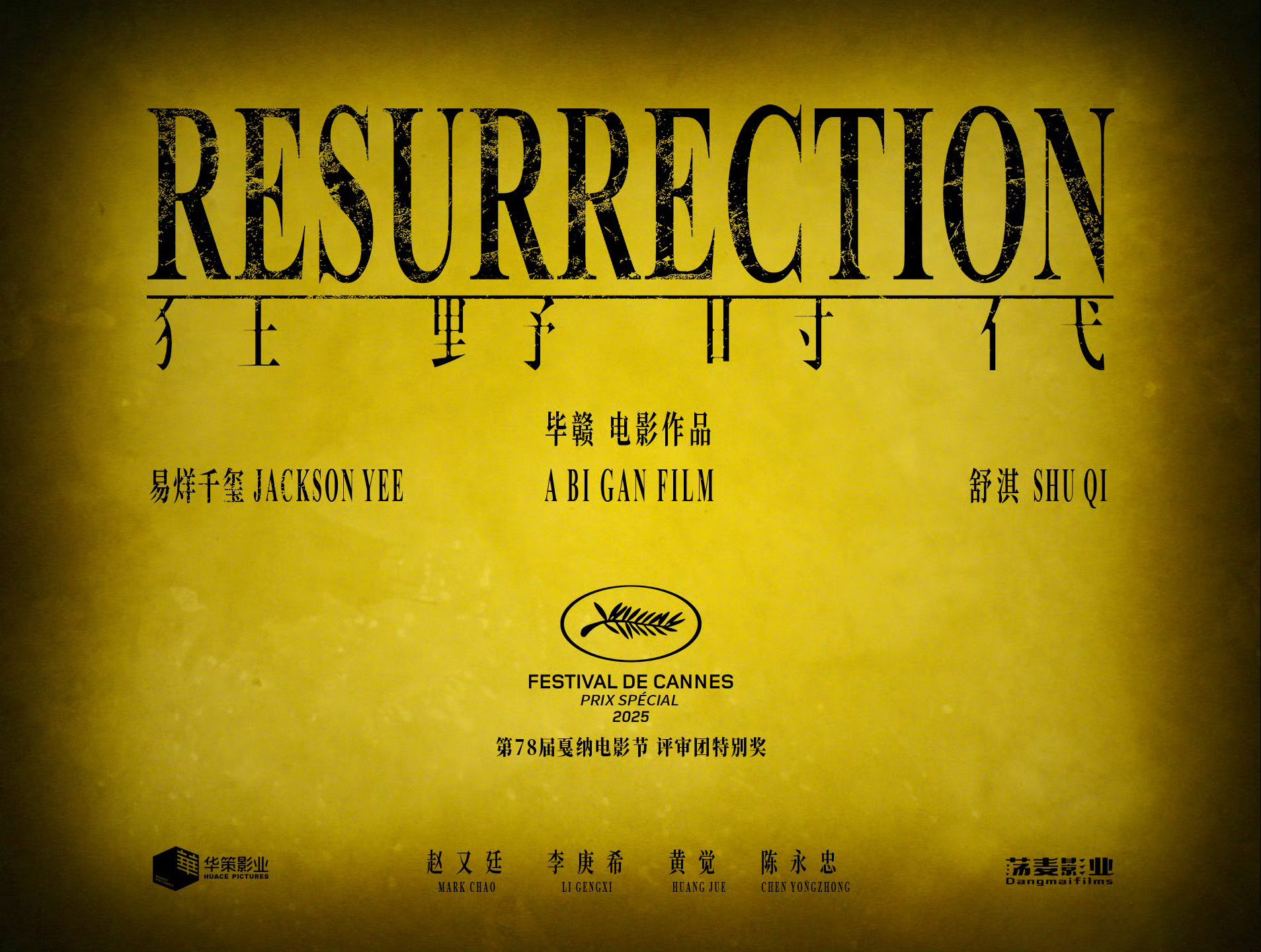
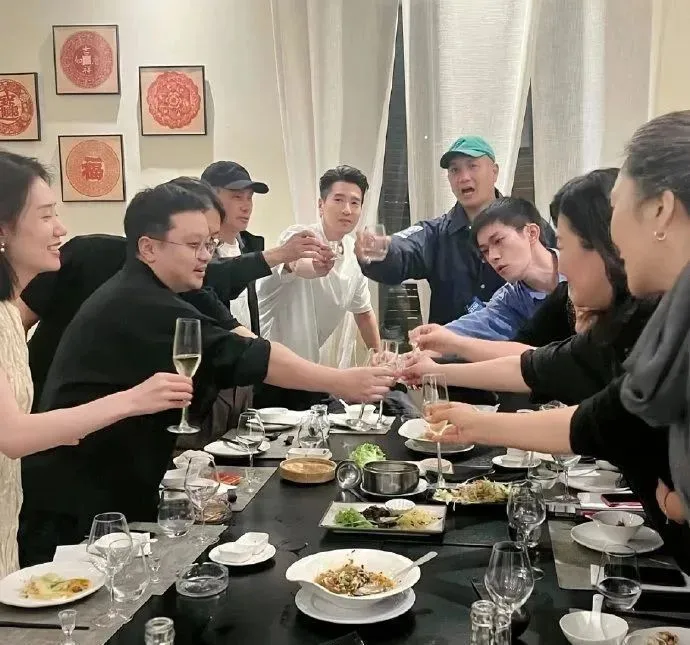
On June 24, a set of candid photos from Resurrection (狂野时代) cast’s post-festival celebration swept across social media, offering a rare glimpse into the camaraderie behind one of 2025’s most talked-about films. Taken in a cozy Parisian dining room adorned with Chinese paper-cut decorations, the images captured lead actors Yi Yangqianxi (易烊千玺), Mark Chao (赵又廷), and Huang Jue (黄觉) - alongside director Bi Gan (毕赣) - raising glasses in exuberant toast, their faces flushed with both alcohol and pride. This wasn’ just a casual meal; it was a victory lap for a film that had just rewritten Chinese cinema’s history at the Cannes Film Festival.
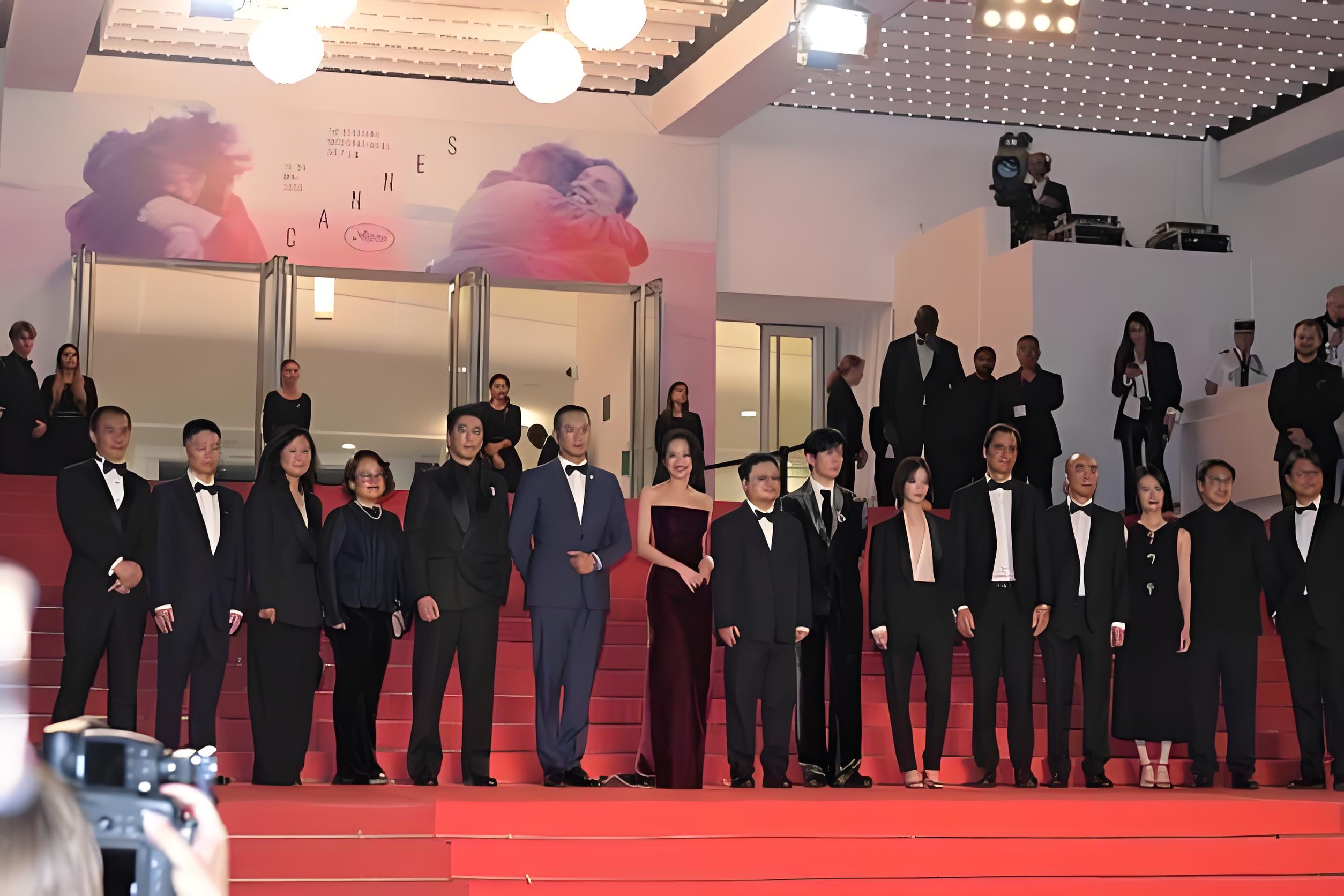
Cannes Triumph Triggers a Hearty Feast
The mood at the dinner was electric, a direct reflection of Resurrection’ landmark success. Having become the first Chinese film in a decade to win a Special Prize in Cannes’ prestigious Main Competition, the cast and crew had every reason to celebrate. “You could feel the relief and joy in the air,” one attendee later commented. “It’s not just about the trophy - it’s about proving Chinese cinema’s global voice.”
Yi Yangqianxi, often known for his reserved public persona, stole the spotlight. Clad in a crisp blue shirt with a buzzcut, the 24-year-old actor sported a rosy-cheeked grin as he clutched a baijiu glass, a stark contrast to his usual champagne preference. “He looked like he’d shed all his inhibitions,” a fan noted. “It was nice to see the ‘Four-Character Brother’ let loose after working so hard.”
Mark Chao and Huang Jue, typically typecast as stoic figures on screen, were equally unrecognizable in the photos. Chao, laughing so hard his eyes crinkled, and Huang, the “menacing villain” from The Lost Sea Chronicles, now beaming like a jovial uncle, formed a comedic duo that had the table in stitches. “Tonight, no one leaves sober,” Huang joked in a viral clip, encapsulating the group’s carefree spirit.
The Making of Resurrection
The celebration’s fervor mirrored the film’s own boldness. Directed by Bi Gan, Wild Times is no ordinary feature - it’s a sensory odyssey structured around the six human senses: sight, sound, smell, taste, touch, and consciousness. Set across a century-spanning, hyper-real world, the story follows Shu Qi’s (舒淇) neurosurgeon as she dives into the subconscious of Yi’s android character, who reincarnates five times, inhabiting roles from a 1900s silent film extra to a cyborg in a dystopian future.
Critics have lauded its ambition. The Guardian called it “a collision of poetry and audacity,” while Cannes’ jury president Juliette Binoche pushed for the Special Prize, citing its “unprecedented artistic bravery.” Yi’s performance, in particular, became a talking point. Playing five distinct roles - each with unique mannerisms, accents, and emotional cores-earned him praise as “sacrificial acting” from international media. “Even he couldn’t fully explain his characters afterward,” Bi Gan admitted, “but he captured their essence perfectly.”
Behind the scenes, the production was as “wild” as its title. Filmed across locations in Chongqing and Copenhagen, the crew used NASA-grade EEG technology to film dream sequences, with Shu Qi logging a record 78 minutes of green-screen work. The editing process was equally chaotic: 27 versions were scrapped before the final cut, finalized just hours before the Cannes premiere. Bi Gan, who turned down five commercial projects to focus on this, summed it up: “This film demanded all of us - and we gave it everything.”
Yi Yangqianxi: From Idol to Cinematic Force
The feast also highlighted Yi’s evolution from a former boy band member to a cinematic heavyweight. Since bursting onto screens in Better Days (少年的你) and The Battle at Lake Changjin, he’s consistently defied expectations. Wild Times, however, marks his most daring leap yet. “He’s not just acting - he’s transforming,” Huang Jue noted at the dinner. “Every role he takes pushes him further, and this time, he soared.”
International press has echoed this sentiment. “Yi is the future of Chinese cinema,” declared a French critic, pointing to his ability to embody five vastly different personas. His off-screen demeanor at the celebration - relaxed, jovial, and unguarded - only bolstered his appeal. “He’s still the same guy, just with more stories to tell,” a childhood friend shared.
As Wild Times prepares for its domestic release, anticipation is sky-high. Will audiences embrace its experimental style? Can a film that thrilled Cannes captivate local viewers? One thing is clear: this crew, fresh from a historic win and a night of unbridled joy, has already proven that “wild” isn’t just a title - it’s their spirit. And with talents like Yi, Bi Gan, and the rest leading the charge, Chinese cinema’s future looks anything but tame.