Article
Search results:
-
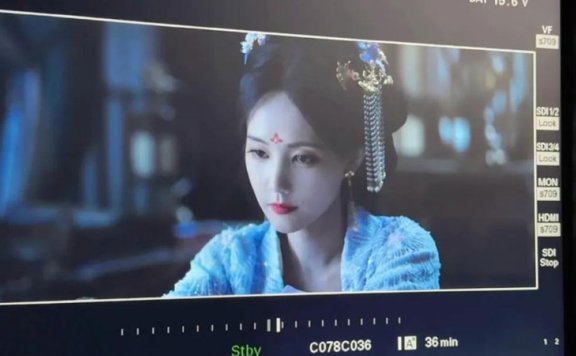
After 9 Years in the Industry, Li Yitong Chooses to Change
It was 1:30 in the morning. Slightly tipsy from fatigue, Li Yitong still faced the camera with energy and a smile, wrapping up her final interview of the day — her 18th consecutive working hour during a packed publicity schedule. Even after such a long day, she didn't slack off in front of the camera. She tried her best to bring something new to every single interview, even when the questions were basically the same. She would shift the focus in her answers, trying to offer a different angle each time. On top of that, she instructed her team to buy late-night snacks for all the reporters present — and not just any random food. She only ordered things she had personally tried and liked, then shared them with everyone. To be able to manage things down to such small details, to make sure everyone is looked after, and still give her all — that's Li Yitong. And this, honestly, is just her default mode. Actress Ling Meishi, who is signed under the same agency as Li Yitong, has often been "taken care of behind the scenes"by her. Once, while filming in Hengdian, during a startup banquet for a new… -
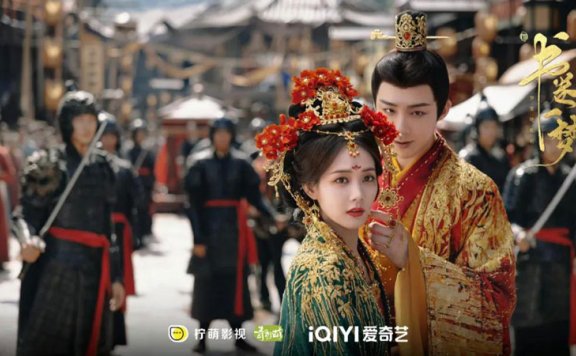
A Dream Within A Dream Cracked Costume Drama's Burnout Cycle
That breath of fresh air in period dramas? A Dream Within A Dream just wrapped up—and it did something rare: it broke the tired rules while making us laugh and cry. Right out the gate this summer, it grabbed attention as the frontrunner among historical shows. Its trick? A clever "story-within-a-story" setup that pulled viewers behind the curtain of its own creation. Then came the accelerated finale. Every "cardboard character" woke up, shattered their scripted chains, and steered both story layers toward a proper happy ending. That move? Pure genius—sharp, funny, and weirdly touching. Trying to pin this show to one genre is hopeless. If I had to force it: A modern woman crashes into a script, hijacks her fate, and inspires her 2D co-stars to grab free will. An "ambition-only" actress melts her own rules and falls hard. By roasting tired tropes, it stitches together a new vision for costume dramas—breaking the mold to rebuild it. No wonder fans rallied behind it. We've all suffered through enough paint-by-numbers historical romances. Scrolls became our "proxy voice"—even swinging the knife at lazy writing for us. That cathartic chaos? Like hiring a top-tier real paid online arguers when you're outmatched in a… -
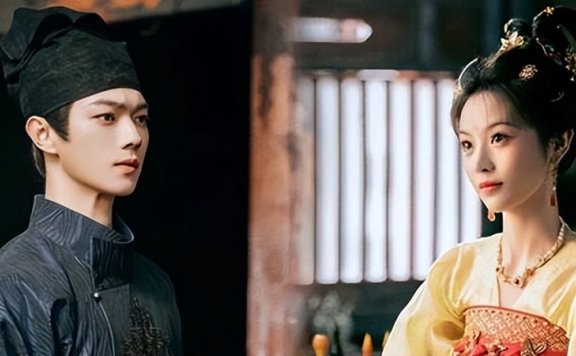
Xu Kai and Tian Xiwei Forge Destiny in Zi Ye Gui
The ancient capital of Chang'an, a jewel of the Tang Dynasty, becomes a battle ground between light and shadow in the highly anticipated drama Moonlit Reunion (子夜归). Head Exorcist Mei Zhuyu (Xu Kai) and aristocratic heiress Wu Zhen (Tian Xiwei) navigate a perilous dance of love and duty, their fates entwined by supernatural forces threatening the empire. Blending meticulous historical detail with Chinese mythical lore, this series promises a visual and narrative feast, redefining fantasy storytelling through its clash of human resolve and ancient magic. Tang Dynasty Mythos Reborn Chang'an's bustling streets hide eerie disturbances—whispers of spectral sightings and unnatural occurrences. Mei Zhuyu (梅逐雨), the stoic Head Exorcist, investigates these anomalies, declaring, "Mimicking form, imitating essence—deviations signal demonic presence." His pursuit leads him to Wu Zhen (武祯), whose playful aristocratic facade masks a startling truth: she inherits the power to transform into a feline guardian of the supernatural underworld. Their initial confrontation simmers with tension, a magnetic pull complicating their opposing missions. The resurgence of the Eternal Dawn Palace, lost for centuries, deepens the mystery. This celestial structure's reappearance fractures alliances and unleashes dormant evils, forcing Mei and Wu to question loyalties. The series revitalizes historical fantasy by weaving Tang… -
Singer 2025 Episode 10: Rankings Shuffle, Elimination Drama
Episode 10 of Singer 2025 delivered a seismic shift in the competition. Broadcast on July 18th, the episode saw record-breaking real-time ratings for Hunan Satellite TV, peaking above 1% as viewers tuned in for a night of exceptional performances. The stakes soared higher with the unexpected near-elimination of a favored contender, setting the stage for a fiercely unpredictable final stretch. Every vocalist delivered career-defining moments, transforming the leaderboard and fueling intense debate about the ultimate winner. Leaderboard Reshuffled Huang Liling (黄丽玲) claimed her first victory with a powerhouse ballad that showcased her signature vocal control and emotional depth. Her rendition captivated both the live audience and viewers, cementing her status as a genuine championship threat. Alicia secured second place with a technically flawless performance blending soul and contemporary pop, demonstrating her international appeal. Her stage presence and vocal precision drew widespread acclaim. Li Jiawei (李佳薇) took third with a dramatic, theatrical interpretation that highlighted her versatility. Her ability to convey complex narratives through song remains unmatched this season. Meanwhile, Single Pure, a previous frontrunner, plummeted to sixth place despite a hauntingly beautiful performance of Stefanie Sun’s "Began to Understand." Her stripped-down arrangement emphasized raw vulnerability, yet failed to resonate with… -
Zhao Lusi Reinvents: Bold Style Shifts in Latest Magazine
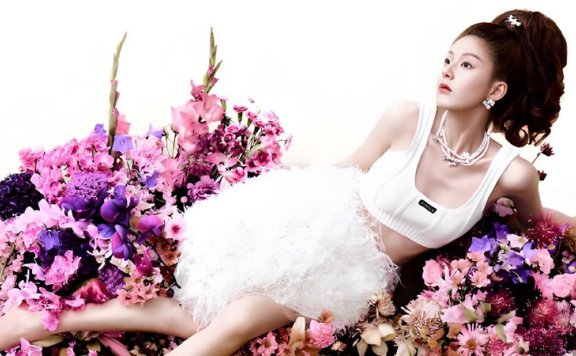
Zhao Lusi (赵露思) unveils a transformative visual identity in her latest magazine feature. The 25-year-old actress trades her signature flowing locks for a sharp chin-length cut, pairing it with a structured black bustier gown that accentuates her silhouette. Shot across varied settings—from minimalist studios to ethereal underwater scenes—these images capture her experimental shift from sweetheart roles to avant-garde fashion statements. Released on July 21, the editorial sparks conversations about reinvention versus authenticity in celebrity image-making. Stylistic Departure Zhao Lusi’s cropped hairstyle marks a decisive break from her familiar long tresses. The blunt cut frames her face with geometric precision, complementing the sculptural neckline of the black bustier dress. Cinched at the waist, the gown channels vintage Hollywood glamour while modern metallic accessories add edge. In one frame , she stands against botanical backdrops, merging organic textures with sleek tailoring. The second look features a white draped gown captured mid-movement underwater. Submerged fabric billows around her, creating ghostly trails of translucent silk. This aquatic theme continues with a close-up shot highlighting submerged facial expressions—eyes closed, features serene yet detached from her usual animated persona. Contrast defines the third ensemble: a form-fitting black sheath emphasizing minimalist lines. Lit dramatically against dark backgrounds,… -
Chang Mingbo's Silent Strength in Coroner’s Diary
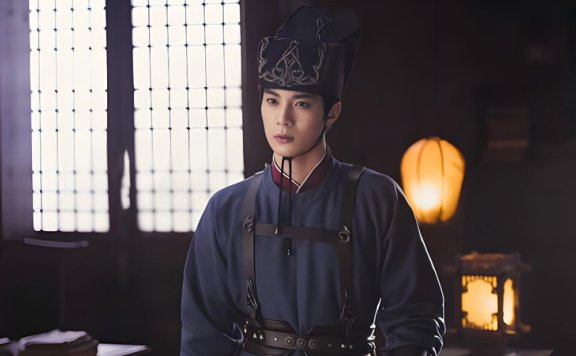
Coroner’s Diary (朝雪录), the captivating historical mystery drama adapted from Bu Yue Qian Zhuang's novel, has gripped audiences with its tale of Qin Wan (秦莞), the "Ghost Hand Coroner" (Li Landi), and Prince Yan Chi (Ao Ruipeng) unraveling conspiracies and seeking justice. Amidst the intricate plots and striking leads, Zhang Mingbo's (章明伯) portrayal of Zhan Yang (展扬), Prince Yan Chi's steadfast bodyguard, emerges as a quietly powerful force, demonstrating the actor's expanding versatility beyond his modern crime drama roots. The Silent Catalyst Zhan Yang operates primarily within Prince Yan Chi's shadow, embodying the archetype of the loyal retainer. Yet, Zhang Mingbo ensures the character transcends mere background presence. Zhan Yang functions as the narrative's connective tissue across multiple case units. His sharp observation skills and decisive actions frequently provide crucial breakthroughs, propelling the central investigative duo forward when paths seem blocked. This role demands efficiency, and Zhang Mingbo delivers precisely that, ensuring every appearance counts. The relationship between Zhan Yang and Prince Yan Chi forms a compelling dynamic. Zhang Mingbo portrays not simple subservience, but a bond forged in mutual trust and battlefield understanding. Their silent communication speaks volumes, conveying years of shared experience and unspoken loyalty. This depth transforms… -
Top 8 Cdrama Actresses with Oil-Paper Umbrellas
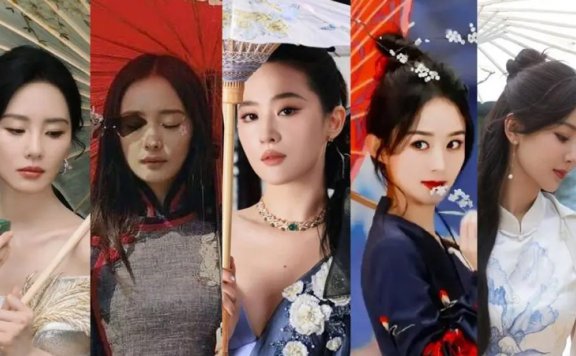
In Chinese historical dramas, the oil-paper umbrella transcends mere prop—it becomes a silent narrator of elegance. Eight leading actresses have woven this artifact into iconic moments, blending tradition with character depth. From misty riverbanks to snow-dusted courtyards, their interpretations span ethereal poise to defiant strength, proving the umbrella’s timeless power in visual storytelling. Yang Mi Fifteen years after her breakout role as Tang Xuejian (唐雪见) in Chinese Paladin (仙剑奇侠传), Yang Mi’s (杨幂) relationship with the oil-paper umbrella has evolved alongside her career. In The Dream of Red Mansions, her early portrayal radiated youthful mischief, the umbrella a playful extension of her character’s restless energy. By Brotherhood of Blades (绣春刀), maturity transformed her stance: as painter Bei Zhai (北斋), she cradled the umbrella like a scholar’s brush—deliberate, grounded, a quiet counterpoint to her earlier vibrance. Her 2025 collaboration with People’s Artists magazine marked a full-circle renaissance. Against ink-wash backdrops, the 39-year-old balanced the umbrella with regal ease, merging Ming Dynasty-inspired tailoring with contemporary minimalism. No longer just an accessory, it framed her as a custodian of heritage—sturdy yet fluid, much like her own artistic journey from ingenue to industry pillar. Zhao Liying Zhao Liying’s (赵丽颖) umbrella narratives trace her path from… -
Zhao Liying Named Givenchy Global Makeup Ambassador
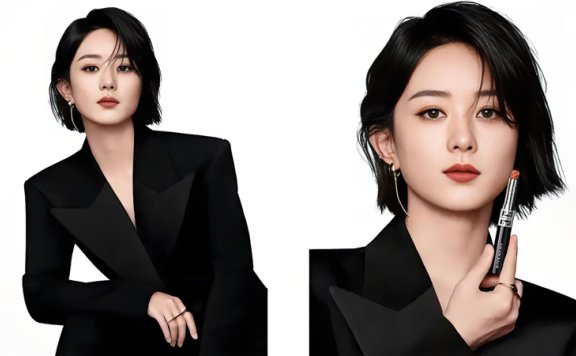
From provincial heroine to global icon, Zhao Liying’s (赵丽颖) appointment as Givenchy Beauty’s first Chinese global spokesperson marks a cultural watershed in luxury branding. Her journey mirrors the characters she embodies – resilient, sophisticated, and unapologetically authentic. The Unstoppable Ascent Zhao Liying’s trajectory defies conventional stardom. Emerging from rural Hebei province, she transformed early criticism about her "rustic" image into a narrative of reinvention. Roles like Minglan in The Story of Minglan (知否知否应是绿肥红瘦) and Xu Banxia in Wild Bloom (风吹半夏) showcased her ability to portray women navigating patriarchal systems with quiet strength. This artistic authenticity resonates beyond screens. Her 70 million-strong fanbase, who flooded social media with "Finally!" upon her Givenchy announcement, see their own struggles reflected in her perseverance. Her evolution parallels China’s shifting beauty ideals. Where luxury brands once exclusively favored Western or ethnically ambiguous faces, Zhao’s distinctly Chinese features – her almond eyes and porcelain complexion – now front a Parisian maison. Givenchy Beauty CEO Romain Spitzer highlighted her "independent confidence and elegant charm," qualities mirroring the brand’s haute-couture heritage. The campaign, shot near Givenchy’s historic Georges V Avenue atelier, positions Zhao not as an outsider, but as an integral thread in the brand’s tapestry. The visual… -
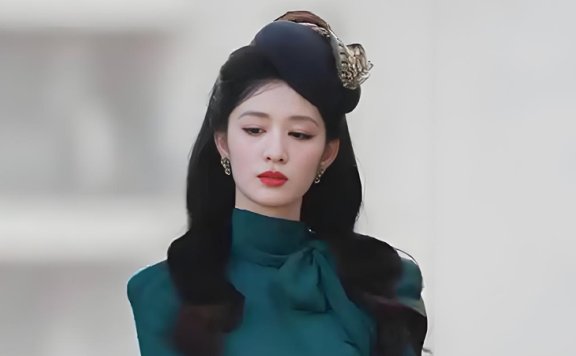
Republican-Era Costumes: Visual Storytelling in Costume Dramas
The resurgence of Republican-era aesthetics in contemporary Chinese cinema has become a visual feast, where costumes transcend mere clothing to embody character essence. Leading actresses of the post-85 generation are redefining historical narratives through meticulously crafted wardrobes, blending tradition with modern sensibilities. Wang Churan’s (王楚然) haunting elegance, Liu Yifei’s (刘亦菲) timeless grace—each ensemble stands as a silent narrator of turbulent times. This sartorial renaissance not only revitalizes period dramas but elevates them into cultural conversations, proving that fabric and silhouette can articulate emotions words often fail to capture. Visual Poetry in Motion Wang Churan’s transformation in Zhe Yi Miao Guo Huo (这一秒过火) epitomizes the power of Republican-era costuming. Her midnight-black gown and wide-brimmed hat create a chiaroscuro effect, sharpening delicate features into ethereal relief . Yet it’s her moon-white qipao that etches itself into memory: silk whispering against grey-brick backdrops, slit skirts revealing pearl-hued stockings, and jade bracelets clicking like metronomes to her movements. The ensemble merges restraint with sensuality—a collar clasped to the throat contrasting with the fluidity of draped sleeves. Liu Yifei’s legacy as Bai Xiu-zhu (白秀珠) in The Story of a Noble Family (金粉世家) remains unmatched, her teenage portrayal still shaping Republican archetypes. Decades later, her ability… -
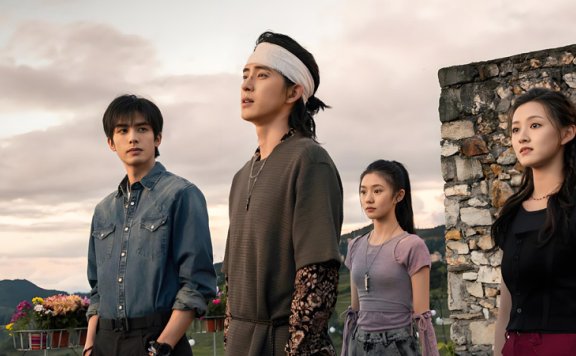
Qi Gen Xin Jian: Ancient Artifacts Unleash Modern Terror
A deadly legacy from China’s ancient Wu Kingdom era resurfaces in the suspense thriller Qi Gen Xin Jian (七根心简). Starring Liu Haocun (刘浩存) as Mu Dai (木代) and Song Weilong (宋威龙) as Luo Ren (罗韧), the drama follows a team racing against time to contain seven supernatural artifacts. These relics, born from celestial anomalies and human sin, threaten to activate a cataclysmic ritual. The artifacts demand blood, manipulate minds, and transform bearers into vessels of primordial evil. With each relic requiring seven sacrifices, the hunters become the hunted in a battle spanning centuries. Oracle Bones Turned Deadly During the Wu Kingdom period (1046–771 BCE), shamans recorded grave sins on oracle bones—turtle shells and animal scapulae used for divination. Seven specific bones documented heinous crimes: murder, betrayal, sacrilege, and others lost to history. These artifacts gained unnatural power during a rare celestial event when the Big Dipper’s alignment emitted cosmic energy. The charged bones developed abilities to control thoughts, amplify malice, heal fatal wounds, and corrupt souls. They became known as the "Heart Slips," each representing one star of the Big Dipper constellation. A containment method emerged called the "Phoenix Blood Encirclement." By trapping a Heart Slip and using blood from… -
Zhang Liangying’s Evolution in Ninety Thousand Words
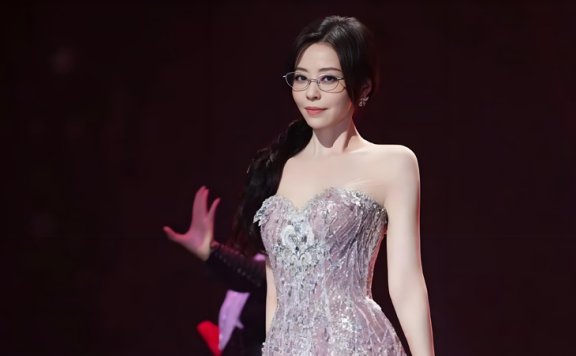
Zhang Liangying’s (张靓颖) gold-rimmed glasses and hip-swaying performance of viral song Ninety Thousand Words ignited both social media frenzy and artistic debate. The acclaimed singer’s deliberate shift toward internet culture—once considered territory for online influencers—challenges rigid hierarchies in entertainment. As her concert footage spawned millions of imitations, critics questioned whether such "influencer-style" acts diminish a star’s prestige. Yet this moment reveals deeper currents: the evolving symbiosis between high-artistry stages and algorithm-driven platforms. The Viral Alchemy of Performance Zhang’s transformation began with a televised appearance where her "forbidden charm" aesthetic—strict blazer, sharp eyewear—contrasted dramatically with the song’s provocative choreography. Audiences hailed it as "dimensional mastery," recognizing how her technical precision elevated a trending track. Professional vocal control and decades of stagecraft lent the routine an unreplicable depth. Within hours, amateur recreations flooded Douyin yet consistently fell short. Her background as a classically trained vocalist created an unbridgeable gap. Fitness discipline and movement economy allowed subtle gestures to convey complexity where influencers relied on exaggeration. When Zhang transplanted the act to her Hefei concert, multi-angle smartphone recordings amplified its reach. This demonstrated a new paradigm: staged artistry fueling online trends, which in turn drew audiences back to live performances. The loop between… -
Shenzhou Saga: Three Kingdoms Revives Ink-Wash Gaming Artistry
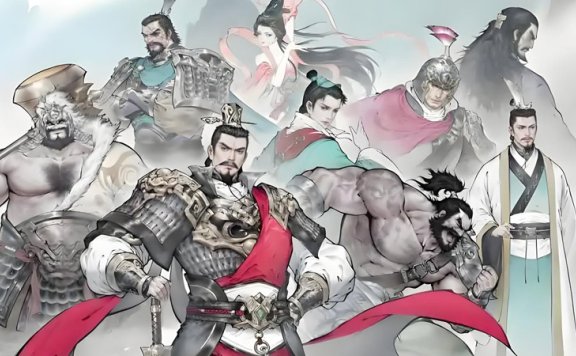
The landscape of gaming often celebrates the future, yet a bold new title rewinds time with breathtaking artistry. Shenzhou Saga: Three Kingdoms (三国望神州), developed by Kwaiy’s "Flicker Universe," defies modern visual tropes. Instead of hyper-realism or anime vibrancy, it drapes the storied Three Kingdoms era in the ethereal cloak of Chinese ink-wash painting. This isn’t mere nostalgia—it’s a renaissance of Hanfu (traditional Han attire), reimagined through fluid strokes and subtle gradients, challenging players’ perceptions of historical immersion. As warriors stride through misty battlefields and scholars ponder amidst bamboo groves, the game proves tradition can feel revolutionary. Ink-Wash Reimagines History Shenzhou Saga: Three Kingdoms’s visual identity is its manifesto. While competitors favor saturated colors or 3D spectacle, this game embraces monochrome elegance. Mountains dissolve into washes of gray; armor gleams like wet ink on parchment. The Hanfu designs—flowing robes, wide sleeves, intricate sashes—are rendered with deliberate restraint. Shadows bloom like ink blots, and details emerge through negative space, evoking classical scrolls. This aesthetic isn’t decorative; it heightens emotional gravity. A lone general surveying a bloodied ridge feels less like a pixelated avatar and more like a brushstroke of tragedy. Historical fidelity anchors the artistry. Developers pored over Han and Jin Dynasty… -
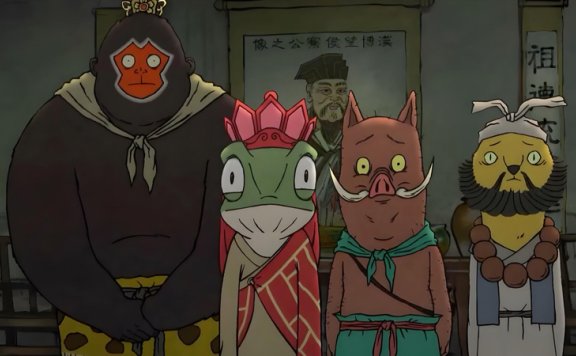
Nobody's Journey to the West: An Unlikely Quest Begins August 2
The animated comedy Nobody's Journey to the West (浪浪山小妖怪), arriving in cinemas nationwide on August 2. Instead of the revered monk and his powerful disciples, the spotlight falls on four endearing outcasts from the bottom rungs of the monster world. Zhu, a resilient pig monster; Gua, a down-on-his-luck frog spirit; Huang, a hyper-efficient weasel demon; and Xing, a timid gorilla creature, stumble into impersonating the famous pilgrims. Their haphazard mission, sparked by necessity and audacity, promises a road trip filled with absurd mishaps, surprising camaraderie, and the quest for something more than just scriptures. The Ragtag Crew Assembles Zhu, the pig monster, has spent years navigating the frustrations of Langlang Mountain life. Persistent despite constant setbacks, his sharp mind and restless spirit yearn for significance beyond menial tasks. When the idea strikes to pose as the legendary pilgrims, it's Zhu's boldness that drives the plan forward. He grabs a rake, declares himself the leader, and convinces his unlikely comrades that this chaotic scheme is their best shot at a better story. Gua, the frog spirit, finds himself unexpectedly unemployed after years spent scrubbing pots deep within a mountain cavern. His easygoing nature and knack for finding humor in the bleakest… -
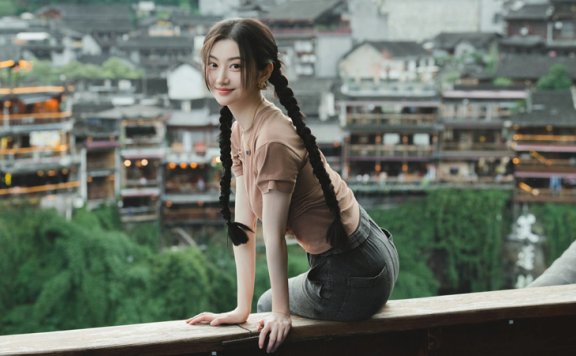
Jing Tian's Braids Hairstyle: A Story behind Cdrama Rattan
At 36, Jing Tian (景甜) captivates social media with candid snaps featuring playful braids and radiant smiles. Beyond viral aesthetics, her disciplined lifestyle and strategic career shift post Rattan (司藤) reveal a woman redefining stardom through authenticity and resilience. Her laughter echoes through screens like wind chimes in July—unscripted, bright, and disarming. When Jing Tian uploaded "life snippets" on July 11, 2025, she ignited more than a hashtag; she unleashed a cultural exhale. Against curated perfection dominating feeds, her moss-green skirt and carefree twin braids became emblems of unfiltered joy. Netizens flooded comments: "Her smile healed my burnout," one confessed. Another marveled, "Is she truly 36?" This wasn’t mere vanity—it was a masterclass in rewriting beauty rules through lived experience, not filters. Braids as Rebellion The photos’ power lies in their unstudied grace. Jing’s simple tee and waterfall-side poses reject red-carpet formalism. Her loosely woven braids—practical, nostalgic—symbolize shedding performative glamour. "We chase flawless illusions," a fashion critic noted, "but Jing’s messy authenticity dismantles that." Her crescent-moon eyes and faint dimples amplify this genuineness, making "ageless" less about biology than spirit. Fan reactions reveal deeper yearning. "She reminded me of childhood summers," shared a mother in Chengdu. For Gen-Z followers, Jing’s… -
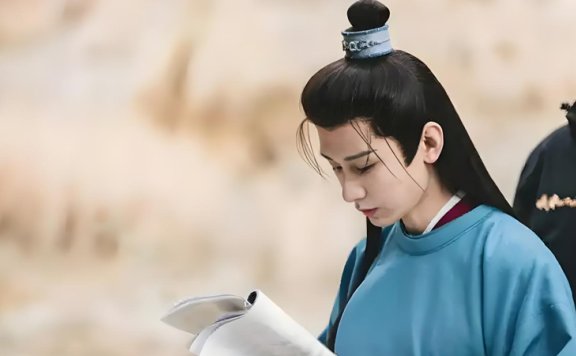
Cheng Yi's Cerebral Revenge Saga Ignites Tang Dynasty Intrigue
Anticipation surges for Chang’an Shi’er Ji (长安十二计), the historical political thriller starring Cheng Yi as Xie Huai’an (谢淮安)—a scholar orchestrating vengeance against 12 corrupt officials. Initially slated for Q4 2025, rumors of a surprise late-summer release intensify after savvy marketing leveraging the 24 solar terms and Cheng Yi’s Mysterious Lotus Casebook (莲花楼). Unlike his iconic martial roles, Cheng Yi embodies a weaponless tactician in this 32-episode drama, promising 50 narrative twists and a powerhouse cast including Zhang Hanyu (张涵予) and Liu Yijun (刘奕君). The Calculated Anti-Hero Xie Huai’an shatters Cheng Yi’s heroic mold. Where Mysterious Lotus Casebook’s Li Lianhua embraced resignation, Xie burns with icy fury. His credo—“No enemy deserves mercy”—fuels a decade-long vendetta against those who slaughtered his clan. Disguised as a lowly county clerk, he infiltrates the Tang court under Emperor Xiao Wuyang’s (萧武阳) secret decree, wielding intellect as his sole blade. A haunting teaser crystallizes his resolve: grey-haired Xie clutches ancestral tablets beneath a tattered umbrella, eyes blazing with deranged purpose. The line “I care not for survival; I demand your demise” strips the character to his ruthless core. This cerebral role trades physical prowess for psychological depth, challenging Cheng Yi to convey menace through stillness. Audiences… -
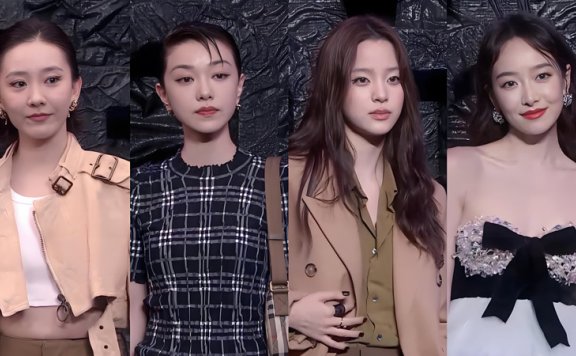
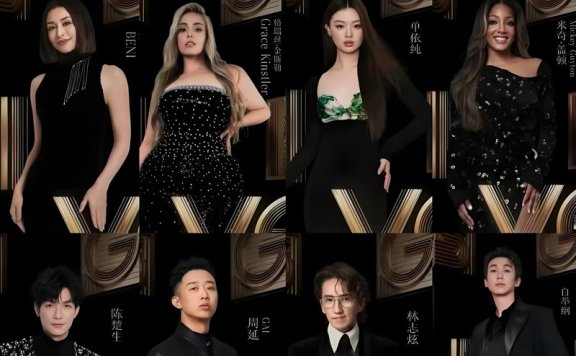
Another Man China's First Anniversary Party in Beijing
Celebrating its first anniversary, Another Man China transformed Beijing into a runway of audacious style with its exclusive party. Eschewing traditional red, the event featured a striking "Black Carpet" – a monochromatic backdrop and floor that challenged attendees to stand out or risk vanishing into the void. This unconventional stage witnessed a fascinating spectrum of personal expression, from seasoned stars embracing reinvention to rising talents making bold declarations. Against this dramatic setting, each ensemble became a conversation piece, revealing the wearer’s confidence, vulnerability, or sheer disregard for convention. The night wasn’t just about celebrating a publication; it was a vivid snapshot of fashion’s ever-shifting boundaries in motion. Veterans Reinvented The established stars navigated the black canvas with distinct strategies. Song Jia (宋佳), typically favoring understated elegance, embraced layered complexity with two overlapping plaid shirts paired with a black skirt. The skirt’s deep hue nearly dissolved into the background in the live stream, creating an arresting visual effect where her upper body appeared to float. Chen Yanxi (陈妍希) opted for full camouflage in a sleek black leather bustier dress and towering platform heels. While her silhouette threatened to merge with the setting, her radiant complexion and youthful energy defied her 42… -
The Untold Rescue Mission of Dongji Island
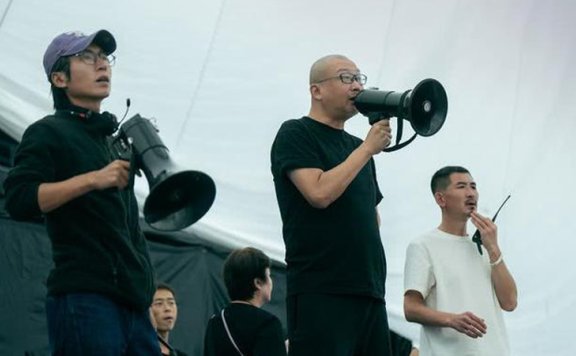
The sea holds countless secrets, but few as compelling as the story brought to light in the upcoming film Dongji Island (东极岛). Directed by Guan Hu (管虎) and Fei Zhenxiang (费振翔), this cinematic endeavor plunges audiences into 1943, when a Japanese transport ship carrying 1,816 British POWs was torpedoed near China's eastern islands. Facing certain death as their captors abandoned ship and sealed the holds, the prisoners' fate hung in the balance. Against impossible odds, local fishermen from Dongji Island launched their small boats directly into enemy fire, embodying an ancient creed: "Those in peril at sea must be saved." This act of extraordinary courage, forgotten for decades, forms the powerful core of a film six years in the making, demanding monumental effort from cast and crew to resurrect a truth the world needs to witness. Releasing nationwide on August 8th, Dongji Island stars Zhu Yilong (朱一龙), Wu Lei (吴磊), and Ni Ni (倪妮), leading an ensemble cast in a testament to human resilience. Anchored in Truth Recreating this buried history required more than sets and scripts; it demanded pilgrimage. Guan Hu and Fei Zhenxiang led their team to the actual Dongji Islands, seeking the spirit of the past where… -
Ne Zha 2 English Voiceover Debuts August 22 with Michelle Yeoh
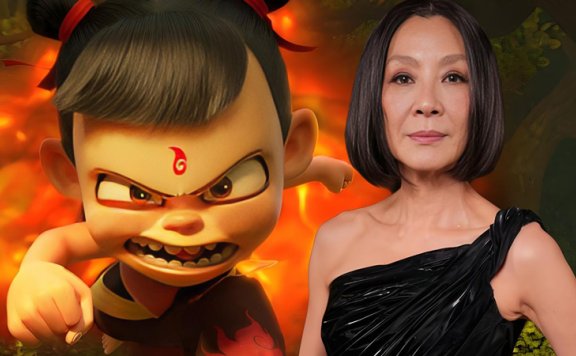
The highly anticipated English-dubbed version of Ne Zha 2 (哪吒2): The Devil Comes is set to premiere across North America and Australasia on August 22, 2025, marking a strategic expansion for this record-breaking Chinese animation. Oscar-winning actress Michelle Yeoh has joined the cast, lending her voice to an undisclosed role, as revealed by production partners China Lion Film and A24. This release aims to captivate audiences in the United States, Canada, Australia, and New Zealand with premium formats like IMAX and 3D, addressing cultural preferences for dubbed films over subtitles. Following its monumental success in China, where it grossed over $22 billion globally and dominated box office charts, this new iteration promises to amplify the film's universal themes of resilience and heritage for English-speaking viewers. Record-Setting Achievements The original Chinese release of Ne Zha 2 captivated audiences for an extended 153-day run starting January 29, 2025, becoming a cultural phenomenon with unprecedented milestones. It shattered 113 records and earned 308 accolades, cementing its status as China's all-time highest-grossing film and the global animation leader. Global earnings surpassed $22 billion, placing it among the top five highest-grossing movies in history, a testament to its widespread appeal and storytelling power. In North… -
Curious Tales of a Temple: Showcasing the Artistic Charm of Chinese Animation
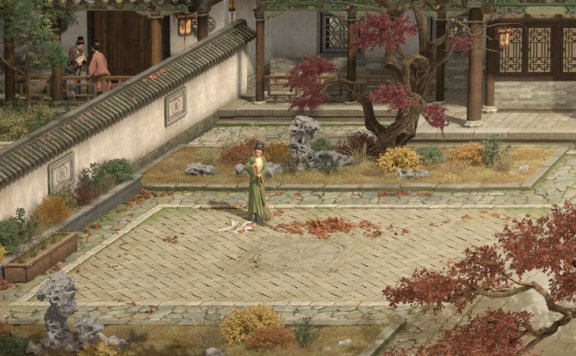
The animated anthology Curious Tales of a Temple (聊斋:兰若寺) premiered July 12th, reimagining classical Chinese literature through groundbreaking visual storytelling. Produced by Light Chaser Animation across four years, the 152-minute film interconnects five tales from Pu Songling’s (蒲松龄) 18th-century Strange Tales from a Lonely Studio (聊斋志异) with an original narrative thread. 6 directors crafted distinct artistic visions for each segment, creating a cohesive exploration of human desires and spiritual resilience. Opening day box office surpassed $2.2 million, signaling strong audience resonance with its innovative fusion of heritage and contemporary animation techniques. Emotional Journeys Through Folklore The anthology examines universal truths through supernatural parables. Taoist of the Mountain Lao (崂山道士) exposes greed’s consequences using tactile felt-textured animation, where heavy wool rendering symbolizes moral weight. The Lotus Princess (莲花公主) transforms a tragic romance into a child’s dreamscape adventure, celebrating innocence with floating petals and luminescent insects. Director Xie Junwei (谢君伟) describes this segment as "a bridge between adult nostalgia and children’s wonder," blending whimsy with emotional authenticity. Nie Xiaoqian (聂小倩) amplifies the original ghost story’s tension by setting it against wartime chaos, intensifying the bond between scholar Ning Caichen (宁采臣) and the spirit Nie Xiaoqian. Director Zou Jing (邹靖) explains the adaptation… -
6 Years Later, Drama Icons Rewrite Destiny Through Flourished Peony
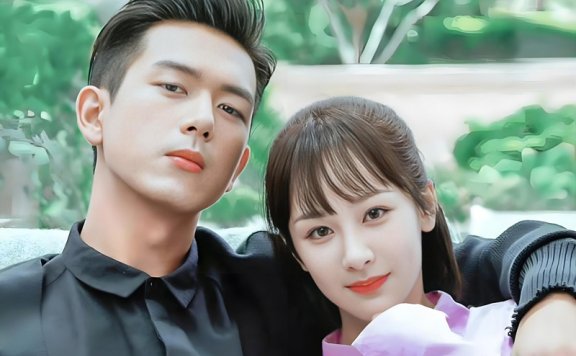
When Yang Zi and Li Xian reunited on screen in Flourished Peony (锦绣芳华), they reignited a flame first kindled in 2019’s Go Go Squid! (亲爱的,热爱的). This deliberate revival of chemistry—spanning modern romance to Tang Dynasty intrigue—transcended mere nostalgia, evolving into a masterclass in IP longevity. Nostalgia Crafted Frame by Frame The 2025 drama meticulously resurrected signature moments from its predecessor. The "shoulder-burrowing embrace," iconic in Go Go Squid!, reappeared in Flourished Peony as a tactile bridge across six years. During promotional livestreams, Yang Zi’s playful jab at "industrial sugar" tropes and Li Xian’s cherry-feeding gesture became viral lore. Fans crowned them "Pure Fate CP," celebrating improvised hand dances and red-string embraces that mirrored their characters’ enduring bond. On July 9, 2025—exactly six years after Go Go Squid! premiered—both series’ official accounts staged a coordinated "One Life, One World" social media exchange. A montage intertwining the couples’ journeys framed it as karmic destiny, flooding platforms with hashtags like "#19SummerWindBlowsTo25." Viewers binge-watched Flourished Peony as tribute, declaring it "the ultimate gift" for loyal followers. Characters Reborn, Themes Elevated Yang Zi’s transformation from sweet-genius computer whiz Tang Nian (佟年) to resourceful entrepreneur He Weifang (何惟芳) showcased narrative ambition. Li Xian’s shift from esports…