Article
Search results:
-
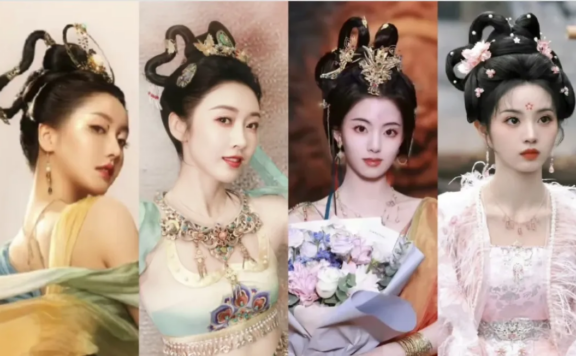
Why Are Double-loop Bun Hairdos So Popular in Cdramas?
Why do fairies in ancient costume dramas always have two loops on their heads? It seems that in the ancient costume dramas I watched as a child, fairies all sported this hairstyle. Usually, there are two loops, but there can also be multiple loops. What's the name of this hairstyle? Let me give the answer first. This hairstyle is called the Double-loop (Bun) Immortal-worshipping Hairdo, which evolved from the Double-loop Hairdo. "Bun" and "loop" are interchangeable, just different terms. The Double-loop Hairdo was originally a hairstyle for young girls, and multiple loops can also be collectively referred to as "Bun Hairdos". But perhaps because it's so beautiful, this hairstyle also frequently appears in paintings of immortals, such as the famous ancient painting The Nymph of the Luo River and The Scroll of Eighty-seven Immortals. Since then, the fashion has spread throughout history. Because it's the hairstyle of fairies, people weren't satisfied with the traditional name of the double-loop and gave it a new name, "Immortal-worshipping Hairdo". As the name suggests, "this style can only be found in the heavens". Evolution of the Hairstyle You can see that there's an evolutionary context from the traditional Double-loop Hairdo to the Double-loop Immortal-worshipping… -
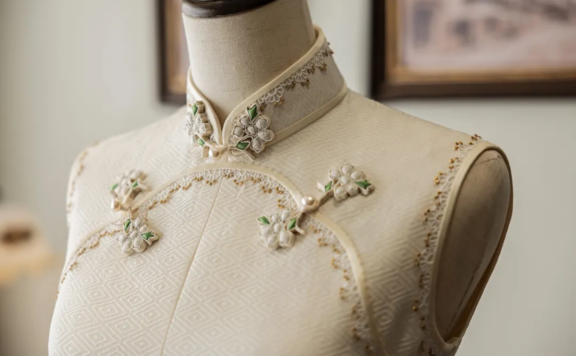
Explore the Sleeve Types and Styles of Qipao
In the world of Qipao, sleeve selection is crucial! In Qipao making, sleeves are an extremely important part. They not only help the skirt and waist achieve a slender silhouette but also accentuate the delicate beauty of the shoulders and neck. Moreover, a uniquely - designed and romantic sleeve is like the icing on the cake, an extension of decoration and an enhancement of beauty. Today, I'll focus on the sleeve types and styles of Qipao and discuss what kinds of sleeves it has. Classic Qipao Sleeve Types Sleeveless: A versatile Qipao style, it's light and simple, allowing the arms to be more fully exposed, which helps elongate the arm lines and create a slender figure. Shoulder Sleeve: The shoulder and sleeve parts are connected, creating soft shoulder lines and highlighting the overall feel of traditional Qipao, naturally fitting the curve of our shoulders. It's especially friendly to ladies with narrow shoulders and is often used in younger - styled Qipao. Moon Sleeve: Based on the sleeveless design, a small sleeve is added, softening the shoulder lines and providing some coverage for a slimming effect. Ultra - short Sleeve: Slightly longer than the moon sleeve, offering better coverage for the… -
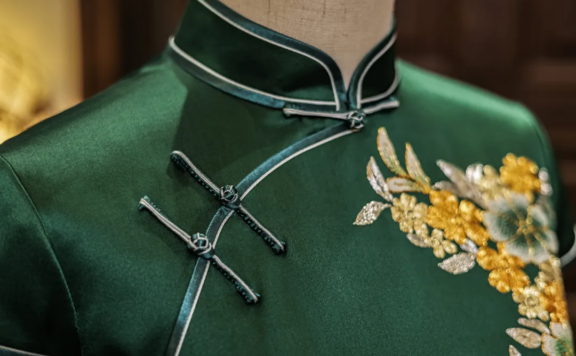
Cheongsam for the Double Ninth Festival
September 9th is a special festival in Chinese traditional festivals. The Double Ninth Festival on this day is special because of its auspicious meaning. On the 9th day of the 9th lunar month, both the day and the month are 9, so it's called "Chongjiu". Also, 9 belongs to Yang in ancient times, and double Yang is a good omen and a good meaning. So on this day, there have always been traditional customs like "climbing high to drive away evil spirits, wearing dogwood, appreciating chrysanthemums, and sacrificing to heaven, earth, and ancestors to express gratitude for the harvest". In addition, it's also a festival for visiting relatives and respecting the elderly. In 1989, our government officially designated the 9th day of the 9th lunar month as "China's Senior Citizens' Day". On such a celebratory day, buying a gift for elders to show respect and love has become a top priority for many people. So what kind of gift to choose? If you haven't decided yet, we suggests giving your relatives or mother a cheongsam, which represents the beauty of Chinese national essence and is a women's national dress. It not only echoes the traditional festival atmosphere of the Double… -
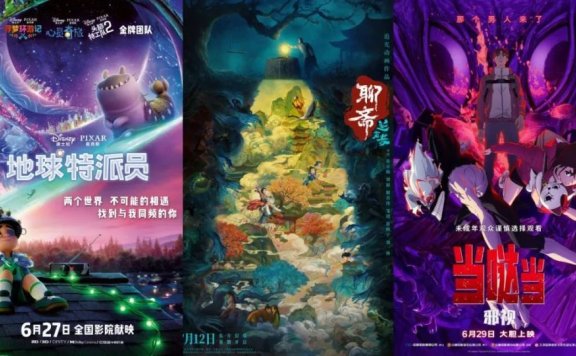
Can Animated Films Recapture Their Stronghold in the Summer Movie Season?
The afterglow of Ne Zha: Rebirth of the Demon still lingers. With the arrival of the summer movie season, animated films are stirring again. The summer movie season, as a peak period for teenage movie - goers, has always been the stronghold of animated films, and this year is no exception. According to Maoyan Professional Edition data, as of June 20th, 85 movies are expected to be released during the season, among which there are a full 17 animated films. It's another big year for anime. The anime craze in the film market has lasted for quite a long time. From the fierce competition of animated films in the 2024 summer movie season to the nationwide viewing boom of Ne Zha 2 during the 2025 Spring Festival, animated films have always had a high profile. However, this hustle and bustle is only reflected in the number of films. Or rather, the excitement belongs to Ne Zha 2 alone. The continuous slump in box - office performance is the norm for the animated film market. Facing the situation of 'one super - strong and many weak', can animated films recapture their stronghold this summer? Animated Films The clustering of animated films… -
The Dawn of a New Era: China's Animation Renaissance in 2025
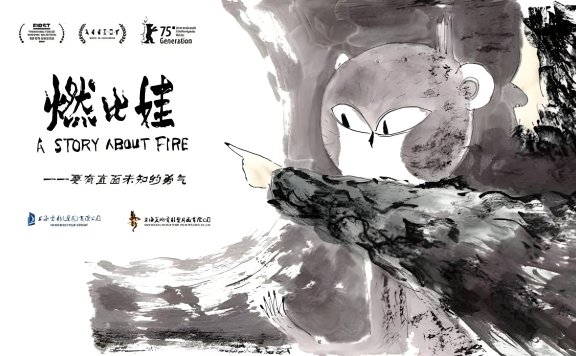
2025 marks a monumental year for Chinese animation, signaling a cultural renaissance that has fans worldwide buzzing with anticipation. This isn't just a wave - it's a tsunami of creativity, with over a dozen highly anticipated films set to debut, reflecting China's growing confidence in storytelling and technological innovation. For decades, Japanese and Western animations dominated the global scene, but 2025 changes the game. Studios like Shanghai Animation Film Studio and creators such as Yi Zhongtian (易中天) (famed for his historical expertise) are pushing boundaries, blending ancient myths with cutting-edge CGI. The lineup includes titles ranging from fantasy adventures to historical epics, all poised to captivate audiences with their unique narratives. This surge is fueled by rising domestic talent and international recognition, as seen in films like A Story About Fire (燃比娃), which premiered at the Berlin International Festival. For anime enthusiasts, this year promises an unprecedented feast of imagination, where every release feels like a step toward redefining what animation can achieve in the 21st century. Stories That Redefine Fantasy Among the standout films, Endless Journey of Love (时间之子) stands out with its blend of historical Shanghai and supernatural intrigue. Set for release on May 30, it follows Qian… -
The Origin and Styles of the Chinese Rabbit Hairstyle
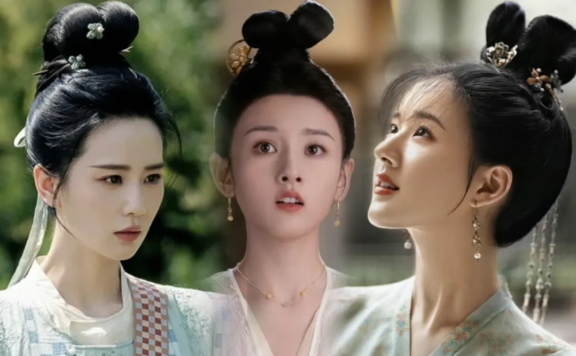
What's the name of the rabbit - like hairstyle on Song Zuer's head? In ancient - costumed dramas, we often spot this kind of rabbit - like hair bun, which netizens lovingly call the 'rabbit hairstyle'. What's its origin? Why do female stars adore it? Let me share the conclusion first. This hair bun resembling rabbit ears can generally be called 'double buns'. Double buns are a general term for two buns. Looking into specific styling details, they can also be named 'Lily Buns', 'Intertwined - heart Buns', etc., all styles of double buns. There's a gap in the middle or they're crossed, and it was a popular hairstyle in the early and prosperous Tang Dynasty. We can see it in many TV dramas, usually paired with Tang - style Hanfu, like the chest - high shirt and skirt, showing simplicity and vitality, as well as a girlish charm. According to 'Zhonghua Gujin Zhu' by Ma Gao of the Five Dynasties, the Lily Bun was very trendy during the Zhenguan period: 'During the Zhenguan period, people combed the Submissive Bun. Also, Yang Yuhuan combed side buns and did the crying - makeup. There were also the Sorrow - coming Bun,… -
The Golden Era of Kung Fu Cinema
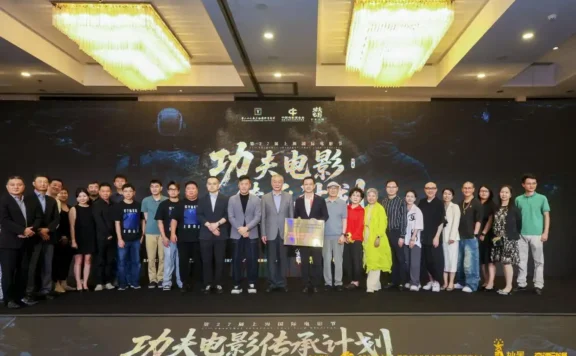
Long before algorithms and virtual production dominated film sets, there existed a breed of storytellers who poured blood, sweat, and an unyielding love for martial arts into every frame. Among them stands Rigo (里戈), a name etched into the annals of kung fu cinema, and Yu Rongguang (于荣光), the actor-director whose voice now bridges past and future. In the heyday of classic kung fu films, Yu Rongguang was more than a performer - he was a custodian of tradition. Working alongside iconic directors and leading studios, he and his peers approached each project with the gravity of preserving a cultural legacy. “We staked our all to craft something unforgettable,” Yu reflects, his words carrying the weight of late-night rehearsals, bruised limbs, and the shared urgency of a generation determined to make kung fu not just a genre, but a global language. These were the days when every kick, every parry, and every emotional beat was honed through sheer physicality. Films like Once Upon a Time in China (黄飞鸿) and Crouching Tiger, Hidden Dragon (卧虎藏龙) had already planted kung fu’s flag on the world stage, but it was the unsung labor of artists like Yu - stunt coordinators, fight choreographers, and… -
4 Highly Anticipated Series Set to Debut This Month
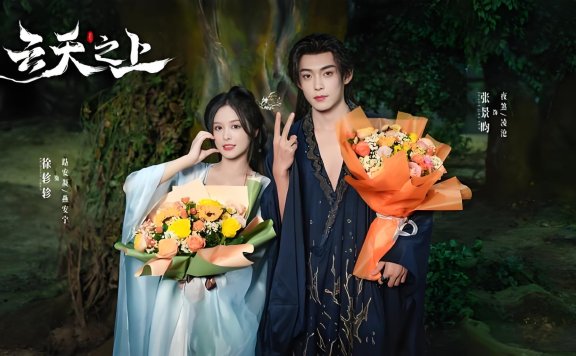
As June unfolds, the small screen is gearing up for a vibrant lineup of new dramas. On June 18, 2025, four fresh series officially announced their release dates - one ancient fantasy epic and three modern-themed shows, each boasting unique genres, star-studded casts, and plotlines designed to captivate diverse audiences. Let’s dive into what these titles have in store. 1. Cloud Heaven’s Summit (云天之上) Blends Myth and Rebellion Leading the charge is Cloud Heaven’s Summit, a much-talked-about ancient xianxia (immortal hero) fantasy drama that premiered on Tencent Video starting June 20. Directed by Cui Xiaoxiao (崔肖肖) and written by Chen Yongyi (陈泳夷), the series stars Xu Zhenzhen (徐轸轸) as the dual-identity protagonist Lu Anning/Yan Anning (路安凝/燕安宁) - a goddess bound by celestial fate - and Zhang Jingyun (张景昀 ) as the fearsome Demon Lord Ye Sha/Ling Cang (夜煞/凌沧). The narrative revolves around their fiery rivalry turning into an unlikely alliance. Forced into a cycle of conflict by predestined fates, the pair gradually awaken to their own agency, choosing to defy the heavens rather than submit. With soaring visuals, intricate world-building, and a central theme of resisting destiny, Cloud Heaven’s Summit aims to rekindle fans’ love for xianxia tropes while adding a… -
A Deep Dive into Cheongsam Pankou Buttons
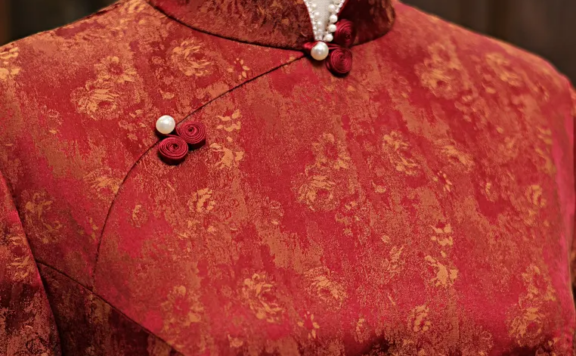
Today is a special sharing session about cheongsam pankou buttons. In the process of making a cheongsam, these buttons are not only the finishing touch but also the starting point, just like the opening of a perfect work. A surprising or unexpected start can always spark more attention and appreciation later. Meanwhile, these buttons, which are linked to the essence of traditional Chinese culture, are an important way for us to rediscover Chinese characteristics. They are small, delicate, and a vivid symbol of the ancient people's aesthetics. In ancient times, our ancestors needed to use ropes or belts to tie knots or fasten buttons to fix the front of their clothes and keep warm during work. This kind of knot can be regarded as the earliest origin of the frog buttons. Later, with the development of dynasties, the knots also changed accordingly. For example, the "ribbon" in the Zhou Dynasty, the "silk ribbon" in the Northern and Southern Dynasties, the "silk knot ribbon" in the prosperous Tang Dynasty, and the "jade ring ribbon" in the Song Dynasty. These are all the step - by - step changes of the knot ribbons evolving into frog buttons. In the Ming and Qing… -
Song Brocade, the Top Fabric of Cheongsam
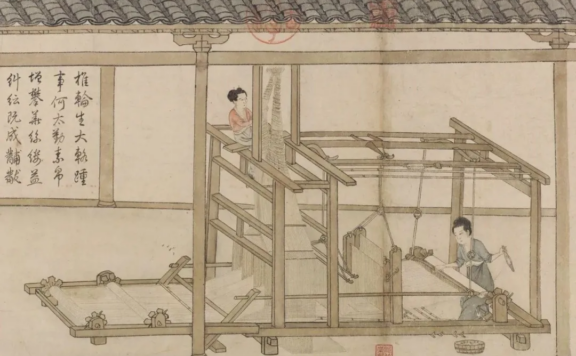
Song Brocade. As one of China's traditional silk handicrafts, Song Brocade traces its origins to the Spring and Autumn period, took shape during the Song Dynasty, and flourished in the Ming and Qing Dynasties. Alongside Nanjing Yun Brocade, Sichuan Shu Brocade, and Guangxi Zhuang Brocade, it is revered as one of China's Four Great Brocades. Historical records from the 'Song Shi Yu Fu Zhi' note that after the Southern Song court relocated south, the urgent demand for high - quality brocade for calligraphy, painting mounting, and clothing production made Suzhou the primary production hub. Hence, later generations invariably associate brocade with Song. The documentary 'The Splendid Tale' highlights how Suzhou's unique geographical advantages and abundant resources provided superior raw materials, earning Song Brocade the moniker 'Suzhou Song Brocade.' The local folk song 'Wu Ge' captures the regional essence: 'In April, the warmth spreads, and households bustle with silkworm rearing.' The 'Silk Weaving Illustrated' by Southern Song painter Lou Shu offers a glimpse into the entire production process from'silkworm bathing' to'silk weaving.' After its zenith during the Yuan, Ming, and Qing Dynasties, Song Brocade perfected its technique, featuring warp - faced twill as the base and weft - faced twill for… -
Top 8 Must-Watch Costume Dramas Starring Meng Ziyi
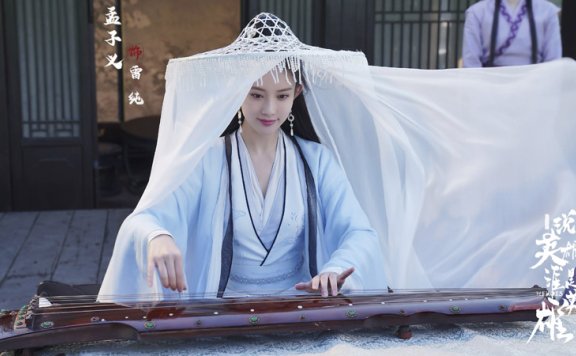
Meng Ziyi (孟子义) has rapidly ascended as a standout actress in Chinese historical dramas, blending stunning visuals with nuanced portrayals of resilient women. Whether playing a vengeful rebirth heroine or a diplomatic princess, she injects intelligence and emotional depth into every role. Here's a curated guide to her finest costume dramas—including the highly anticipated 2025 release. Blossom 九重紫 Aired: 2024 Period Background: Ming Dynasty-inspired fictional era Genres: Rebirth drama, Family revenge, Political strategy Main Roles: Meng Ziyi (Dou Zhao), Li Yunrui (Song Mo) Adapted From: Novel by Zhi Zhi Dou Zhao dies betrayed by her husband, only to awaken in her youth with memories intact. Partnering with General Song Mo, who also retains past memories, she races to prevent her mother's poisoning and reclaim stolen family assets. Despite their efforts, fate intervenes—her mother still dies, propelling Dou Zhao into a broader battle against systemic corruption. She navigates patriarchal constraints, outmaneuvers scheming relatives, and builds economic independence through shrewd entrepreneurship. Her alliance with Song Mo evolves from tactical cooperation to a deep bond as they expose political conspiracies threatening the nation. Narrative Precision & Emotional Resonance The story avoids clichéd "revenge fantasy" tropes. Dou Zhao's struggle emphasizes practical agency—using business acumen… -
The Litchi Road: An Ancient Workplace Survival Guide
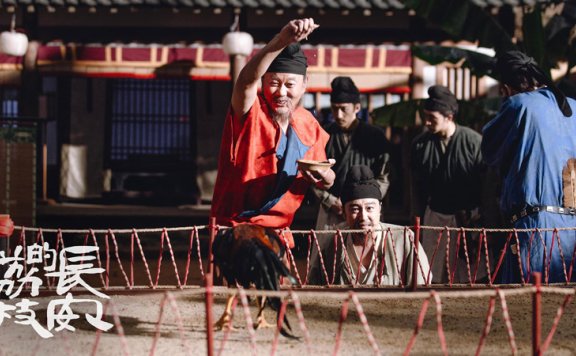
As a popular choice for screen adaptations, the novels of Ma Boyong always garner widespread attention when brought to the screen. The recently aired The Litchi Road is yet another work of Ma Boyong, following the success of The Longest Day in Chang'an, LUOYANG and Under the Microscope, that has been adapted into a TV series. The Litchi Road is produced by China Central Television, China TV Drama Production Center, Penguin Pictures, and Liubai Film & Television. Directed by Cao Dun and Gao Xiang, with Ma Boyong as a story consultant, the series stars Lei Jiayin and Yue Yunpeng. It is a witty drama that blends ancient and modern sensibilities. The story takes place during the Tang Dynasty and follows Li Shande, an inconspicuous low-ranking official in Chang'an, who is framed and reluctantly tasked with the nearly impossible job of transporting fresh lychees from Lingnan to Chang'an. With a tight deadline and limited resources, Li embarks on a journey that spans over a thousand miles to complete the mission. Known for using high-density information to drive the narrative forward, Ma Boyong is also adept at focusing on the fates of small characters. The Litchi Road continues this tradition, earning it… -
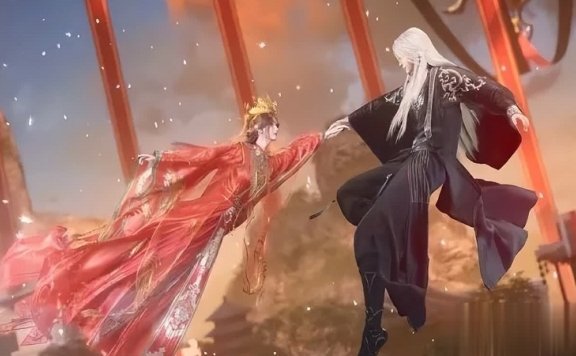
Renegade Immortal: Qidian-Style Progression Meets Jinjiang-Style Romance
The Chinese anime Renegade Immortal (仙逆) recently released its theatrical film Battle of Divine Descent. Adapted from Er Gen's xianxia web novel, Renegade Immortal follows Wang Lin, an ordinary boy who defies fate to cultivate immortality. Its 2023 anime adaptation received consistent acclaim, transitioning from seasonal to year-round release status. As the franchise's first theatrical film, Battle of Divine Descent was highly anticipated. While its pacing received mixed reviews compared to the series, it delivered abundant romantic moments for the main couple, proving highly appealing to shippers and maintaining strong popularity. Renegade Immortal's success stems from its mastery of blending male-oriented and female-oriented narrative appeals: Protagonist Wang Lin operates with ruthless decisiveness, delivering high-octane satisfaction for action fans. His character design is exceptionally handsome, and he exhibits unwavering devotion to the female lead Li Muwan. He represents a rare "exemplary fidelity" archetype within male-oriented narratives, whose romantic depth rivals dedicated love interests in female-oriented stories. The "Lin-Wan" couple pairing has attracted a massive fandom, including significant female viewership. News of an upcoming live-action adaptation has sparked heated discussion. While such adaptations cannot replicate the anime's approach, Renegade Immortal offers valuable insights for male-oriented IPs seeking broader audience appeal. The Anime's… -
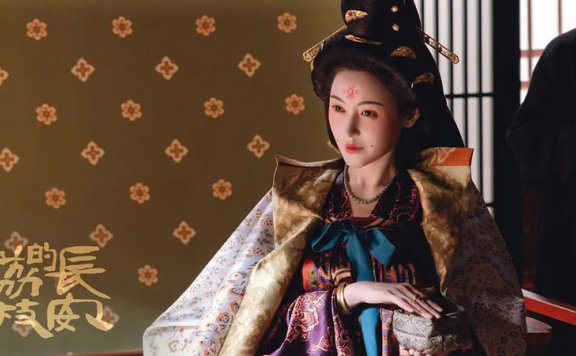
Historical Dramas: A Tough Sell?
Since its premiere, The Litchi Road (长安的荔枝) has experienced a somewhat slow start. So far, the show's share on Yunhe platform has stabilized around 10%, which suggests that the effective per-episode view count hasn't broken the 10 million mark. Meanwhile, social media discussions show the series lacks breakout topics and overall buzz remains limited. Even on television, where historical dramas typically hold an advantage, The Litchi Road failed to ignite major interest. According to Kuyun statistics, after airing on CCTV-8, the daily ratings dropped from 1.4885 at debut to 1.2093 by June 10th. This raises another question: can historical dramas still activate the market today? Historical dramas—including both serious and legendary genres—have been frequently discussed in the industry over the past two years. Last spring's industry conference featured multiple remarks suggesting "historical dramas may make a comeback as a new market hotspot." A series of projects are also underway, positioning this genre as a key effort to solve current content challenges and boost the market. The reason lies in the past super high popularity of historical dramas on TV, which made people see the potential for activating diverse audiences. But judging by recent project performances, this assumption deserves a question… -

Food Divination: A Gentle Negotiation Between Humans and Fate
Every year, during the Dragon Boat Festival (端午节), you'll see families across China hanging bundles of mugwort (艾草) on their doors, wearing fragrant sachets close to their bodies, and tying colorful threads on children's wrists. In places like Henan and Zhejiang, pots are filled with garlic and eggs. These time-honored traditions, passed down for thousands of years, form a complete "protective system" against evil spirits. But the Dragon Boat Festival isn't just a day to remember the poet Qu Yuan. Its long-standing folk practices signify a celebration of life, a prayer for the living, and a struggle against the uncertainty of life. Traditional Food Rituals as Protection During Festivals A saying goes, "If you don't wear mugwort on Dragon Boat Festival, you'll turn into a ghost after death." Mugwort and calamus, often placed at the thresholds of homes, act like plant-based charms, creating a symbolic barrier to safeguard both family and body. Food, which enters the body directly, forms an even closer connection with people and is given the special power to ward off evil spirits. For example, the red beans, salted egg yolks, and salted meats wrapped inside zongzi (粽子, traditional sticky rice dumplings) are considered "yang objects" (阳物),… -
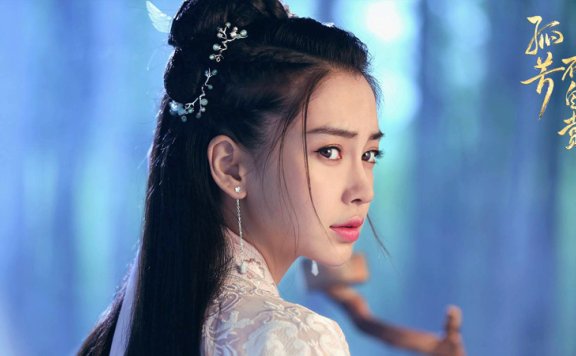
4 Angela Yang Ying’s Most Iconic Historical Dramas
Angela Yang Ying (杨颖), better known by her stage name Angelababy. She has carved a unique niche in Chinese historical dramas, blending ethereal beauty with roles that challenge traditional gender archetypes. From cunning strategists to cross-dressing merchants, her performances thrive on duality—soft yet fierce, vulnerable yet unyielding. While her acting has faced scrutiny, her on-screen charisma and evolution in period pieces remain undeniable. This article spotlights four of her most iconic historical dramas, dissecting how she transforms into characters that defy expectations. General and I 孤芳不自赏 Aired: 2017 Period Background: Fictional Warring States era Genres: Historical romance, political intrigue, wartime strategy Main Roles: Yang Ying as Bai Pingting, Wallace Chung as Chu Beijie Adapted From: General and I by Feng Nong Set against the backdrop of warring states vying for supremacy, Female Zhuge Liang centers on Bai Pingting, a prodigious tactician whose strategic genius earns her comparisons to the legendary Zhuge Liang, the architect of the Three Kingdoms' balance of power. Her brilliance becomes both her weapon and her curse when she crosses paths with Chu Beijie, a rival general whose military acumen matches her own. Their initial encounters are marked by psychological warfare: Bai devises traps to destabilize his… -

The Stunning Beauty of Leading Actresses in Costume Dramas
Yu Zheng may not have the best reputation, but his aesthetic sense is truly remarkable. The currently airing drama, The Song of River Reeds (临江仙), is a visual feast. Just the looks of the male and female leads are enough to make people enjoy the sweetness of this "divorced" couple. The supporting characters are even more stunning. Zhao Zhaoyi is sweet and elegant. When she makes an appearance, she exudes the charm of an ancient beauty. Even without a white dress to highlight her etherealness, her whole demeanor is lively, making her a perfect fit for a xianxia drama. Zhou Jieqiong, in a purple dress, has a pure face and a somewhat stubborn look in her eyes. She is a beauty who is both clear - cut and impactful. He Ruixian, whom Yu Zheng has tried to promote several times, has big, gentle and bright eyes. Even with a simple hairstyle, she has a transcendent beauty. Yu Zheng selects supporting characters with such high - level looks, even for those marginalized characters with only a dozen - minute appearance. Their appearances stun everyone, and this is the kind of beauty a leading actress in a costume drama should have. Huang Riying's… -
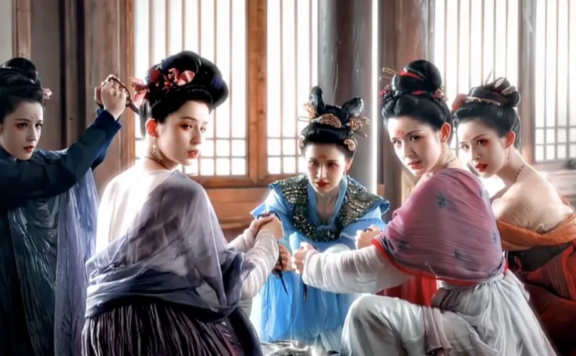
Beauties in Xinjiang, Goddesses in Dunhuang Murals
In the ancient - costume drama The Longest Promise, Hanikiz's Tang - style makeup was truly impressive. Considering her previous Dunhuang - themed looks, netizens exclaimed that she was the 'Chosen One of the Tang Dynasty'. Why do we have such a strong impression of this kind of makeup? Let me start with the conclusion. We often say that the 'Hu style' prevailed in the Tang Dynasty. But where did this 'Hu style' come from? Looking back at this trend, the Uyghur people are a prominent example. The Uyghurs were originally called 'Huihe'. Through historical development and evolution, they eventually became the Uyghur ethnic minority we know today. The Uyghurs have distinct facial features, with thick eyebrows, big eyes, and three - dimensional facial structures, along with a strong and healthy build, which gives people a strong sense of the 'Hu style'. The historical influence of the Uyghurs is also profound. Before the Tang Dynasty, they were called 'Huihe' and once submitted to the Turks. Later, when the Turks were in turmoil and the Tang army attacked the Turks, they helped the Huihe establish the 'Uyghur Khaganate'. From then on, they 'abandoned their nomadic lifestyle and became sedentary people', which… -
Why Are the Necklines Pulled So Low in Cdramas?
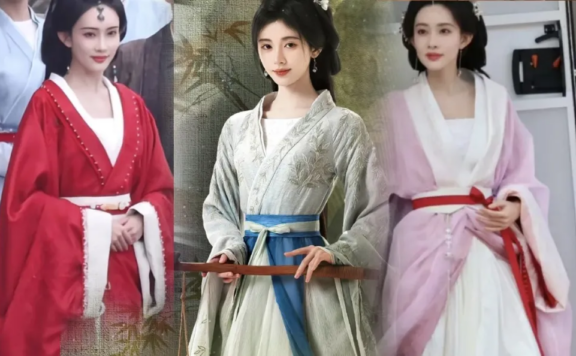
Recently, the new drama styling of Meng Ziyi has sparked quite a controversy. This large neckline design that reveals the collarbone, which we seemed to only see in early costume dramas, is popular again. In fact, this design isn't just in TV dramas but also in ancient - style photo studios everywhere. Some people even deliberately lower the collar to show their collarbones and camisoles. This somewhat revealing image is more like 'border - crossing' rather than creating an ancient - style atmosphere. Does this way of dressing really exist? First, there were indeed wide - necked robe designs in the Qin and Han dynasties, used as outerwear when layering. Later, during the Northern and Southern Dynasties, it was mainly applied to ruqun (a traditional Chinese women's clothing style), a transition from the shallow cross - collar to the front - closing collar similar to that in the Tang Dynasty. However, this way of dressing was revealing but not alluring, having nothing to do with border - crossing. How wide could the necklines be in the Qin and Han dynasties? The side width of the neckline of the straight - skirted robe N10 in the Mashan Chu Tomb was 43… -
Ushering in 2025 with Fashionable Cheongsam Colors
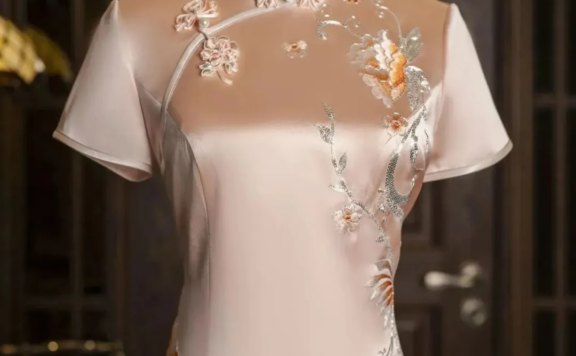
New year, new look, countless fresh things are coming towards us. Now, what we can do is to seize the joy and creativity they bring. So today, we will start a new chapter based on the annual color trend and introduce the new styles and trends for next year, not for you to follow blindly, but to offer better and more inspiring beauty for our new year. Pantone's 2025 Color of the Year: Soft Peach The most authoritative color institution in the world, Pantone, announces the "Color of the Year" at the end of each year. The 2025 Color of the Year is "Soft Peach", a gentle hue between pink and orange, exuding an ambiguous, warm and romantic atmosphere. Laurie Pressman, vice - president of the Pantone Color Institute, said: "We've seen the growing importance of community. People around the world are re - evaluating what kind of lifestyle they want and what's most important. We want to convey the power of care, accompany our loved ones closely, regain a sense of comfort and security, or unite people and enrich each other's souls." Soft Peach represents a warm vision of love, with a bright, soft and light charm. It also…