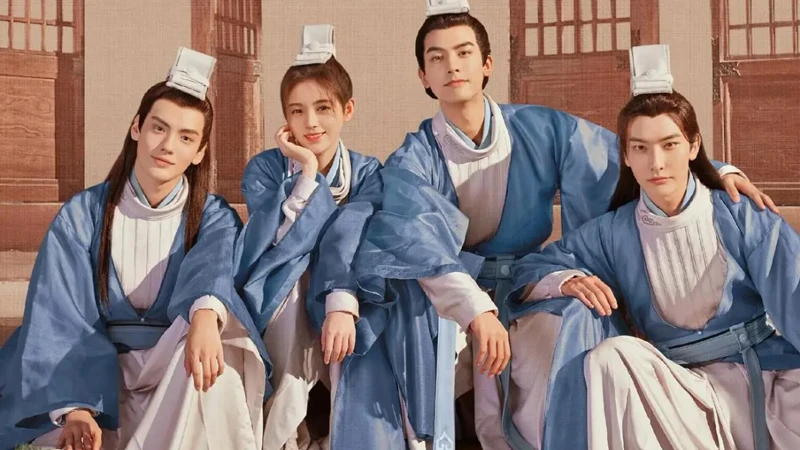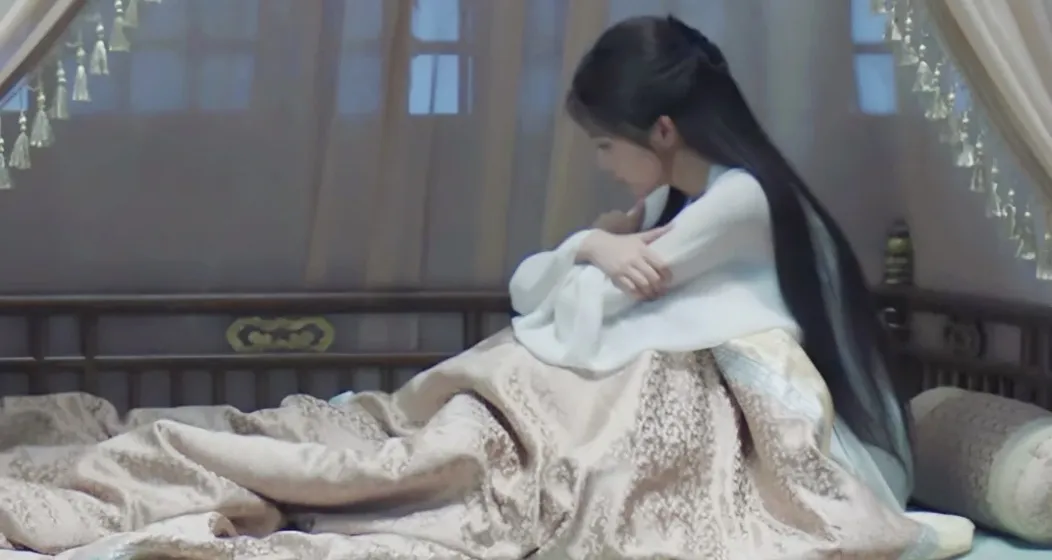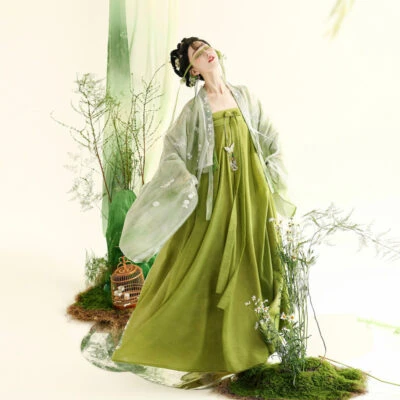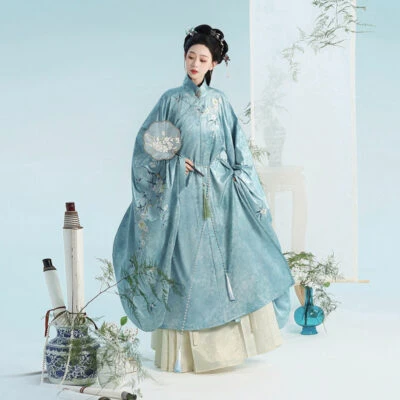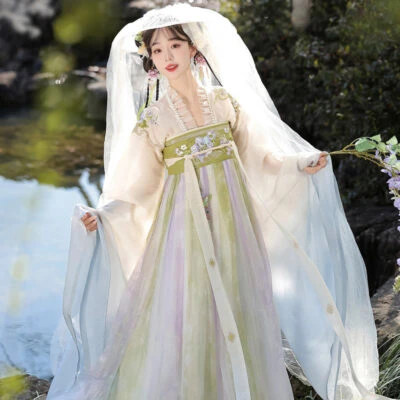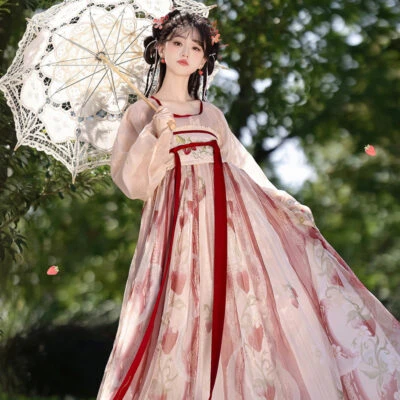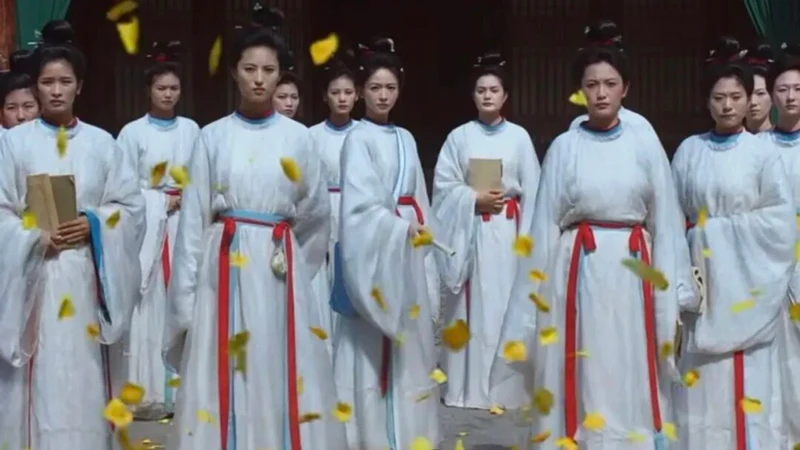
A strange thing happened this school year: Shenzhen (深圳) school uniforms became an online fashion topic. At the same time, viewers of Royal Betrothal (御廷谣) noticed Wu Jinyan (吴谨言) in a girls’ academy outfit. The robe looked clean, elegant, and oddly modern. It made people ask: did ancient Chinese students have uniforms too? The short answer is yes, but not in the way we imagine.
Ancient dress followed rank, ritual, and occasion. Two garments matter most here: the round-collar robe for daily life and the scholar’s hemmed robe for formal study. Their story stretches across northern horsemen, Tang palaces, Song academies, and Ming classrooms. It also explains why some costume dramas look convincing while others feel like a closet accident.
Round-Collar Clues
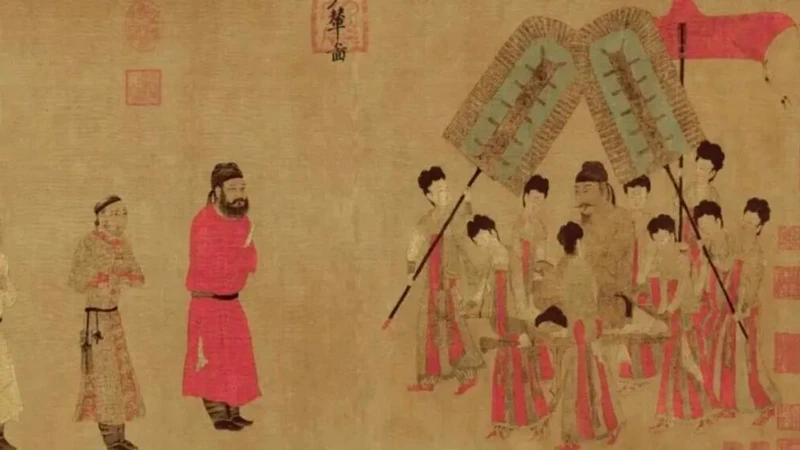
The round-collar robe did not begin in central China. It came from northern nomadic groups, moved south during the Wei, Jin, and Southern-Northern Dynasties (魏晋南北朝), and became standard in the Tang Dynasty. A typical set paired a narrow-sleeved long robe with a futou (幞头) headwrap, a diexie (蹀躞) belt, and black leather boots. In early Tang, it belonged mainly to men. Officials wore colors and patterns tied to rank; emperors and ministers appear in it in Emperor Taizong Receiving the Tibetan Envoy (步辇图). Women mostly wore tops, skirts, and draped scarves. So how did a men’s garment become a shared look?
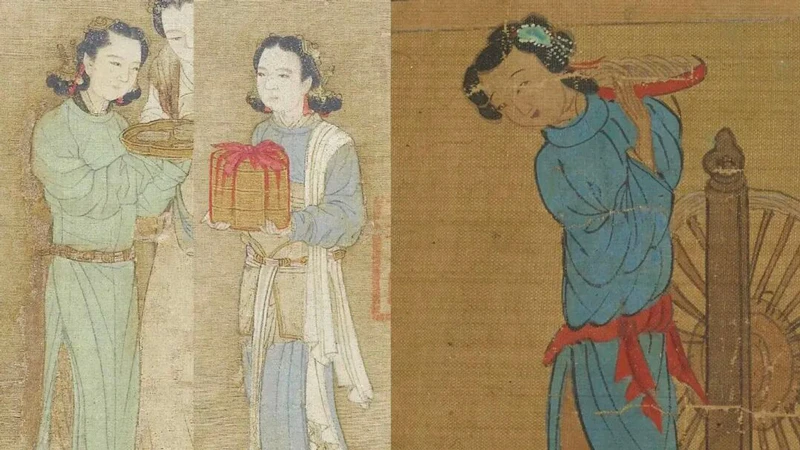
During Kaiyuan (开元) and Tianbao (天宝), High Tang society loosened up. Women wearing men’s robes became a nationwide trend. Old Book of Tang: Monograph on Carriages and Robes (旧唐书·舆服志) says women inside and outside the palace wore men’s clothes and boots. Ancient and Modern Chinese Notes (中华古今注) adds that officials’ wives often wore men’s boots, shirts, and soft caps. Murals in the tomb of Crown Prince Zhanghuai (章怀太子) and Lady Guoguo’s Spring Outing (虢国夫人游春图) show women in round-collar robes, some with male headwear, some keeping female hairstyles. Princess Taiping (太平公主) once met Empress Wu Zetian (武则天) in a military officer’s robe. Wu noted the outfit immediately. People understood gender codes; they simply played with them.
Still, those split-hem round-collar robes were daily wear, not a formal school uniform. The real academic uniform across Tang, Song, and Ming was the scholar’s hemmed robe, or lan robe (襕衫). It followed deep-robe ritual rules: a round collar, wide sleeves, a horizontal hem panel replacing the lower skirt, pleats at the waist, and neat edges. It looked upright and gentle, exactly what academies wanted. The garment marked students, Confucian scholars, and candidates. It also appeared in local Confucius ceremonies and ritual dances. So the drama’s round-collar look borrows from a broader fashion world, while the true classroom uniform had its own strict grammar.
Scholar’s White Robe
The lan robe changed with each dynasty. Tang versions were plain, often without contrasting borders, so they looked close to ordinary round-collar robes. Song Dynasty rules became clearer. History of Song: Monograph on Carriages and Robes (宋史·舆服志) describes a robe of fine white cloth, round collar, broad sleeves, horizontal hem, and waist pleats. It served advanced scholars, Imperial College students, and local school pupils. The white fabric carried a moral message: a student should stay clean in conduct and intention. Song robes allowed more color freedom in borders, but the basic shape stayed formal. In paintings and records, the white lan robe feels less like fashion and more like an exam hall uniform.
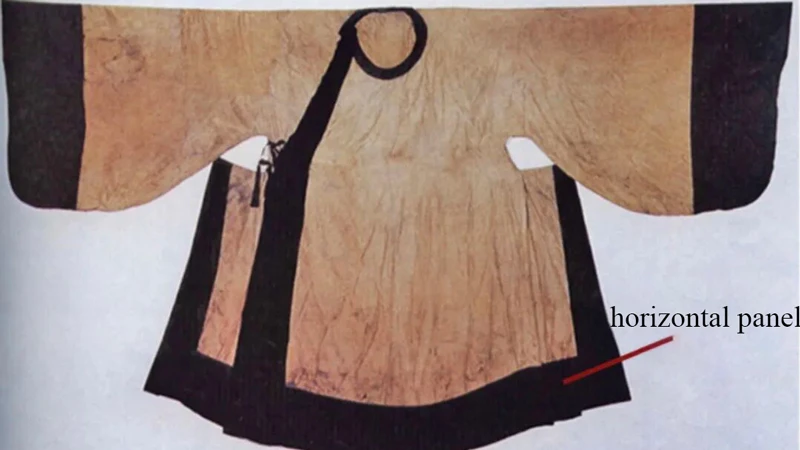
The Ming Dynasty made the student robe an official design. In the 24th year of the Hongwu (洪武) reign, Zhu Yuanzhang (朱元璋) set the scholar’s cap and clothing. The first version used jade-colored silk, wide sleeves, black borders, a black belt, and a soft cap with hanging bands. Later changes settled on a deep blue body, black edges, and a scholar’s cap. People called it the blue robe. This was not random costume design. It was state-approved dress for students, with rules about fabric, color, and cut. A uniform could signal humility, discipline, and membership in a learned class.
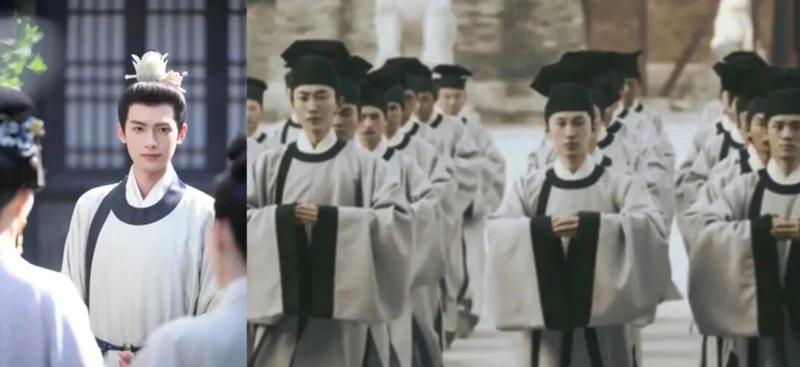
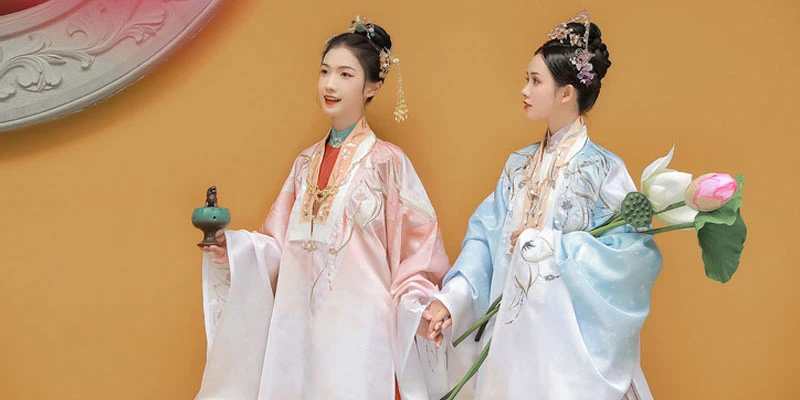
Many costume dramas ignore this history. They pile Han crowns onto Tang round collars, then add Song open-front jackets, creating a tidy but false look. Royal Betrothal does better. Its girls’ academy outfit mixes Tang and Song notes: the ease of High Tang, the restraint of a scholar. It is not a documentary, but the design tries to respect period logic. That effort matters. Viewers may not know the word lan robe, yet they can feel when a costume has roots. More historical dramas should study cut, rank, and ritual before chasing sparkle. Then ancient uniforms can be both beautiful and believable.