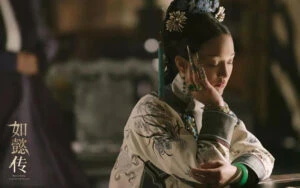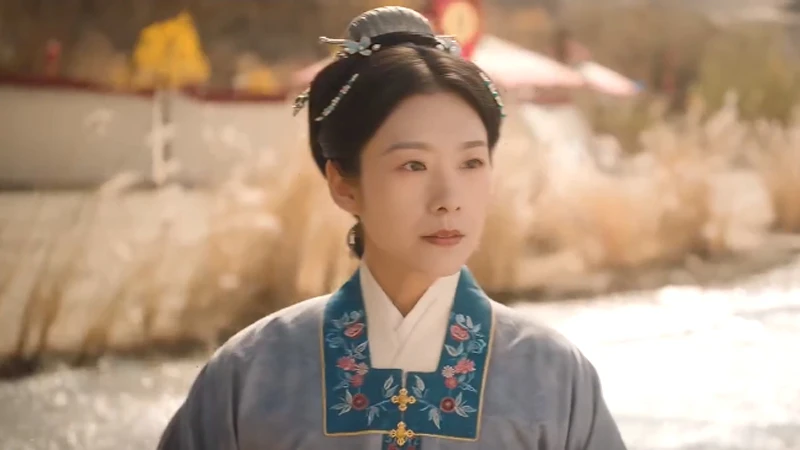
In The Road to Splendor (花开锦绣), Lady Wang (王) enters a room with the calm authority of a noble family’s matriarch. Portrayed by Lü Xiaolin (吕晓霖), she seldom needs a loud voice; her posture, gaze, and unhurried gestures carry weight. Viewers who remember Lü from Day and Night (白夜追凶) as Gao Yanan (高亚楠) may recognize the same restraint.
Yet one detail in her new costume has sparked debate: the ornament on her head looks like a man’s hair-binding crown. Why would a married noblewoman wear an item associated with male scholars and officials? The answer is more interesting than a simple costume mistake. In fact, women of the Ming dynasty did wear such crowns, though the habit was neither universal nor well known. The confusion reveals how clothing, memory, and screen habits shape what we assume about the past.
Not Only Men
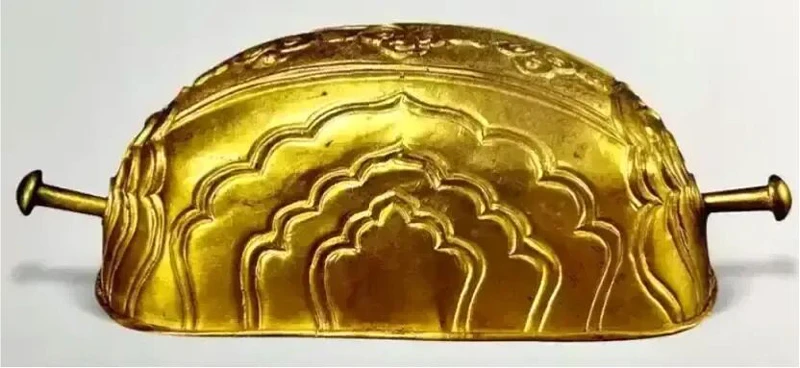
The hair-binding crown, sometimes called a small hair crown, began in the Five Dynasties. It looked like a small bowl turned upside down. A complete cap covered the gathered bun, with holes on both sides. A hairpin passed through the bun and held the crown firmly. Materials varied. Aristocratic families used jade or pure gold. Officials and commoners chose silver, copper, lacquered wood, or even ceramic. Surfaces could be plain, carved with scrolling vines, or raised with vertical ridges. The version worn by Lady Wang has that ridged shape, elegant but not flashy.
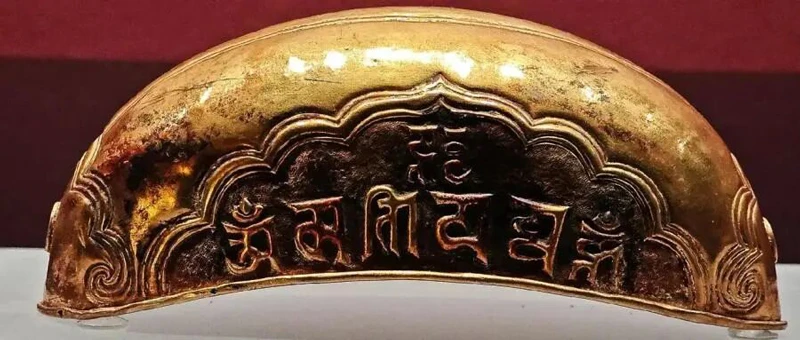
During the Song dynasty, the small crown became common, mainly for men. Writers, scholars, and officials wore it at home because it was lighter and more comfortable than formal headwear, yet still respectable. Women’s hair ornaments followed different fashions: high buns, hairpins, ring-shaped crowns, and flower crowns. A small crown that covered the bun rarely appeared on women. This long male association planted the seed of today’s misreading.
By the Ming period, however, men were not the only wearers. Excavated tombs show gold hair-binding crowns owned by women. The tomb of Yan Duanyu (严端玉), wife of the Marquis of Jingzhao (京兆), and the tomb of Lady Wu (武氏), wife of the Duke of Cai (蔡), both contained finely worked examples with engraved patterns. Their structure resembled men’s crowns, but details suited women’s buns. They were not fantasies invented by a costume designer.
Why the Misconception?
One reason is numbers. The crown’s earliest purpose was male hair control, and Song scholars loved it. In Ming times, men still formed the main group of users. Surviving objects and texts mention male versions far more often. Sancai Tuhui (三才图会), a Ming encyclopedia, links the crown with men. Women had grand formal pieces, such as phoenix crowns and pheasant crowns. Daily wear relied on hairpins, combs, step-shake ornaments, and wigs. A hair-binding crown belonged to a smaller, quieter wardrobe, worn at home or on informal occasions. Fewer records and fewer objects survived.
Screen habits do the rest. In most costume dramas, a man wears the small crown. A scholar, an official at leisure, or a young master ties his hair with a plain version. Female characters almost never do. After seeing this pattern dozens of times, audiences treat it as a rule. When a woman appears with one, the eye protests before the mind checks history. The costume feels wrong because memory has been trained by fiction.
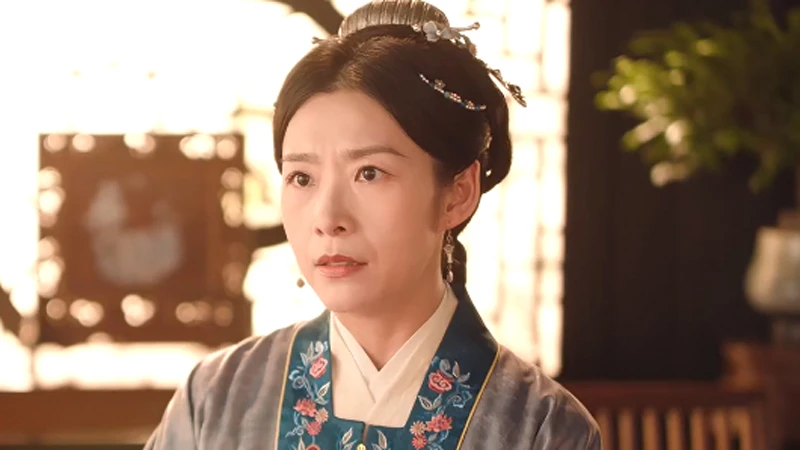
Lady Wang’s crown respects Ming practice. Its vertical lines, muted silver-gray tone, and small floral hairpins create a restrained look. Nothing sparkles for attention. The piece gives her dignity without hardness. It also matches her temperament: composed, private, and quietly firm. Far from breaking history, the choice restores a forgotten corner of it. The next time a costume raises doubt, the better question may be not “Did women wear that?” but “Who taught us they did not?”