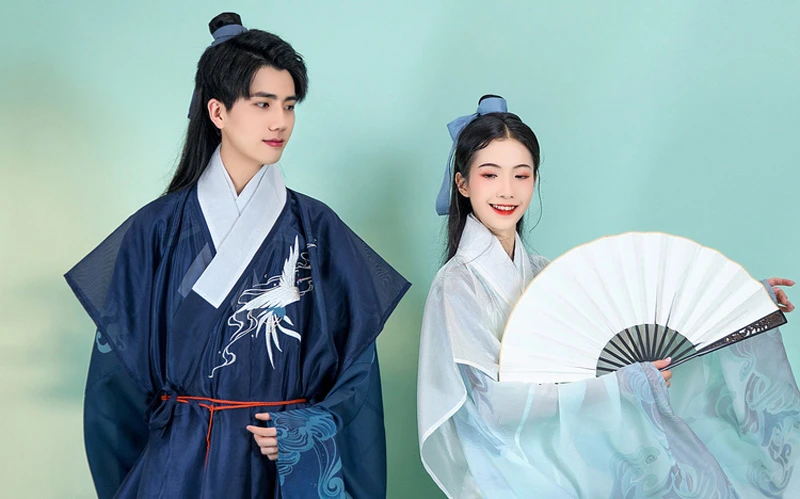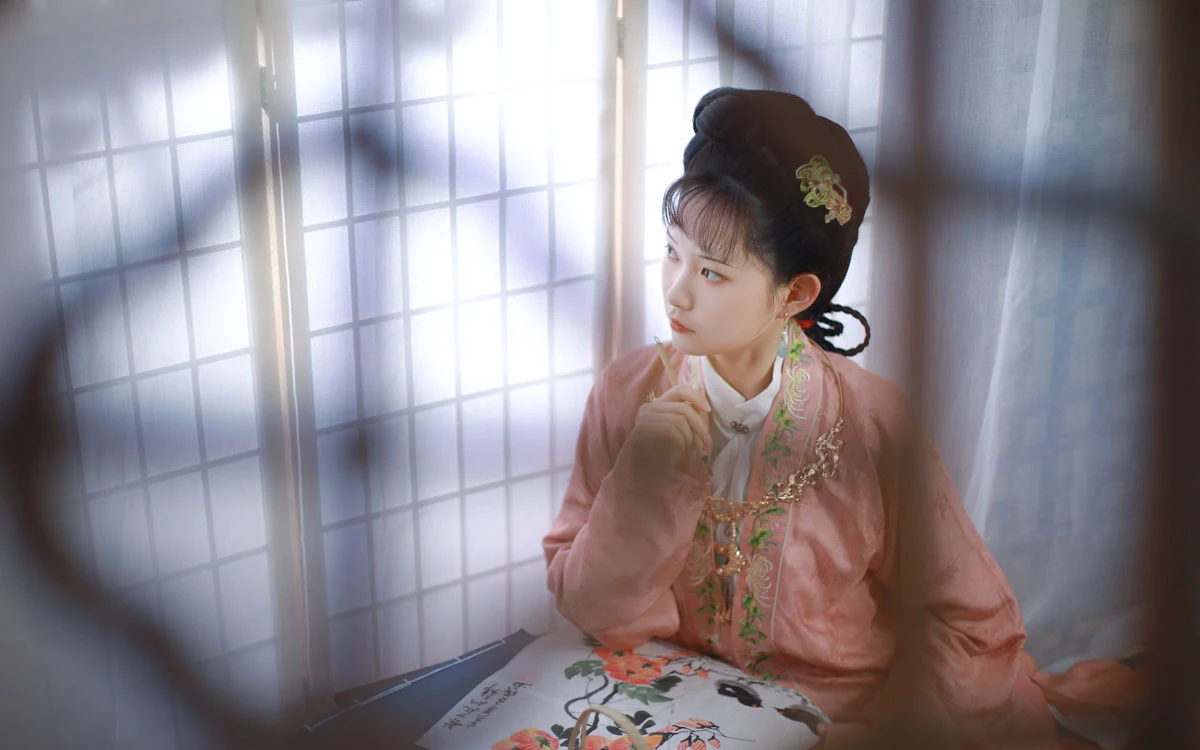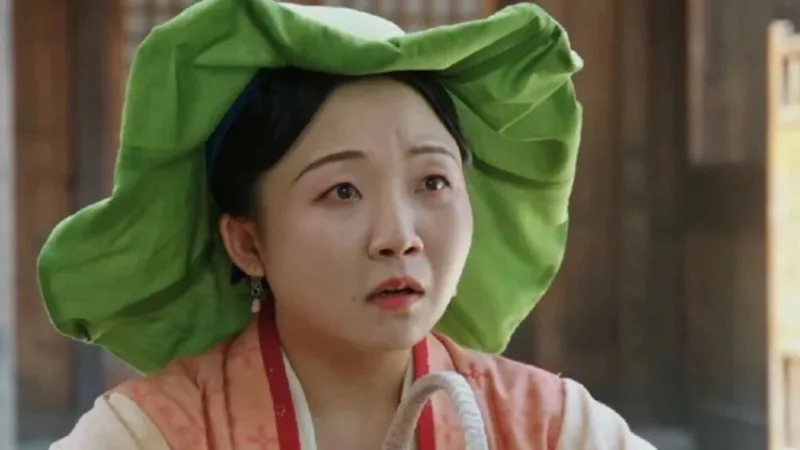
If you first saw a lotus leaf hat in a costume drama, you might think the prop team raided a fantasy anime. A green leaf perched on a noble’s head? Surely no ancient person wore that. Then your ancestors would sigh: “You unfashionable kids embarrass us.” This hat is not a time traveler. It is a summer hat, shaped like a lotus leaf, used for shade and sun protection. Its popularity goes back much earlier than many viewers expect, to the Northern and Southern Dynasties. Written records and paintings both support it. Once you notice it, costume dramas become a field guide to ancient cooling tricks.
Old Paintings Speak
The History of Northern Dynasties (北史) says bearers had to wrap their heads in winter; in summer they added a lotus leaf hat. Another text, Records of the Hidden and Visible (幽明录), tells of An Kai (安开), a local sorcerer in Jiangzhou (江州). While Wang Ningzhi (王凝之) was preparing to travel, An Kai secretly pinned a lotus leaf on him as a hat. Wang did not feel anything odd until he sat down; then the leaf appeared, and everyone gasped. Ancient writers often mixed up lotus and water lily, so do not be too strict. The point is clear: the leaf hat was real enough to fool a room.
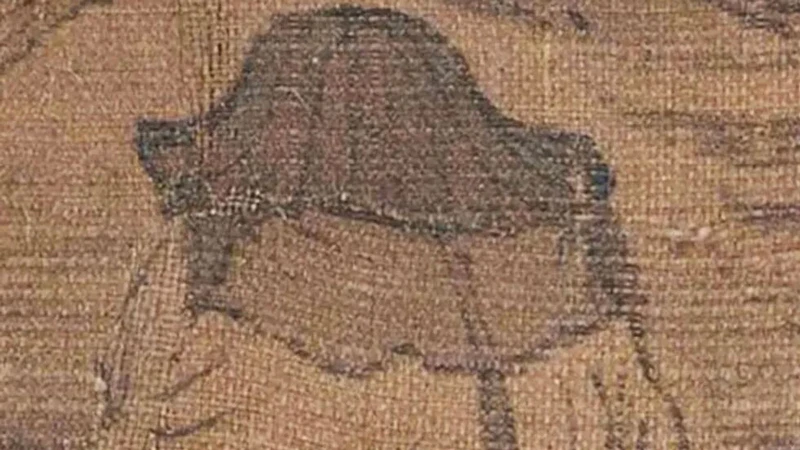
Paintings make it even more concrete. Qiu Ying (仇英), a Ming dynasty painter, included a Daoist man wearing a lotus leaf hat in Gathering of Immortals Offering Birthday Congratulations (群仙会祝图). The hat tilts forward, green with leaf veins, almost a perfect copy. Was it a real leaf or a fake? Both existed. Some people simply picked a leaf and placed it on their heads; it was cheap and cool. Others improved the design for comfort, adding structure or lining. In Zhang Zeduan’s (张择端) Along the River During the Qingming Festival (清明上河图), men wear lotus leaf hats in different shapes, with visible fabric layers. By then, the hat was already handmade fashion, not just a garden shortcut.
Where did it come from? Some trace it to the veiled hat or the bamboo hat. A stronger idea is that it grew from ordinary people copying nature. A leaf offered shade, breathability, and rain cover. It needed no workshop. That practical wisdom traveled through daily life, not royal decree. The hat also solved a hot-weather problem: how to keep the sun off without wrapping the whole head in heavy cloth. Its shape let air move. Its green surface reflected heat. It was simple, but not stupid. In a world before sunscreen, this was clever engineering with a sense of humor.
Modern Echoes
The most memorable screen version belongs to Lin Fangbing (林芳兵) as Yang Guifei (杨贵妃) in the 1990s drama Tang Ming Huang (唐明皇). Her lotus leaf hat follows the real leaf shape, with strings of beads hanging below, like dew sliding off the edge. The costume became a classic. It turned an old summer item into television glamour, and many viewers still call it the number one lotus leaf hat on screen. That success was not an accident. The design respected the leaf’s lines while making them luxurious. It showed how a folk object can become a star without losing its original wit.
Ancient people did not stop at leaves. They kept improving sun hats, often with round crowns. The differences lay in materials. Felt hats used wool. Layered silk-and-wool hats combined raw silk with wool. Pure silk hats used woven silk. One old phrase described dyed silk replacing wool fabric, showing that makers cared about texture, weight, and weather. These hats looked similar from a distance, but they behaved differently. Some breathed better. Some blocked wind. Some held shape in rain. The lotus leaf hat may have been the playful cousin, but it belonged to a larger family of serious summer gear. Comfort was the goal, and style came along.
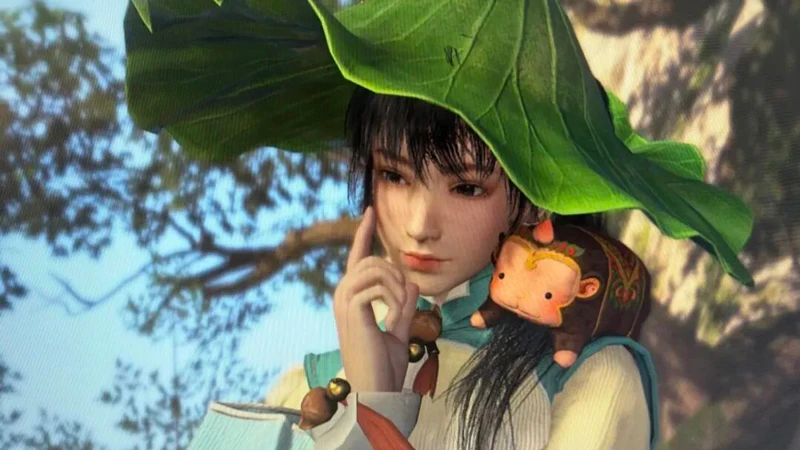
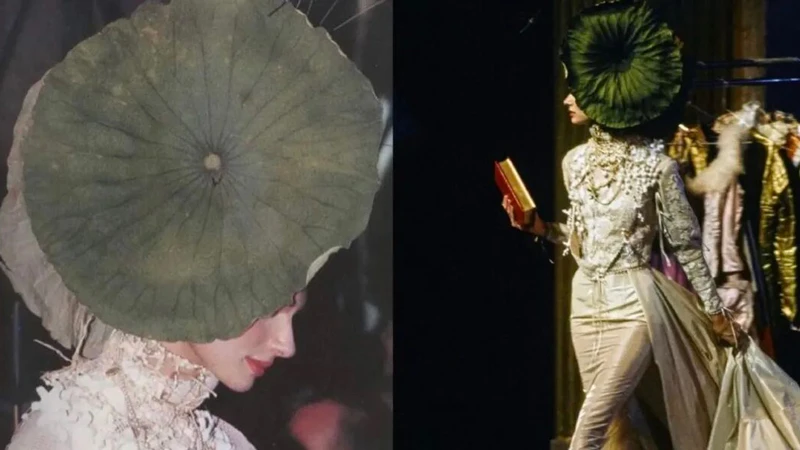
Similar hats still appear far from ancient courts. In the high mountains of Meigu County (美姑县) in the Daliang Mountains (大凉山), Yi people (彝族) women wear a lotus-leaf-like hat. For them, it signals marriage and motherhood, and it carries confidence through adulthood and old age. They tuck braids inside, which helps with daily work and farming, and the hat also blocks cold wind. On Western runways, John Galliano sent lotus-inspired headpieces down his 1996 show, echoing old paintings with a different accent. Was it coincidence? Maybe. Maybe not. Either way, the leaf keeps returning, because shade, shape, and surprise never go out of style. Would you wear one?
You can test the idea yourself. On a hot day, a broad leaf can lower the temperature around your face. Ancient makers understood airflow, weight, and coverage. They watched plants, birds, and farmers. The lotus leaf hat was not only a joke or a prop; it was a small answer to a burning sun. It also reminds us that fashion sometimes borrows from the garden. Next time a costume drama shows a green leaf above a character’s head, do not laugh too fast. Your ancestors may have been ahead of the runway.