
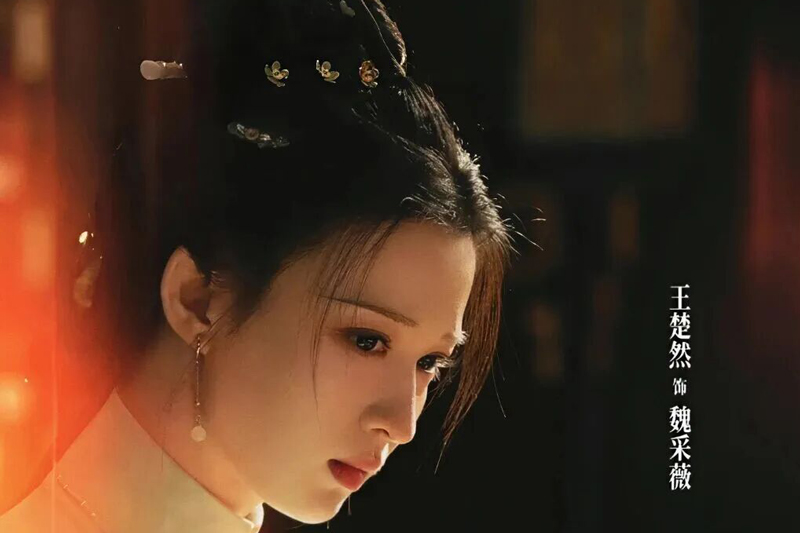
What happens when a woman gets a second chance at love, but the man she is trying to save is destined to become the most powerful eunuch in the empire? That is the high-stakes question at the heart of the upcoming historical suspense romance A Ming Dynasty Adventure (明月录). Set during the turbulent Jiajing (嘉靖) era of the Ming Dynasty, this 40-episode series is expected to premiere on Hunan Satellite TV and Mango TV later this year. It is not your typical time-travel or revenge story. It is a narrative about rescue, built on the fragile foundation of a "duishi" (对食) relationship—a formal, yet unconsummated, marriage between a palace maid and a eunuch. This premise alone feels fresh and risky for mainstream Chinese television, moving this unique historical footnote from a background joke to the very core of its dramatic tension.
The "Duishi" Dilemma
The source material, a novel with a jarringly direct title, sets up a world where the heroine, Wei Caiwei (魏采薇), is a military officer's daughter who lost everything in a previous life. Her father was framed and executed, and she was forced into servitude in the Forbidden City. To survive, she entered a "duishi" marriage with Wang Daxia (汪大夏), a man who was not just any official, but the formidable chief of the Eastern Depot. He had castrated himself to infiltrate the court and avenge his family, a sacrifice that only deepened his tragedy. Their union ended in mutual destruction, a casualty of the very plots they tried to navigate.
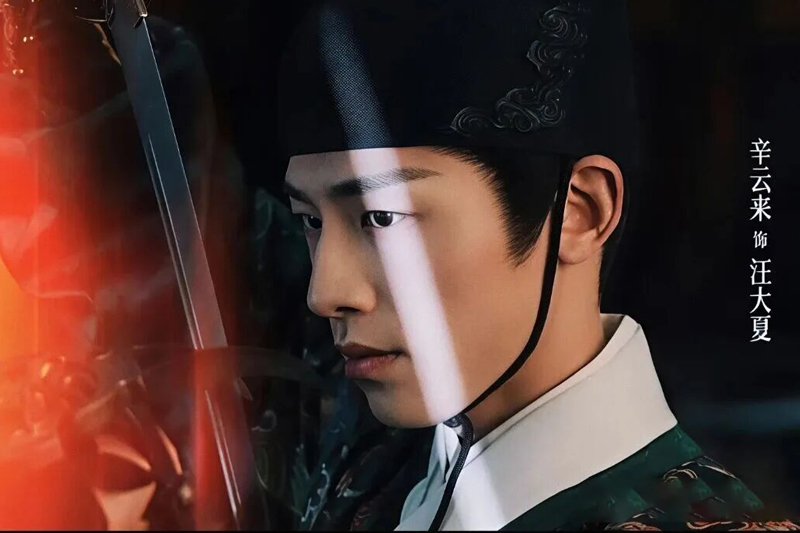
This setting is not just a costume drama backdrop. It is a character study in constrained power and hidden desperation. The "duishi" arrangement, often relegated to a comedic side note in other shows, becomes the primary lens through which we view their relationship. It is a legal fiction that provided a semblance of normalcy for those who had been exiled from the traditional family structure. The show’s boldness in using this as its central romantic dynamic suggests a deeper exploration of what love and loyalty mean when traditional definitions are stripped away.
Wei Caiwei’s rebirth is not a blank slate but a clear mission. Armed with the memories of her death, she travels to the capital disguised as a traveling physician. She is not driven by a desire for bloody vengeance but by two urgent tasks: to clear her father's name and, more critically, to prevent Wang Daxia from undergoing the self-mutilation that will doom them both. It is a refreshingly mature premise. The story shifts from a trajectory of retribution to one of profound redemption, where the ultimate goal is to alter the very core of a loved one's fate.
A Dual Role Rescue
Actor Xin Yunlai (辛云来) faces the immense challenge of embodying two starkly different versions of the same man. In the past timeline, he is the formidable, tyrannical chief of the Eastern Depot. His performance is reportedly one of contained menace and chilling authority, a man whose power is only matched by the tragedy of his eventual poisoning. This is a character worn down by a lifetime of playing a role for a singular, tragic goal. His strength is buried under layers of imperial formality and suppressed emotion.
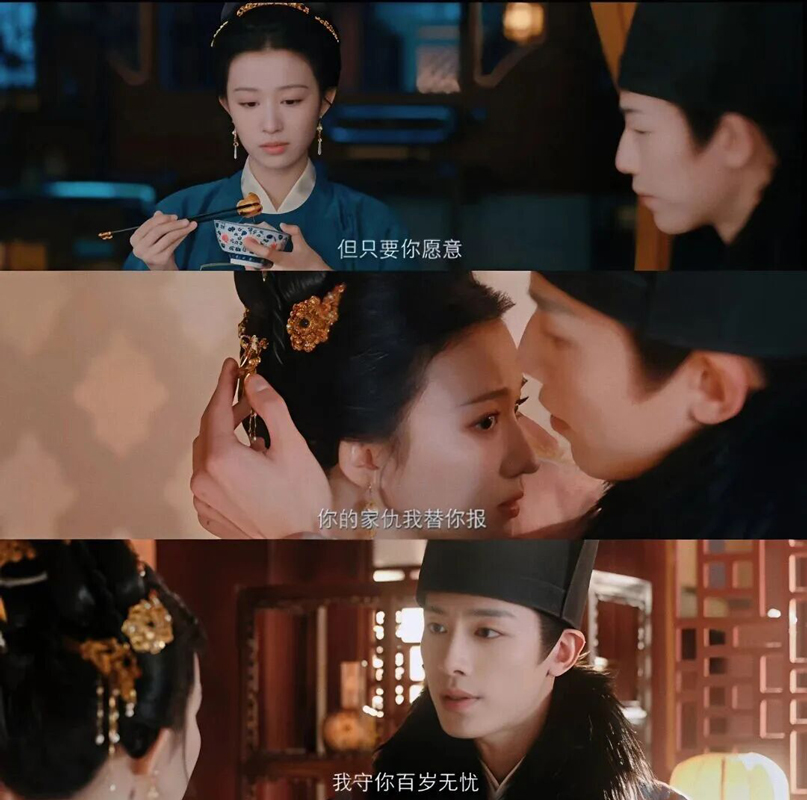
In her new life, Wei Caiwei encounters a very different Wang Daxia. He is now the charming and idle "Little Tyrant" of the city's north side, a man who appears to be nothing more than a pleasure-seeking aristocrat. But beneath this deceptive exterior lies a sharp mind and a hidden talent for martial arts. He is not yet the damaged, secretive official he would have become. This duality is the source of the story's suspense, as Wei Caiwei must navigate this new reality, trying to steer a man she once knew in his darkest form towards a brighter future.
His transformation is not just about a change of clothes. The actor conveys the difference between the tightly coiled aggression of the eunuch and the more vibrant, unpredictable energy of a rogue who, for now, is free from the imperial cage. This performance requires a complete shift in physicality and presence, a contrast that will be crucial to the show’s success. He is essentially rescuing the memory of the man he plays, a meta-narrative that adds another layer to the drama.
Style and Substance
The visual world of A Ming Dynasty Adventure is equally ambitious, promising a high degree of historical authenticity. The production team includes master craftspeople from other major hits, ensuring the "Ming-style" aesthetic is not just a vague historical backdrop. The costumes are elaborate, from the beautiful Ming-dynasty attire worn by the heroine to the iconic feiyu suits (飞鱼服) and embroidered spring blades associated with the imperial guard. The details in the production design are expected to be a cut above what is typical for the genre.
The drama is dense with plot, promising 40 episodes that weave a complex web of court intrigue. The narrative is structured around a series of interconnected cases, including a mysterious poisoning in the imperial prison and the investigation of a high-ranking official. These storylines serve to slowly peel back the layers of corruption in the Jiajing court, revealing the darkness that will ultimately bring our heroes to their knees. It is a plot-driven narrative that relies on suspense and the constant shadow of historical fate.
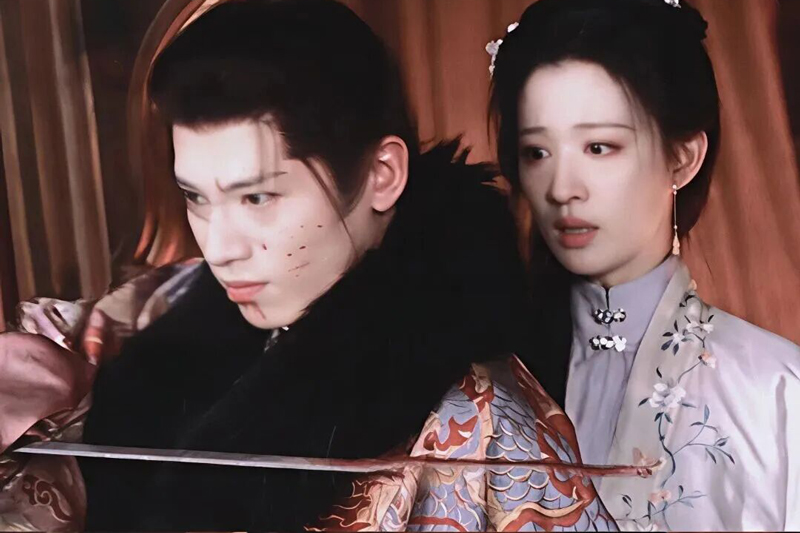
Ultimately, the show hinges on a single, powerful question: Can love overcome the predetermined path of history? Wei Caiwei is not fighting a villain; she is fighting against time and the very nature of the man she loves. Her journey is not about gaining power, but about using her knowledge to navigate a world where the political and the personal are dangerously intertwined. By choosing redemption over revenge, the series carves a distinct identity in a genre often dominated by violent power struggles.
