-

How Dare You: Fate’s Twist That Saved the Emperor
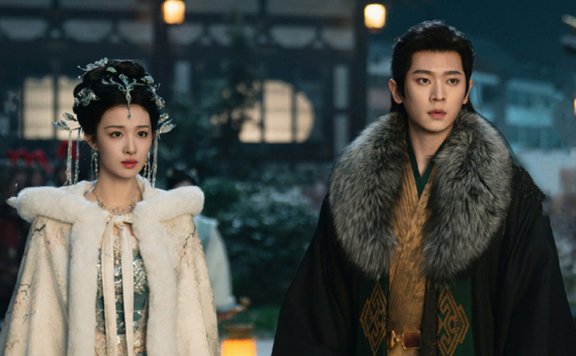
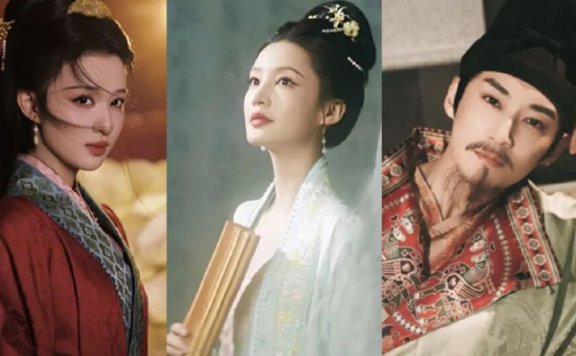
What if the greatest gift in Yu Wanyin's (庾晚音) tragic life wasn't her soulmate, but her greatest enemy? The finale of the hit series How Dare You (成何体统) delivers a twist so sharp it redefines the entire narrative. While viewers watched the emotional climax centered on Xiahou Dan's (夏侯澹) poison and the sacrificial flower from the mute girl Huahua (花花), the original novel reveals a far more intricate and ironic truth. The antidote that saves the dying emperor does not come from divine intervention or the kindness of a friend. It comes, indirectly and unintentionally, from the meticulous scheming of his most determined foe: Prince Duan (端). This article delves into the layers of fate, miscalculation, and unexpected salvation that define the story's end, exploring how a villain's backup plan became the hero's lifeline and why Yu Wanyin's ultimate fortune was stranger than fiction. The Silent Assassin's Unwitting Gift In the desperate hours following Xiahou Dan's collapse, the court physician Xiao Tiancai (萧添采) is helpless. The crucial ingredients from the Qiang (羌) Kingdom are unobtainable. It is here that Huahua, the mute maid introduced as a tragic figure, makes her move. Operating under a deep-cover mission as a Qiang sleeper…- 35
- 0
-
Why Wang Churan’s Warring States Robe Strikes a Modern Chord
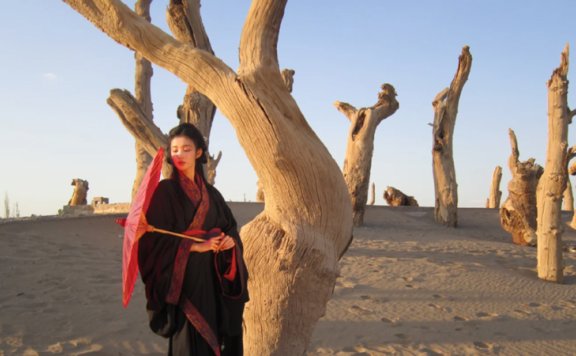
When actress Wang Churan (王楚然), recently featured on China Central Television, debuted her latest photoshoot in Hanfu traditional clothing, she set social media ablaze. Known for her elegant Song Dynasty styles, she surprised fans by stepping into something far more ancient and dramatic: the so-called "Warring States Robe." But what exactly is this flowing, majestic garment that seems to transport the wearer back over two thousand years, and why has it become a favorite for creating cinematic, unforgettable portraits? This style offers a window into ancient Chinese aesthetics, blending historical inspiration with modern photography to create a look that is both powerful and ethereal. We explore its origins, its unique design, and its place in contemporary visual culture. Unpacking the "Warring States Robe" The term "Warring States Robe" is a popular, modern catch-all for a very specific style of ancient Chinese clothing. It's not a historically accurate term for a garment from that period, but rather a convenient name that has stuck. The primary inspiration for these robes comes from archaeological finds at the Mashan Chu Tomb (马山楚墓). Specifically, most designs are recreations of the straight-lapelled robe, catalogued as style N15, unearthed from this site in Hubei province. This tomb… -
Wang Churan’s Stunning Ancient Style Shocks the Internet
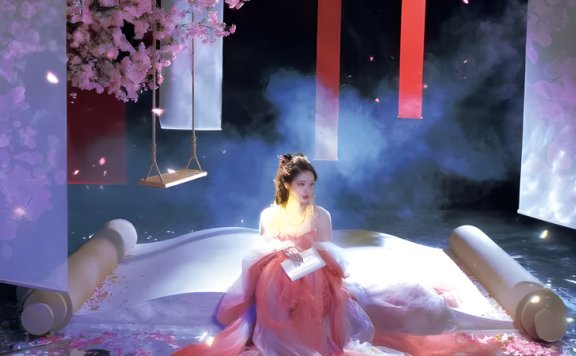
Can Fabric Hold Magic? Wang Churan's (王楚然) Ethereal Transformation Into a Fox Spirit Stuns the Internet. A recent photoshoot featuring the actress has ignited a firestorm of praise, blending ancient Chinese aesthetics with a touch of modern fantasy. In an era of fleeting digital content, a single image can still stop the scroll. A new series of photographs featuring actress Wang Churan has done exactly that, captivating social media with its ethereal beauty. She appears not as a modern celebrity, but as a creature from a folk tale—a nine-tailed fox spirit wandering through a dreamscape. The images are a masterclass in visual storytelling, merging the delicate textures of ancient Chinese fashion with a luminous, contemporary aesthetic. It is a look that feels both timeless and refreshingly new, prompting thousands to share and marvel at the seamless blend of reality and fantasy. This isn't just a pretty picture; it is a cultural moment that speaks to a renewed appreciation for heritage, reimagined for today's audience. Visual Poetry in Motion The first thing that strikes the viewer is the dress itself. It is a gown of layered, translucent silk gauze, a material that seems to hold light rather than merely reflect it.…- 20
- 0
-
Wang Churan’s Fox Spirit Look Takes the Internet by Storm
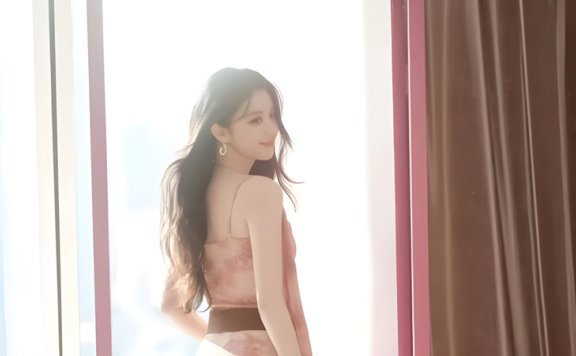
Wang Churan's (王楚然) Fox Spirit Look Breaks the Internet: Is This the Ultimate Sweet-Meets-Sassy Formula? When images of Wang Churan at a recent promotional event hit social media, the reaction was instantaneous and electric. She didn't just walk a red carpet; she seemingly stepped out of a fantasy anime, captivating audiences with a look that was equal parts sweet and dangerously alluring. Her outfit—a delicate balance of soft femininity and bold, playful edge—has sparked a viral conversation, with fans and fashion critics alike dissecting every detail. It's a masterclass in thematic dressing, proving that sometimes, the most memorable style moments are those that tell a story. This isn't just about clothes; it's about embodying a concept, and Wang Churan has fully transformed into the "fox spirit" archetype, a figure that resonates deeply across East Asian cultures. The buzz wasn't just about beauty; it was about the clever, cohesive execution of a powerful aesthetic. The Anatomy of an Enchanting Outfit The foundation of this stunning look was a pink rose tie-dye slip dress. Its fluid, lightweight fabric moved with her, creating an ethereal, almost weightless effect. The soft pink base was artistically splashed with deeper rose patterns, evoking a sense of…- 17
- 0
-
Hanfu Highlight at 2026 CCTV Spring Festival Gala
Is This the Only Hanfu Spectacle on CCTV's Spring Festival Gala? Ode to the Flower Deities (贺花神) Brings Ancient Poetry to Life As families gather for the most-watched television event in China, a single segment featuring historical Chinese clothing, known as Hanfu, has caught the attention of cultural enthusiasts. Tucked within the sprawling lineup of the CCTV Spring Festival Gala is a creative musical piece titled Ode to the Flower Deities. While the evening will be filled with comedy skits, acrobatics, and pop songs, this particular performance stands out as perhaps the only representation of traditional Hanfu on the entire broadcast. It features an impressive cast of twelve celebrities, each dressed in attire inspired by specific dynasties, bringing to life the beloved literary tradition of the Flower Goddesses. Early glimpses of the costumes suggest a stunning visual journey through China's sartorial history, focusing primarily on Tang and Song dynasty aesthetics, with a notable appearance of Han dynasty style. The segment promises to be more than just a fashion show; it is an effort to weave together poetry, music, and character portrayal, connecting modern audiences with the scholarly romance of ancient times. Song Dynasty Elegance: The Poetess of Osmanthus Among the… -
How Dare You: Two Modern Souls Trapped in a Novel World
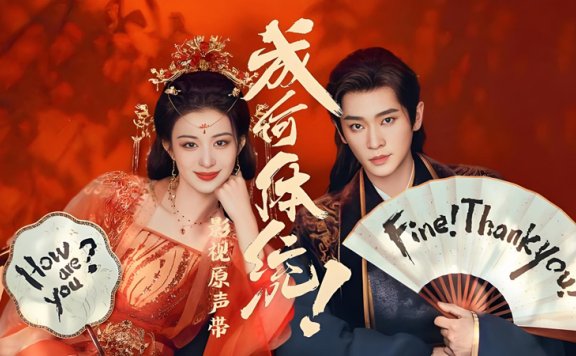
What if you woke up one day not just in another time, but inside a story where everyone is watching you? The new Chinese costume drama How Dare You (成何体统) takes this idea and twists it into something fresh. Starring Wang Churan (王楚然) and Cheng Lei (丞磊), the show initially looks like a light-hearted romantic comedy with time-travel elements. However, beneath its humorous surface lies a surprisingly poignant story about loneliness and identity. The series has captured attention not only for the leads' stunning historical attire but also for a unique narrative hook: the moment when the female lead, Yu Wanyin (庾晚音), speaks a single sentence that brings the male lead, Xiahou Dan (夏侯澹), to tears. It is a story about two modern souls finding each other in the most unexpected and desperate of circumstances. Alone in a Strange World: A Boy Forced to Become a Tyrant The brilliance of How Dare You lies in its backstory. The male lead, Xiahou Dan, is not a typical emperor. He is, in fact, a modern middle school student who inexplicably traveled into this novel world during his youth. Imagine a child, armed only with a basic modern education and a sense of…- 39
- 0
-
The Visual Art of Yu Wanyin’s Iconic Look
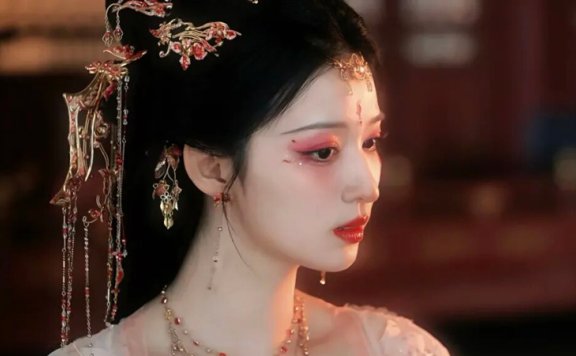
After roles like the gentle Liu Miantang (柳眠棠) in Are You the One (柳舟记) and the fiery Zhang Bihan (张妼晗) in Serenade of Peaceful Joy (清平乐), actress Wang Churan (王楚然) seemed to many viewers like the quintessential "pleasant white rabbit" of Song dynasty aesthetics. Her image was one of clean lines, delicate beauty, and a certain approachable elegance. This made her latest transformation all the more shocking. In the new hit series How Dare You (成何体统), she emerges not as a demure maiden, but as Yu Wanyin (庾晚音), a character the internet has unanimously dubbed a "seductive concubine" or Yao Fei (妖妃). This isn't just a new role; it's a complete visual and persona overhaul. How did the creative team behind the series and Wang Churan herself engineer this mesmerizing metamorphosis from approachable Song-style beauty to an unforgettable, almost otherworldly seductress? The answer lies in a deliberate and masterful deconstruction of her previous image, using bold makeup, unique accessories, and a strategic embrace of visual extravagance. The Eyes of a Fox Spirit The most immediate and arresting change is in her eyes. In How Dare You, Wang Churan's eye makeup is a departure from the clean, understated looks of her…- 46
- 0
-
How Dare You Modern Transplants Survive as Ancient Villains
In the crowded landscape of historical dramas, a new contender has shattered expectations with a modern twist. The series How Dare You (成何体统), based on the popular novel by Qi Yingjun (七英俊), has become a viral sensation, not for its lavish costumes or epic battles, but for its hilarious and heartfelt premise. It follows two people from the modern world who find themselves trapped in the roles of villains in a historical romance novel. Their mission isn't to conquer the throne in a typical way, but simply to survive the plot. With over 1.5 million advance reservations on iQiyi and daily topic views soaring past hundreds of millions, the show has turned a phrase once used to scold improper behavior into a badge of honor for a generation of viewers. Modern Struggles, Ancient Setting Wang Cuihua (王翠花), a weary office worker in our world, falls asleep reading a sensational novel and wakes up as its most hated character: the scheming concubine Yu Wanyin (庾晚音), destined for a gruesome death. Panicked and aware of the story's ending, she adopts a strategy of sheer survival, hoping to lie low. However, the palace is a dangerous workplace. Her plans are upended when she…- 42
- 0
-
8 Unreleased Epics: Ancient Power & Untold Stories
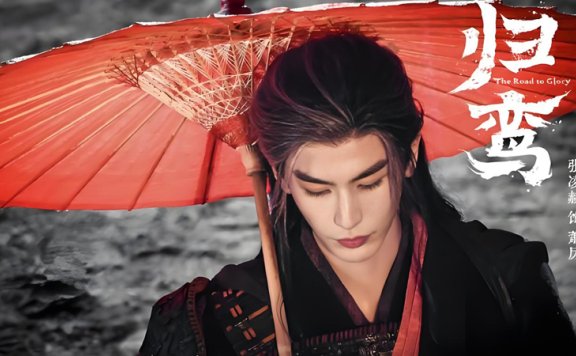
Step beyond the ornate palaces and into the fractured, ambitious heart of ancient realms with this season's most anticipated historical dramas. This collection of eight series offers a masterclass in narrative diversity, reimagining the past through lenses of gritty political ascent, supernatural destiny, and intellectual rivalry. From the war-torn docks where a bandit king forges an empire with a vengeful princess in The Road to Glory, to the mystical courts where a blind hostage's songs unveil terrifying futures in Chasing Dream, these stories are united by complex characters defying their fates. Whether it’s the meticulous craft of ink-making becoming a woman's weapon in Zhen Niang Zhuan, or two modern souls using office politics to survive a deadly palace in How Dare You, each drama promises a unique entry point into richly woven worlds. Prepare for journeys where love is tempered by strategy, legacy is fought for in markets and mansions, and history becomes a playground for suspense, revenge, and revolutionary partnerships. The Road to Glory (归鸾) Period Background: A fictional era of warring states and fractured dynasties Genres: Political Intrigue, Revenge, Warfare, Romance Main Roles: Zhang Linghe (as Xiao Li), Lin Yun (as Wen Yu) Adapted from: Original script The…- 125
- 0
-
Who Is the Real Wang Churan?
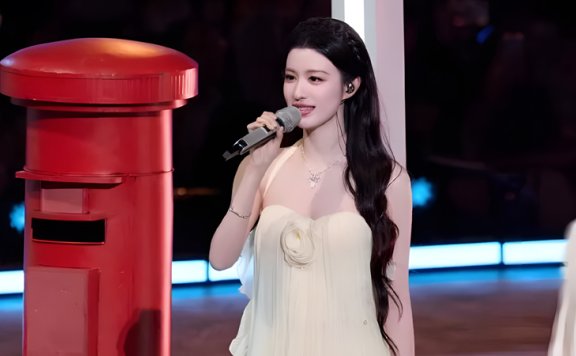
On a sun-dappled spring day, a splash of buttercream yellow stopped social media scrolls in their tracks. Actress Wang Churan (王楚然), posed by a vintage red mailbox, was not just wearing a dress; she was embodying a mood. The image, radiating a blend of sweetness and sophisticated ease, sparked immediate fervor. Dubbed a "French soft gauze" aesthetic, the look transcended a mere outfit to become a talking point about modern femininity, personal style evolution, and the image of a rising star in China's entertainment landscape. What is it about this particular moment that captured such attention? Anatomy of a Viral Moment The dress itself was a masterclass in balanced design. A buttercream yellow bustier gown flowed into a skirt of delicate tulle, its lightness created through meticulous layering and gathering. Scattered three-dimensional rose details added a touch of romantic craft, while an asymmetrical hemline with cascading ruffles introduced movement and a playful spirit. This avoided any risk of the saccharine, instead offering dynamic elegance. Critical to the look's success were its stylistic contrasts. The gentle draping of the fabric was offset by the structured, figure-flattering neckline. A delicate diamond necklace highlighted the exposed collarbones and shoulders, adding a layer of…- 19
- 0
-
Xin Yunlai's Controversial Hat in The Ming Dynasty Youth
When Xin Yunlai (辛云来) appeared in behind-the-scenes photos for the new historical drama The Ming Dynasty Youth (明月录), set in Ming Dynasty China, social media erupted with comments about his costume. Many users claimed his wide-brimmed hat resembled styles from Korean historical dramas, igniting a debate over cultural influences. However, this headwear is actually a traditional Chinese item known as Damao (大帽), commonly worn by scholars and officials during the Ming era. This misconception highlights a broader issue where media portrayals can blur historical origins, leading audiences to misattribute cultural elements. As historical shows gain global popularity, understanding the authentic roots of such attire becomes crucial for preserving heritage and fostering accurate cultural appreciation. The drama, starring Xin Yunlai and Wang Churan (王楚然) in their first Ming-era collaboration, serves as a reminder that entertainment can shape perceptions, making it vital to delve into the facts behind the fashion. Hat Origins The Damao featured in The Ming Dynasty Youth is characterized by its broad, straight brim and varied shapes, from tall to short, and round to nearly square. Crafted from materials like bamboo, palm leaves, or felt, it was designed for practicality, offering protection from sun and wind during outdoor activities.…- 65
- 0
-
Wang Churan’s Floor-Grazing Top in The Ming Dynasty Youth
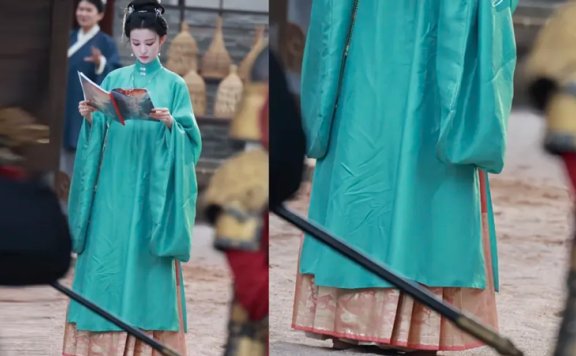
In the popular period drama The Ming Dynasty Youth (明月录), actress Wang Churan (王楚然) wears a long, flowing top that extends to her ankles, nearly obscuring the skirt beneath. This styling choice has sparked online debates about historical accuracy and fashion sense. Viewers question whether such lengthy garments were common in ancient times and if they diminish the visual appeal of traditional attire like the horse-face skirt. The discussion highlights a broader curiosity about how historical clothing influences contemporary costume design in television. This article explores the origins and significance of these elongated tops, tracing their roots to the late Ming Dynasty and examining their modern reinterpretations. Historical Roots During the late Ming period, particularly after the mid-Jiajing (嘉靖) era, women's fashion saw a shift toward longer, more subdued garments. Historical records, such as those by scholar Yang Shen (杨慎) in his work Sheng'an Waiji (升庵外集), note that women's tops resembled men's attire in length, often hanging just above the ground. This style emphasized a slender, effortless silhouette, with sleeves so wide they could span over a meter. The trend reflected societal changes, as economic pressures led to a preference for simplicity over opulence. Garments from this era, like those…- 50
- 0
-
Wang Churan Wears a Cake on Her Head in Serenade of Peaceful Joy
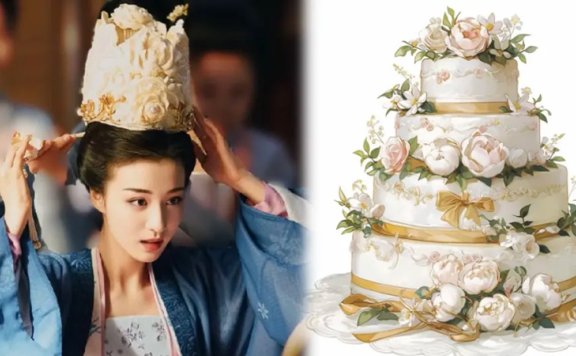
In the historical drama Serenade of Peaceful Joy (清平乐), actress Wang Churan (王楚然) sparked online buzz with a headpiece that viewers likened to a lavish cream cake. This striking ivory crown, worn by her character Zhang Meihan (张妼晗), is far more than a stylistic whim. It is a meticulous recreation of the Chonglouzhi Guan (重楼子冠), a headdress whose design and name were inspired by a prized peony species recorded in the Song Dynasty text Record of Luoyang Flowers and Trees (洛阳花木记). This dramatic accessory opens a window into the sophisticated world of Song aesthetics, where fashion, botany, and social hierarchy intertwined to create some of history's most elegant and meaningful headwear. A Crown Fit for a Flower The real-life inspiration for the crown was the Chonglouzhi peony, cultivated by skilled gardeners to grow over two feet tall with layers of petals that resembled a stacked pavilion. Artisans, captivated by this natural wonder, translated its form into an exquisite headdress. The drama highlights the strict sumptuary laws of the era through a plotline where Emperor Renzong of Song punishes an official for presenting the crown, underscoring how such items were governed by status and regulation. The crown was not merely decorative;… -
Who's the New Leading Lady of Cdramas?
The last two years in the drama market have felt like a desert: too many misses, too few real hits. When it comes to the industry's definition of who can "carry a drama" (扛剧, means recognition from producers and platforms, not just fan hype), producers and platforms are becoming much more cautious. Compared to the so-called "traffic stars" whose pulling power is always in a Schrödinger's cat state—sometimes effective, sometimes an illusion—the top actresses who have built their status step by step through solid works are generally seen as the real deal when it comes to carrying a show. But in just one year, even this assumption has been shaken hard by the turbulence of the market. This rundown isn't about crowning or dismissing anyone—it's about looking closely at how these actresses are holding up in the storm: what they still have in hand, and what is slipping through their fingers. Yang Zi and Zhao Liying: Invincible Status? If we're talking about who still has an "unbroken golden body" (metaphor for a stable, almost invincible status), from the '85 generation to the post-2000s, it really feels like only Yang Zi (杨紫) and Zhao Liying (赵丽颖) remain. Zhao Liying's The Legend…- 249
- 0
-
How Wang Churan's Confidence Made a Wet Qipao Shine
In the fast-paced world of entertainment, where image often overshadows substance, Wang Churan (王楚然) stands out not just for her looks but for her unshakeable self-assurance. Last night, a viral photo of her in a drenched pink Qipao sparked widespread discussion, but it wasn't the fabric that stole the show—it was her poise under pressure. This incident encapsulates her journey: a refusal to conform, a dedication to authenticity, and a reminder that true beauty stems from inner strength. As audiences marvel at her ability to turn potential fashion disasters into triumphs, Wang's story offers a refreshing lesson in resilience and individuality. She proves that in an industry obsessed with trends, staying true to oneself is the ultimate key to lasting success. The Wet Qipao Incident When images of Wang Churan in a skin-tight pink Qipao hit social media, many expected a fashion fail. The dress, designed to cling excessively, turned dark pink after water exposure, creating a scenario that could embarrass even seasoned influencers. Yet, Wang transformed it into a viral moment. She remained composed, smiling effortlessly for the cameras despite the soggy fabric. This wasn't about luck; it was a display of her innate confidence, making her appear radiant…- 254
- 0
-
Top 8 Cdrama Actresses with Oil-Paper Umbrellas
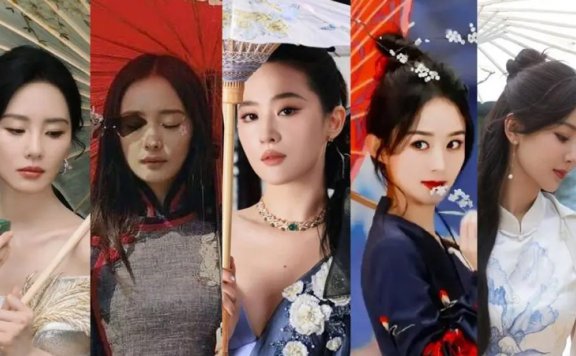
In Chinese historical dramas, the oil-paper umbrella transcends mere prop—it becomes a silent narrator of elegance. Eight leading actresses have woven this artifact into iconic moments, blending tradition with character depth. From misty riverbanks to snow-dusted courtyards, their interpretations span ethereal poise to defiant strength, proving the umbrella’s timeless power in visual storytelling. Yang Mi Fifteen years after her breakout role as Tang Xuejian (唐雪见) in Chinese Paladin (仙剑奇侠传), Yang Mi’s (杨幂) relationship with the oil-paper umbrella has evolved alongside her career. In The Dream of Red Mansions, her early portrayal radiated youthful mischief, the umbrella a playful extension of her character’s restless energy. By Brotherhood of Blades (绣春刀), maturity transformed her stance: as painter Bei Zhai (北斋), she cradled the umbrella like a scholar’s brush—deliberate, grounded, a quiet counterpoint to her earlier vibrance. Her 2025 collaboration with People’s Artists magazine marked a full-circle renaissance. Against ink-wash backdrops, the 39-year-old balanced the umbrella with regal ease, merging Ming Dynasty-inspired tailoring with contemporary minimalism. No longer just an accessory, it framed her as a custodian of heritage—sturdy yet fluid, much like her own artistic journey from ingenue to industry pillar. Zhao Liying Zhao Liying’s (赵丽颖) umbrella narratives trace her path from…- 179
- 0
-
Republican-Era Costumes: Visual Storytelling in Costume Dramas
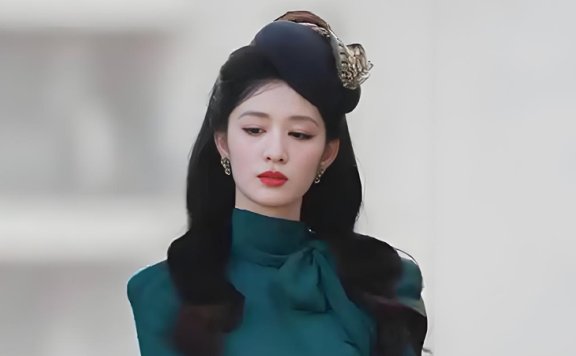
The resurgence of Republican-era aesthetics in contemporary Chinese cinema has become a visual feast, where costumes transcend mere clothing to embody character essence. Leading actresses of the post-85 generation are redefining historical narratives through meticulously crafted wardrobes, blending tradition with modern sensibilities. Wang Churan’s (王楚然) haunting elegance, Liu Yifei’s (刘亦菲) timeless grace—each ensemble stands as a silent narrator of turbulent times. This sartorial renaissance not only revitalizes period dramas but elevates them into cultural conversations, proving that fabric and silhouette can articulate emotions words often fail to capture. Visual Poetry in Motion Wang Churan’s transformation in Zhe Yi Miao Guo Huo (这一秒过火) epitomizes the power of Republican-era costuming. Her midnight-black gown and wide-brimmed hat create a chiaroscuro effect, sharpening delicate features into ethereal relief . Yet it’s her moon-white qipao that etches itself into memory: silk whispering against grey-brick backdrops, slit skirts revealing pearl-hued stockings, and jade bracelets clicking like metronomes to her movements. The ensemble merges restraint with sensuality—a collar clasped to the throat contrasting with the fluidity of draped sleeves. Liu Yifei’s legacy as Bai Xiu-zhu (白秀珠) in The Story of a Noble Family (金粉世家) remains unmatched, her teenage portrayal still shaping Republican archetypes. Decades later, her ability…- 174
- 0
-
Wang Churan Voices Audience's Long-Held Sentiments
The landscape of Chinese variety shows has exploded from niche entertainment to a dazzling array of options, catering to every conceivable taste. Among this vibrant ecosystem, Keep Running stands as a titan, a thirteen-season veteran celebrated for its chaotic energy and star-studded lineup. Its current ensemble – Li Chen, Zheng Kai, Sha Yi, Zhou Shen, Bai Lu, Fan Chengcheng, Song Yuqi, and Zhang Zhenyuan – represents a potent mix of veteran charm and youthful exuberance, seemingly guaranteeing entertainment gold. Yet, the show’s latest episode, featuring a glamorous squadron of female guests including Wang Churan, Zhang Liangying, Zhang Meng, Zhang Ruonan, and Song Xuan, sparked unexpected controversy, exposing a tension between audience expectations and perceived celebrity privilege. The culprit? A sanitized mud pit that left viewers, and one guest, profoundly disappointed. A Cast Built to Run Keep Running thrives on the combustible chemistry of its core eight. Li Chen and Zheng Kai, the undisputed elder statesmen, provide continuity and a tangible link to the show’s history, anchoring loyal viewers with their familiar presence. Their experience is the bedrock upon which the chaos unfolds. Sha Yi, the show’s comedic linchpin, delivers laughs with effortless timing and self-deprecating charm. His ability to find…- 184
- 0
-
Keep Running: Reality TV Reshapes Star Narratives
Variety shows often serve as unexpected crucibles for celebrities, melting away preconceived notions and forging new public personas. The latest episode of China’s hit series Keep Running became precisely such a transformative stage. Amidst mud-pit chaos, makeup mishaps, and high-stakes name-tag battles, two young actresses—once criticized for on-screen roles and off-screen controversies—emerged not just as participants, but as revelations. Their authentic energy and unexpected prowess didn’t just entertain; it rewrote their stories in real-time. Strength Beyond Stereotypes Wang Churan (王楚然), previously typecast as the love-obsessed lead in Fireworks of My Heart (我的人间烟火), shattered expectations with raw physicality. Her 172cm frame housed surprising power, dominating tug-of-war challenges against seasoned male competitors like Li Chen (李晨) and Zhang Meng (张萌). Yet, her strength wasn’t merely muscular. During a makeup segment, she balanced competitive fire with empathy—gently ensuring Sha Yi (沙溢), her partner, felt comfortable skipping an intimidating rollercoaster ride. This duality—ferocity softened by consideration—resonated deeply. Viewers saw past the "eyelash-flipping" caricature, embracing a woman unafraid to sweat, strategize, or show vulnerability. Her fearless scream on the rollercoaster, eyes wide open, became an emblem of her genuine spirit. The makeup challenge, a Keep Running staple, further highlighted her grace under pressure. While others…- 160
- 0
-
Wang Churan's Hanfu Style Sparks Debate on Traditional Hairstyle
During the CCTV program 'Golden Snake Dance • Chinese New Year Flavor,' Wang Churan appeared in traditional Hanfu attire, but her hairstyle raised eyebrows among some netizens. They questioned whether the two strands of hair in front resembled the Japanese 'hime cut.' To clarify, this hairstyle, known as 'Chuixiao Ji,' can be traced back to ancient Chinese paintings like 'The Admonitions Scroll' and 'The Wise and Benevolent Women.' It was popular during the Han and Jin dynasties, with origins dating back to the Warring States period. The hairstyle features neatly trimmed bangs that reach the eyebrow line, with strands hanging down the sides, a style also referred to as 'Fenxiao.' Historical artifacts, such as the jade dancer figurine from the Jin Village Tomb in Luoyang, depict this hairstyle, showcasing its cultural significance. Wang's headpiece, a gold 'Buyao' (hair ornament) from Liangzhou, Gansu, is styled as 'One Sparrow, Four Flowers,' symbolizing nobility during the Han Dynasty. The Buyao was typically worn in pairs, swaying with movement, embodying the elegance of noblewomen from the Han to Wei - Jin periods. The Chuixiao hairstyle not only framed the face but also reflected the ethereal aesthetic influenced by Confucian and Daoist ideals. However, modern…- 224
- 1
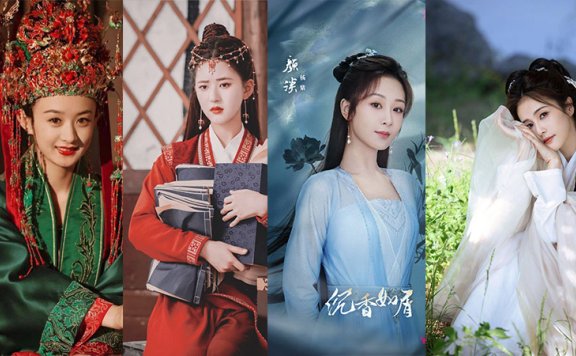
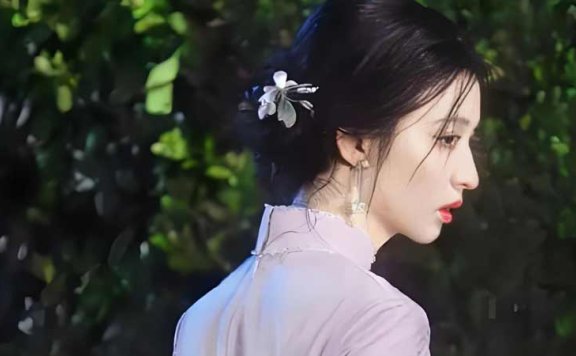
Wang Churan





Scan to open current page
-
$CouponsLimitation of use:Expired and UnavailableLimitation of use:
before
Limitation of use:Permanently validCoupon ID:×Available for the following products: Available for the following products categories: Unrestricted use:Available for all products and product types