

Ying Gua (英寡) slipped out of the imperial palace in secret. He arrived in Shazhou (沙洲) with a small team and a thin folder of clues. His official mission: investigate a shadowy arms-trafficking ring. But instead of arresting the obvious culprit, he lit a fuse between two local powers and watched them tear each other apart. Why go through such a roundabout game? The answer lies not in justice, but in strategy, risk, and the cold calculus of power.
The Witness Who Was Never Meant to Testify
At first glance, Feng Lu (冯鲁), the chief of the Black Tiger Hall, looked like a goldmine for Ying Gua. The hall held piles of transaction records. Feng himself could directly implicate the Shazhou Prefect in the illegal weapons trade. A straightforward imperial agent would have kicked down the door, seized the evidence, and dragged everyone back to the capital for trial.
Ying Gua did none of that. He never even approached Feng Lu for a formal statement. The reason is brutal: Feng Lu was useless as a witness. He was just a thug taking orders. He knew about payments and shipments, but he had zero access to the real secrets – the coded letters, the high-level bribery network, the names of officials in the capital. All Feng Lu possessed were physical receipts. In Ying Gua’s mind, he was a walking storage box, and the box itself was disposable.
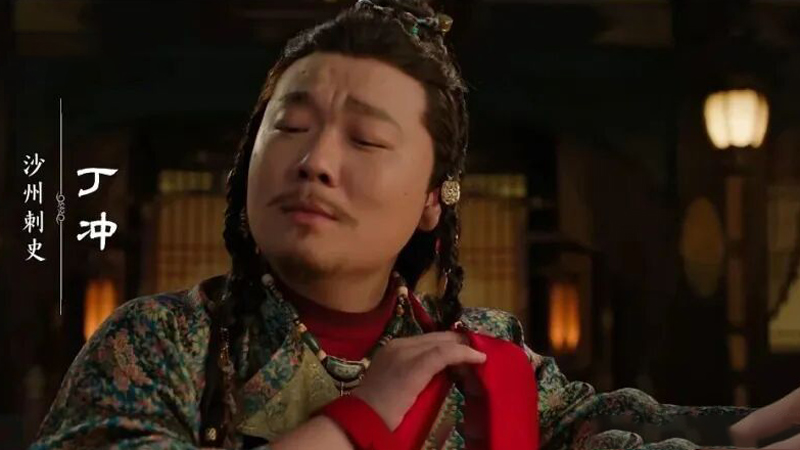
Instead, Ying Gua orchestrated a conflict. He fed information to Ding Chong (丁冲), the de facto warlord of Shazhou, making it look like the Black Tiger Hall was about to betray him. The trap worked perfectly. Ding Chong marched his private army to the hall, and the slaughter began. Ying Gua watched from the shadows, achieving two goals without lifting a finger.
Why the Warlord Mattered More Than the Gang
Ding Chong was the real prize. Unlike Feng Lu, he sat at the table with the capital’s power brokers. He knew about the conspiracy led by Prime Minister Xu Heng (徐亨), the man Ying Gua truly wanted to destroy. The arms trade in Shazhou was just a symptom; the disease was Xu Heng’s network of corruption that reached into the emperor’s court. Bringing Ding Chong back to the palace meant having a living, breathing witness who could name names and expose strategies.
Ying Gua also understood Ding Chong’s psychology. The man was terrified of losing his grip on Shazhou. He needed a scapegoat to show his superiors in the capital that he was “cleaning up” the region. The Black Tiger Hall was perfect for that role. It was an unofficial group, so its crimes could never be directly traced to Ding Chong. He could use it for dirty work, then crush it for “heroic” points. Ying Gua simply accelerated this inevitable betrayal.

There was also a practical limit: manpower. Ying Gua had only a handful of loyal guards, all smuggled out of the palace without official leave. He could not risk a direct siege against the heavily armed hall. Pitting Ding Chong against the hall was not just clever; it was his only viable military move. The warlord had hundreds of soldiers, enough to overwhelm the gang, while Ying Gua conserved his tiny force for the journey home.
The Real Game Was About Survival, Not Revenge
What about the promise to spare Feng Lu’s life? Ying Gua mentioned it casually. But the offer was hollow. Even if Feng Lu survived the massacre, he would spend the rest of his days in a dark prison cell. For a man used to power and violence, that slow rot was a fate worse than a quick death. Ying Gua knew this. He was not being merciful; he was being pragmatic, removing a loose end without dirtying his own hands.
The deeper motive, however, was risk management. Ying Gua never believed that killing Ding Chong would topple Prime Minister Xu Heng. The prime minister’s power came from the emperor’s trust, not from one operative in a distant province. Bringing Ding Chong to the capital for a public confrontation would only embarrass Xu Heng, maybe force a few minor punishments. It would not break his faction. Ying Gua understood that the confrontation was symbolic, a warning shot rather than a fatal blow.
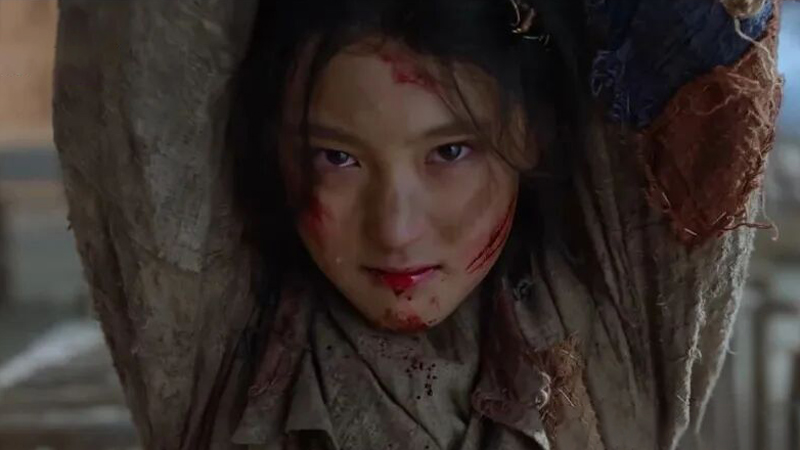
So why go through all this trouble? Because a direct arrest of Ding Chong would have triggered immediate retaliation from Xu Heng’s allies, endangering Ying Gua’s own life and his mission. By using Ding Chong to destroy his own tool, Ying Gua created plausible deniability. If things went wrong, he could claim he was just a traveler witnessing local feuds. The chaos was the shield. In the treacherous world of imperial politics, achieving a small victory while taking zero personal risk is the highest form of success. That is why Ying Gua let the tiger and the fly devour each other – because he was never hunting for meat; he was hunting for safety.
