
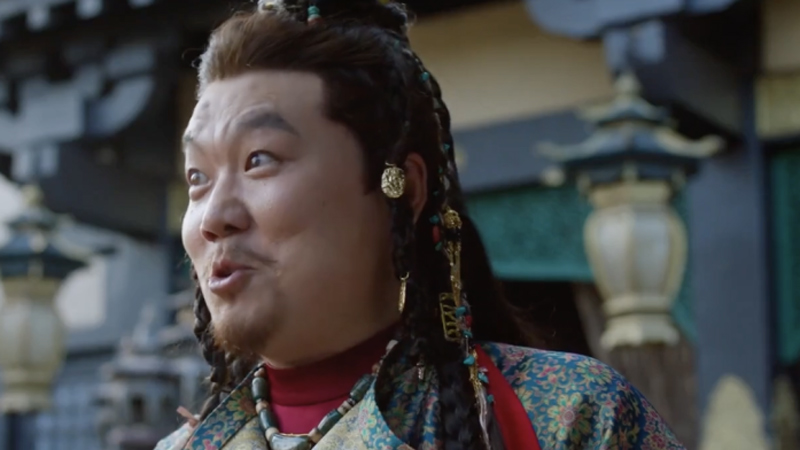
What happens when a street-smart orphan girl confronts a puppet emperor with a hidden agenda, and how does a seemingly simple imperial exam unveil a conspiracy that could topple an entire dynasty? Royal Betrothal (御廷谣) dropped onto screens with almost no warning, securing its distribution license on July 27 and premiering just a day later. This isn't a typical palace drama filled with harem squabbles or star-crossed lovers. Instead, it throws its heroine, Meng Tinghui (孟廷辉), directly into the dangerous machinery of state bureaucracy, positioning her as an anti-corruption crusader in a world of entrenched power. While the pacing of the first four episodes might leave you breathless, the questions it raises about identity, loyalty, and justice are anything but superficial.
Power Play and the Emperor's Hidden Blade
The Daning Dynasty (大宁王朝) is a gilded cage. Its young emperor, Ying Gua (英寡), ascended to the throne at fourteen, but his reign is a sham. The real authority lies with the Left Chancellor, a relic from three previous regimes who controls the entire government apparatus, from the military to the civil service. Ying Gua is nothing more than a puppet, a figurehead whose every move is scrutinized. The emperor's isolation is palpable. He cannot trust his ministers, who are all beholden to the chancellor's patronage network. Desperate for loyal allies but unable to look to the traditional power structures, he hatches a plan both radical and risky: reopen the imperial examinations, the Keju (科举), to women.
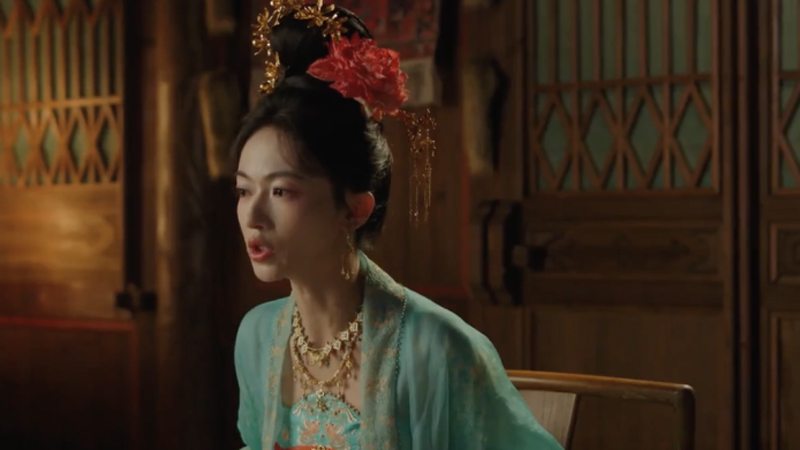
This is where Meng Tinghui's path intersects with his. Orphaned and raised in the brutal underworld of Shazhou, a city run by the chancellor's cronies, she endures unimaginable hardship. Her escape from this life, guided by a chance encounter with a disguised Ying Gua, leads her to a women's academy. But survival isn't her only goal. She harbors a burning desire for justice and a formidable intellect, sharpened by years of subterfuge. When she discovers that her knowledge of the corrupt system is more potent than any sword, she sets her sights on the Keju. For Ying Gua, she is the perfect outsider, untainted by the court's political web, a potential tool to shatter the old guard's stranglehold. She represents his best hope to "own" his own government.
A Baffling Survival: The Curious Case of Meng Tinghui
However, a gaping hole appears in this strategy. In the flashback to Shazhou, the show presents an inconsistency. Meng Tinghui openly antagonizes the local governor's niece, Jiang Meier, by selling exam predictions that undermine Jiang's own schemes. The governor, a direct subordinate of the Left Chancellor's money-making machine, has every reason to eliminate Meng. She is a disruptive presence in his domain. Yet, she remains untouched, free to study and eventually leave the city for the capital. This is not a minor plot hole. It is a neon sign pointing to a hidden truth about her origins. The question lingers: why would a ruthless local official hesitate to kill a mere street orphan? The answer must be that she is simply not a "mere" anything.
Her survival in Shazhou suggests a degree of protection. Her intellect and courage are undeniable, but on their own, they wouldn't stop a bullet or a blade. Is it possible someone else is watching over her, ensuring her survival until she can fulfill a larger purpose? This is the first thread that unravels the mystery. The governor, who sees everyone as a potential bribe or a threat, seems to treat Meng with a degree of caution. The implication is that he knows something about her that the viewer is not yet privy to. Her presence in Shazhou might be less a secret to be uncovered and more an open wound in the system, a ghost from the past that no one dares to disturb.
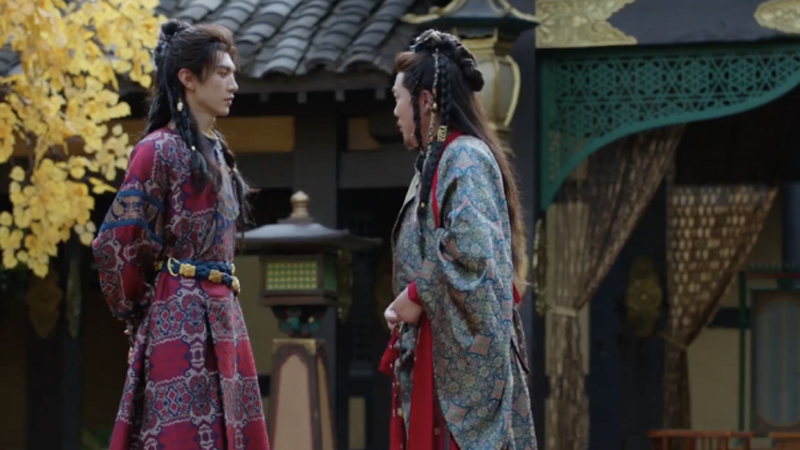
Beyond the local politics, the larger historical context offers a more tantalizing explanation: her lineage. The Daning Dynasty was forged by conquering and unifying several rival kingdoms. This process inevitably creates "fallen royals," princes and princesses scattered among the populace. Some are forgotten, but some are hidden. Could Meng be one such descendant? The show's use of her profound knowledge of the imperial examination system indicates her education is more than just a side effect of attending a women's school. It suggests an elite, almost dynastic, level of training that is not easily accessible to a common orphan. It points toward a secret identity that could rival the emperor's own bloodline. Her "childhood" in Shazhou may be a later fabrication, a carefully placed cover story.
Unconventional Alliances and a Shared Ambition
The central relationship, therefore, is a business arrangement between a powerless king and a powerful woman. There is no "knight in shining armor" saving a damsel in distress. Ying Gua provides the opportunity; Meng provides the means. She pays the "enrollment fee" with the money she earns from selling exam tips, a resourceful way to circumvent the system's gatekeepers. Their partnership is forged on a shared enemy: the corruption that exploits the weak and crushes the innocent. This is the drama's true engine. The emperor is not a hero; he is a strategist. Meng is not a romantic lead; she is a weapon he hopes to aim at his enemies.
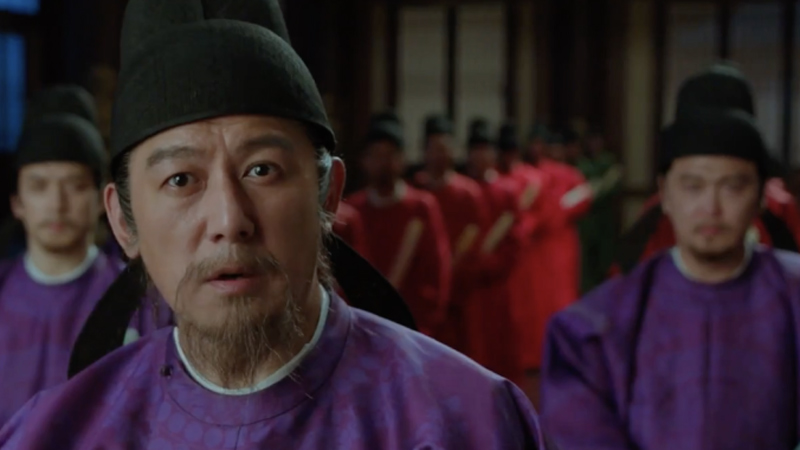
His gamble is a long shot. The entire system, from the examiners to the ministers, is stacked against him. Opening the Keju to women is a direct attack on the Left Chancellor's power base, a challenge to the status quo. It is intended to embarrass and bypass his influence. The show's initial "case" of corrupt military supplies might feel resolved too quickly, but this is not a detective story. It's a political thriller where the resolution is less about punishment and more about preparing for the ultimate confrontation. The destruction of a single city is just a skirmish before the war. The true battle is for control of the entire government.
