
Who Stole the Top Scholar's Essay? The Corruption Scandal That Rocked the Imperial Exam
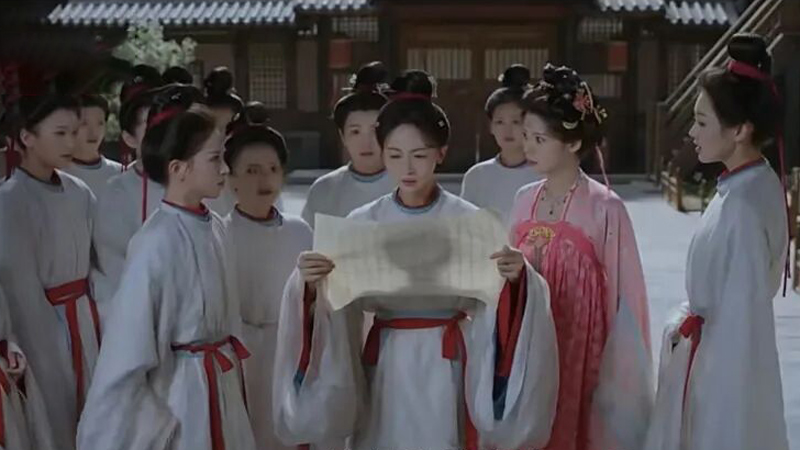
The imperial examination system was the backbone of ancient Chinese governance. Passing the provincial exam made you a Jieyuan (解元). Passing the national exam made you a Huiyuan (会元). For Meng Tinghui (孟廷辉), achieving the first title in Shazhou (沙州) was supposed to be her golden ticket to the capital and a shot at the ultimate prize—the palace examination. But when the national results were posted, her name was nowhere to be found. She initially accepted it as a sign of greater competition.
Then someone tried to kill her in the middle of the night. That was when she discovered the chilling truth: the essay of the new Huiyuan was word-for-word her own. She knew this wasn't just bad luck. It was a conspiracy, and she decided to fight it in the most public way possible.
The Art of the Accusation
Meng understood that a quiet appeal would be silenced. She had to create a storm. First, she spread the rumor of the stolen essay through every teahouse and street corner in the capital. Gossip became a weapon. Then, she took her campaign to the next level. Standing before the grand yamen (衙门) gate, she rallied a crowd of disgruntled students and curious onlookers. She did not just ask for justice; she demanded a public reckoning. The air was thick with tension as she challenged the very integrity of the examination system. Her strategy was layered. She had also sent her ally, Yan Fuzhi (严馥之), to seek out the influential Junior Minister Shen. She needed a powerful witness to back her claims when the investigation inevitably began.
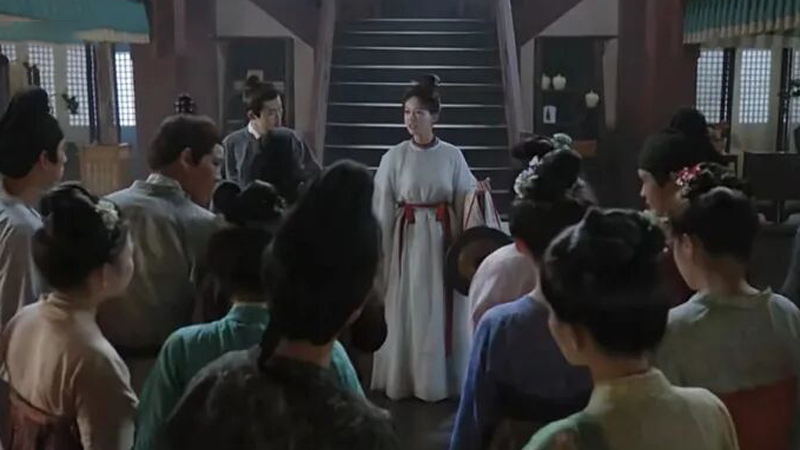
But she was not prepared for the identity of her accuser. When the conspirator was finally brought to light, it turned out to be Jiang Meier. This was no stranger. Jiang had fled Shazhou after a previous scandal and made her way to the capital. There, she attached herself to the Hu Xiao Bang (虎啸帮), the Tiger's Roar Gang, by trading on her looks as a mistress to the gang's second-in-command. She had no skill for writing prose or crafting an argument. She was a survivor, but a vicious and reckless one. Every time she was cornered, she would bluster and rage. When the fight turned against her, she would immediately beg for mercy.
The Final Gamble
The audacity of Jiang's scheme was breathtaking. The Huiyuan is the top candidate, the one who walks into the final palace examination with the highest expectations. To steal that title without a single ounce of talent was pure folly. It was a gamble that could never hold. How did she plan to answer the Emperor's questions in person? How would she navigate a scholarly debate with the most brilliant minds in the empire? Her plan was not just evil; it was profoundly stupid. She had painted herself into a corner from which there was no escape. Her desperation to climb the social ladder clouded her judgment, making her think she could outrun the consequences of her ignorance.
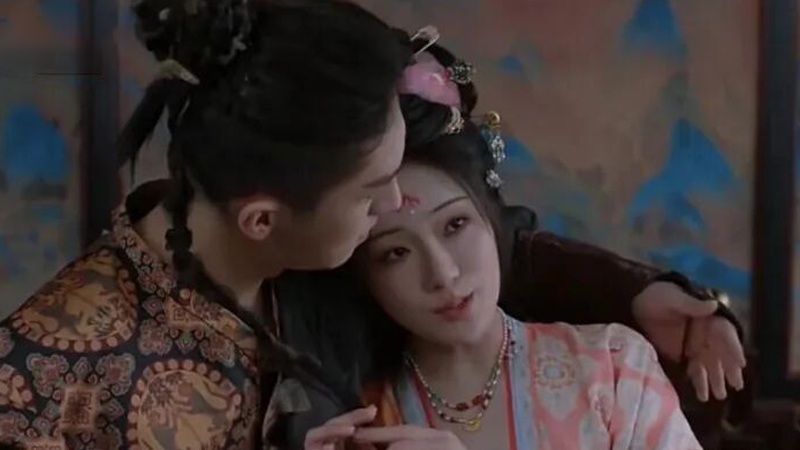
Meng's public accusation was powerful, but it also made her a target. What she didn't realize was that the local yamen was already under the gang's control. She wasn't walking into a court of law; she was walking into a trap. The magistrate, bribed and frightened, threw her into a dungeon without a second thought. The cold stone and chains were a far cry from the scholar's desk she had worked so hard to earn. She endured cruel treatment, her body broken while her spirit stubbornly refused to yield. She had gambled everything on a system she believed in, and that system had failed her.
A Rescue from the Throne
While Meng shivered in her cell, a far more powerful observer was watching the chaos unfold. The Emperor himself had been tracking her progress from the start. He had seen her brilliance in the provincial exams and had been curious to see what she would achieve in the capital. When she suddenly vanished from the rankings, he knew something was fundamentally wrong with the Enke (恩科), the special grace examination. The Emperor wasn't just a ceremonial figurehead; he was the ultimate arbiter of the state's intellectual life. His suspicion led him directly to the examination hall, the Grand Secretariat, and eventually, to the very doorstep of the corrupt magistrate who held her prisoner.
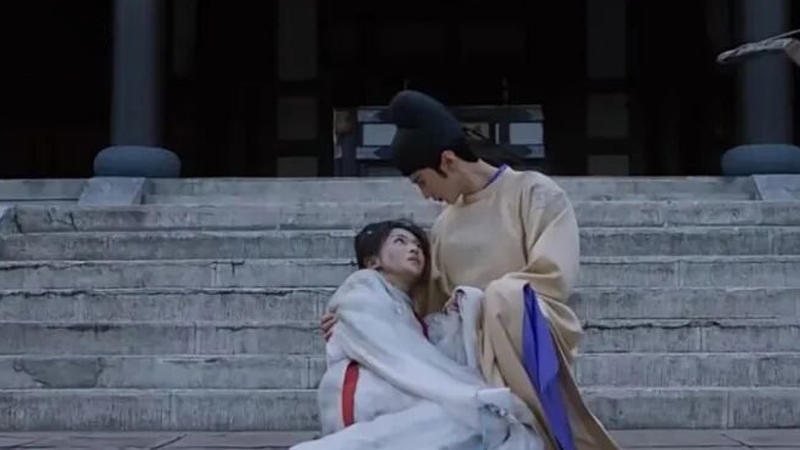
His direct intervention was the only force that could have broken the gang's grip on the capital's justice system. He reviewed the documents, saw the plagiarism, and witnessed the corruption of the local officials. If he had not acted, Meng Tinghui would have simply disappeared. Her body would have been buried in a pauper's grave, and the scandal would have been covered up. Her story would have been a tragedy of the forgotten. Instead, the Emperor's intervention not only saved her life but exposed the rot in his own administration. The story of the stolen Huiyuan became a lesson for all: the throne's greatest power is the capacity for swift, absolute justice.
