
The 2026 Yangzhou Morning Tea Culture Week opened on June 17 in Yangzhou, Jiangsu Province, and runs through June 23. Now in its eighth year, the festival has grown from a local morning-tea promotion into a national platform for Chinese food culture, with the 2026 edition gathering all seven of China's UNESCO Creative Cities of Gastronomy under one roof.
Hosted by the Yangzhou municipal government and guided by the China Hotel Association, the festival is built around the slogan "Come to Yangzhou, Eat Morning Tea, Bring Good Fortune." It activates close to 200 morning-tea shops across the city and the wider Yangzhou prefecture.
Seven Highlights, One Festival
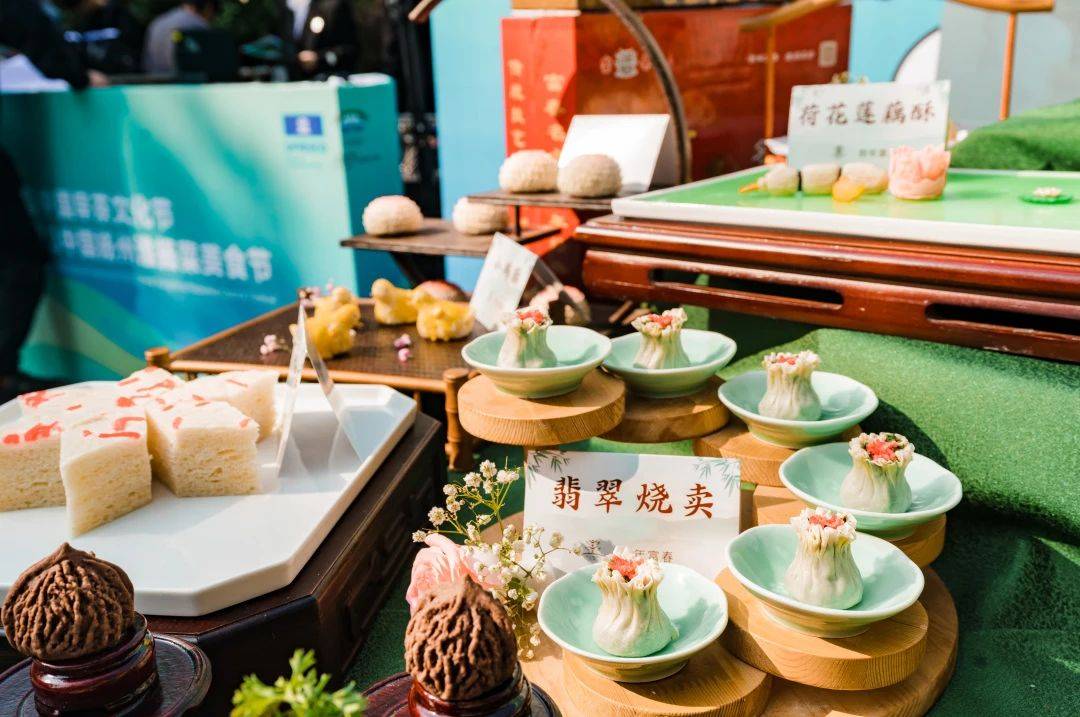
This year's program features seven anchor initiatives. A "Must-Eat Map" was released at the opening, identifying signature dishes and recommended shops across the city. A morning-tea new-product showcase lets participating teahouses debut summer-specific items. The seven UNESCO gastronomy cities — Chengdu, Shunde, Macao, Yangzhou, Huai'an, Liaocheng, and Zunyi — bring branded showcases to the central venue.
Other highlights include a non-craft-food market running alongside the main street, a 1.4 million yuan (about USD 195,000) consumer coupon distribution, a dedicated "morning tea bus" that ferries visitors between major scenic spots and teahouse clusters, and a marketing tie-in with the 2026 FIFA World Cup and the Su Super League football tournament.
What Makes Yangzhou Morning Tea
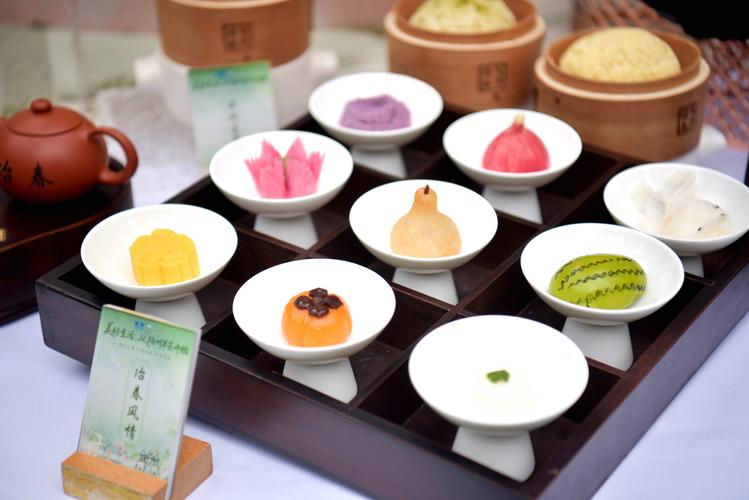
Yangzhou morning tea is one of the most celebrated tea-and-snack traditions in the Jiangnan region. The format echoes a dim sum brunch, with patrons ordering pots of tea alongside bamboo-steamed and pan-fried snacks. Signature items include xiefen shao mai (crab-roe dumpling), dingsheng tang (bowl-shaped steamed cake), qianzhang bao (thousand-sheet-wrapped pork bun), and the famous Yangzhou fried rice, which despite its fame is rarely served in the morning-tea context — it is, instead, a lunch and dinner staple.
The UNESCO designation has given Yangzhou's gastronomy international recognition, and the city's morning-tea culture has been a particular draw for overseas Chinese visitors and food tourists from across Asia.
Voices at the Opening
In a video address, Shahbaz Khan, Director of the UNESCO East Asia Office, noted that Yangzhou's morning tea tradition is one of the few foodways on the UNESCO Creative Cities list that places equal weight on the social ritual of gathering and the food itself. The festival's emphasis on cross-city collaboration — rather than local-only promotion — is a relatively new direction for the event and reflects the maturation of China's network of gastronomy cities.
How Visitors Can Plan a Trip
The morning tea bus loops between Slender West Lake, the historic Dongguan Street, and the Geyuan garden, with stops at flagship teahouses along the way. The festival's central venue hosts the seven-city showcase from June 17-23, with rotating daily themes tied to each visiting city. Visitors planning to combine the festival with other Jiangnan stops can reach Yangzhou by high-speed rail from Shanghai in roughly 2.5 hours, from Nanjing in about 1 hour, and from Hangzhou in roughly 3 hours.
