

Imagine living without shampoo, hot water, or a hairdryer. How often would you wash your hair? Once a year? Once a decade? Never? Before you picture ancient Chinese people as dirty wanderers, think again. As early as the Qin-Han (秦汉) period, society had already formed a custom: washing hair every three days and bathing every five days. The character Mu (沐) specifically meant hair washing, while Yu (浴) meant body cleaning.
Placing Mu before Yu shows how much they valued scalp hygiene—even more than the rest of the body. This practice wasn't just personal care; it was a rule of hospitality. According to Book of Rites (礼记), hosts had to provide guests with Mu every three days and Yu every five days. And filial piety demanded children boil water for their parents' hair wash every three days. So, the answer is more surprising than you think.
Official Breaks
The Han Dynasty turned hair washing into a legal holiday. Han Laws (汉律) stated: "Officials shall take a break every five days for washing." This was called Xiu Mu (休沐), a day off specifically to go home, wash hair, and bathe. Why did it need a whole day? Because ancient men and women kept long hair. A single wash took at least one to two hours. Wet hair couldn't be tied into a bun or covered with a cap. Without hairdryers, they couldn't work with dripping hair. So, after washing, no work and no social visits became the norm.
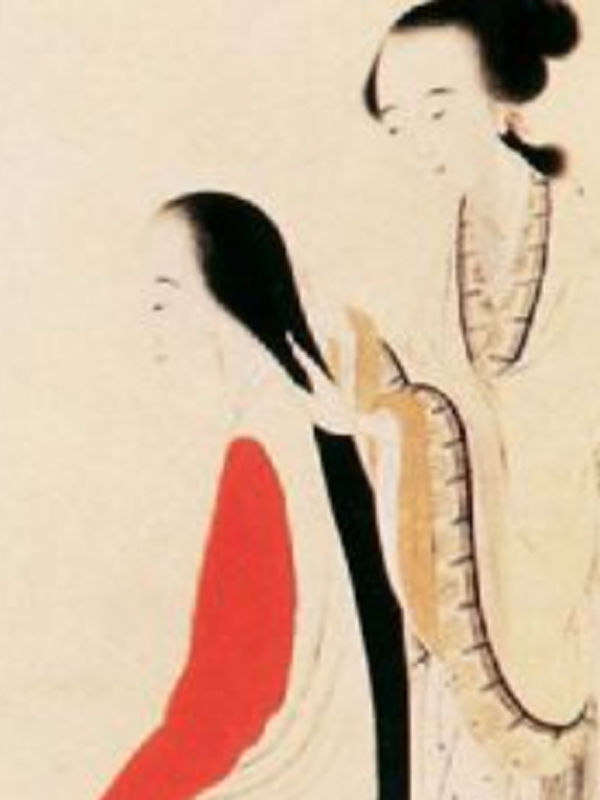
During the Tang Dynasty, the schedule changed from a five-day break to a ten-day break, called Xun Xiu (旬休) or Xiu Huan (休浣). By the Song and Ming dynasties, it remained at ten days, meaning only three wash breaks per month. The frequency visibly dropped. But at least for officials, washing hair was a state-guaranteed right. Duke of Zhou (周公), a key minister in the early Western Zhou, had a funny problem. Whenever wise men visited, he was often in the middle of a hair wash. He couldn't keep them waiting, so he'd grab his wet hair, squeeze it back, and run out to greet them. This became the idiom "one Mu, three hair-grabs"—meaning washing once but interrupting three times for guests.
Commoners' Plight
All those rules applied mostly to nobles and officials. Ordinary people were far less particular. In ancient times when resources were scarce, very few households could truly wash every three days. To keep hair from getting dirty, commoners would coil it into a bun, or wear a cap or headscarf to block dust. They mostly washed during the three non-cold seasons—spring, summer, and autumn—about two or three times a year.
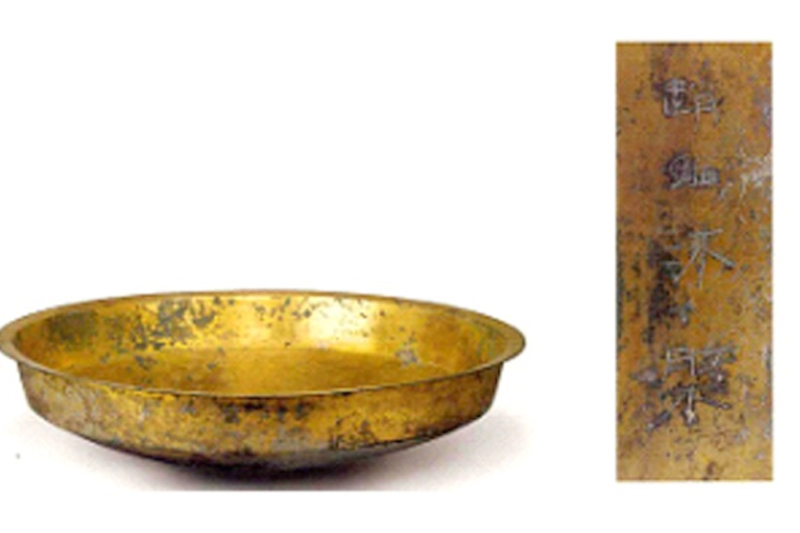
For poorer peasants, the interval stretched to one season (three months) between washes. They spent most of their time laboring in the fields and had no energy for hair care. As for vagrants and beggars, many never washed their hair once in their entire lives. The gap between classes was enormous. Yet even with low frequency, ancient people didn't neglect their hair entirely. They developed creative solutions using natural ingredients.
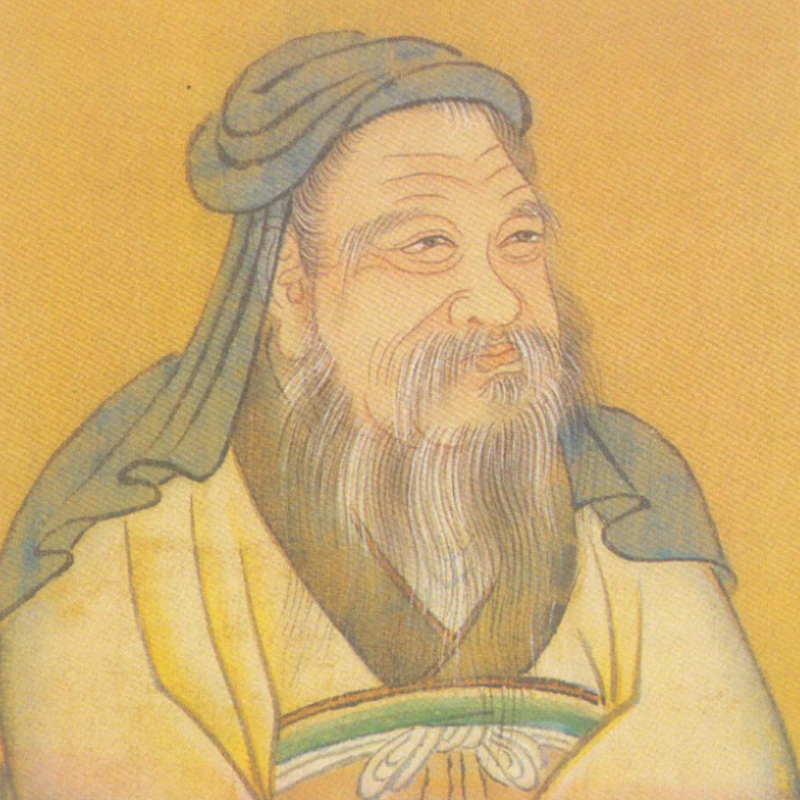
One key reason for avoiding frequent washes was the sheer difficulty. The Classic of Filial Piety said: "Body, hair, and skin come from parents and must not be harmed." People treated hair as precious as life. They couldn't cut it casually. Even losing strands caused anxiety. The poet Su Shi (苏轼) wrote: "After a fresh wash, my head feels lighter—I sense my hair thinning." Another poet, Bai Juyi (白居易), lamented: "Because I wash so rarely, my hair falls out; one wash still leaves me half bald." A vicious cycle of fear and neglect.
Herbal Suds
Despite the hassle, ancient people were inventive with hair cleansers. As early as the Shang and Zhou dynasties, they used rice water, then called Pan (潘). Rich in nutrients, it made hair smooth and shiny. Later, they discovered Zao Jia (皂角), or Chinese honey locust pods. The extract contains saponins that create foam and remove dirt. Even today, some rural areas still use it. Compendium of Materia Medica (本草纲目) noted that Zao Jia relieves dandruff, stops itching, reduces swelling, and detoxifies.
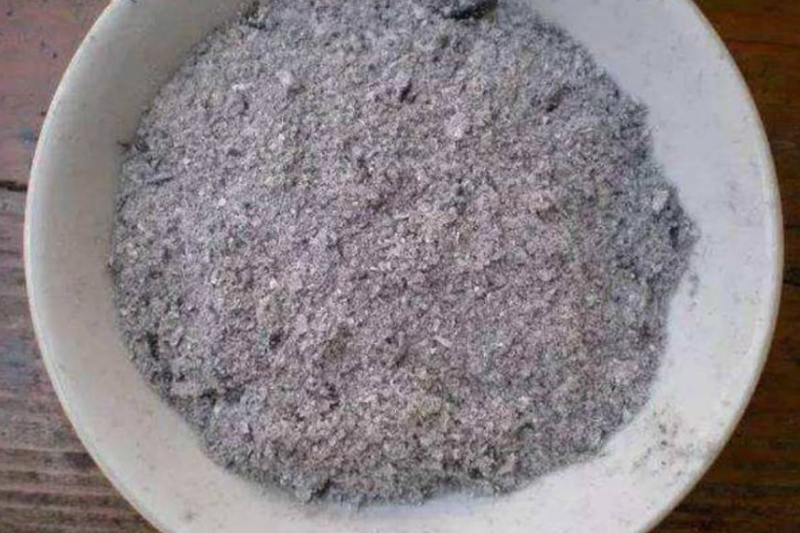
For commoners, Cao Mu Hui (草木灰), or plant ash, was a cheap alternative. Burning straw or stalks produced ash that, when dissolved in water, became alkaline. It reacted with scalp oils to clean, and like activated charcoal, it absorbed impurities. But they didn't rub ash directly on the head—they used the filtered liquid. Another favorite was Mu Jin Ye (木槿叶), leaves of the hibiscus tree. It acted like a fragrant shampoo, leaving hair fresh and lightly scented, especially popular among women.
The wealthy enjoyed Zhu Ling (猪苓), a type of polyporus fungus mixed with spices. It was the ancient equivalent of a high-end hair care product. Dream of the Red Chamber (红楼梦) describes an even more luxurious recipe: a maid received "flower dew oil, eggs, scented soap, and hair ties." Egg whites, rich in protein, were another secret formula. So, while the poor made do with plant ash and rice water, the rich indulged in multi-ingredient treatments. Yet regardless of class, every wash was a labor-intensive ritual.
The Bald Truth
You might notice a contradiction: ancient people valued hair washing highly, yet their frequency dropped over time—from three days in Han to ten days in Tang, and even longer in Qing. Why? Because washing was genuinely torturous. It took hours. Hair would stay wet for most of the day. And then came the fear of hair loss. Su Shi and Bai Juyi weren't alone. Many scholars wrote anxious poems about thinning hair after a wash. The act itself seemed to accelerate baldness.
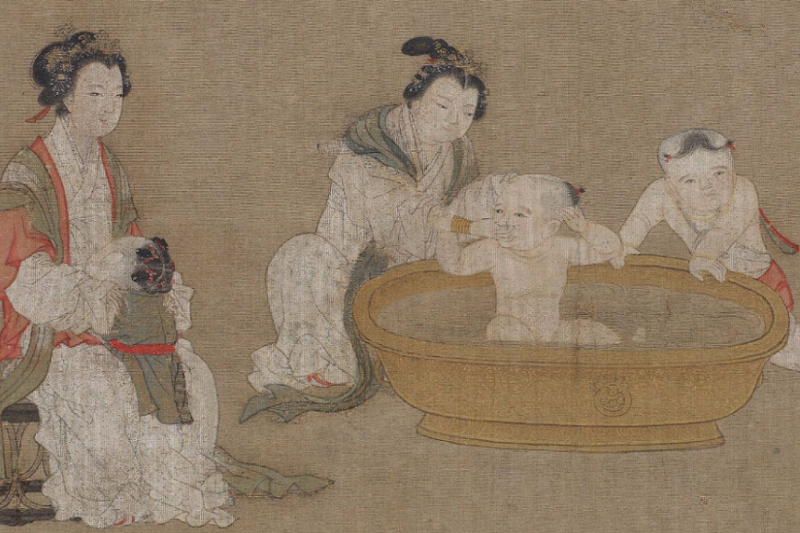
There's some logic to their fear. Washing too often with harsh natural cleansers could strip the scalp, and without modern conditioners, dried-out hair might break more easily. Plus, the physical act of scrubbing and rinsing long, tangled hair could pull out strands. So they washed less to "save" their hair. But less washing meant more dirt, more oils, and more dandruff, which also caused hair fall. Stuck in this paradox, many chose infrequent washing as the lesser evil.
Ironically, the elite who could afford the best ingredients and had servants to help still washed only every ten days. For them, the holiday was more about ritual and social standing than actual hygiene. The common man, already bald from stress and labor, simply gave up. By the late Qing, many rural peasants washed their hair only once or twice a year, usually before major festivals. So the idealized "three-day Mu" remained a privilege for the few.
Combing Instead of Washing
Since washing was such a nightmare, ancient people devised a lazy but clever alternative: the Bi Zi (篦子), a fine-toothed comb. Unlike regular combs, its teeth were so close together that only a few hairs could pass through at a time. They would dip the Bi Zi in hair oil and scrape it from scalp down. This removed dandruff, dirt, dust, and even lice. It also massaged the scalp, stimulating blood flow and reducing the need for frequent washing.
In Qing dynasty palace dramas, you always see noble ladies having their maids comb their hair for hours. That wasn't vanity—it was a cleaning ritual. By scraping away grime daily, they kept hair presentable without water. Bi Zi became a household essential, especially for those who couldn't afford expensive shampoos or had no time for a full wash. It was portable, reusable, and required no drying time. Some even believed regular combing made hair grow thicker, though that was more hope than science.
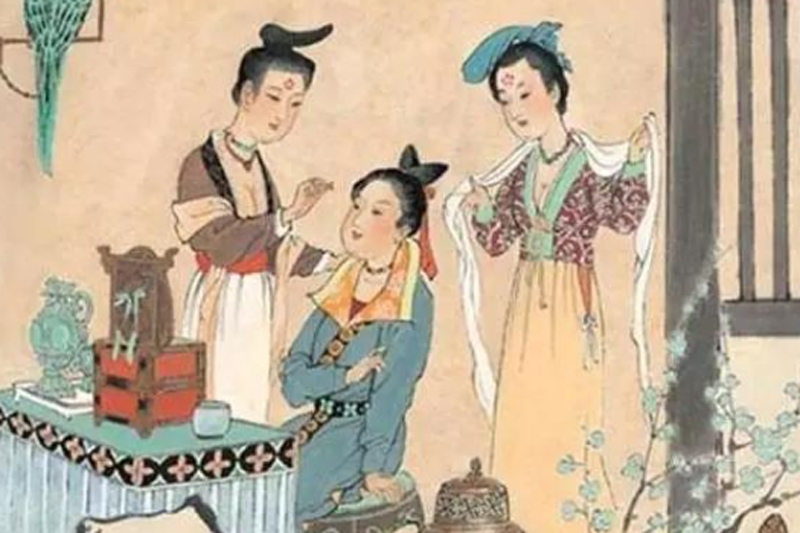
So, did the Bi Zi replace washing entirely? No. But it extended the intervals. A noblewoman might wash once a month but comb daily. A farmer might wash three times a year but use a Bi Zi every evening after work. This dual system allowed ancient people to maintain some level of scalp hygiene without the ordeal of full immersion. And it's still used today in some rural parts of China, proving that sometimes, the low-tech solution wins.
So, how often did ancient Chinese wash their hair? No single answer—it depended entirely on your social class. If you were a Han Dynasty noble or official, probably every three days, with a paid holiday. If you were a Tang or Song official, every ten days. If you were an ordinary peasant, about two to three times a year, mostly in warm seasons. If you were a poor laborer, once a season or even less. And if you were homeless, likely never. Next time you turn on the hot water and squeeze shampoo into your palm, take a moment. You're living better than ancient emperors ever did.
