Episode 23 of Blossom in Darkness (十万狂花入梦来) does not rely on loud twists. Its “Goldfish Flower Fire” arc quietly presses on a familiar wound: loving the wrong person at the wrong time, then living with the echo. Dan Shen (丹参) cannot defeat Qi Fengyin (岐凤殷). Qi uses Dan Shen’s Shenpo (神魄) to force Ya Mao (鸭毛) to follow him. That bargain matters, but the sharper pain belongs to Cang Zhu (苍术) and Yu Ji (鱼姬), whose missed chance still stings after the screen goes dark.
A Costly Bargain
Ya Mao refuses to meet Qi Fengyin, so Qi finds a cruel shortcut. He does not need to win an argument; he only needs leverage. Holding Dan Shen’s Shenpo, Qi is certain Ya Mao will obey. The plan feels cold because it turns feeling into a leash. Ya Mao’s choice is not freely made, and the episode lets that discomfort sit without overexplaining it.
The last evil thought is not a monster or a villain’s plot. It hides in Cang Zhu at Luoliang Xianzong (络良仙宗). He cannot forget Yu Ji, and that unresolved memory has hardened into obsession. Unlike earlier malicious thoughts, this one is painfully human. It does not want to destroy anyone. It simply refuses to let go.
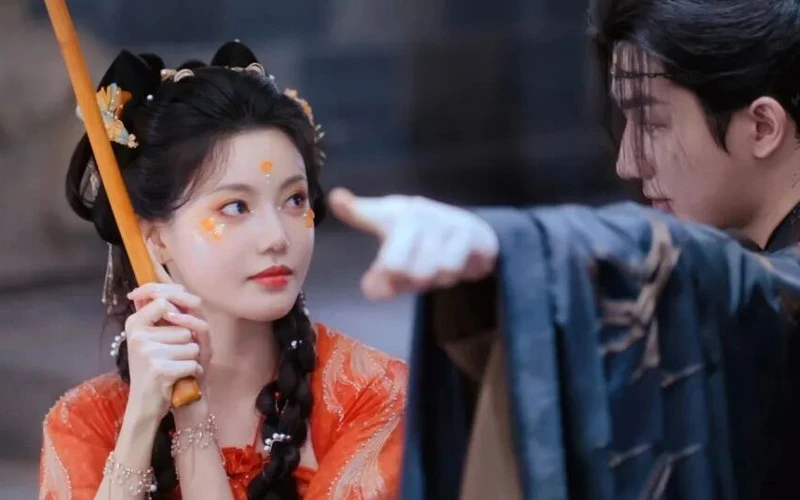
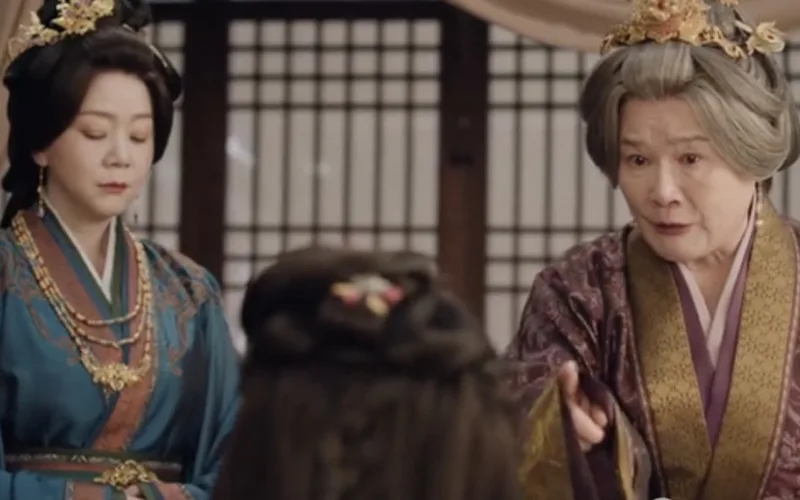
Years earlier, Cang Zhu trains with the Xuanji Stone (璇玑石) to marry Ruo Shi (若诗). Once he succeeds, he misses Yu Ji instead. Ruo Shi’s sincerity makes the situation worse. She has done nothing wrong, yet she senses his distance. Her restrained disappointment cuts deeper than any speech. Cang Zhu fails Yu Ji, but he also wounds the woman who truly chose him.
Wedding Contrast
During the Xuanji Stone days, Yu Ji stays beside Cang Zhu. She heals him, keeps him company, and takes lightning tribulations for him. Their time together is simple, almost domestic. Cang Zhu looks happy in those memories, and later he keeps replaying them. Yu Ji falls in love precisely because those ordinary days feel real. Nothing grand is promised, but she gives her care freely.
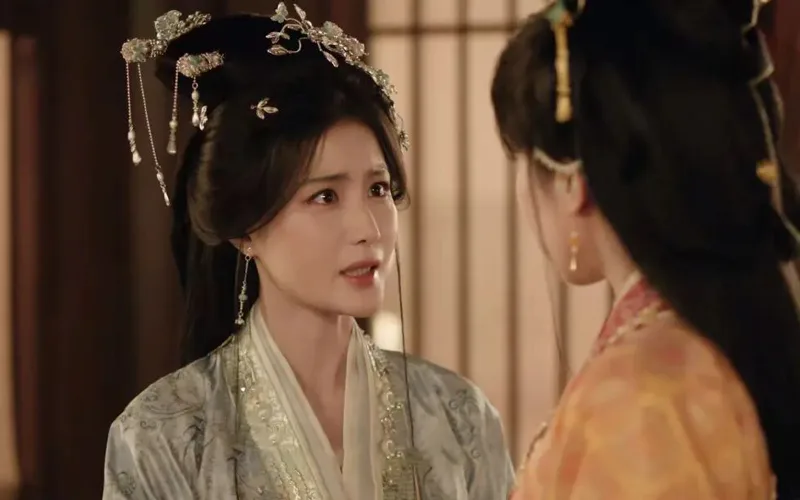
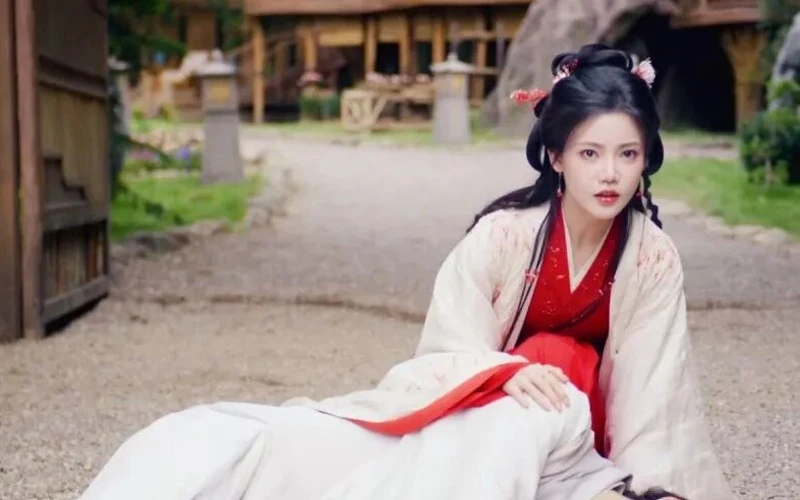
She finally asks whether he will return with her to Donghai (东海). Cang Zhu says nothing. His silence is an answer. Yu Ji understands at once, then dances for him one last time. The scene has no dialogue, only music and movement. It is the episode’s most beautiful shot because it does not beg for tears. It lets the loss happen quietly.
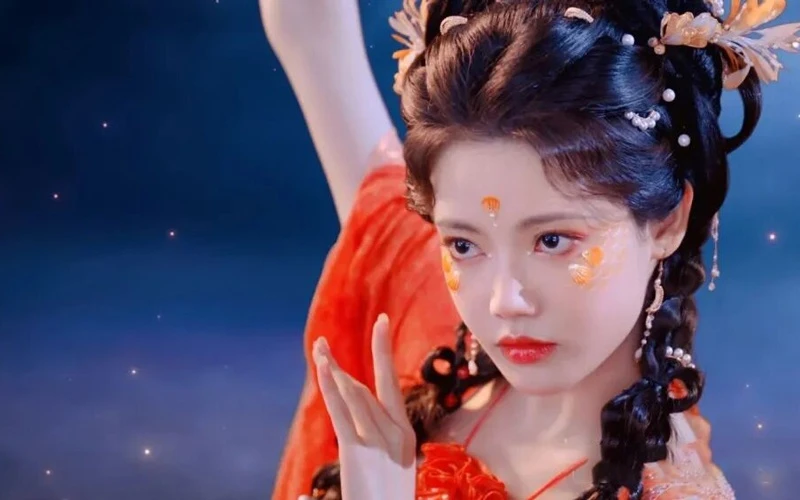
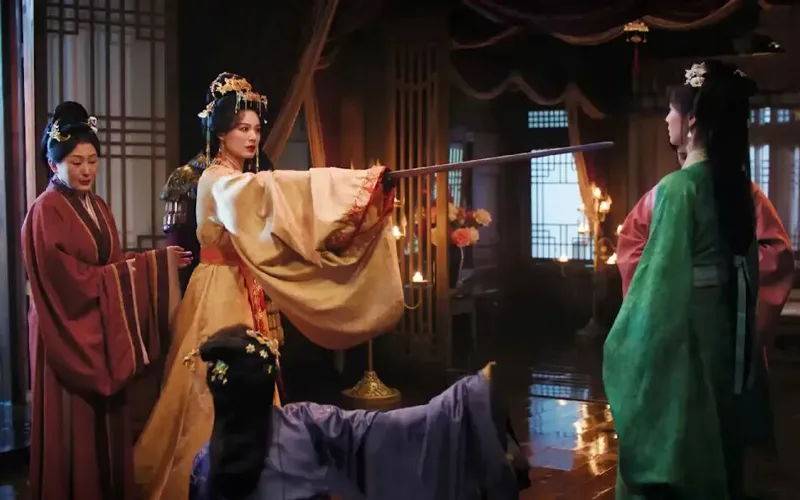
The dance is cut against Cang Zhu’s wedding to Ruo Shi. Red decorations and festive noise make Yu Ji’s loneliness sharper. He bows beside Ruo Shi, yet his eyes hold no joy. The camera moves between the two moments, showing his confusion without a single line of regret. He wanted this wedding, but his heart keeps turning toward Yu Ji. The contrast is brutal because it is so calm.
Late Regret
Cang Zhu treats marrying Ruo Shi as a life goal, not a clear answer about love. The Xuanji Stone also proves his cultivation has grown. He confuses achievement with affection, and that mistake plants years of regret. He does not ask what he feels until the choice is already gone. By then, the wedding is real, but the emotional truth is not.
His regret does not explode at the altar. It grows later, during ordinary moments with Ruo Shi, when memory brings Yu Ji back. He wavers between the woman beside him and the woman he left behind. He wishes he had understood his own heart before the wedding, before Yu Ji stopped asking, before silence became permanent. The episode makes regret feel less like a dramatic punishment and more like a slow habit.
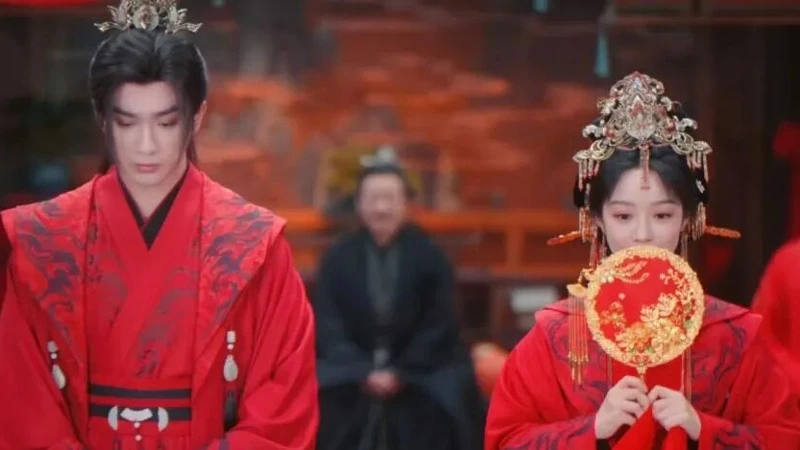
Qi Fengyin finds human evil thoughts laughable, and this arc shows why. People often neglect what they have and treasure what they lost. Cang Zhu’s obsession is not grand. It is the small, stubborn refusal to accept a missed chance. That is why Yu Ji’s dance and Ruo Shi’s quiet hurt linger. The episode does not scold Cang Zhu. It simply shows how easily a person can win the wrong prize and call it fate.