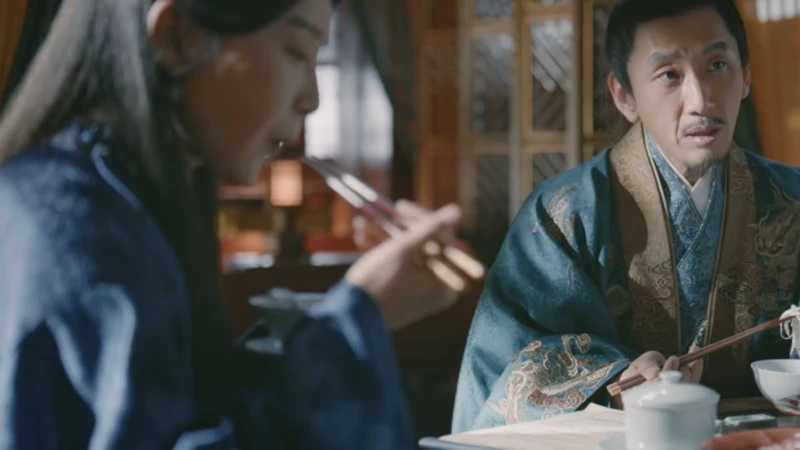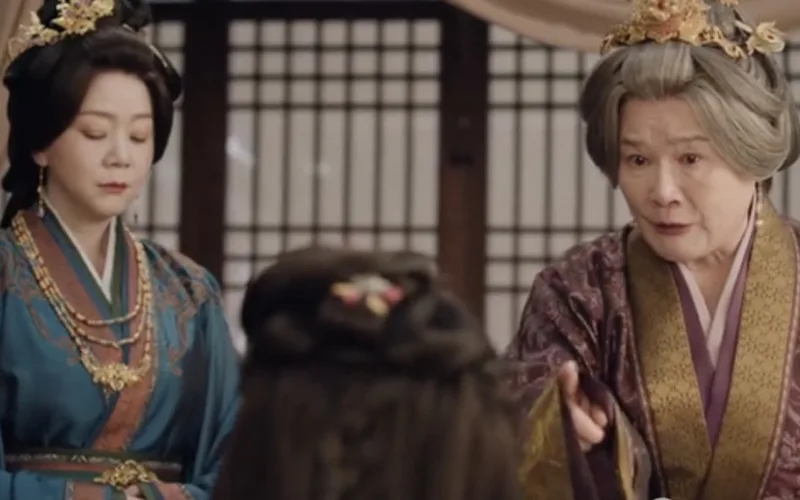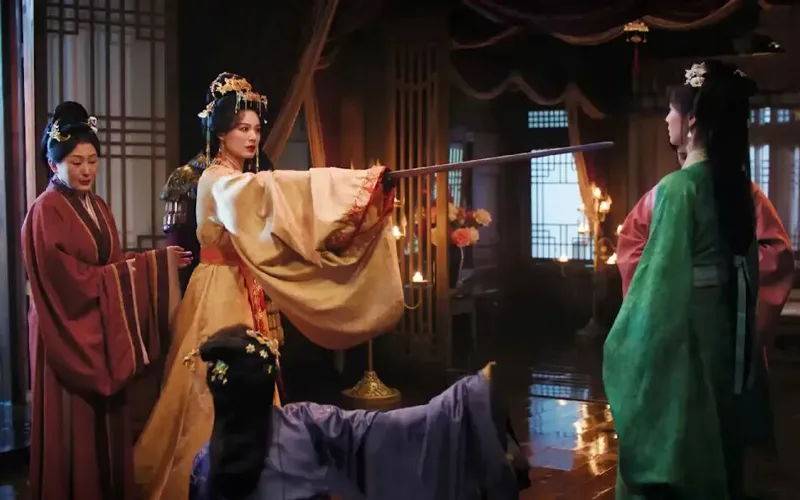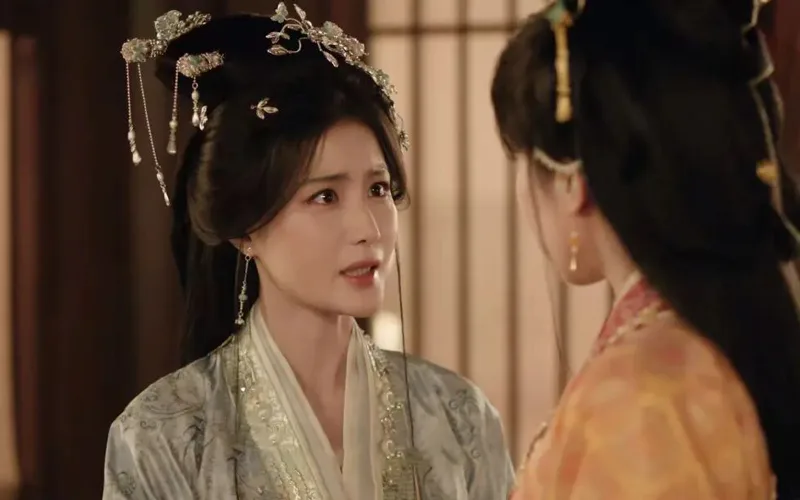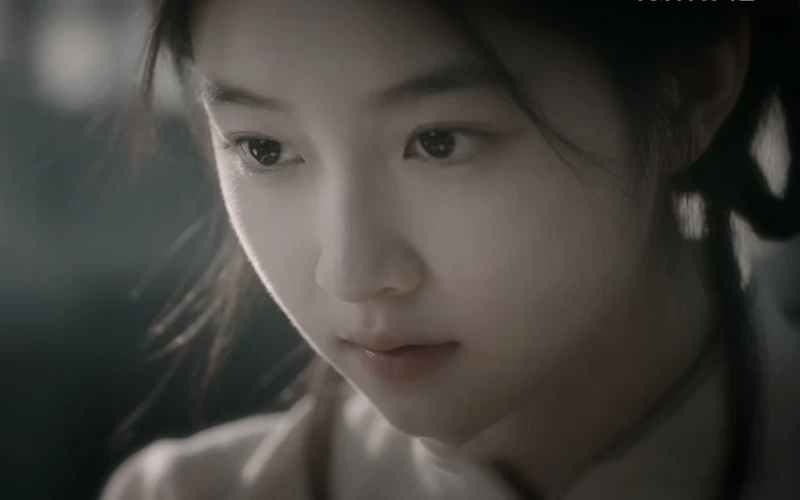
The finale of River of No Return (两京十五日) ends with gates opening and a question still smoking. Yu Qian (于谦) and Wu Dingyuan (吴定缘) bring Zhu Zhanji (朱瞻基) home to rule. Their loyalty is easy to cheer. Yet Su Jingxi (苏荆溪) lingers longer: a quiet physician who poisons, kills, and stakes her whole life on Wang Jingshu (王景姝), a friend from girlhood. Was that devotion, or a sickness wearing devotion’s coat? The answer matters because the show turns a revenge plot into an argument about who counts as a person.
A Promise Broken
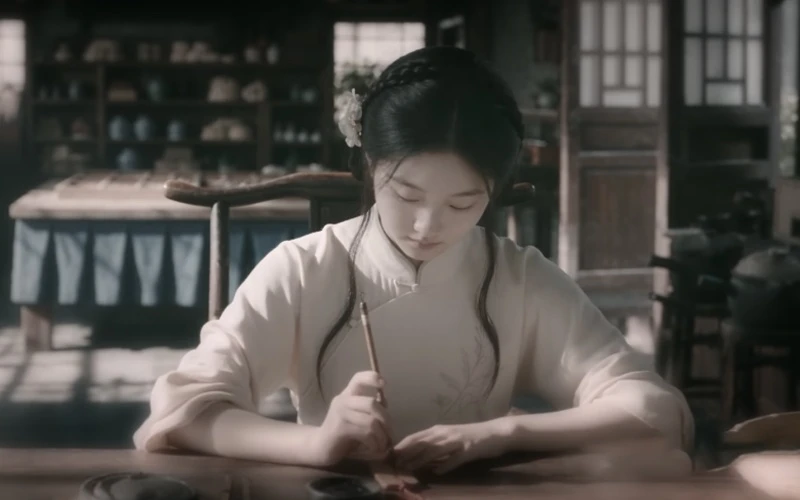
As girls, Su and Wang studied medicine together. Wang imagined a small clinic for women, a place where frightened patients could speak plainly. That promise is simple, almost ordinary. It also explains why Su later refuses to let her friend become a line in a bureaucratic report. The show does not need a grand speech here. Two young women, herbs, and a plan are enough to make the loss feel personal.
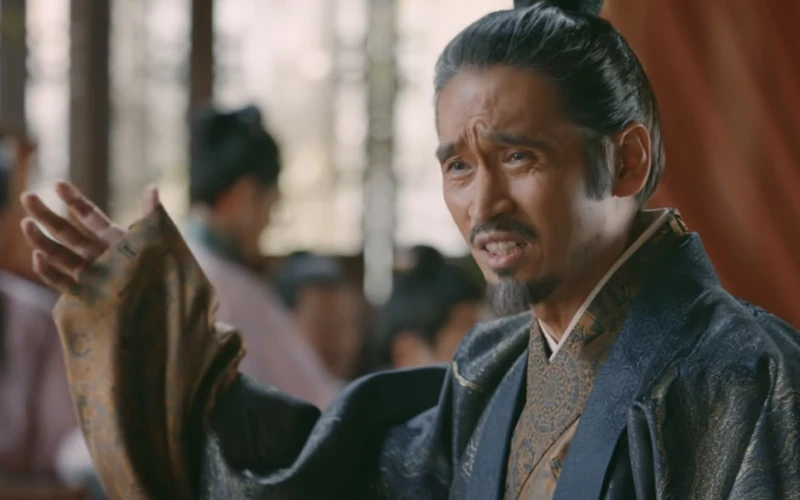
Then Wang enters the palace and becomes Concubine Jing. After the Yongle Emperor (永乐大帝) dies, she is selected as a Chaotian Nü(朝天女), one of the women sent to accompany the dead. Zhang Quan (张泉) puts her name on the list. Wang Teng (王滕), her father, accepts reward instead of mourning. Su watches relatives turn grief into profit. Her friend is not simply killed; she is processed, praised, and pushed into a tomb.
From that point, Su aims at everyone involved. Her target is not an abstract system at first. It is Zhang Quan’s pen, Wang Teng’s smile, the court’s smooth language. She is a healer who has learned how quickly a life can be filed away. Revenge gives her a direction, but it does not give her peace. The promise to open a clinic has curdled into a promise to make someone answer.
The Heart’s Illness
Su is not a natural killer. That is what makes her frightening. She knows pulse, dosage, and the border between sleep and death. In Ma Boyong’s (马伯庸) novel, her interior voice is clearer than in the drama. She admits that Wang Jingshu has no blame. Her anger has nowhere to go, so it takes her friend’s face and invents a reason. The excuse is intimate because it comes from her own dreams.
This is a heart illness, not a clean political program. Su poisons Zhu Buhua (朱卜花) and Wang Teng. She uses the same knowledge that should save patients. Because she understands how heavy one life is, she cannot bear hearing a fresh death wrapped as “honor.” The court calls it duty; she smells oil, smoke, and a body. Her grief repeats, circles, and refuses to shrink.
Her obsession is not admirable, and the story does not ask us to approve. It asks us to see the pressure. A woman with no official power has only her skill, her memory, and her willingness to risk everything. Su’s revenge becomes a compulsion because stopping would mean accepting that Wang’s death was ordinary. For her, ordinary is the cruelest word. So she keeps moving toward the tomb.
Fire and Silence
Zhu Zhanji returns and takes the throne. Su asks him for two things: punish Zhang Quan and end xunzang (殉葬), the burial of living women. He asks the question many viewers ask. Was one friend worth a whole life and so many deaths? Su answers that feeling is not measured by time. The line is not a slogan. It is her last attempt to make the emperor treat a woman’s bond as real.
Zhang Quan is the emperor’s uncle. For court stability, Zhu sends him to Tianshou Mountain (天寿山). Su follows. At Changling, she climbs the Ming Tower, speaks Wang Jingshu’s name, and lets oil and flame answer. Zhang dies in the fire. Soldiers later find his remains; Su’s body is missing. Zhu writes eight characters: close the case, stop searching. The fire settles a debt, not a law.
The Ming dynasty keeps its ritual until a later emperor bans it. Su cannot burn away an inherited rule with one tower. Still, her question survives the ash. The three men’s road story is about brotherhood; Ma Boyong saves the final move for a woman who was never meant to have one. Her line echoes an old code: a true person dies for one who understands. The drama leaves the smoke hanging, and that is the point.