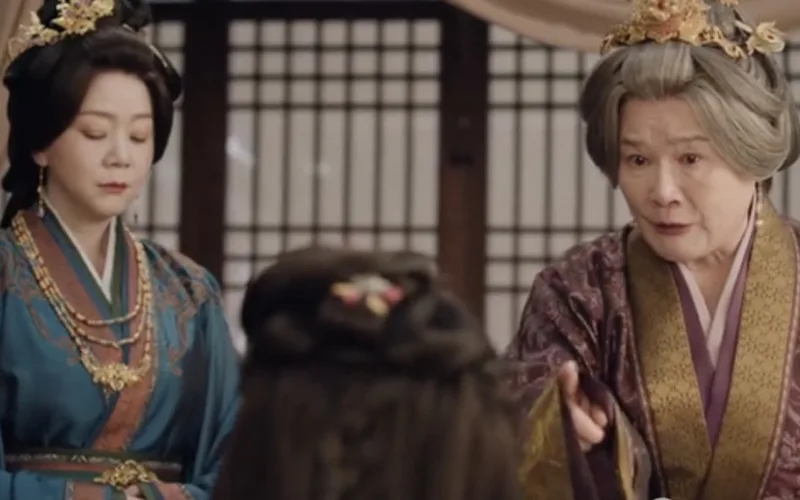
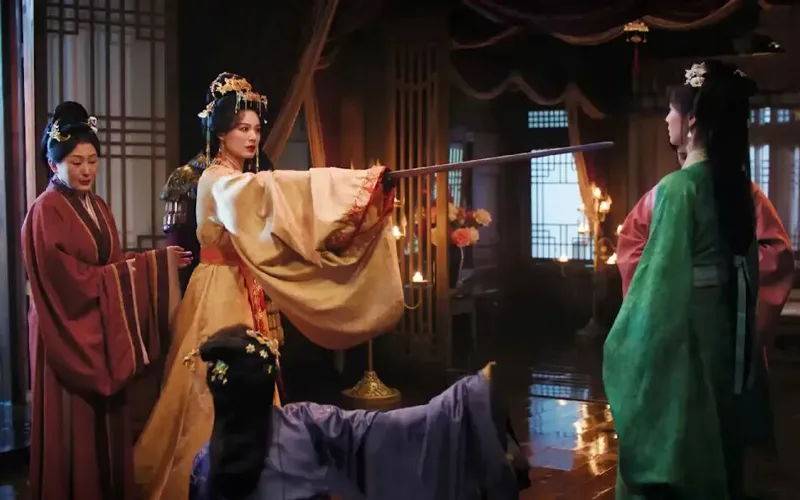
In River of No Return (两京十五日), the Ming court seems to tilt toward the Prince of Han (汉). Ministers sign petitions, old allies whisper, and his military record looks strong. Yet the man who ends up winning is Zhu Zhanji (朱瞻基), the young heir racing back from Jinling (金陵). The puzzle is not why the prince fights. It is why so many people quietly refuse to let him win. The answer sits in palace corridors, in a father’s unpopular policy, and in one servant’s blunt sentence.
Palace Delay
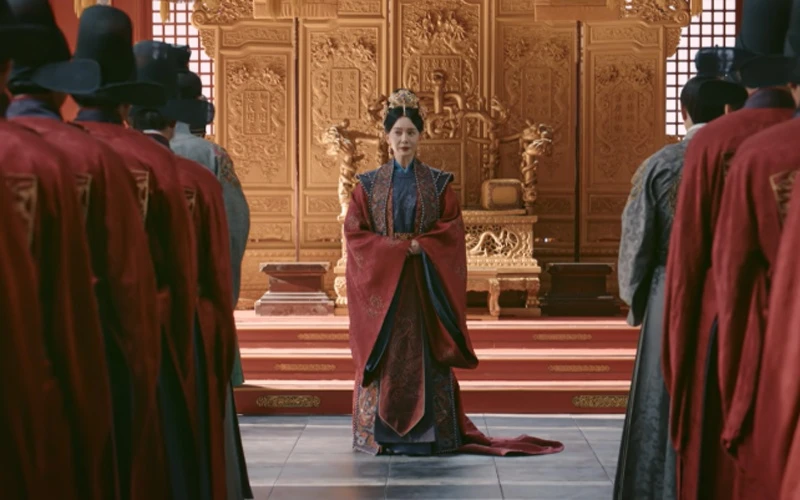
Official Lü (吕) walks into court and asks Empress Zhang (张) to let the Prince of Han act as regent. His timing is bold; his loyalty is obvious. Zhang does not slam the table. She asks one clean question: “Whose voice are you speaking for—the Prince of Han’s?” The room understands. She has named the game without playing it.
She also knows that removing Lü solves little. More petitions will arrive. So she sends the proposal to various offices for “joint discussion.” That phrase buys time. If Zhu Zhanji returns while the paperwork crawls, the matter can fade. Zhang is not chasing a dramatic victory. She is protecting the Eastern Palace with procedure, patience, and a cold reading of court appetite.
The Prince of Han can gather signatures, but that skill has a cost. Every minister who bows to him also reveals a faction. Hai Shou (海寿), a palace servant, later gives Zhang the sharpest summary: few senior eunuchs in the palace could survive under the prince’s temper. A man who cannot tolerate people may collect allies, but he cannot keep them.
This is why the regency plot feels noisy but hollow. A regent needs trust from the palace, the bureaucracy, and the army at once. The prince can pressure one door and bribe another; he cannot make all three feel safe. Zhang’s delay turns that weakness into a public test, and the test keeps failing.
Copper Vat
History remembers Zhu Gaoxu (朱高煦) as a fighter. During the Jingnan (靖难) campaign, he charged at the front and earned real respect. After Zhu Zhanji took the throne, in the Xuande (宣德) era, the prince raised troops anyway. He failed. His end was brutal: locked inside a copper vat and burned alive. The contrast is hard to ignore. He had soldiers, sons, and court contacts, yet his rebellion collapsed.
Hai Shou’s sentence explains more than a battlefield report. The prince could not bear people with influence. He trusted his own judgment and treated others as tools. A throne is not seized by swords alone; it is held by people who choose to stay. Palace servants, clerks, guards, and officials all read a master’s character. Under Zhu Gaoxu, they saw no safe place for themselves.
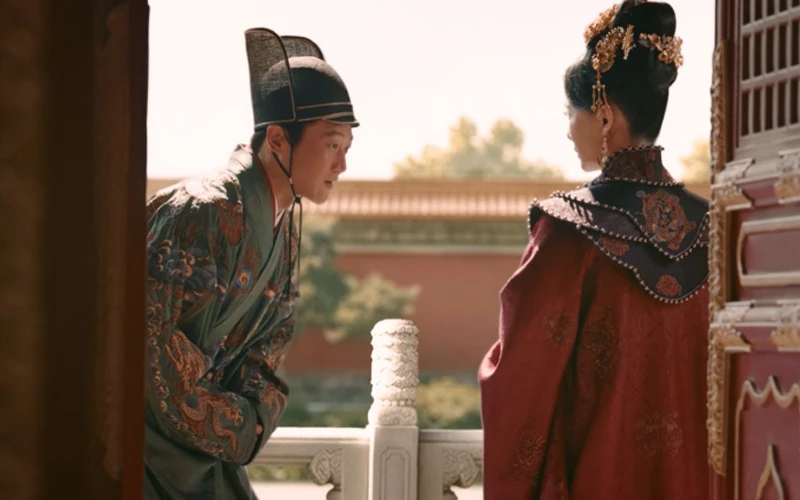
That is why the Eastern Palace attracted quiet loyalty. Zhu Zhanji was absent, hunted on the road, and still had people working for him in Beijing. The prince of Han had more visible support, but visible support can be fear wearing formal robes. When the crisis came, fear did not hold.
His sons did not save him. His officers did not die for him. Once the rebellion lost momentum, the same courtiers who had flattered him began calculating distance. A leader who rules by contempt leaves no reserve of affection when luck turns. The copper vat is not just a gruesome ending; it is the final proof of his isolation.
Father’s Shadow
Zhu Gaochi (朱高炽), Zhu Zhanji’s father, was fat, lame, and often underestimated. His record was different. He endured, reduced taxes, and sent relief during disasters. As emperor, he lasted less than a year, yet his rule helped prepare the Xuande period. He worried about grain moving north on the Grand Canal , because the transport system drained ordinary households. He wanted the capital moved to Jinling.
He sent Zhu Zhanji ahead to Jinling. The son refused the plan. At Guazhou (瓜洲), Zhu Zhanji had seen how transport officials squeezed workers and farmers; the experience matched his father’s worry, but it did not change his mind. He had fought beside his grandfather and admired a harder, more warlike style. In his heart, the old emperor outranked the sick man on the throne.
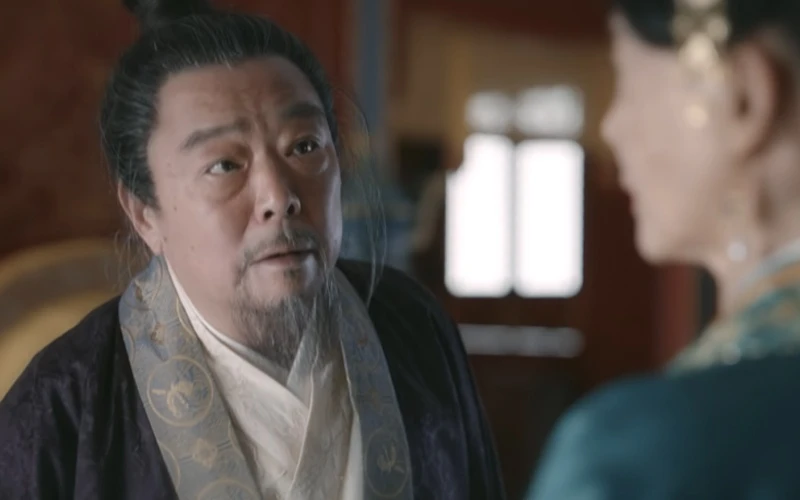
That family gap matters. Zhu Gaoxu lost to his nephew, yes, but he also lost to the brother he never respected. Zhu Gaochi’s patience had built goodwill across the court. Empress Zhang guarded that goodwill when the prince of Han pushed. The old father Zhu Zhanji dismissed was part of the ground under his feet. Book of Documents says it plainly: “With patience, one succeeds; with tolerance, virtue grows.”
Zhu Zhanji could win because his father had made mercy look practical. Relief grain, lower demands, and a court that did not devour every rival gave officials a reason to wait for the heir instead of betting on the uncle. The son’s sharp edge needed the father’s soft ground. That is the quiet irony of the story: the prince of Han never saw the brother he had already lost to.