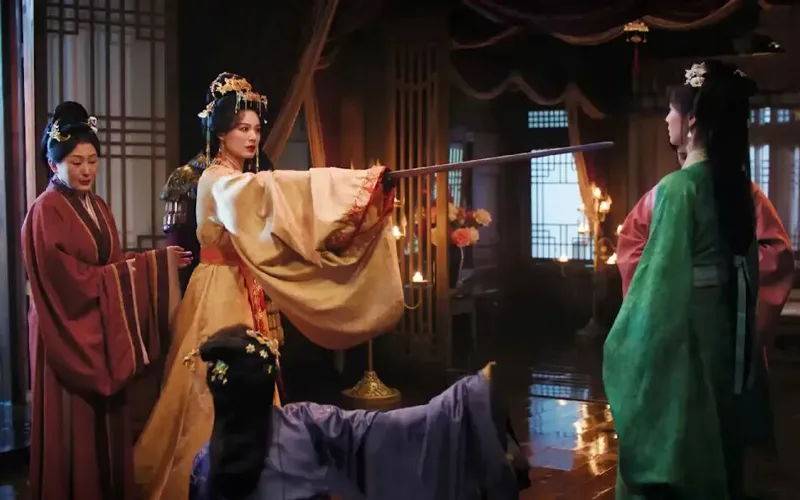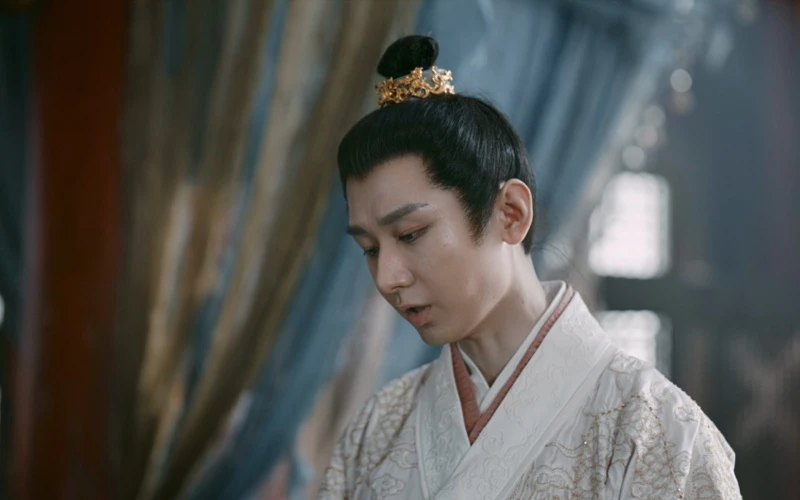
Zhu Zhanji (朱瞻基) should have climbed the throne surrounded by officials, banners, and careful speeches. In River of No Return (两京十五日), a blast on a treasure ship throws the crown prince into dust, docks, and danger. He must reach Beijing with only a constable, a woman doctor, and a low-ranked courier beside him. The journey looks like escape; it is also a test. The question is not whether he can run fast, but whether he can learn what keeps an empire moving.
Why Fifteen Days?
Yu Qian (于谦) uses fifteen grains of rice to mark the deadline. The answer sounds strange until the politics become clear. Zhu Zhanji is the rightful heir, so why would a few late days matter? Because a throne is not a reserved seat. Zhu Di (朱棣) once took power through the Jingnan Campaign (靖难之役), and his son Zhu Gaoxu (朱高煦) saw the lesson up close. He knows that loyal officials can change masters once a new emperor holds the capital and the paperwork.
Yu Qian calculates that June 3 is an auspicious day for an enthronement. If Zhu Gaoxu wants to seize the line of succession, that date is his best opening. So the fifteen days are not a personal fitness goal for the prince. They are the narrow window left by his uncle. A late arrival would not simply be embarrassing; it could make him a fugitive with a famous surname. The race is about legitimacy, timing, and who controls the morning court.
This deadline also explains the panic in the story. Every delay at a lock, every slow barge, every broken road becomes political. Zhu Zhanji cannot send a message and wait. He must appear in person, before rumor hardens into fact. The novel turns a countdown into a knife edge. The prince is not travelling to claim a prize; he is trying to prevent a door from closing.
Borrowed Speed
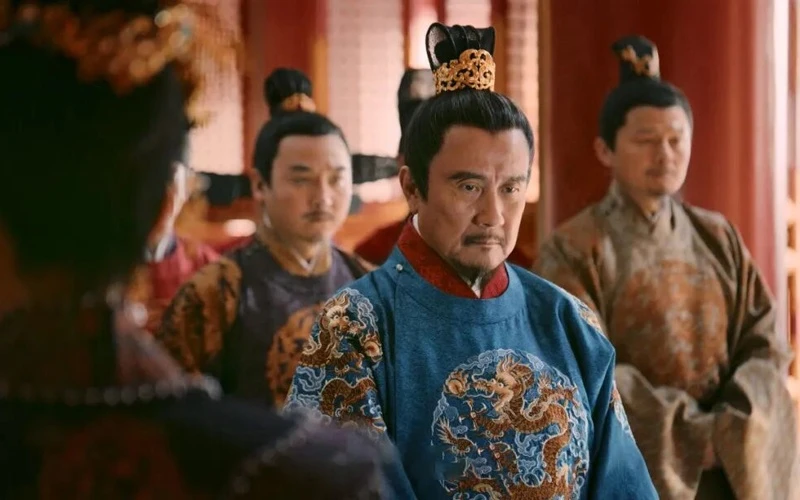
Can anyone cover more than two thousand li in fifteen days? Under normal Ming dynasty conditions, the water and land networks made it possible. Yu Qian chooses fresh-food boats. These vessels carried palace supplies and enjoyed priority passage; post stations offered relays and repairs. Zhu Zhanji does not invent a heroic shortcut. He borrows the state’s existing speed. That detail matters. The prince’s dramatic ride rests on systems built by clerks, boatmen, soldiers, and cooks.
Privilege still hits friction. In Shandong, the canal rises and falls with uneven ground and thin water. A flag or tablet can open a gate, but it cannot make a river deeper. The novel uses this stretch to puncture the fantasy that power solves everything. Water engineering, maintenance, and local knowledge decide the pace. Zhu Zhanji’s impatience with Yu Qian shows how little the heir understands the machinery beneath his comfort.
History supports the outline. The real Zhu Zhanji reached the capital in about two weeks after receiving the recall. Yet his speed was prepared long before he stepped aboard. The Grand Canal was not a natural miracle; it was a working bargain between court demands and ordinary labor. The prince benefits from that bargain without seeing its cost. The journey begins to change that blindness.
Painful Education
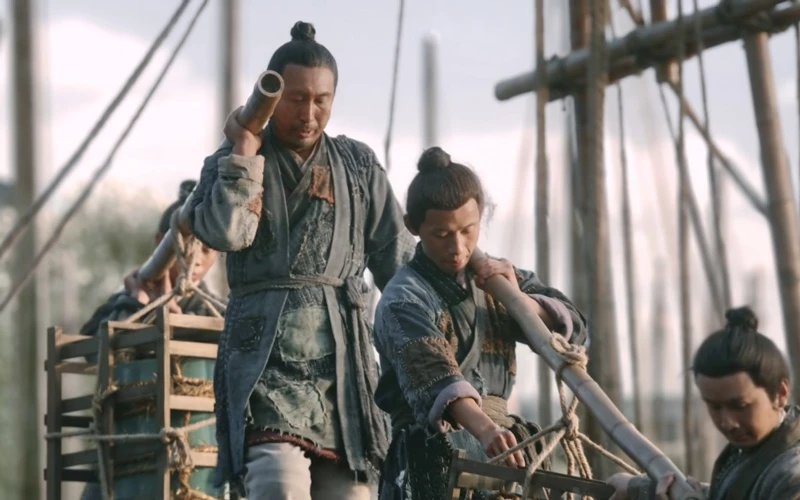
At a canal water divide, a sailor tells a grim tale about construction. Yu Qian silences him, but Zhu Zhanji keeps thinking. Why did his grandfather spend so much treasure on the canal while ordinary people still cursed the project? The question opens a family quarrel. Zhu Di moved the capital to Beijing for northern defense. Zhu Gaochi (朱高炽) wanted to return to Nanjing to ease the grain transport burden. Both argued in palaces; boat trackers and laborers paid along the route.
Zhu Zhanji begins to see himself inside that chain. He likes cricket fighting. In history, he once ordered a Suzhou official to collect a thousand crickets. For a prince, it was a hobby; for local officers and families, it became a hunt, a tax, and a fear. A casual sentence from high office can land as a heavy stone on a village. This is the lesson the road forces into him, not through lectures but through delay, hunger, and dependence on strangers.
Ma Boyong (马伯庸) designs the escape so the man who enjoys privilege must taste the work that sustains it. Fifteen days and two thousand li are extreme, yet the real support comes from unnamed people on the canal. Zhu Zhanji learns what hardship means because he cannot escape it. By the time he reaches the capital, the heir has changed. A good emperor, the story suggests, must know the people who carry the throne.