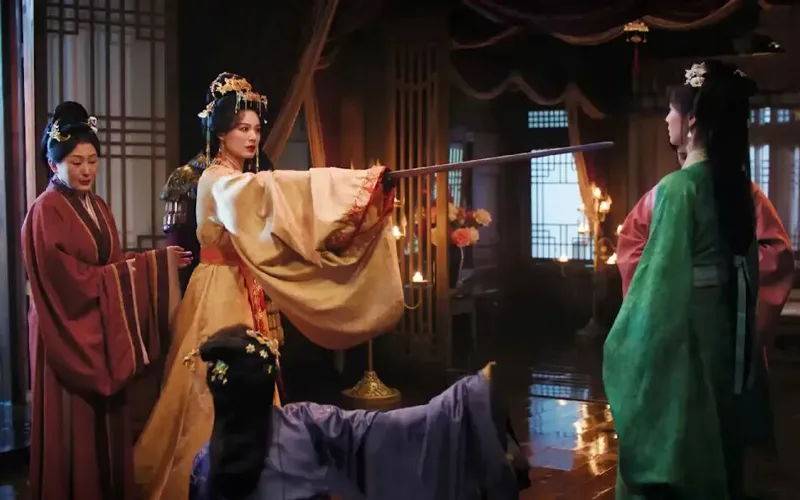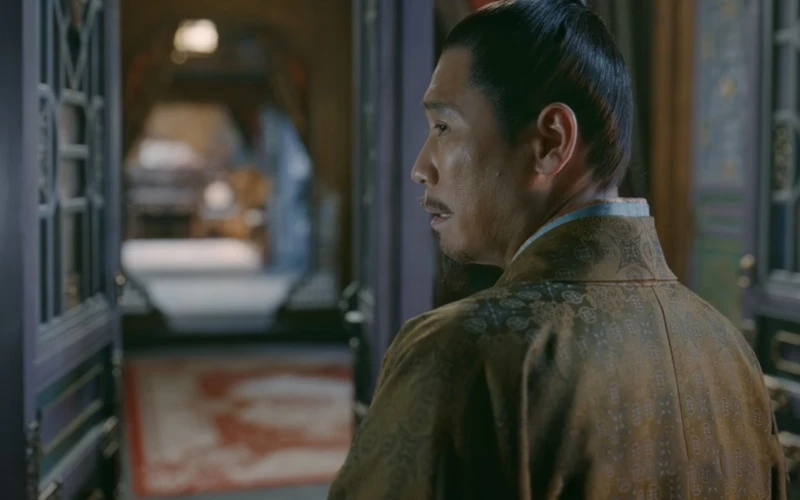
In River of No Return (两京十五日), the real lead is not Zhu Zhanji (朱瞻基) or a boatman. It is the Grand Canal. The water carries an imperial barge and presses on a porter’s shoulder. Princes, salt merchants, clerks, and trackers all eat from the same current. Zhu Zhanji travels it twice: first as a prince in a dragon boat, then as a fugitive who must read the river’s people. That second trip changes the question. Who truly keeps the Ming state moving? The answer is not in a palace edict. It is on the towpath, at a lock, and in a merchant’s ledger.
The Canal’s Price
On the way south, Zhu Zhanji sees a clean line of water. Other vessels move aside. The canal looks like a road owned by the throne. On the way back, the road breaks into faces: trackers, salt traders, petty officials, boat hands. Each one has a claim on the river. He begins to see that an order written in Beijing can lose its force before it reaches a muddy bank. A prince may command a fleet; he cannot command hunger, greed, or a broken lock.
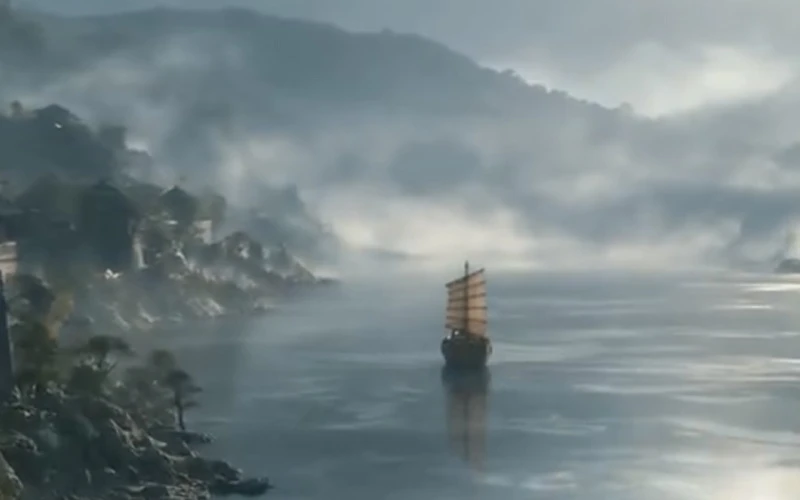
The drama keeps returning to this shift. The dragon boat gives him distance. The towpath gives him contact. When he falls into mud and climbs out, the canal stops being scenery. It becomes a system with fees, wages, bribes, and meals. The Ming does not run on ceremony alone. It runs on grain moved north, on boats repaired at Huai’an (淮安), on men who pull until their shoulders burn. He has to smell the river before he can judge it.
This is why the merchant’s insult lands. Wang Ji (汪极) calls him a sheltered fool. The words are rude, yet they point at a blind spot. Zhu Zhanji has inherited a map. Wang Ji lives inside the map’s cost. One sees authority; the other sees cash flow. The canal exposes both views. It is a route for imperial control and a workplace for people with no cushion. The prince’s education begins when those two facts refuse to sit quietly together.
Wang Ji’s Bargain
Wang Ji first helps trap Zhu Zhanji in Yangzhou (扬州). Then he changes tack. He treats the prince well, offers an escort to Beijing, and asks for Dan Shu Tie Quan (丹书铁券) plus a future fief. It is a merchant’s trade: risk now, profit later. Zhu Zhanji refuses. He is young, proud, and unwilling to reward a man who bends with every wind. The refusal feels clean. It also leaves him without a useful ally on a dangerous road.
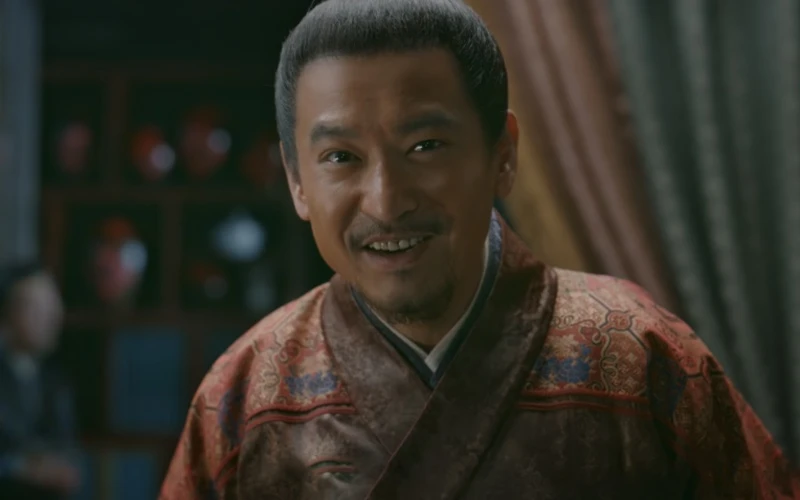
Wang Ji’s anger has a logic. If the capital returns to Nanjing, the northern grain shipments may stop. The canal towns lose traffic. Officials lose fees. Boatmen lose work. Salt money, dock wages, and tax farms all depend on movement. He calls the canal a silver river. When silver stops flowing, the water becomes a dead pool. The phrase sounds like a rich man’s excuse. It is also a warning about a whole network of livelihoods.
The prince hears threat. The merchant means arithmetic. Does Wang Ji speak only for his purse? Not entirely. He speaks for every middleman who profits when goods move, and for every worker who eats because they move. Zhu Zhanji can reject the man and still be forced to weigh the claim. A ruler may dislike a bargainer. He cannot dismiss the bargainer’s numbers if those numbers are made of rice bowls.
Kong’s Meal
Near Huai’an, the water level fails. The boat must be dragged over a dam by trackers. After a fight with Liang Xingfu (梁兴甫), a grain boat breaks apart. Zhu Zhanji crawls out of mud and hides among the trackers. Kong Shiba (孔十八) does not know him. The man asks a plain question, then pushes his steamed bun into the prince’s hand. No ceremony. No ledger. Just food passed between two tired people.
Kong’s anger is simple: “It is only for a bowl of rice. What is so grand?” Set beside the canal debate, the line cuts deeper. If grain transport stops, the first empty bowls do not belong to Wang Ji. They belong to trackers like Kong. If transport continues, corrupt clerks skim the funds before wages reach the towpath. Either way, the weakest back carries the cost. Zhu Gaochi (朱高炽) wants to halt the shipments because he sees that strain. The son begins to see it too.
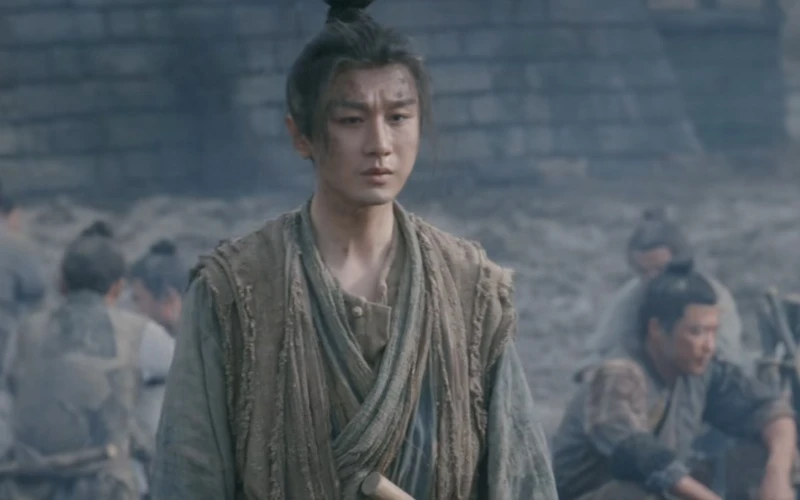
Only now does Wang Ji’s “dead pool” sentence make sense. Behind the silver flow are meals, rent, boat repairs, and families. Zhu Zhanji still refuses the escort. He still dislikes the bargain. But he understands what a stopped canal would break. In history, he keeps the capital in Beijing after taking the throne. The canal keeps running. Six hundred years later, the choice is not simply black or white. If you stood in his muddy shoes, what would you choose?