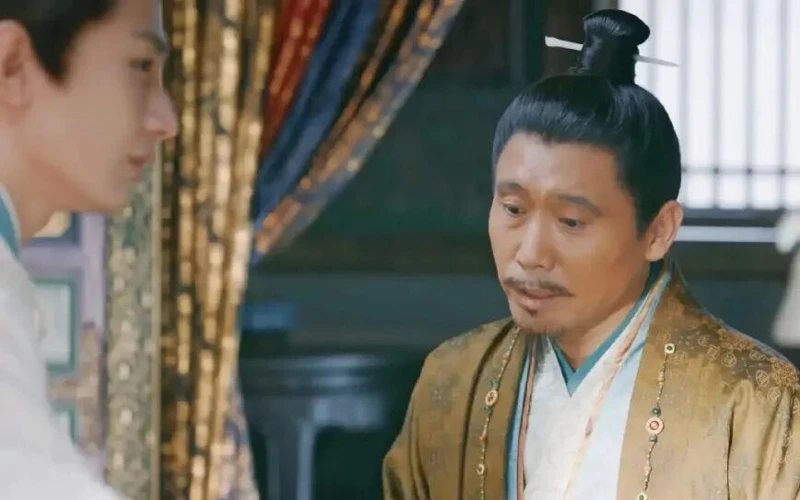
In River of No Return (两京十五日), a treasure-ship explosion turns Zhu Zhanji (朱瞻基) into a bargaining chip. Wang Ji (汪极), a canal trader, calls himself neutral but keeps the prince as leverage: a winning prince is rescue merit; a losing one is a gift for the Prince of Han. Zhu Zhanyu (朱瞻域) sends men into Wang’s house. Su Jingxi (苏荆溪) passes a tea needle to Wu Dingyuan (吴定缘); shackles open. They escape on a fresh-food boat, yet Liang Xingfu (梁兴甫) chases them. A ramp gear stops the boat. In Huai’an (淮安), Zhu is alone, nameless, hunted.
The Boatman’s Choice
At river works, a dam official grabs Kong Shiba (孔十八) by the collar. Kong swings the axe’s blunt back, not its blade. Workers shout. The prince grips sharp wood in the crowd. Soldiers rope everyone; Zhu’s head is pressed into mud. A guard asks whether his knees bend. Zhu asks, “If I kneel, can you bear it?” A club breaks his leg. Kong covers, calling him a fool who deserves a beating too.
Behind a door, Kong salutes: “This subordinate cannot complete the rite.” Wu arrives with a Huai’an guard claim, but a clerk refuses: this is a Ministry of Justice branch; no document, no prisoner. Rescue fails. Kong acts alone. Blood leaves his mouth as he tells the prince to wait for corpse collectors, wear his clothes, and leave as a body. Then he dies.
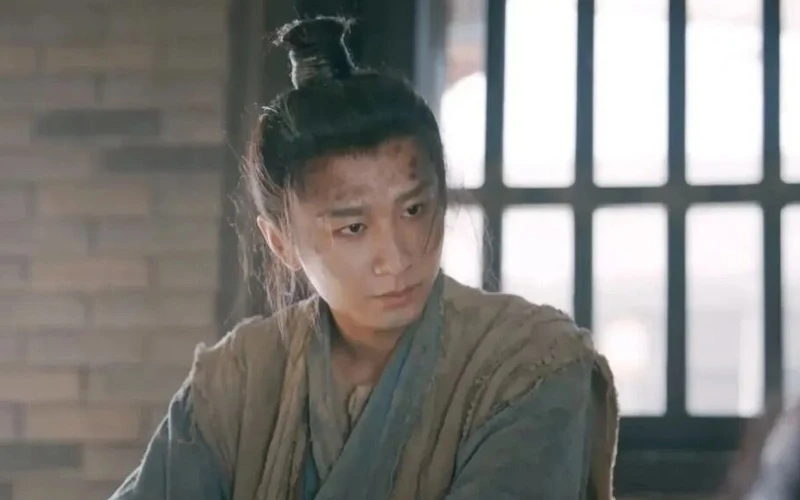
Kong has few scenes. He knows the prince’s face and never sells that knowledge. His quiet “this subordinate” is a river laborer addressing an heir. He dies without bargaining, making his corpse a door. To him, Zhu is not cargo but a person worth a life. That judgment grows from watching how the young man speaks and endures, not blood or rank.
Lessons on the Canal
Earlier, Zhu argues over robes, plays with crickets, and leaves the city in a chamber pot, head shaved like a false monk. At Huai’an he squats on the dike, studying rope scars: old scabs, fresh blood, sun-hard skin. “The people’s hardship” stops being four characters in a book. It has weight and heat. He sees the cost of each towed mile without a speech explaining it.
His father’s wish to return the capital to Nanjing now makes sense. The question is not whether Beijing is grander. Keeping court there and feeding the canal carries a bill paid in shoulders and grain. Returning south cuts that bill. Zhu learns this on the towpath, beside men pulling rope. A throne is also a ledger, and someone always carries the debt.
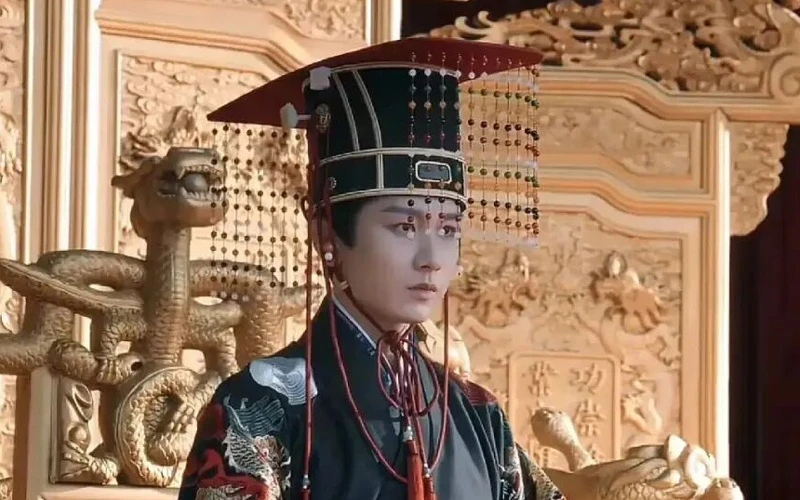
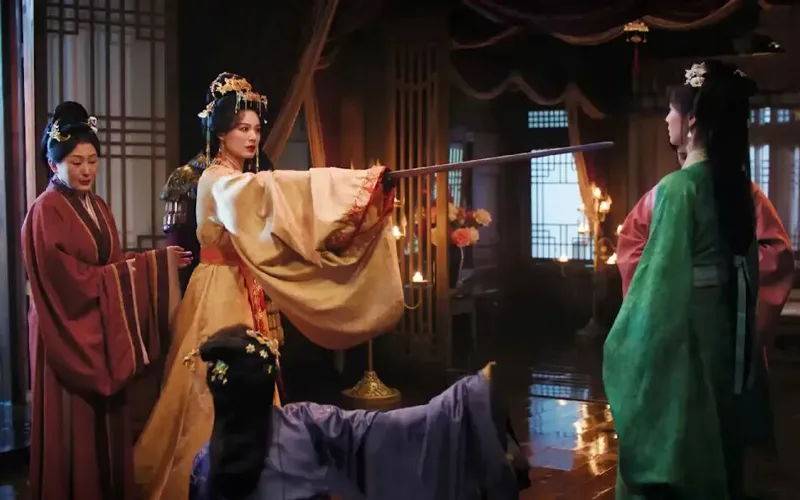
At Liangxiang (良乡), he receives the late emperor’s will, enters the palace, mourns, and becomes Ming Xuanzong (明宣宗). Zhu Zhanyu’s ambush fails. AtMeridian Gate, Zhu Zhanyu fires a weapon at the new emperor; Wu is seized. The gunshot pushes uncle and nephew’s feud to its peak. The canal lesson stays under ceremony: a ruler who forgets the rope mistakes a city for a country and a gate for safety.
Why Spare the Uncle?
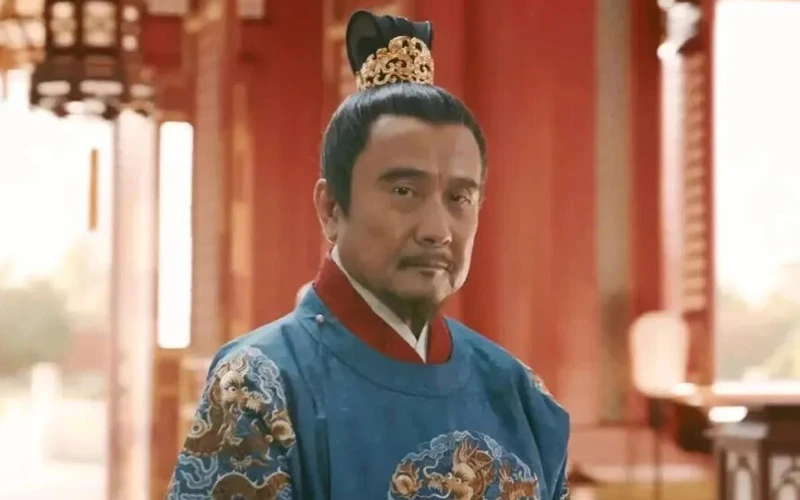
No scene has Zhu swear never to kill Zhu Gaoxu (朱高煦), Prince of Han. Waiting is real, not soft. The realm is brittle. Renzong (仁宗) dies within a year; guards and court ranks are unsettled. Striking the uncle drags old clan grudges into daylight. A win still cracks bone; a loss replays Jingnan (靖难), a war he will not invite.
Empress Zhang (张) wants room, not blood. For twenty days after Renzong’s death, she faces the Han father and son with ministers. Her line is patience: secure the name, hold the center, let the uncle touch the boundary first. The canal also gave Zhu a ruler for cost. One campaign bends backs on both banks. He does not reopen that account with a new seal in his hand.
The uncle supplies the reason for force. In Xuande (宣德) year one, eighth month, Zhu Gaoxu rises at Le’an (乐安), claiming he must clear the emperor’s side. Zhu Zhanji marches, reaches the city on the twentieth, and accepts surrender on the twenty-first. The revolt lasts under a month. Later, the prince is reduced to commoner and locked in a royal cell. He trips the emperor; a copper vat, charcoal, and a heavy lid finish the record.
Kong’s death buys more than escape. It gives Zhu eyes. The chair now demands attention to invisible shoulder marks on canal water, not just lines on memorials. Restraint toward the uncle grows from the same lesson: he is not afraid to move; he cannot bear to make both banks turn over again. The corpse changes a prince, and his mercy carries the boatman’s weight.