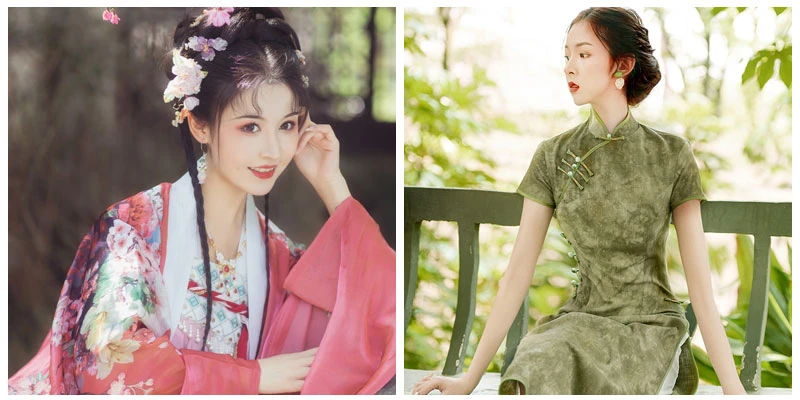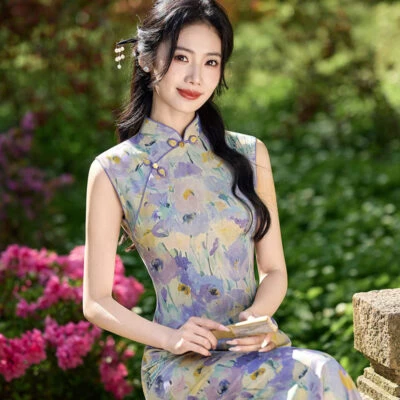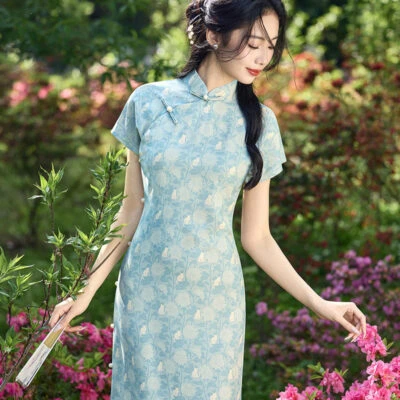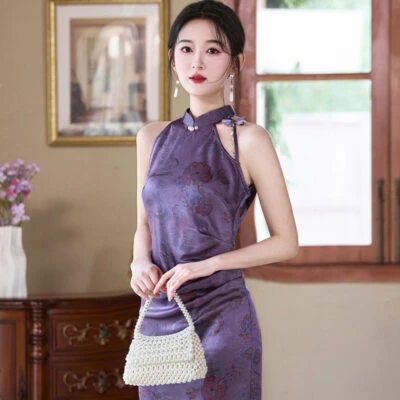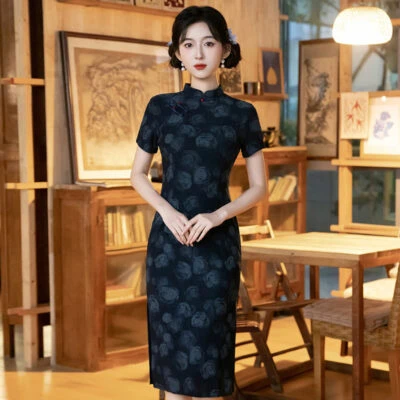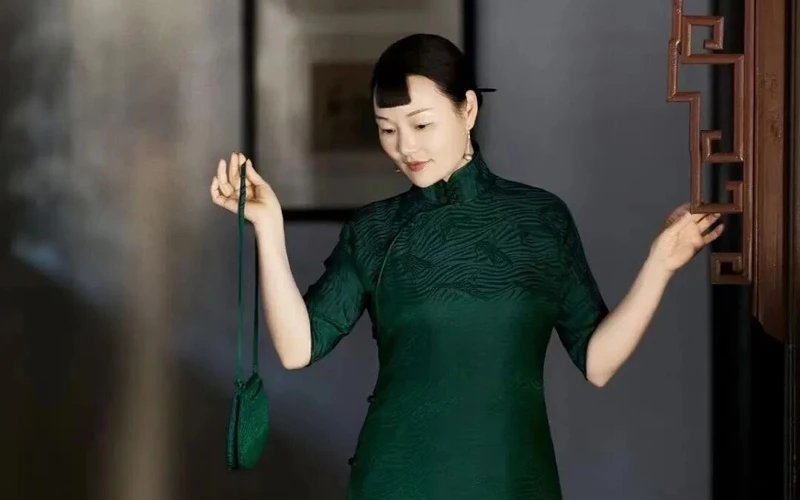
This year, many wardrobes have made room for Chinese-style clothes, and the qipao has returned as a practical choice rather than a costume. It can look refined on a street corner, at a dinner, or in a studio photo. The hard part is not admiring it. The hard part is finding one that suits your neck, shoulders, arms, and daily schedule. A good qipao does not demand a new body; it asks for a better fit. Below are three small decisions—collar height, cut, and sleeve detail—that change how the dress feels and how you carry yourself. Use them as a fitting checklist, not a rulebook.
Collar Height
The stand collar appears on many qipao styles, and it shapes the first impression. A common height is about 5 cm, which suits many wearers. If your neck feels short or wide, choose a collar under 3 cm and lower the neckline by 1–2 cm. If your neck is long, 6 cm can work, but stop there; extra height may limit head movement. Ask the fitter to adjust these numbers during measurement. The goal is a collar that frames the face without turning every glance into a stretch.
Leave about 0.5 cm between the collar and your neck. Too much space makes the bodice look loose and tired. Too little space creates pressure, and you will feel it before anyone sees it. Try turning your head, swallowing, and looking down while the collar is pinned. A good collar stays upright but never fights you. When the height is right, the neck looks longer, the shoulders sit naturally, and the whole dress seems calmer.
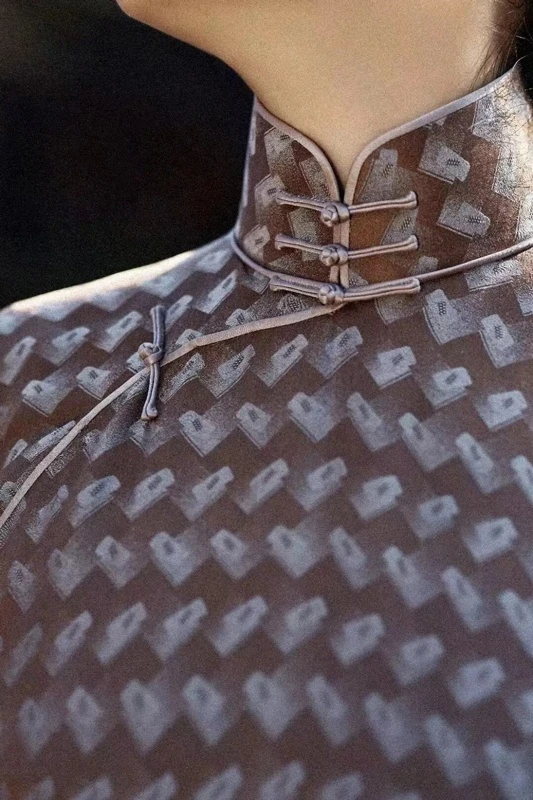
Do not treat collar height as a beauty secret reserved for models. It is a measurement, like shoe size. A lower collar can make a round face feel lighter; a higher collar can balance a long neck. The fabric matters too: stiff brocade holds a tall collar, while soft silk may need a shorter one. Bring a friend to the fitting and ask whether you look comfortable, not just slim. Comfort shows in the jaw and shoulders, and that is what people remember.
One-Piece Cut
If comfort comes first, a qipao with set-in sleeves may disappoint you. Raising an arm can pull across the back, and the waist seam may dig in after a meal. A one-piece cut offers another route. The maker lays the fabric flat and cuts the front and back as a single piece, following an older local method rather than a Western tailored block. The result hangs straighter and skims the body instead of gripping it. For daily wear, that difference is huge.
This cut often skips waist darts. Shape comes from pressing and shrinking the cloth with an iron, so the line flows without a hard cinch. The dress moves with you when you reach for a cup, climb stairs, or sit through a long meeting. It also looks quieter in photos, because the fabric falls in soft vertical lines. Check the armhole and shoulder slope when trying one on. A good one-piece qipao lets you lift both arms without exposing the back seam or twisting the collar.
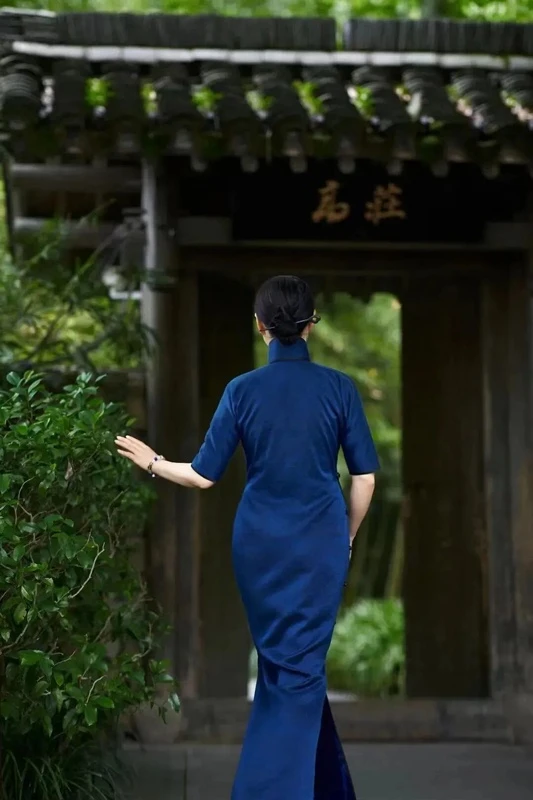
Style it simply. A pale lip color, small earrings, flat shoes, or low leather heels are enough. Heavy makeup can make the dress feel staged, especially in daylight. The one-piece cut already carries a clean, bookish mood; extra decoration often interrupts it. Choose a side opening that stays modest for work or travel. If you need more shape, ask for hidden ties or a light belt rather than tight darts. The point is to keep the easy drape while giving the eye a little structure.
Formal Details
For a ceremony, a reception, or a family banquet, a mid-sleeve qipao can strike the right note. The sleeve ends near the elbow, so it covers the upper arm without hiding the wrist. That small change adds gravity to the silhouette. You can raise a glass, hold a bouquet, or greet guests without checking your sleeves. The dress looks composed, and you feel less exposed under formal lighting. Choose fabric with enough body to keep the sleeve line clean; very thin silk may cling and ruin the effect.
Piping is another useful detail. A narrow contrast edge around the collar, opening, and hem adds layers without loud pattern. It can make a plain qipao look finished and draw attention to careful sewing. Pick a color that repeats one thread in the fabric or a soft metallic tone. Avoid wide piping if you are short, because it can cut the body into blocks. Ask the tailor to test the piping on a scrap first. Under daylight, the right edge looks crisp; the wrong one looks like tape.
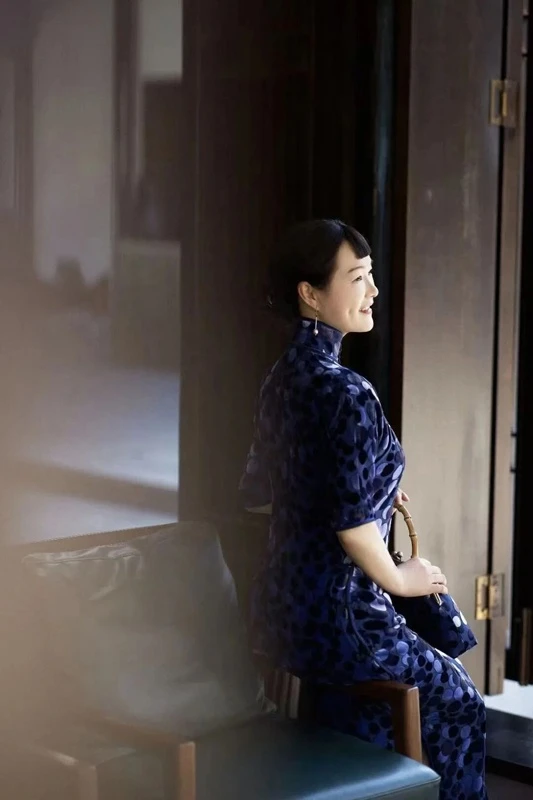
Formal does not mean stiff. Test the qipao by sitting, walking, and climbing a few steps. The mid-sleeve should not bind at the elbow, and the piping should lie flat when you move. If the dress passes those tests, you can forget it and focus on the event. A qipao works best when it supports your manners instead of demanding attention. Good fit, a calm collar, a comfortable cut, and one precise detail are enough. The wearer should remain the subject; the dress is only the frame.