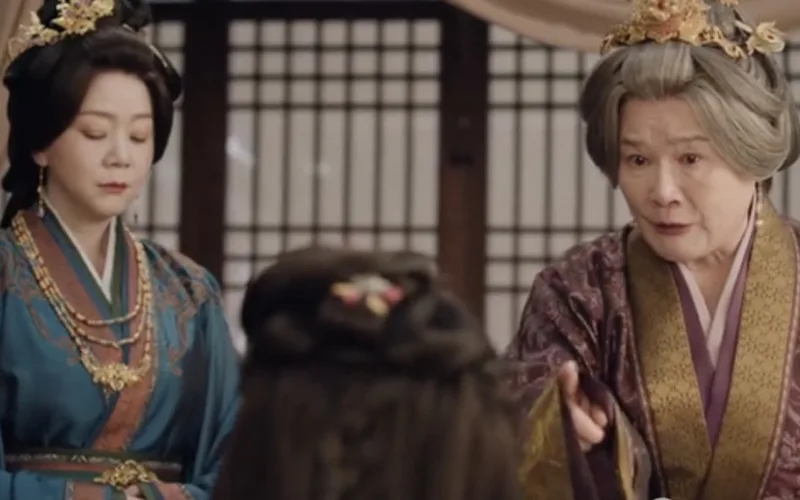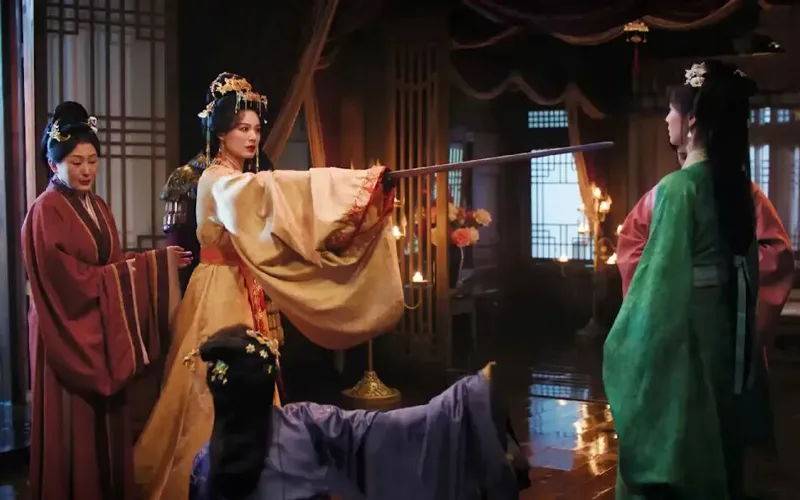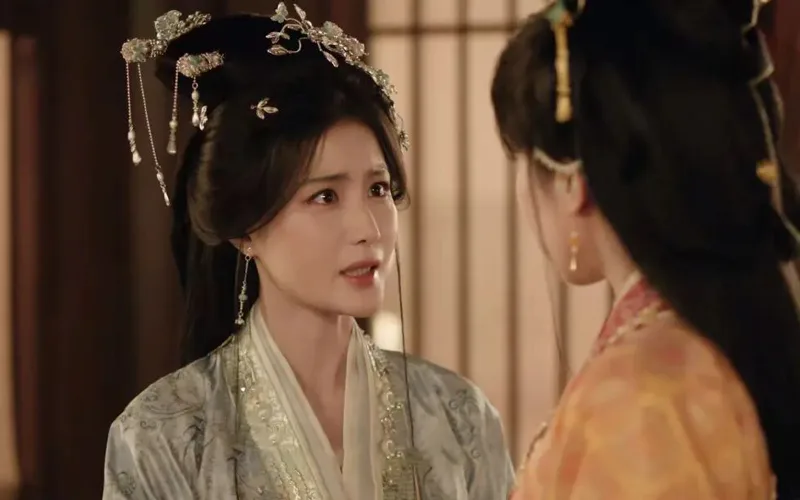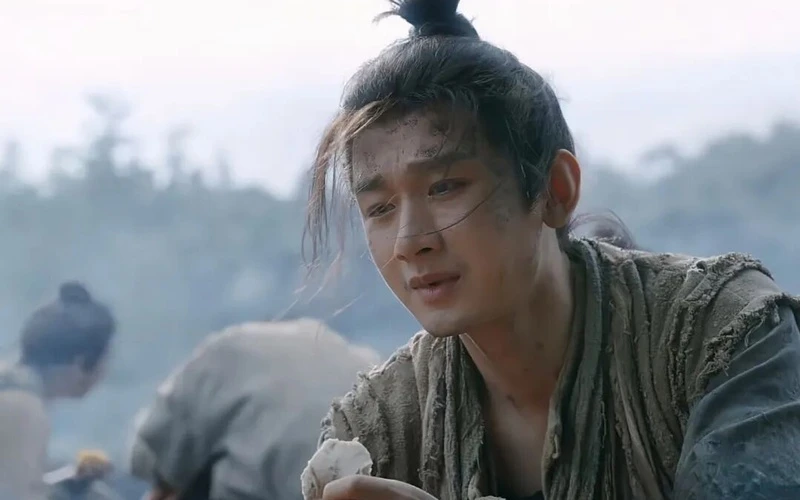
The new adaptation of River of No Return (两京十五日) gives Lin Gengxin (林更新) a rougher, earthier role as Wu Dingyuan (吴定缘), a constable in Nanjing (南京). At first he looks like a practical man with small troubles. Then the story drops a heavier question: what does a person do when the throne has destroyed his family and revenge is finally within reach? The final fire is not a stunt. It is the last step in a quiet argument about blood, judgment, and self-rule. That argument is why the ending stays with viewers. The show is not asking us to admire a martyr. It is asking us to watch a man learn how to own his decisions.
Blood Debt
For most of his life, Wu Dingyuan believes he is only a street-smart survivor. The truth arrives late: he is the youngest son of Tie Xuan (铁铉), a loyal official of the Ming dynasty. When Zhu Di (朱棣) rose in the Jingnan Campaign (靖难之役), Tie Xuan held Jinan (济南) and refused to surrender. The city fell. He was captured. He still refused. Zhu Di had him killed in a cruel, public way. His family was wiped out.
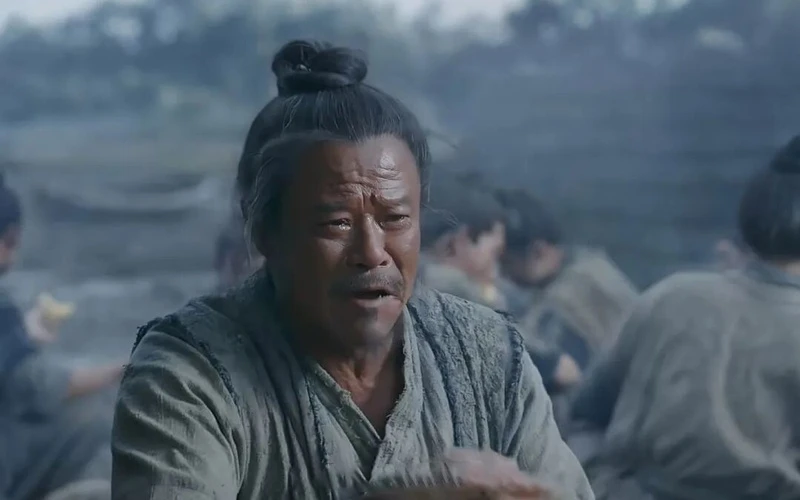
That makes Wu’s blood “rebel blood” in the eyes of the winning house. The Zhu family killed his family. Every peaceful day he lives sits under their sky. By simple arithmetic, he owes them a knife. The series lets that expectation hang over him. It does not rush him toward vengeance. It makes the debt visible, then asks whether a debt of blood must always be paid with more blood.
This is where the story becomes sharper than a usual revenge tale. Wu is not a saint. He is not calm by nature. He has the temper of a man who has been pushed around. Yet the script refuses to turn him into a blade. A half-spoken name points to his hidden origin, but the real pressure is moral: if you know who ruined you, what kind of person do you become next? The answer is not found in a speech. It is found in the people he meets and the choices he makes while the road keeps moving.
Seeing Clearly
The road to Beijing changes him. Zhu Zhanji (朱瞻基) must race back to secure the throne, and Wu escorts him through danger for fifteen days. Shared fear teaches a man things that a family story cannot. Wu watches the prince make decisions. He sees a young ruler who cares about ordinary people, who can judge a crisis, and who accepts responsibility. This is not a tyrant. This is not a fool.
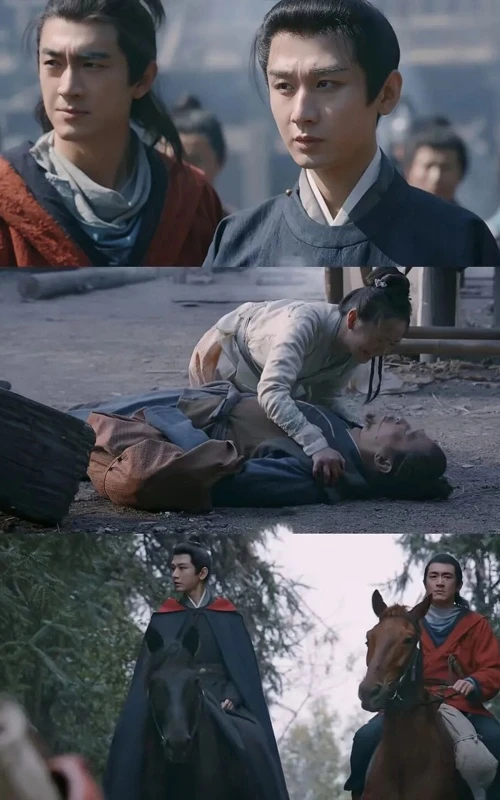
Killing such a man would feel good for one night. Then what? A better world would not appear. Another weaker or crueler ruler might. Wu also notices what Zhu Zhanji wants: less death, steadier order, fewer wasted lives. That aim matches his own instincts. The enemy’s grandson is not his enemy in every way. This discovery does not erase the past. It makes private revenge look smaller and dirtier. A dead prince would solve Wu’s private pain, but it would leave the public world exposed to worse hands.
There is an old idea in Confucius: repay resentment with uprightness, and repay kindness with kindness. Wu’s choice follows that line. He does not take the emperor’s reward. He does not use his dead family as a bargaining chip. He drops the grudge, but he keeps his sense of right and wrong. That is not weakness. It is a harder discipline.
Chosen Fire
Su Jingxi (苏荆溪) lights the fire at Changling (长陵) to accuse a cruel custom: burying the living with the dead. Too many innocent women died for a royal corpse. She wants the world to see the madness. Wu does not stop her. He walks into the flames beside her. This is the book’s heaviest stroke. For once, he is not a pawn of the Zhu family, not a leftover of a massacre, not a tool for anyone’s plan. Her protest is public; his act is personal. Together they turn a punishment into a statement.
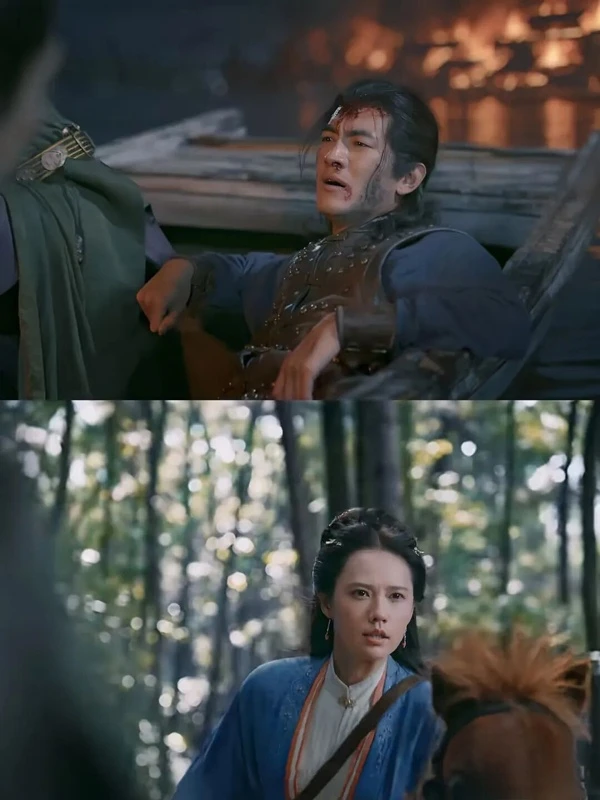
After the fire, only Zhang Quan (张泉) is found. The bones of Wu and Su Jingxi are missing. Ma Boyong (马伯庸) gives no answer. They may have burned to ash. They may have been pulled out by remnants of the White Lotus Sect. The blank is more severe than a clear death. A written death closes the case. An open ending hands the judgment to readers, and that judgment says more about us than about Wu.
Revenge is easy. Close your eyes, swing once, and the story ends. The difficult path is to see everything clearly and still choose a clean way to live. Wu never forgives the Zhu family. He simply refuses to let hatred live his life for him. That is the quiet power of his ending: not a triumph, not a surrender, but a self chosen at last.