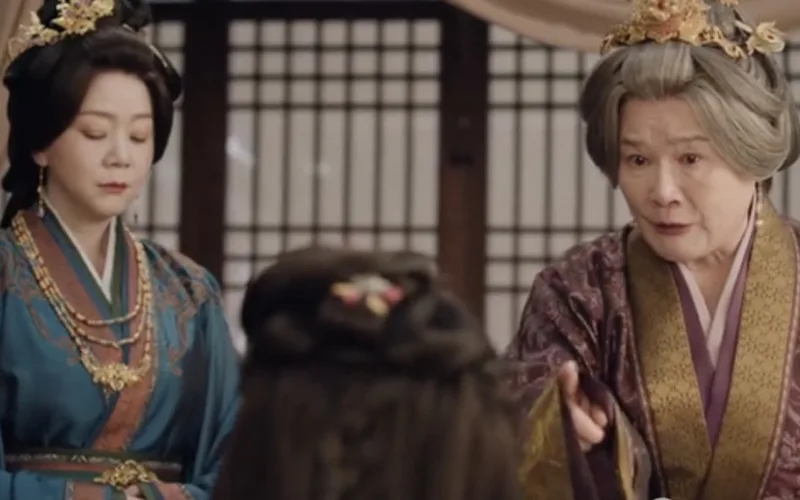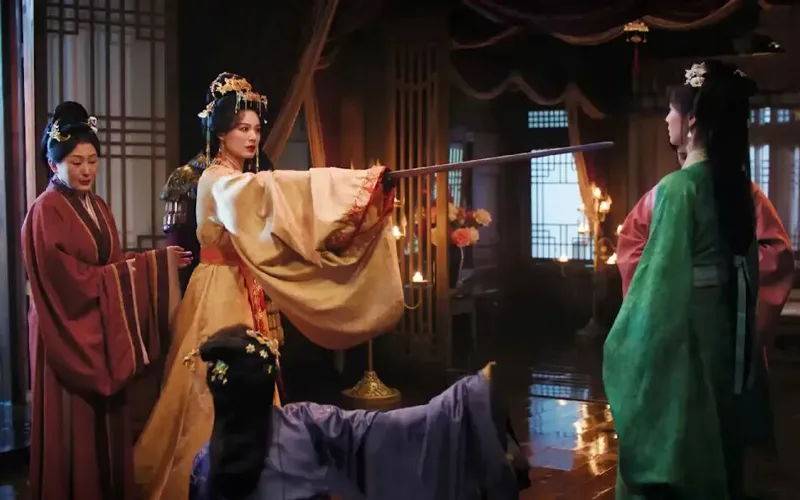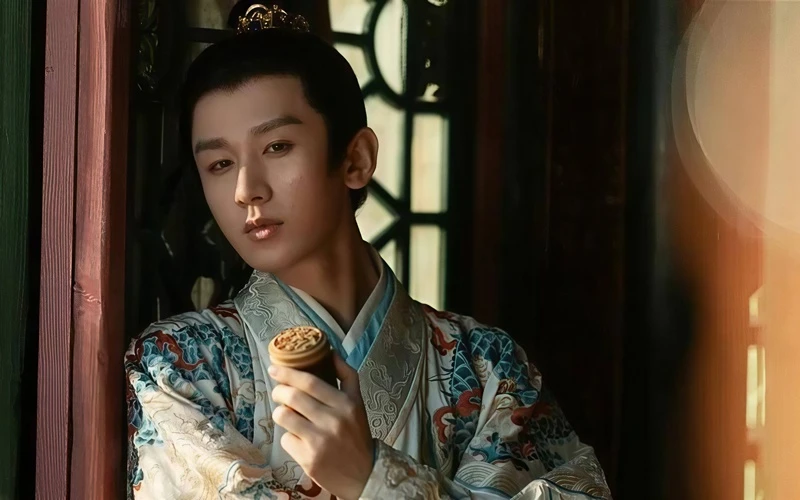
Most viewers of River of No Return (两京十五日) walk away with the same nagging question: why would Zhu Zhanji (朱瞻基) choose to walk straight into the imperial palace when he could have stayed hidden outside the walls? It seems reckless—even suicidal. But the real logic behind his decision, and the fate of Yuan Zhongda (袁仲达), is where the story’s most intricate game of power and sacrifice unfolds. Without grasping these two choices, the entire chessboard remains a mystery.
Claiming the Throne
After the treasure ship explosion, chaos was inevitable. Whispers of the crown prince’s death would spread like wildfire if he remained invisible. Rival factions could forge imperial edicts and incite southern officials to hesitate, leaving the grain transport network and the southern capital’s defenses dangerously exposed. By appearing openly in the palace, Zhu Zhanji made one thing unmistakably clear: the heir was alive. Officials and military garrisons in the southern capital would think twice before choosing sides.
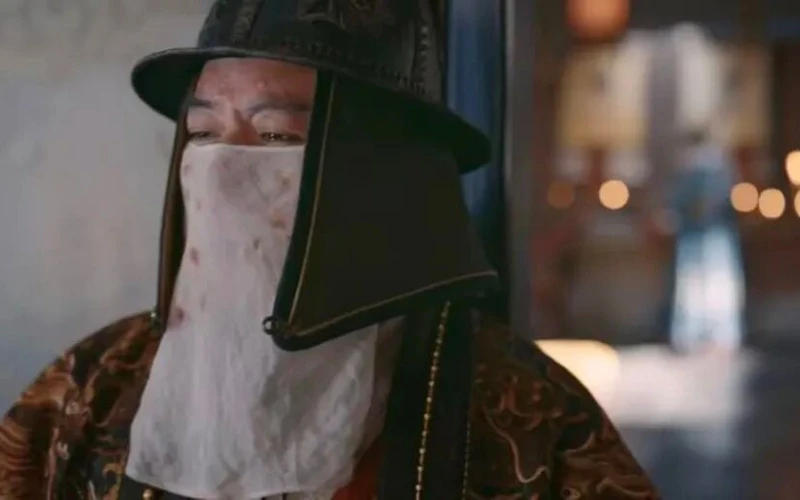
Staying outside meant remaining a man without seals, without authority, and without the ability to summon anyone. Inside the palace, however, he could access sealed decrees, personnel rosters, and city defense documents. He could summon officials and receive intelligence from Beijing. His risk was calculated—not a blind sacrifice, but a deliberate move to trade safety for leverage.
There was another layer. Zhu Buhua (朱卜花) had long been a figure of suspicion, his loyalties shifting like sand. While Zhu Zhanji hid, enemies could strike from the shadows. Once inside the palace, opponents had to operate within the rules of the court, making false stances harder to conceal. The palace walls themselves offered a buffer—even a man with divided loyalties would not dare harm the crown prince openly before the break became public.
Secrets of the Passage
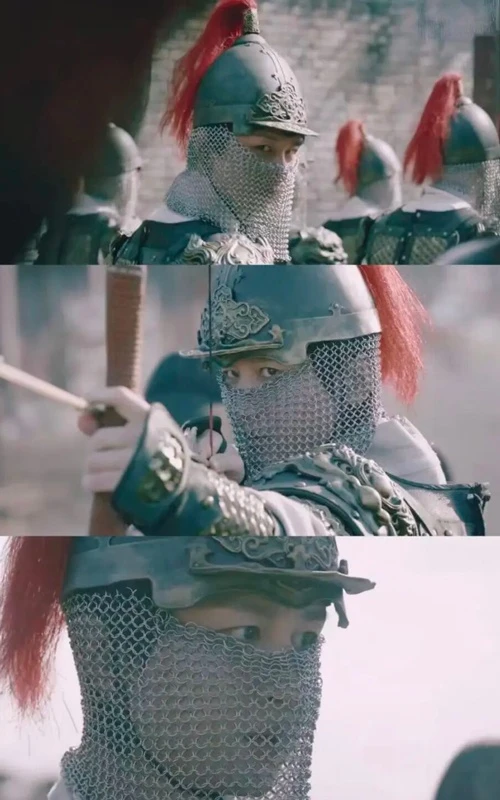
Yet Zhu Zhanji’s plan had a fatal vulnerability. Only Yuan Zhongda knew the hidden passages beneath the palace and the escape routes Zhu Zhanji had prepared. Zhu Buhua already controlled forces inside the palace and had originally planned to eliminate the crown prince. If Yuan fell into enemy hands, torture could extract everything. The escape route would be exposed, and the fifteen-day journey to Beijing—the key to stabilizing the realm—would collapse before it began.
Killing Yuan was not cruelty. It was a shield. If captured, Yuan would face endless interrogation and humiliation, his lifetime reputation as a loyal official destroyed. By ordering his death, Zhu Zhanji protected the escape route and preserved the old minister’s dignity. It was a death that Yuan himself accepted, understanding the weight of what hung in the balance.
A Lesson Remembered
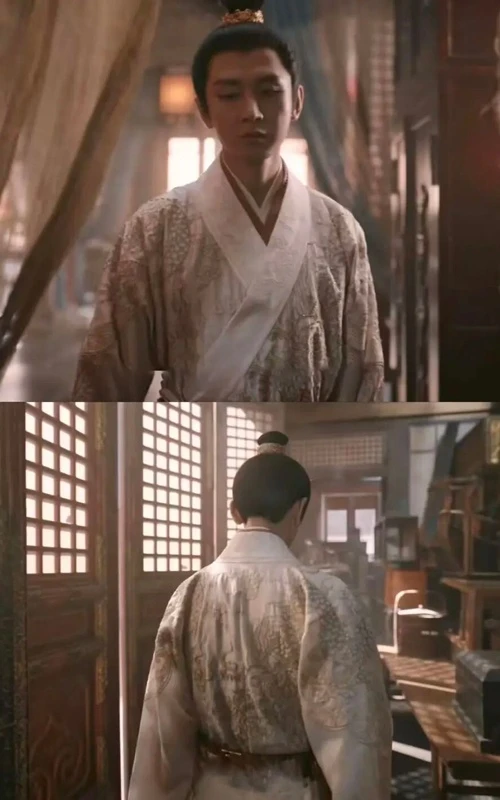
A brief scene lingers—Zhu Di (朱棣) once told his grandson that when an emperor cannot return to save his people, he must never forget them. Those words echo through every ruthless decision Zhu Zhanji makes. Power games are never simple battles between good and evil.
In this deadly chess match, every player carries a burden they cannot escape. Zhu Zhanji enters the palace to hold his ground. Yuan Zhongda dies to keep a secret. And the real tragedy is not that one man chose death—it is that there was no other choice at all.