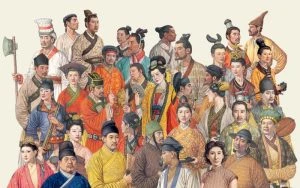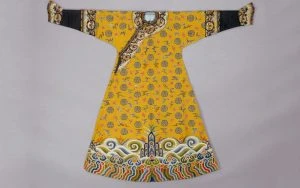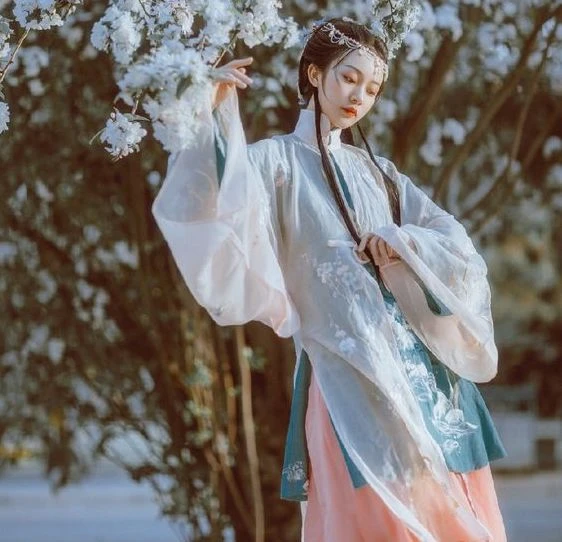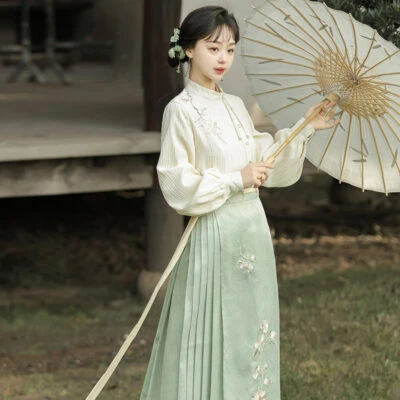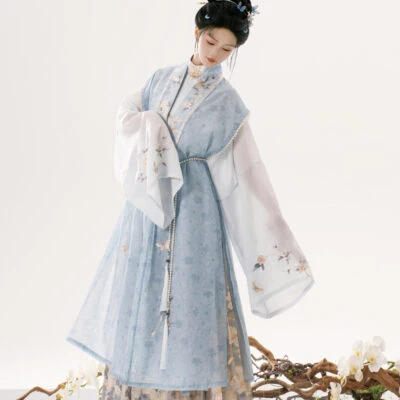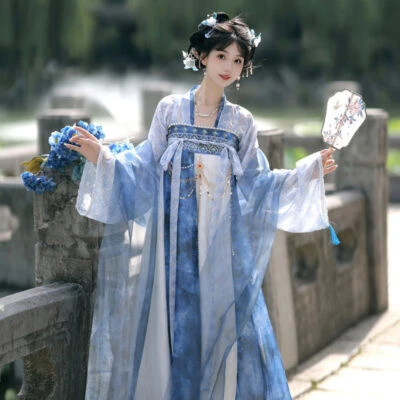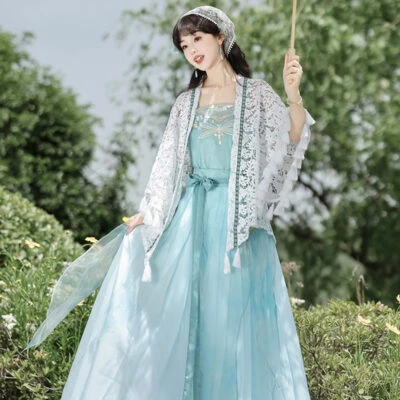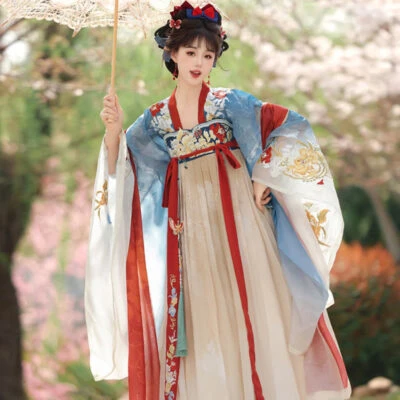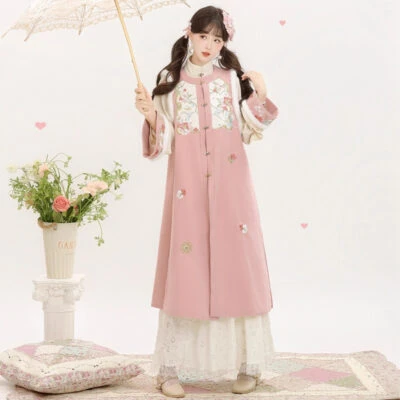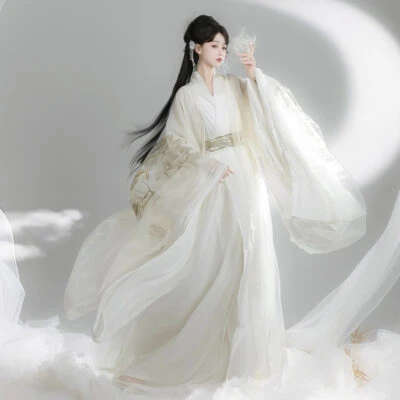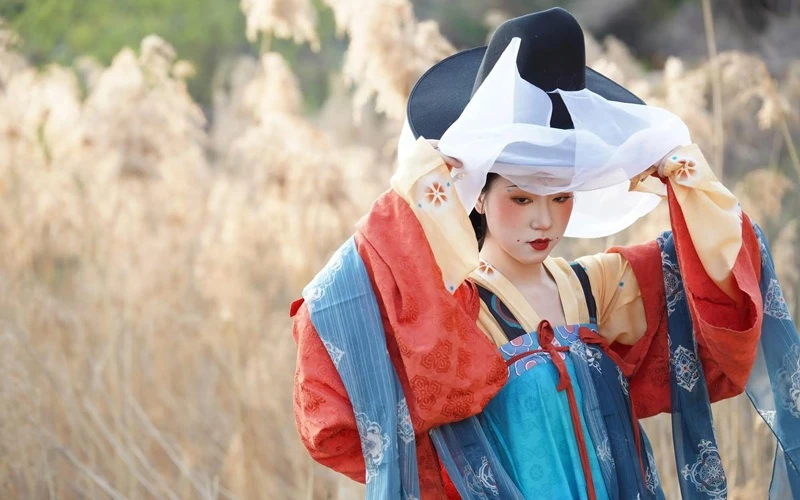
Tang-style Hanfu refers to the traditional Han clothing worn during the Tang Dynasty (618–907 AD). It is famous for its open, inclusive, gorgeous and grand aesthetic. Many Hanfu enthusiasts start their journey with Tang-style Hanfu, which gives rise to a popular saying: “Start with Qixiong Ruqun, stay loyal to Ming-style Hanfu.” Today we will introduce the authentic styles of Tang Hanfu.
Styles of Tang Hanfu
Tang Hanfu boasts a wide range of representative styles, mainly including Qixiong Ruqun, Tang round-collar robe, and cross-collar Ruqun. The basic three-piece set for Tang women’s Hanfu consists of a skirt, a blouse, and a Pibo (披帛). We will break down the styles by tops and skirts.
1. Tops
(1) Blouse
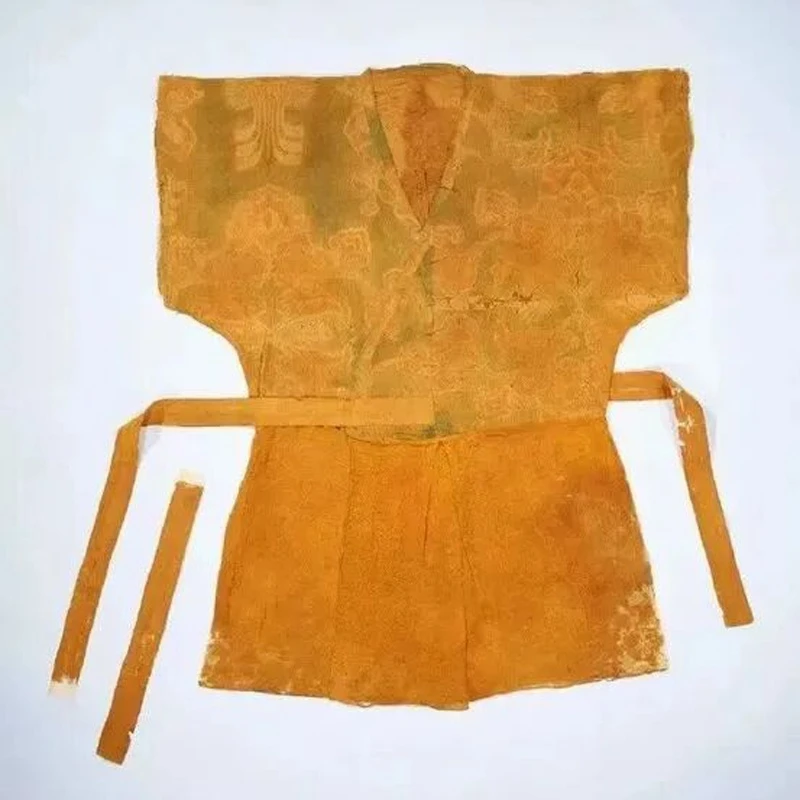
The short blouse, often called Rushan, was a popular cropped top in the Tang Dynasty, usually reaching around the waist or even shorter.
By collar design, it can be divided into Duijin (对襟, straight collar), Jiaoling (交领, slanted cross collar), and Tanling (坦领, U-collar).
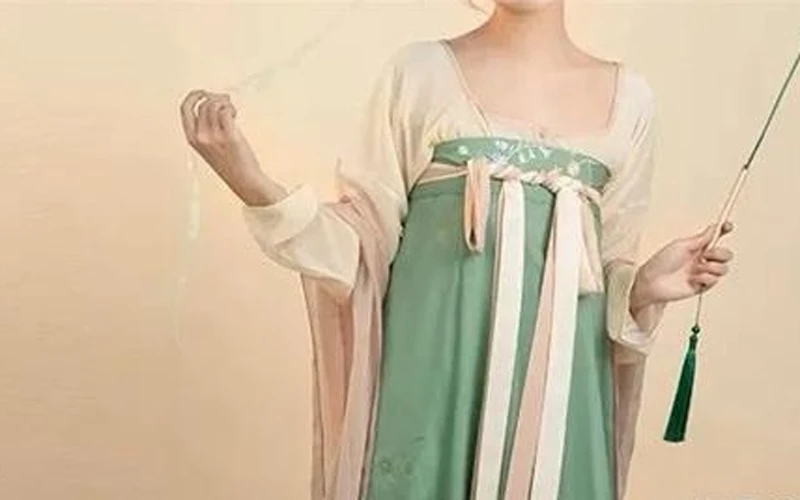
(2) Beizi (褙子)
Tang-style Beizi comes in sleeveless and short-sleeved versions.
Its collar styles are mainly cross-collar and straight collar.
People sometimes wore a Beizi over their Ru. It is a collarless or lapelled short outer garment, like a waistcoat or vest. It was widely worn among common folks and later favored by emperors, growing into a beloved outfit.
2. Skirt
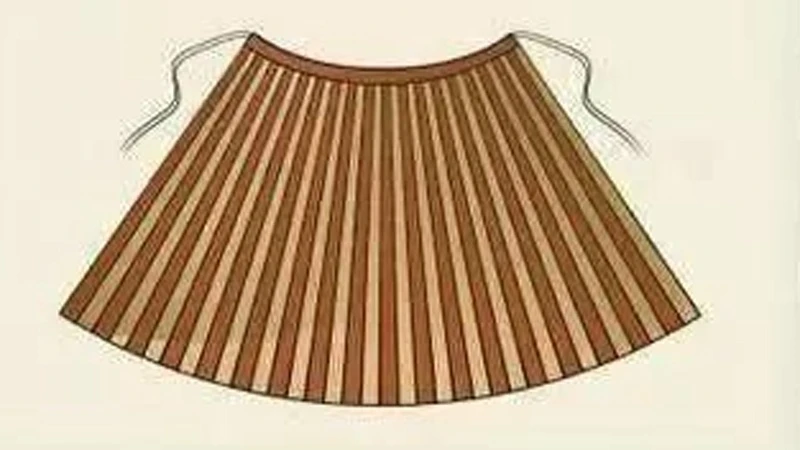
Jiaoyu skirt (交窬裙), also known as Poqun (破裙, panel skirt). Terms like “12-panel” or “24-panel” you often hear refer to the number of fabric strips stitched together.
Jiaoyu describes a cutting method: a square piece of cloth is cut diagonally from the middle into two right trapezoids. A jiaoyu skirt is assembled from these trapezoid panels. More panels mean finer craftsmanship and higher status.
3. Pibo
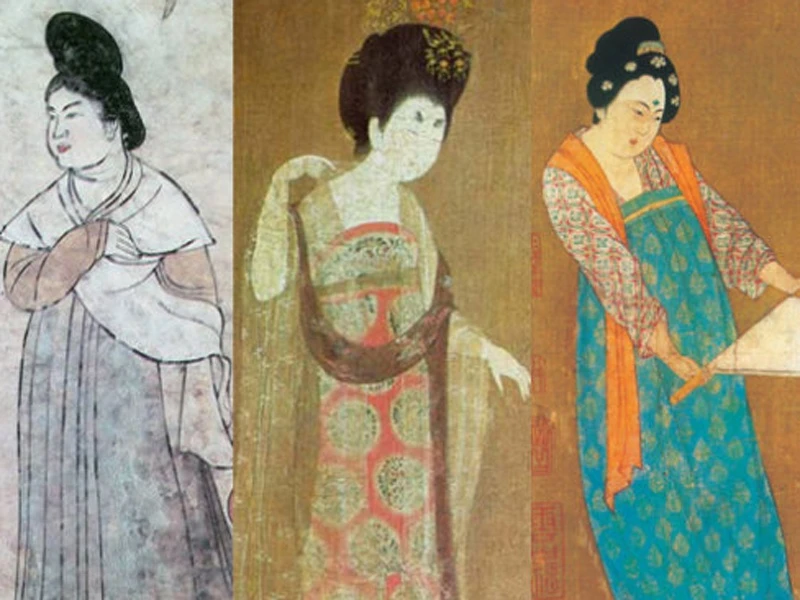
Pibo is a long silk scarf popular in the Tang Dynasty. It was made of sheer gauze or luo silk, often painted with patterns using gold and silver powder. It serves purely as decoration. You can see in ancient paintings that Tang ladies drape this long ribbon over their shoulders or arms. It flutters gently as they walk, creating an elegant and free-spirited look.
4. Wide-sleeve Shan
Wide-sleeve Shan is commonly matched with Ruqun. It is a formal women’s robe with extremely wide sleeves. It can be worn loosely draped or tied over inner garments. When paired with a chest-tied skirt, it highlights the graceful figure of Tang women. Covered by the sheer, lightweight Wide-sleeve Shan, the whole look is elegant, flowing, just like a flying immortal.
The matching set of wide-sleeve straight-collar Shan, long skirt and Pibo was noble formal wear in the mid-to-late Tang Dynasty. It was reserved for important occasions such as audiences, formal visits and weddings. Ladies wearing this outfit would adorn their hair with golden flower hairpins and Dian (钿) ornaments, so it is also named “Flower Hairpin Wide Sleeve Robe”.
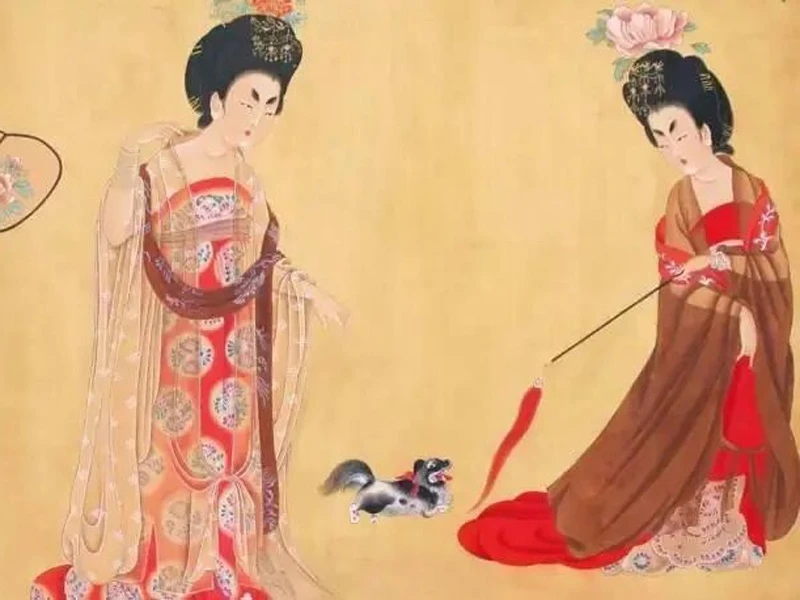
That wraps up the introduction to Tang Ruqun. The prosperous Tang Dynasty nurtured its open and inclusive clothing culture, setting a pioneering trend in feudal China. The aesthetic of Tang women’s Hanfu is reflected in every detail of the garments, with abundant styles and looser silhouettes. Thanks to its distinctive beauty and evolutionary development, Tang women’s Hanfu culture stands as an indelible milestone in China’s ancient traditional costume heritage.