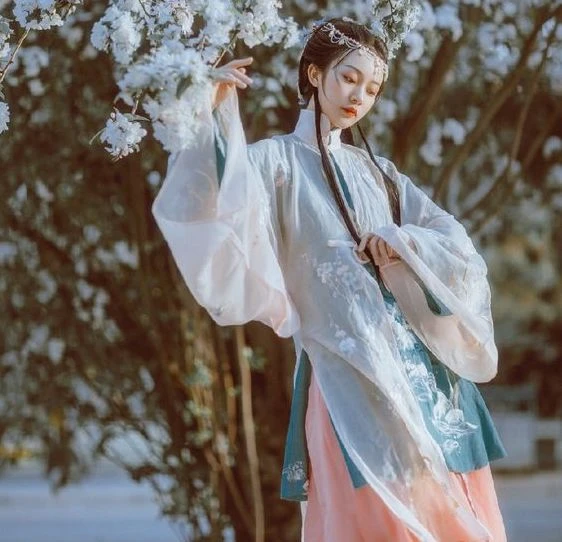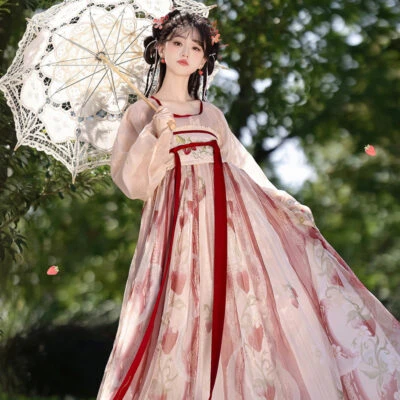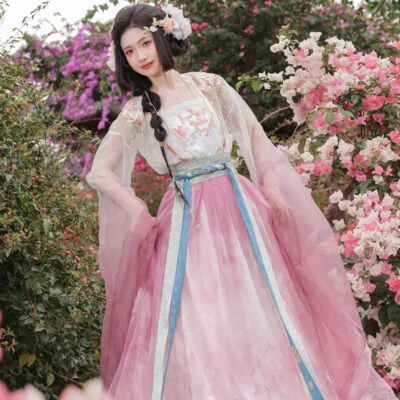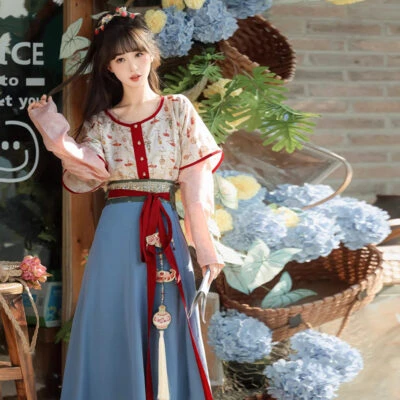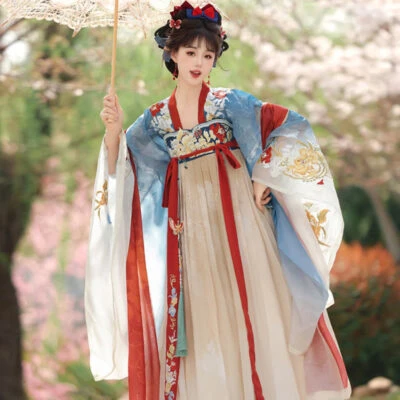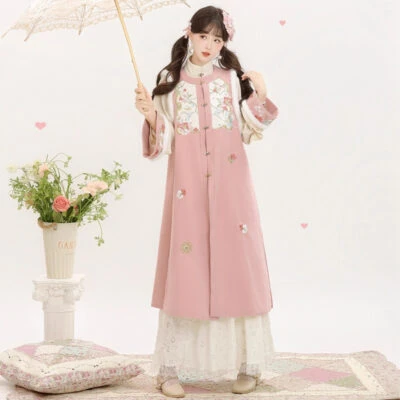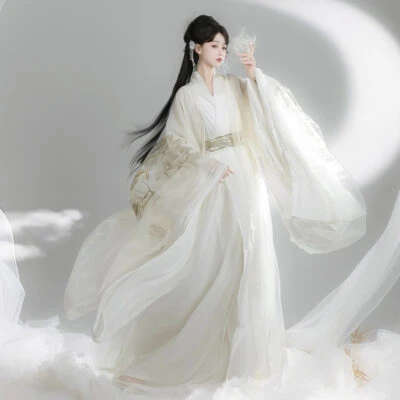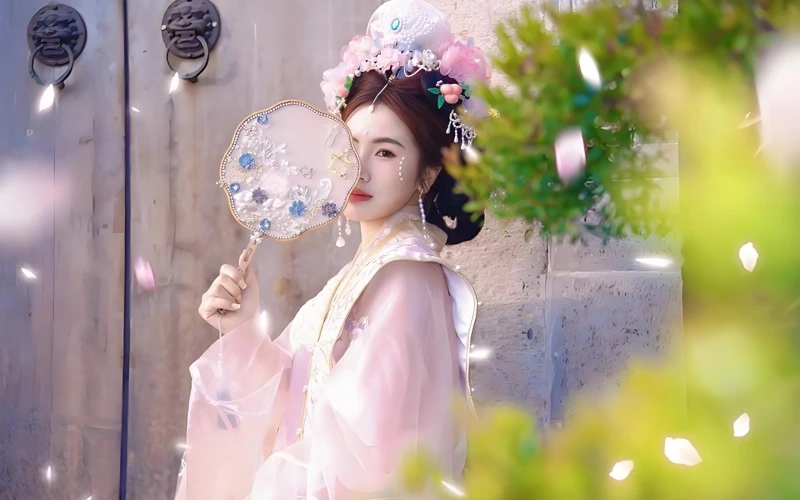
Song-style Hanfu carries the fresh, gentle and elegant charm of Song Ci poetry. Starting from the Song Dynasty, women’s costumes departed from the bold and open style of the Tang Dynasty. Compared with Tang-style Hanfu, Song styles became plainer and more practical. Slim, narrow-sleeved cross-collar or straight-collar blouses were commonly worn, paired with various long skirts.
Today let’s explore classic Song Hanfu silhouettes. The most iconic new garment that emerged in this era is the Beizi. Convenient, graceful and refined, it was widely loved by people from all walks of life.
Tops
- Beizi
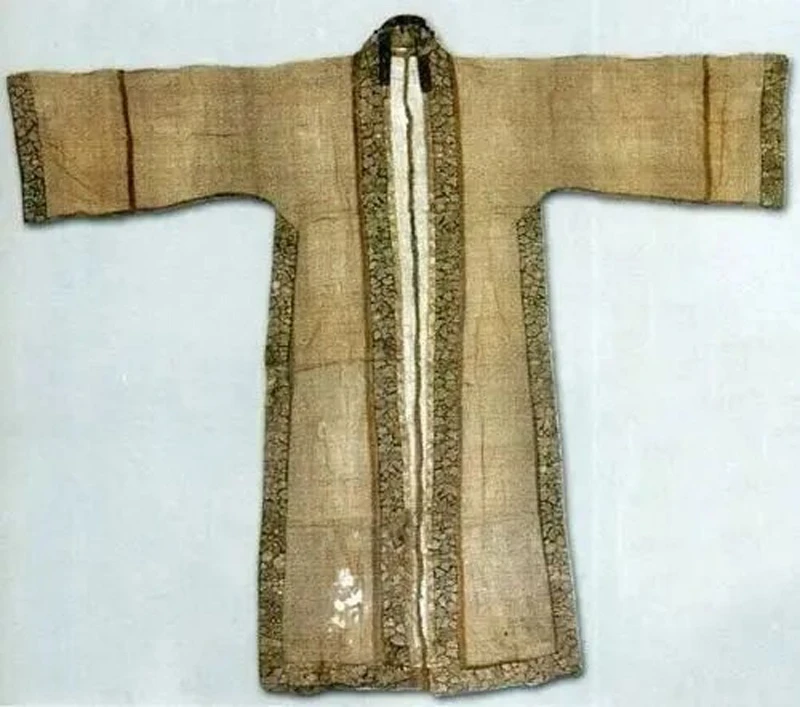
Also spelled “Beizi”. It functioned much like an everyday coat in modern life. It was worn by both men and women across all social classes.
It features a straight front opening, long sleeves in either narrow or wide cuts, and a straight silhouette usually reaching the ankles. Slits run up to the underarm. There are two trim styles: fully trimmed edges, or trimming only along the collar and front placket. The fit is slim and neat, with symmetrical lines that embody minimalist beauty.
Example artifact: Purple-grey crepe gauze narrow-sleeve fully-trimmed Beizi from the Southern Song Huang Sheng Tomb.
- Vest
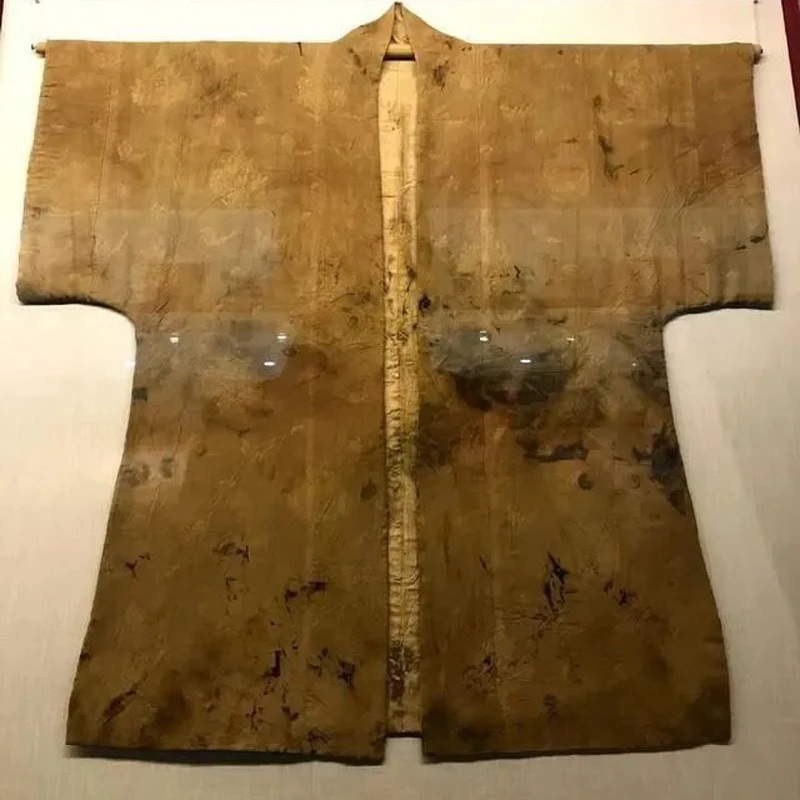
Sleeveless or short-sleeved garments confirmed by archaeological finds. Made with one-piece cut and side slits, available in light or thick fabrics. Historical records mention padded cotton vests.
Archaeological sources: Northern Song Changgan Temple (北宋长干寺) relics, sleeveless specimens from the Southern Song Huang Sheng Tomb.
- Moxiong (抹胸)
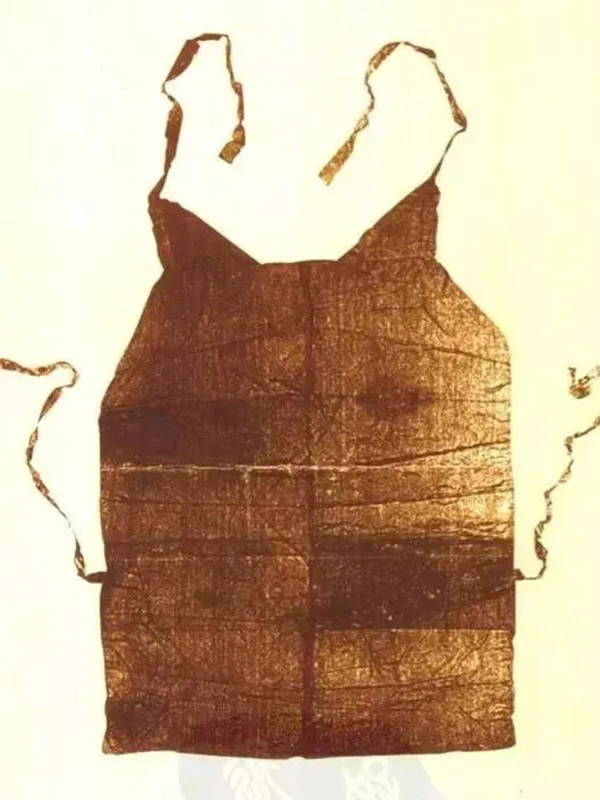
Moxiong was the close-fitting undergarment for Song women, a very typical Song innerwear. Some ladies wore an extended undergarment over the Moxiong called Guodu (裹肚, belly wrap), before putting on their long straight-front outer robes.
Archaeological sources: Huang Sheng Tomb, Huashan Tomb (南宋黄昇墓).
- Shan / Ao (Blouse / Lined Jacket)
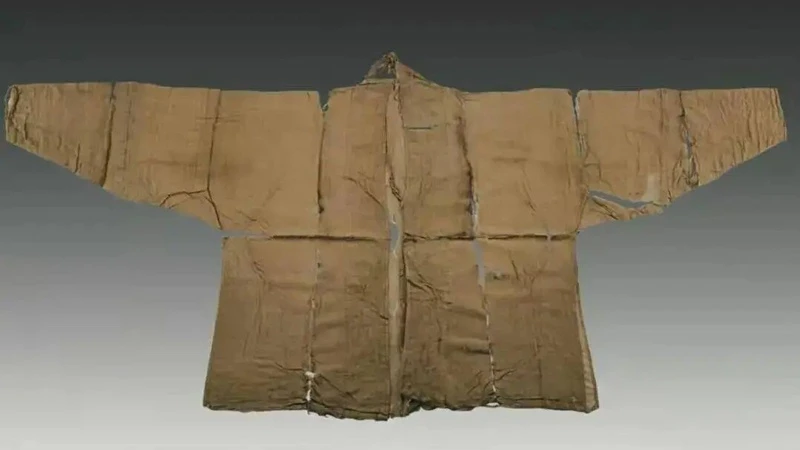
Short Shan / Ao (airplane sleeve / wide sleeve): Northern Song women’s top with a relatively wide flat bust measurement. Styles diversified in the Southern Song. A single-layer top is called shan; a lined, padded version is ao.
Sources: Nanling Tiegui Song Tomb (南陵铁拐宋墓), short blouses from Huang Sheng Tomb (黄晟墓).
Long Shan / Ao (wide sleeve / narrow sleeve): Worn as the first or second layer over Moxiong, with length past the knee. Garments above the knee count as short shan/ao.
Bottom Garments
- Kun / Ku (裈/袴)
Kun: closed-crotch trousers. Ku: open-crotch trousers. They were worn together as an inner set — the open-crotch ku on the inside, covered by the closed-crotch kun with side slits.
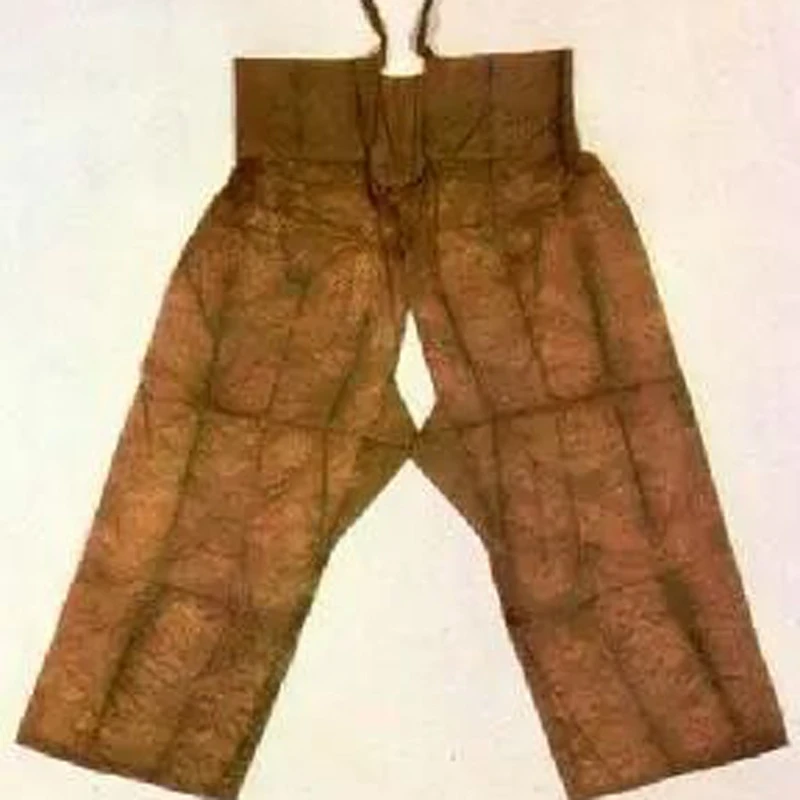
- Dang (裆)
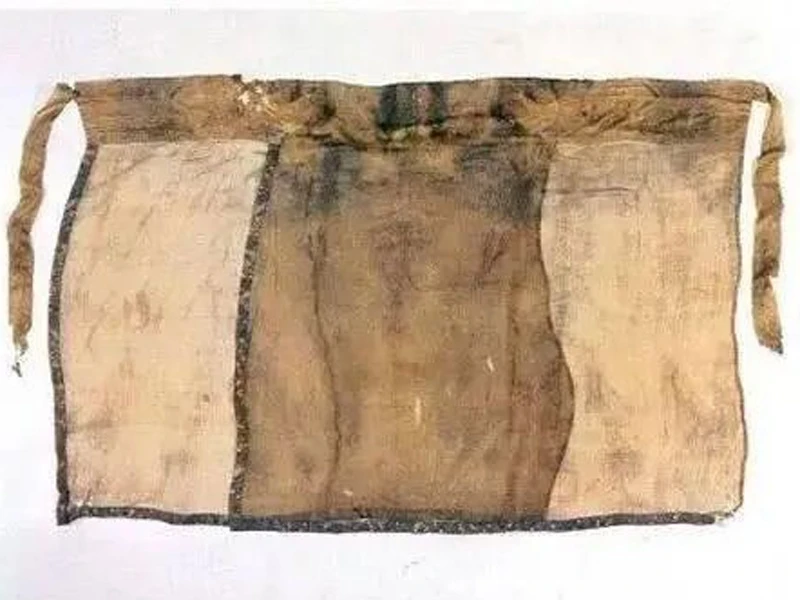
Closed-crotch trousers, a distinctive garment for Song women, unearthed from the Southern Song Huang Sheng Tomb. It has pleated side slits and was never worn alone. The term Dangku refers to the matching set of dang and ku. An apron was usually worn over it. Only low-ranking entertainers and labourers would wear Dangku exposed.
Most modern commercial “Song trousers” are adapted from this ancient Dangku set.
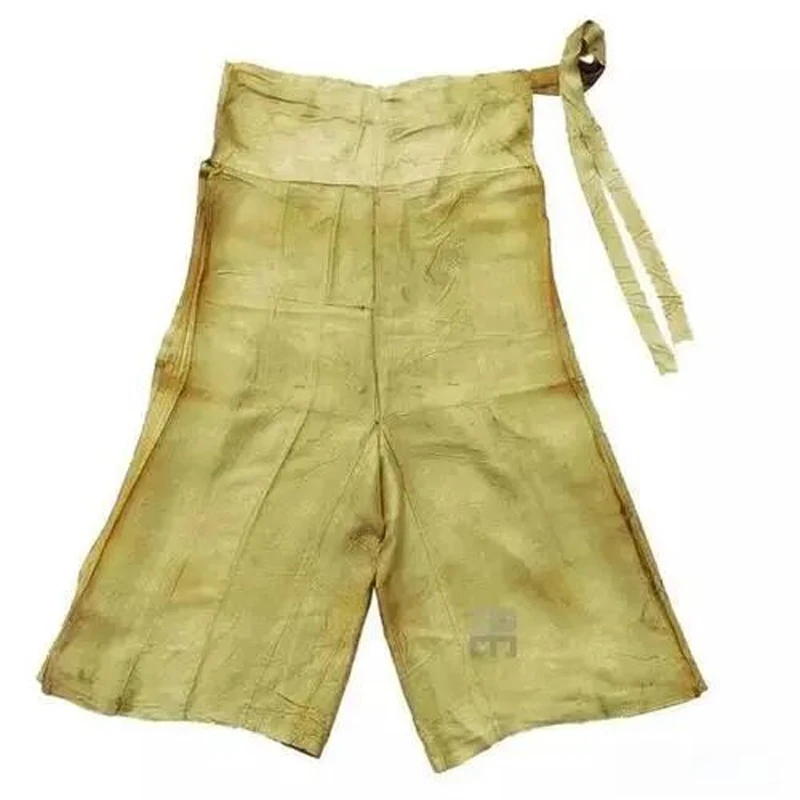
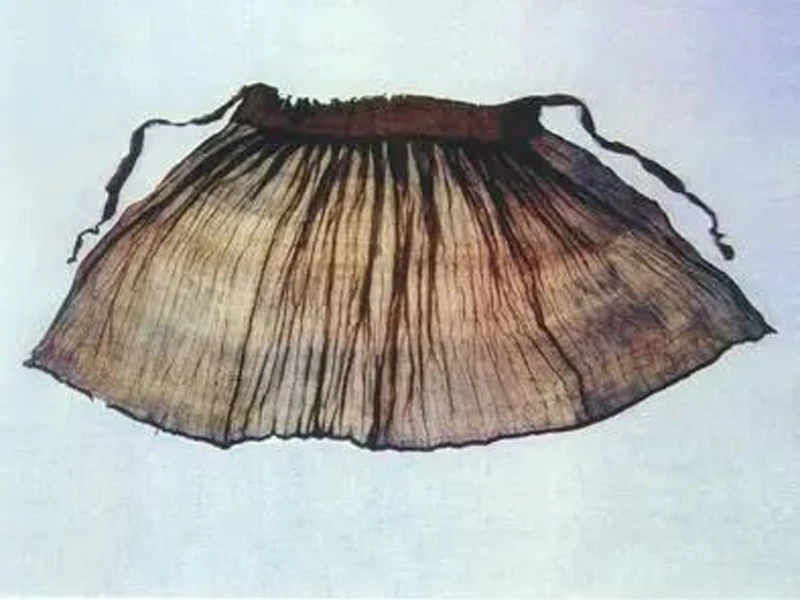
- Baidie Skirt (百迭裙, Hundred-fold Skirt)
One-piece wrap skirt. It is heavily pleated in the middle section, leaving unpleated flat panels at both sides as the front skirt gate.
It is often compared with the Mamian skirt. For the Baidie skirt, the flat panel sits at the front and the rest of the skirt is pleated. The Mamian skirt only has pleats on the sides, with flat panels at both front and back, hence also named side-pleat skirt.
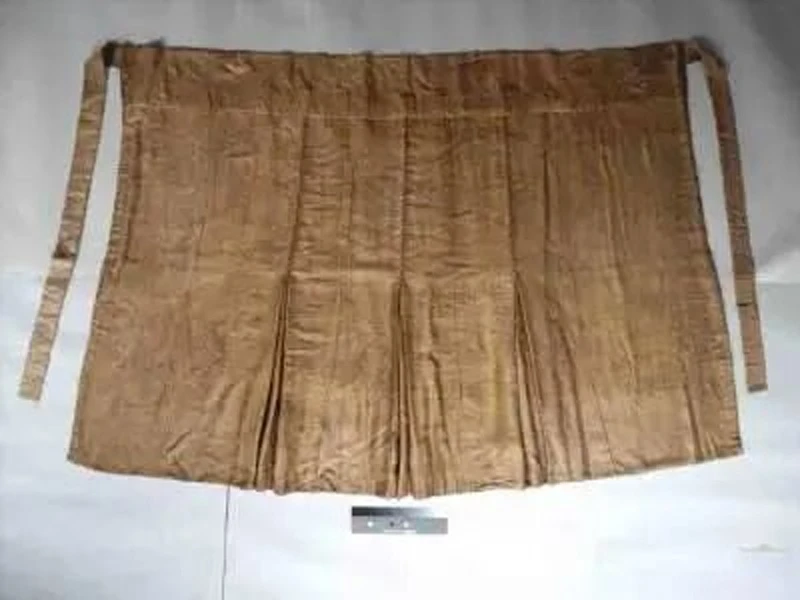
- Sanjian Skirt (三裥裙, Three-pleat Skirt)
Constructed from four rectangular fabric panels stitched together. Three box pleats are made at the top and secured to the waistband. The skirt tapers at the waist and widens toward the hem.
- Two-piece Skirt
Made of two overlapping panels: an outer layer and an inner layer. They share one common waistband, with the upper panel overlapping the lower one. The skirt hangs straight or flares slightly. Some scholars identify it as the Xuanqun (旋裙) mentioned in ancient texts. It was practical for daily wear and travel, popular among all social ranks.