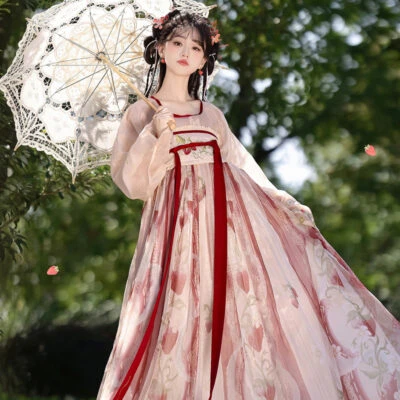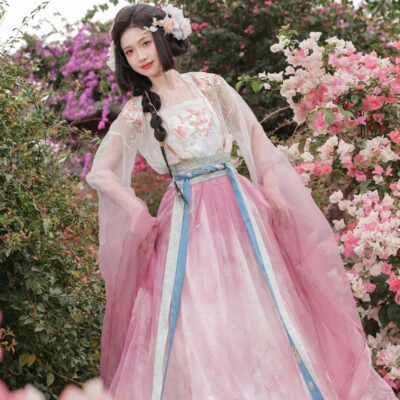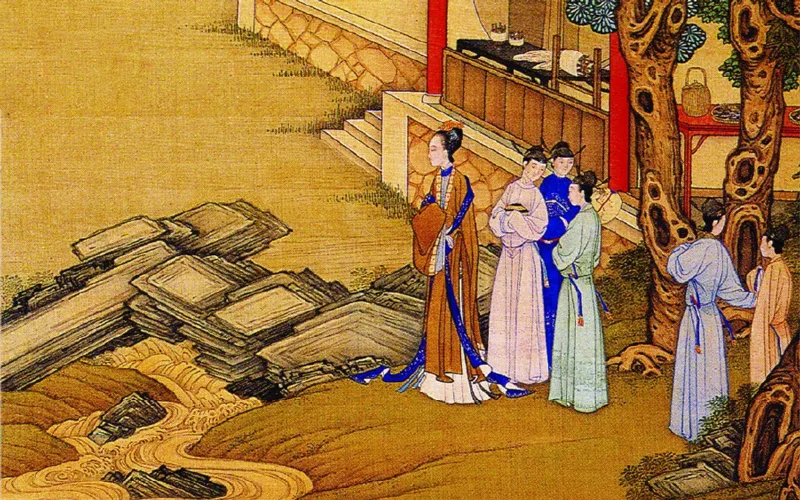
At 3 a.m., many modern readers lie awake, thumb sore from scrolling, brain brighter than the phone screen. Sleep aids fill drawers, yet a Chinese sleep report says more than 300 million people in China struggle with sleep. That number sharpens an old question: before melatonin, air conditioning and foam mattresses, how did women in old households rest so calmly? Old texts show no magic pill. They show small rituals—water, scent, pillows, timing and quiet attention—that treat sleep as something to prepare for, not force.
1. Bathing and Incense
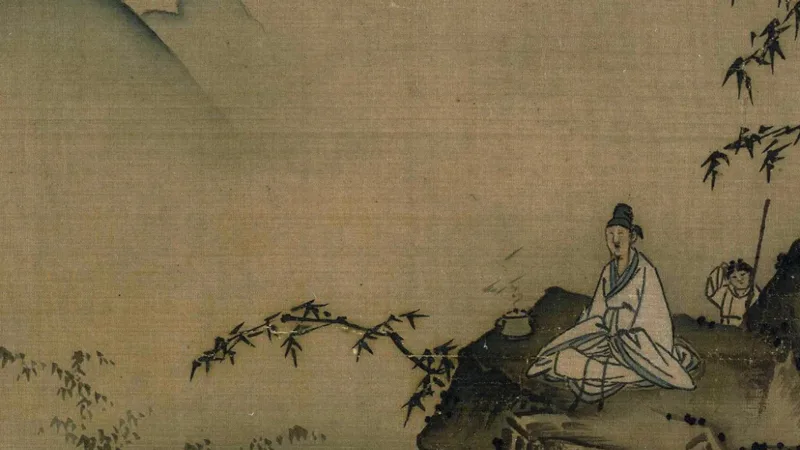
A bath came first. Women boiled fragrant plants such as orchids, angelica and eupatorium in water. Songs of Chu (楚辞) records “bathing in orchid water,” but the line means more than cleanliness. Steam carried plant oils into the room, softening tension before bed. Warm water told the body that the day was closing. Modern readers may call this aromatherapy; the old household called it preparation.
After bathing, a small incense burner was lit. Wealthy homes chose benzoin, agarwood or sandalwood, sometimes with a trace of borneol or musk. The smoke was never heavy. It drifted through a curtained room and slowed the breath. The poet Li Qingzhao (李清照) caught this mood in a line about thin mist and a golden incense animal. Her words describe the room sleep needs.
This ritual was practical. Warm water, plant scent and a quiet room cut stimulation. They removed small jolts that keep a tired person awake. The old method had no app, no blue light, no sleep score. It relied on repetition. The same bath, burner and hour told the body what came next. Sleep experts now call this a bedtime routine. Ancient women practiced it without the label.
2. Medicinal Pillows
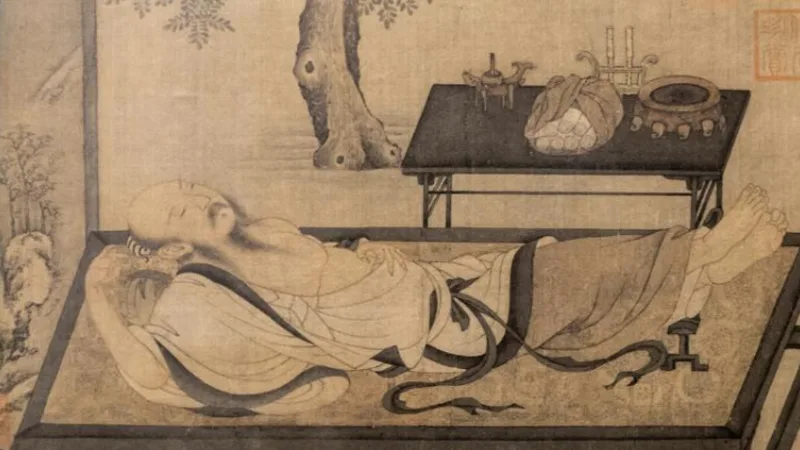
The pillow was another tool. A silk pillow from Mawang Dui (马王堆) held eupatorium, pepper and magnolia buds. The physician Sun Simiao (孙思邈) described a calming pillow with chrysanthemum, cassia seed and magnetite in Essential Prescriptions Worth a Thousand Gold (千金方). Each ingredient had a smell, weight or texture that shaped rest. The bed became a small pharmacy, but a gentle one.
Seasonal changes mattered. Spring brought mulberry leaves for clear eyes; summer used mung beans for heat; autumn added chrysanthemum for calm; winter used cinnamon bark for warmth. A person might sleep on four different pillows in a year. Modern bedding often stays the same for years. The old habit looks fussy until you notice its logic: the body changes with weather, so the bed should change too.
Blankets received equal attention. Rich households used silk; poorer homes used cotton or linen. Both were aired in sunlight. The sun killed mites and left the fibers loose and dry. At night, a fresh blanket wrapped the body like a cloud. “Sun the quilt, sleep at night” sums up a practical belief: clean, dry bedding changes rest. Air, light and patience did the work.
3. Sleep Rules
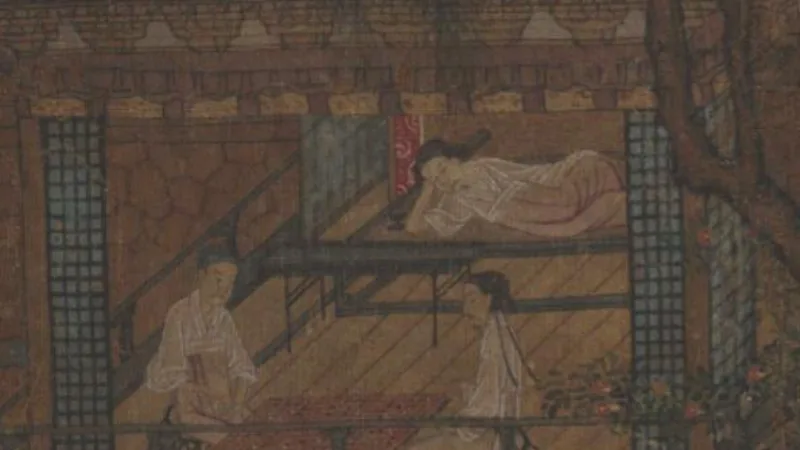
Old manuals gave rules for posture. Side sleeping was favored, especially on the right. An old text called Sleep Formula (睡诀) describes both side positions in detail. The right-side pose keeps one arm bent and the other hand near the hip. Modern medicine offers a similar reason: it may ease pressure on the heart. Observation, not technology, produced the rule.
Timing was strict. The hours between 9 and 11 p.m. were for bed. Old texts claimed the body needed that window to restore its channels. Deep sleep should begin before midnight. A person who missed it would spend vital energy. Modern readers may smile at the language, but the warning is familiar. Late-night scrolling steals the same hours. Night was for sleep, not one more episode.
The hardest rule was mental. The writer Li Yu (李渔) said sleep must begin with a quiet heart in Casual Expressions of Idle Feeling (闲情偶寄). His method was simple: count breaths. One inhale and one exhale made one breath; count to ten, then start again. If thoughts wandered, return to one. This is close to modern mindfulness, without an app. The aim was not to force sleep but to stop feeding worry.
4. Small Sleep Tools
Small objects filled the bedchamber. An ear pillow was a ceramic block with a hole in the middle. Lying on the side, a woman could rest her ear in the hole. She could hear distant sounds—useful when household safety mattered—without pressing her ear flat. It was a simple white-noise receiver before electricity. The design looks strange now, but it solved a real problem.
A sachet hung inside the bed curtain. It held lavender, silk-tree flowers or other calming herbs. The scent stayed near the pillow and released slowly through the night. This was scent therapy in cloth form. A woman did not need to spray the room. The sachet worked in a small space, close to the nose, where its effect was strongest. It made the bed feel personal.
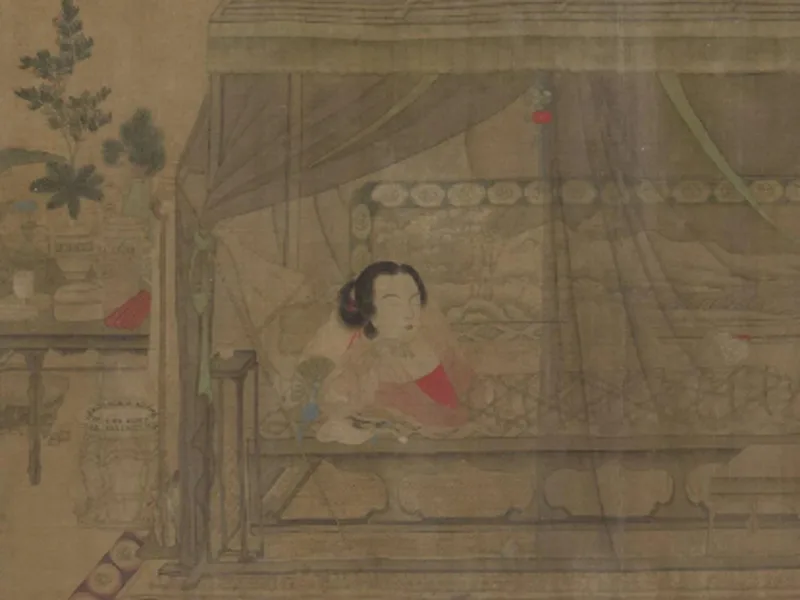
Curtains completed the nest. Old bedrooms were not sealed boxes. Mosquitoes, drafts and noise entered easily. Layered curtains kept insects out and created a private shell. Inside, the day’s demands became muffled. The sleeper could breathe and turn without being watched. Modern blackout curtains do similar work. The old version was thicker and often embroidered, but its purpose was plain: build a boundary between waking life and rest.
5. Follow the Seasons
The deepest rule was a rhythm. Women rose with light and rested after dark. In spring they slept early and woke early; in summer they slept later and woke early; in autumn they returned to early hours; in winter they slept early and woke late. The body followed the sun, and sleep followed the season. Night was not a second daytime.
They also avoided sleep anxiety. If sleep did not come, a woman might read, embroider or listen to rain. When tiredness returned, she lay down again. She did not stare at a clock and count failures. This calm approach is hard to copy. We track sleep, score it and worry when the score is low. The worry itself keeps us awake. The old habit was gentler.
What can a wired reader take from this? Few people will buy a ceramic ear pillow or burn agarwood tonight. But the order is clear. Warm water can replace a screen. A quiet breath can replace a worry loop. A dark curtain can replace a glowing phone. Sleep improves when the body receives a steady signal that the day is done. The old women did not own better technology. They protected the night.