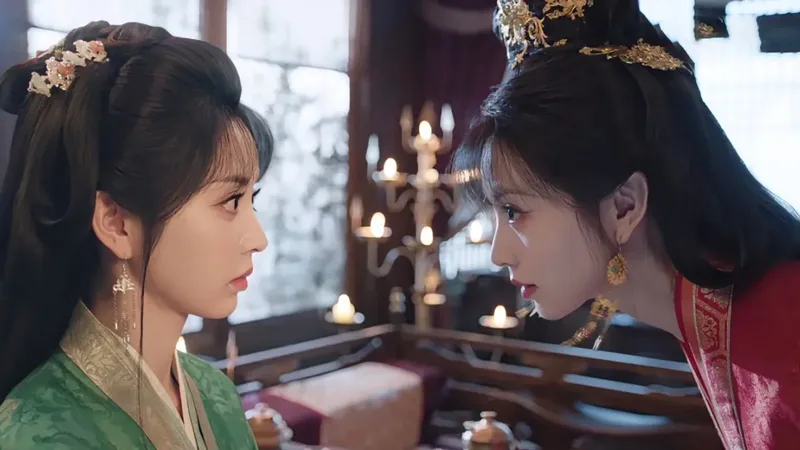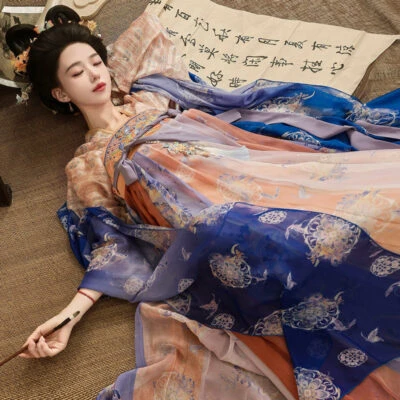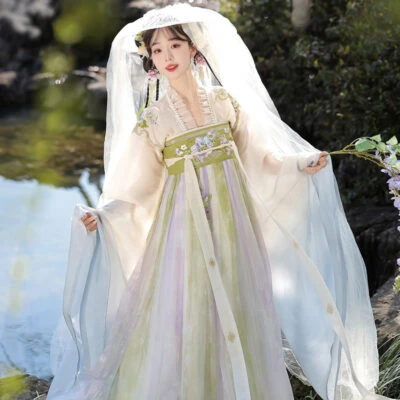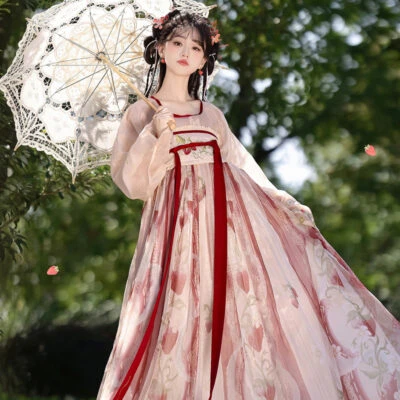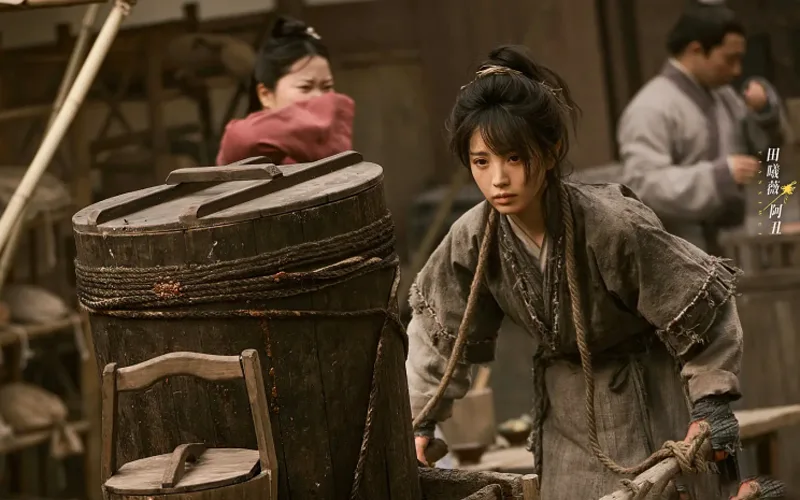
Where the Mask Ends (嫁金钗) arrived yesterday and quickly climbed hot-search lists, and the buzz is easy to understand. Tian Xiwei (田曦薇) plays two women who look identical but live on opposite moral roads: one gentle, one vicious. The premise sounds like a familiar swapped-daughter tale, yet the show keeps asking whether a desperate bride can turn a borrowed identity into real power. Set in an invented dynasty, the story begins with a dying young general, a wealthy household hunting for a lucky bride, and a poor girl who agrees to stand in for a noble daughter. It is a question of survival first, romance second, and every character seems to know it. The first episodes waste little time on comfort.
Swapped Lives
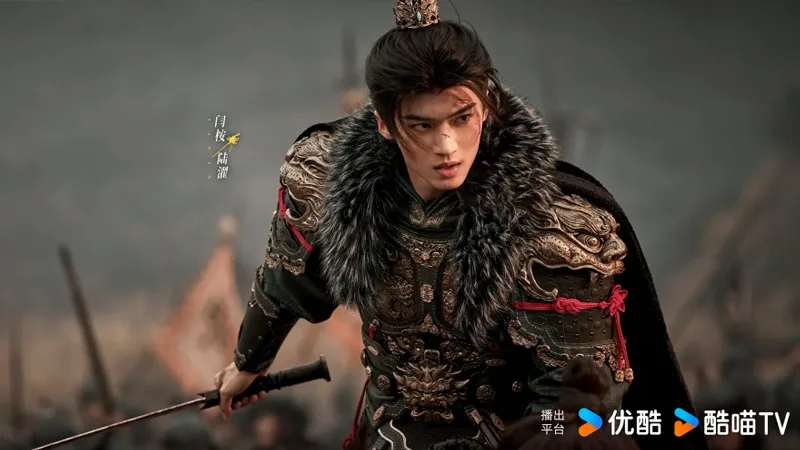
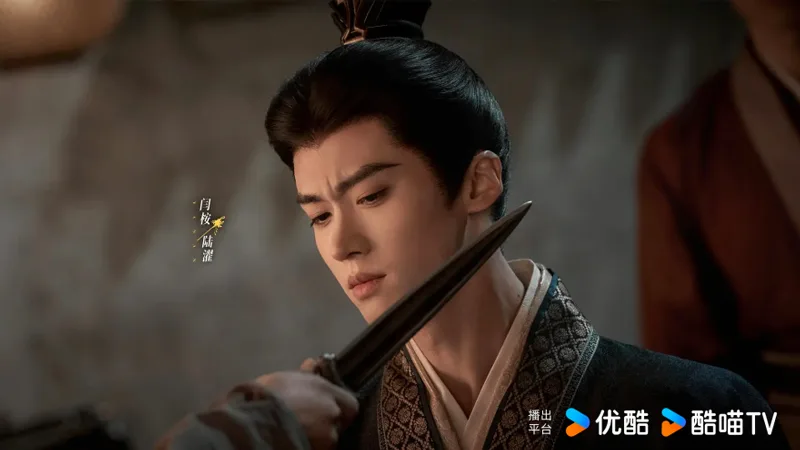
The real daughter is Wei Rao (魏娆), born to an earl’s mansion, then switched at birth and raised as A Chou (阿丑). Her home is a trap: a gambling adoptive father who would sell her for 300 coins, a sick mother, and younger children waiting for food. Across the city, Jun Dai (君黛) grows up with silks, servants, and no patience for anyone below her. Same face, different road. The contrast sets up the show’s engine. Jun Dai’s cruelty draws open contempt from Lu Zhuo (陆濯), a young general from a duke’s household. Played by Yan An (闫桉), he is upright, blunt, and badly wounded soon after the story begins. The duke’s household wants a noble bride to “wash away bad luck” for him; Jun Dai is chosen, but she looks at a man near death and refuses.
Then chance hands Jun Dai a solution. On the street she meets A Chou, a girl with her exact face. Jun Dai offers 50,000 cash for medicine if A Chou takes her place. A Chou, whose mother needs treatment, says yes—but not blindly. She sets three terms: a 100,000-tael betrothal payment; if Lu Zhuo dies, she leaves with nothing; if he lives, no divorce or repudiation for five years. It is a cold bargain, almost a business contract, and that is what makes it gripping. The audience sees the risk in every clause. A Chou is not waiting for rescue. She is using a dangerous marriage as a ladder, and she knows the rungs may break under her.
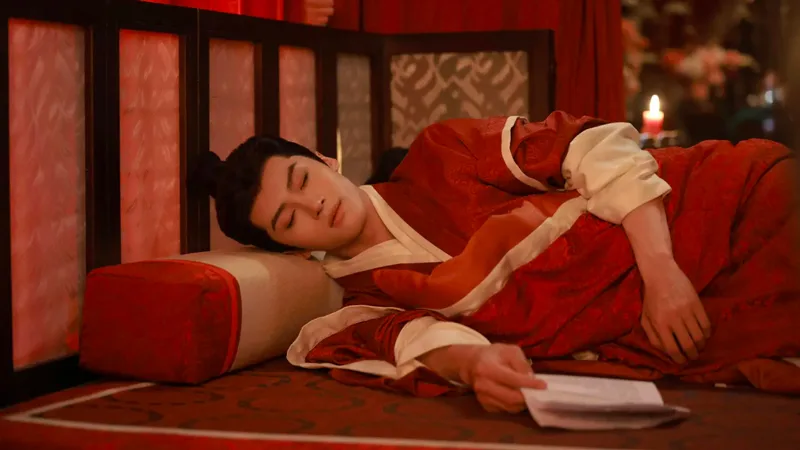
On the wedding night, the almost-dead Lu Zhuo wakes. He believes his bride is Jun Dai, the woman he already despises, so the marriage starts with suspicion on both sides. A Chou has no safe corner: a hostile husband, watchful servants, and a house full of hidden rules. When Jun Dai learns that Lu Zhuo has survived, regret turns poisonous. She tries to burn A Chou alive and slip back into the role she rejected. A Chou escapes through nerve and quick thinking, not luck. Jun Dai’s plan is cruel, but it also exposes her fear of losing status. That fire makes the show’s central contest clear: one woman wants a title back; the other wants to stay alive long enough to build a life.
Mansion Gambits
Life inside the duke’s household is not a soft landing. Every relative has an agenda, every servant hears too much, and A Chou must read the room before she speaks. She survives by noticing details, bargaining when others expect tears, and stepping forward when the family panics. A Chou learns which rules can be bent and which will bite. Each crisis she handles chips away at Lu Zhuo’s contempt. He begins to respect her judgment before he understands his own feelings. The show is smart to keep the romance slow: trust arrives through shared problems, not sudden declarations. A Chou also keeps searching for her birth story. She has been told one version of her past, but small inconsistencies keep pulling at the thread.
None of this makes A Chou a saint. She lies when lying buys time, and she keeps her own secrets close. Yet her instincts push outward: when a scheme threatens the household, she tests evidence instead of accepting the loudest accusation; when Lu Zhuo’s pride blocks a sensible move, she names the cost. The household’s elders watch her with new calculation. The family starts to rely on her in small, practical ways. Lu Zhuo notices that his wife is not the cruel woman he expected. Respect grows first, then affection, and neither feels like a prize handed over. It feels like two guarded people learning to share a map in hostile country. That slow shift is more convincing than a sudden vow.
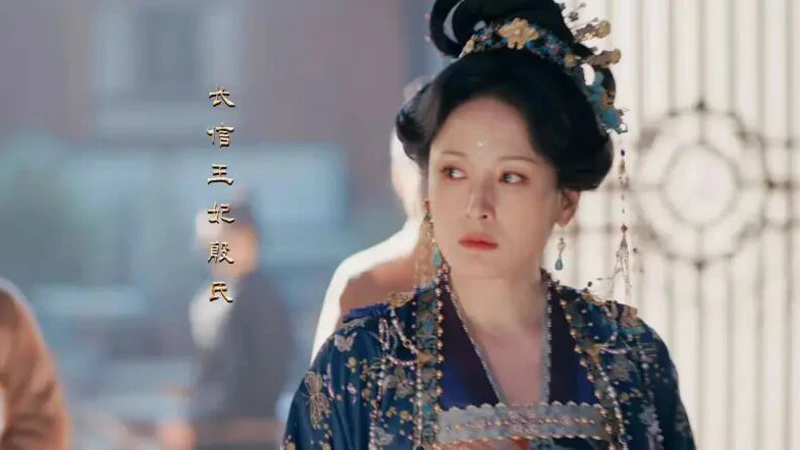
Sixteen years earlier, a baby swap took place at Cheng’an Bo Fu (承安伯府), Wei Rao’s family home. Wei Rao’s aunt, Wei Heng’e (魏恒娥), played by Chen Zihan (陈紫函), had an affair and gave birth to an illegitimate daughter, Jun Dai. Fearing that noble society would reject the child, she arranged the switch. The reveal explains much, but it also creates a puzzle the drama has to face: if Wei Rao and Jun Dai are cousins, why are their faces exactly the same? That detail is hard to swallow. The timing matters, because it lands after trust has already begun to form. A clever plot needs clean rules. When a coincidence is too large, tension leaks out of the room.
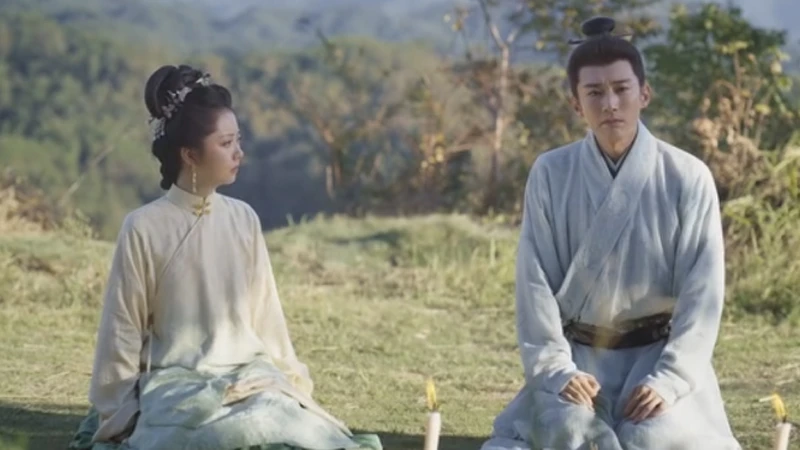
The ending, at least for now, points toward a happy resolution. The truth comes out, identities settle back where they belong, and the couple stop seeing each other as opponents. They become comrades at the border, fighting side by side when war demands more than personal revenge. That shift gives the story a larger frame: A Chou’s climb is no longer only about escaping poverty or proving Jun Dai wrong. It becomes about responsibility for people who cannot bargain for themselves. That question of responsibility is the show’s real test. The middle chapters still have to earn that ending, and the identical-cousin problem will not vanish. Even so, the setup has a strong hook: a fake bride, a suspicious general, and a household where every kindness has a price.