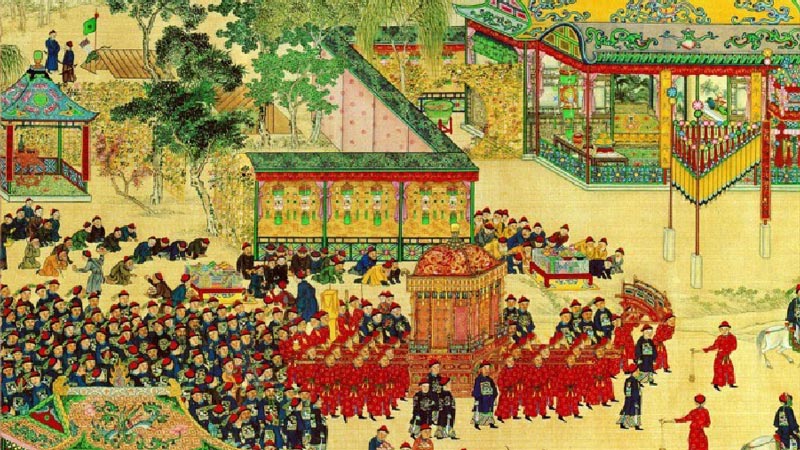
Every morning, as you squeeze onto a packed subway or sit gridlocked on an overpass, a thought might flicker: if I had been born in ancient times as a government official, would I have escaped this daily grind? The answer is a resounding no. Historical records reveal that the commute of a Chinese official could be far more brutal than anything a modern city dweller faces today. From rising in the dead of night to risking life and limb on unpaved roads, their journey to the office was an ordeal that tested body and soul.
Early To Rise
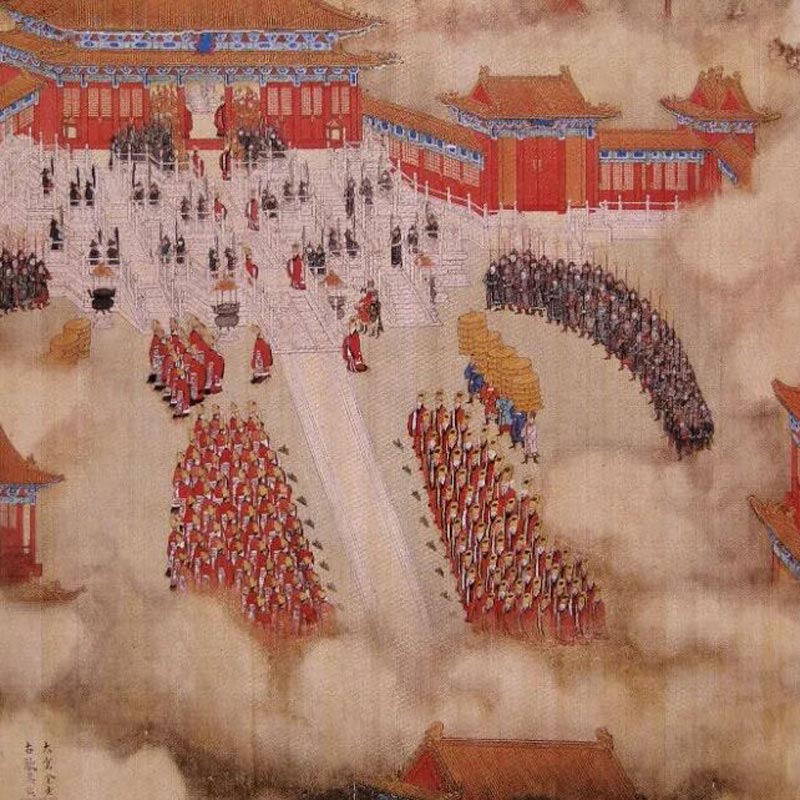
Modern workers complain about 996 schedules, but ancient officials would have laughed at such luxury. The imperial court typically began its day at Mao (卯) hour, between five and seven in the morning. The catch? You had to live close enough to actually arrive on time. In the Tang dynasty, the poet Bai Juyi (白居易), then a young official in the capital Chang’an, could only afford a thatched cottage in the eastern suburbs. His diary of exhaustion mirrors that of any modern commuter: leaving home in darkness and returning long after nightfall.
By the Qing dynasty, the situation worsened. Han Chinese officials were generally restricted to the outer city, far from the Forbidden City. A two or three-hour journey each way was normal. Some diaries record leaving at three in the morning, arriving at dawn only because the muddy roads slowed every step. For one imperial birthday celebration, an official had to wake at 1:30 AM. Zeng Guofan (曾国藩), a famous statesman, would wrap himself in a cotton robe, carry a paper lantern, and jog through knee-deep snow, his boots often worn through by the time he reached the palace gates.
Deadly Commutes
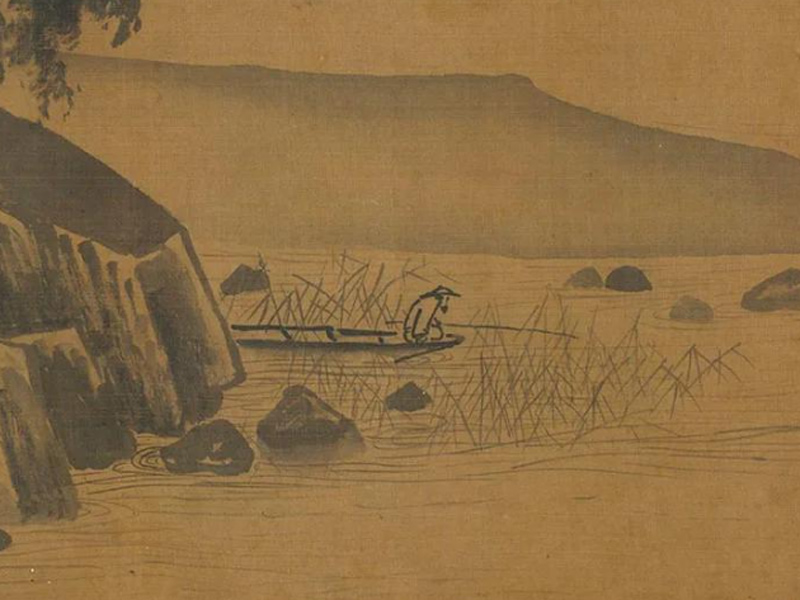
Modern delays mean a lost morning. In ancient times, they could mean a lost life. In the summer of 786, a torrential downpour flooded the streets of Chang’an. Cui Zong (崔纵), a vice minister, was swept away by the rushing water and carried dozens of paces before shopkeepers managed to pull him to safety. The Old Book of Tang (旧唐书) records that many others drowned that day.
The Qing dynasty offered its own horrors. Officials entering the palace were forbidden from carrying lanterns, forcing them to grope through pitch darkness. One official slipped on a rainy night and fell into the imperial canal, drowning instantly. Another, riding a donkey through heavy snow, slid into the same canal and never resurfaced. A third, running blind, smashed into a palace wall, broke his leg, and still crawled to the gate to answer roll call before passing out. The poet Ouyang Xiu (欧阳修) captured the misery: “Drums urge me up at midnight; the road is deep in mud, the rain fierce, and even my horse can barely move.”
Late? You’re Dead
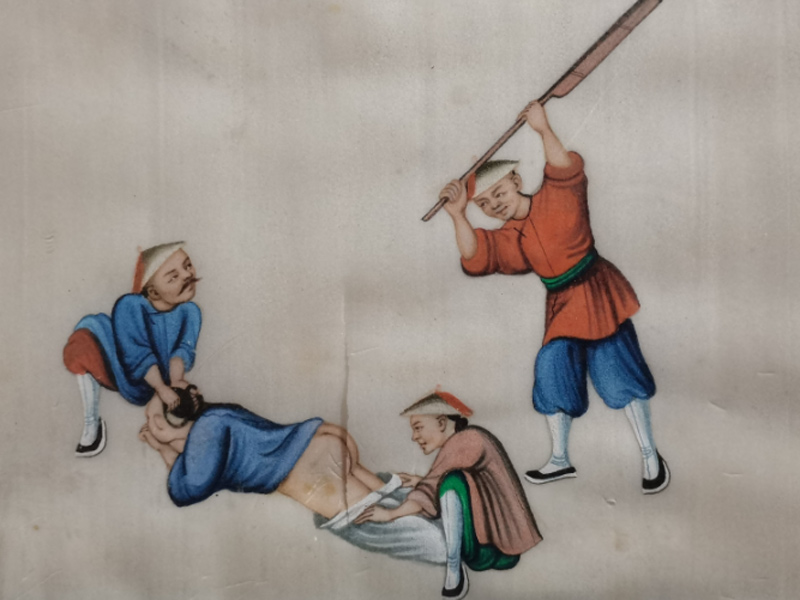
In the modern office, tardiness costs you a few dollars. In imperial China, it cost you your dignity—and sometimes your skin. Tang law was savage: one day of unexcused absence earned twenty strokes of the light bamboo. Twenty-five days brought a hundred strokes of the heavy rod. Thirty-five days meant a year in prison. During Emperor Xuanzong’s reign, skipping work without cause also meant losing three months’ wages.
The Song dynasty was no kinder. The great calligrapher Zhao Mengfu (赵孟頫) once arrived a few minutes late and was promptly beaten in court. The Ming dynasty raised the stakes: one late arrival earned ten strokes; three times meant dismissal from office. An official named Zhang Xiaozhong (张孝忠) was publicly caned so severely that he could not sit for half a month. His first act upon returning home was to order his son to bang a wooden clapper at 3 AM every day to wake him.
Literary Complaints
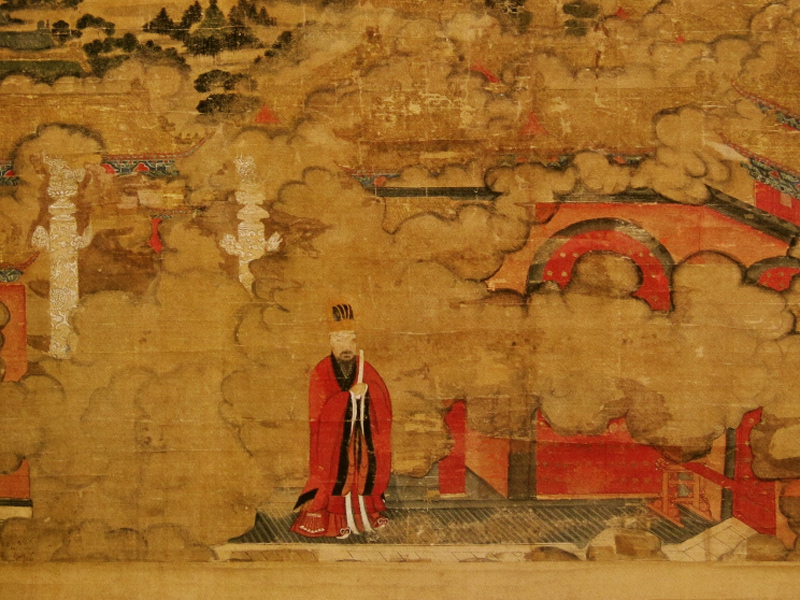
Ancient scholars complained about work just as much as modern employees. Bai Juyi’s poem “Leaving Late, Returning Early” laments: “My strength declines each year, yet the scenery changes daily. I leave the office deep in the night and must present memorials before dawn.” His closing line resonates across centuries: “When can I resign this post and become a free man?”
Han Yu (韩愈), a fiery official and essayist, was even more direct. Stationed in Xuzhou, he was ordered to arrive before dawn and leave after dark. He wrote a formal protest to his superior, demanding a schedule of 4 AM to 9 AM and 4 PM to 7 PM—exactly eight hours, just like today. Twelve hundred years ago, someone was already fighting against overtime. Han Yu deserves the title of the original anti-rat-race pioneer. Once, when a rainstorm caused the court to cancel work, Han Yu did not hear the drumbeat announcing the holiday. He trudged through the storm, only to learn halfway there that he could turn back. Bai Juyi mocked him in verse: “I hear the court was dismissed last night, yet you still went out into the street by mistake.”
Finding Peace
How did they cope? Bai Juyi, after a salary increase, moved closer to the city center with a friend, shortening his commute. Some Qing officials simply bought homes near the Old Summer Palace, and Emperor Yongzheng even gifted nearby royal gardens to trusted ministers. But most turned inward.
Bai Juyi developed the philosophy of the “middle hermit.” He wrote: “The great hermit lives in the court and market; the small hermit retreats to the hills. The hills are too lonely, the court too noisy.” He chose to create his own sanctuary—a few plants, a stack of books, a cup of tea. “Open the door, and you see the dusty world of Chang’an’s avenues; close the door, and you enter a wilderness for the soul to rest and roam.”
So did ancient people suffer from commuting anxiety? Absolutely. From waking at two or three in the morning to being swept away in a flood, from canings for lateness to poems begging for freedom, their anguish is written in history and etched into their biological clocks. The difference is simple: modern commuters worry about crowded trains and traffic jams. Ancient officials worried about surviving the walk to the office. Suddenly, your morning subway ride does not seem so bad.