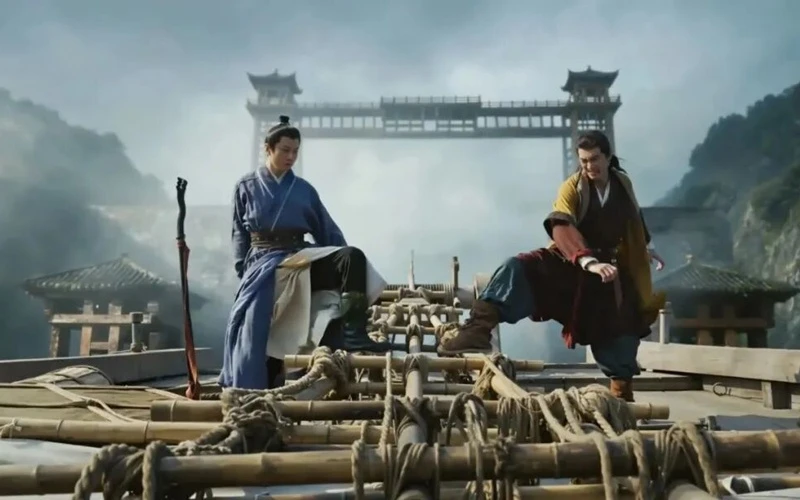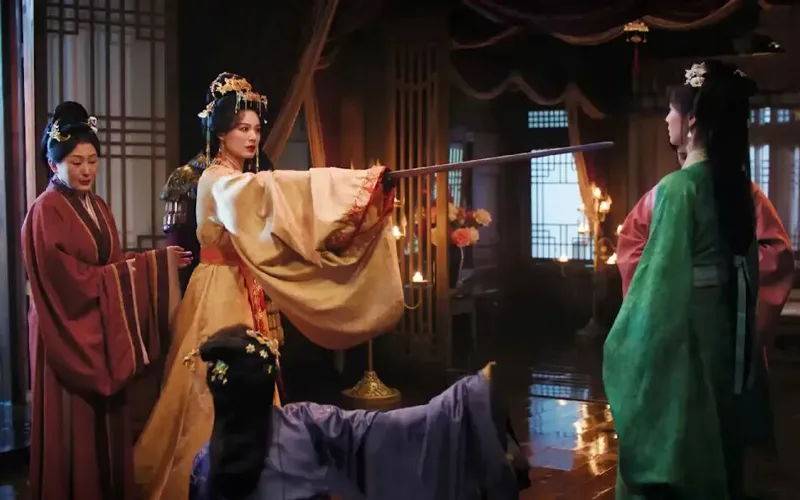
What if a single line in an old history book hid a countdown thriller? River of No Return (两京十五日), a new series adapted from Ma Boyong (马伯庸), turns that idea into a tense ride. It is set in the Ming Dynasty and scheduled to premiere on Nov. 20, 2026. The story begins in Nanjing (南京) with an explosion, then sends its hero north to Beijing (北京) along the Grand Canal (京杭大运河). Even before launch, it has appeared on Douban’s (豆瓣) 2026 most-anticipated list. Fans of history and suspense have good reason to wait.
Race Against Time
The hero is Zhu Zhanji (朱瞻基), a crown prince who has spent too long behind palace walls. A blast in Nanjing and an urgent message about his father’s illness leave him fifteen days to reach Beijing. The route is more than 2,200 li, and every delay feeds rumor. He cannot trust every official, guard, or boatman he meets. The series treats the canal as a living road: locks, barges, night markets, and relay stations all become part of the chase. The pressure is simple and physical. If he arrives late, the throne may already belong to someone else.
Three strangers join him, each with a reason to keep moving. Wu Dingyuan (吴定缘) is a low-ranking constable with a heavy family past. Su Jingxi (苏荆溪) is a careful physician who hides her own purpose behind medicine. Yu Qian (于谦) is a young official who still believes duty begins with the people. Their skills do not fit neatly together. That is the point. A constable reads streets, a doctor reads bodies, and an official reads paperwork. On the water, those talents collide and sometimes fail. The group has no easy trust, only a shared deadline and a growing sense that the real enemy may wear an official robe.

Cheng Yi (成毅) plays Zhu Zhanji, and the role asks for change rather than constant coolness. At first, he reads danger as an insult to his rank. Later, hunger, flooded roads, and frightened villagers teach him what a throne costs. Lin Gengxin (林更新) gives Wu Dingyuan a guarded weight; Jiang Peiyao (姜佩瑶) makes Su Jingxi watchful rather than soft; Wu Zhuojian (吴卓键) brings Yu Qian a stubborn calm. The casting matters because the story works best when the prince is not the only person thinking. A countdown story can easily become a solo sprint. This one keeps asking who else is running, and why.
Who Really Rules?
The title promises speed, but the story’s real subject is power. A dynasty looks stable from the palace; on the canal, it looks like grain prices, sick boatmen, corrupt clerks, and rumors moving faster than horses. Zhu Zhanji learns that a decree means little if the people who carry it are starving. Wu Dingyuan’s anger tests loyalty. Su Jingxi’s search for justice tests the law. Yu Qian’s plain belief that people matter more than rank tests everyone around him. None of them can save the empire alone. Their choices, small and hurried, decide what kind of order survives the race.

The series also refuses to make history a backdrop. Canal transport is shown as machinery: rope, water level, paperwork, and tired workers. Court politics is not a chessboard speech; it is a chain of favors, fear, and delay. The mystery grows because each answer creates a new cost. Who ordered the explosion? Who benefits from a late prince? Who can be trusted when every official has a patron? The show uses these questions to pull viewers through each episode, while the fifteen-day clock keeps the pace tight. It feels less like a costume parade and more like a road movie with knives hidden in sleeves.
That approach gives the drama a modern pulse without pretending the past was simple. The prince is not born wise; he is pushed into wisdom by muddy roads and ordinary courage. His companions are not decorations; they carry grievances that no crown can erase. When the final dash begins, the question is not only whether Zhu Zhanji reaches Beijing. It is whether he deserves to. For viewers who like history with sweat, suspicion, and a ticking clock, River of No Return looks ready to deliver. The countdown is almost here.