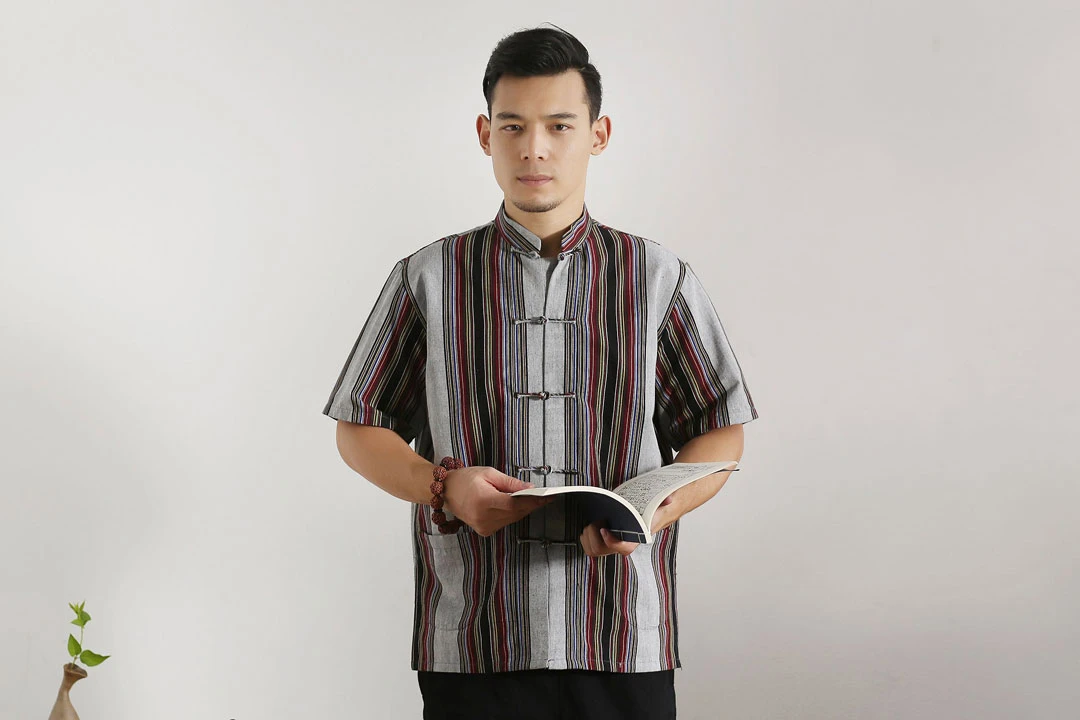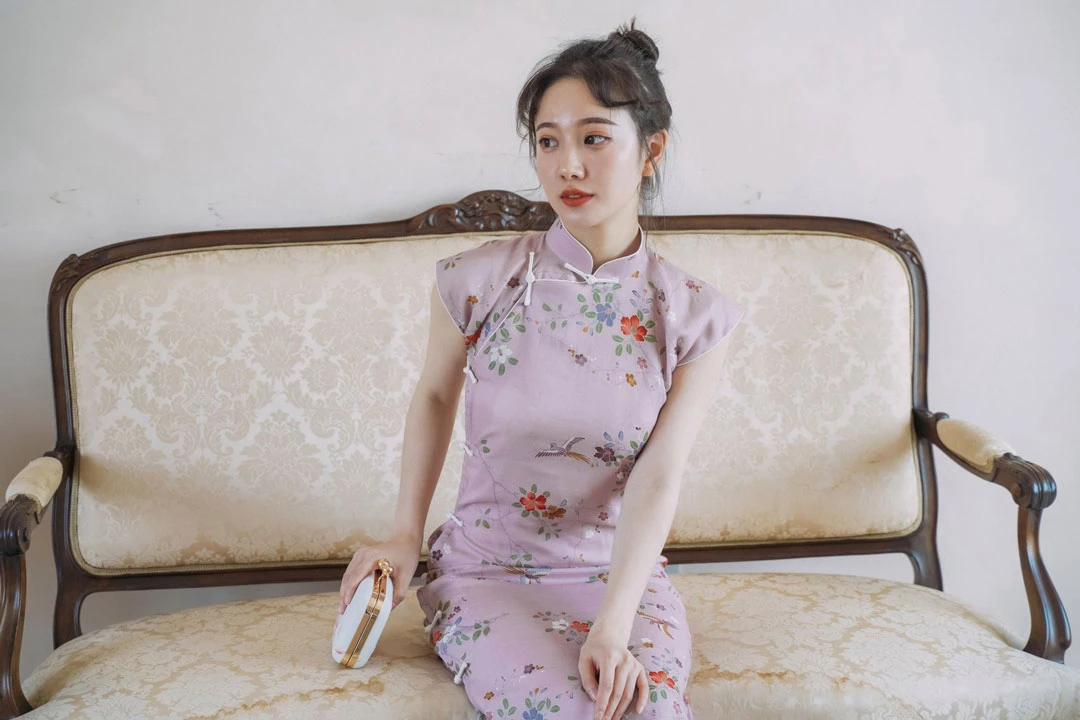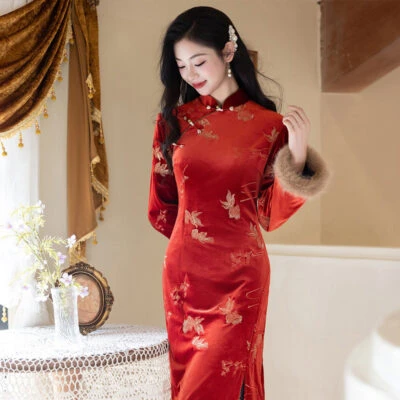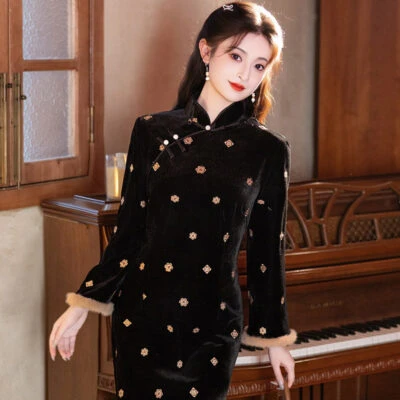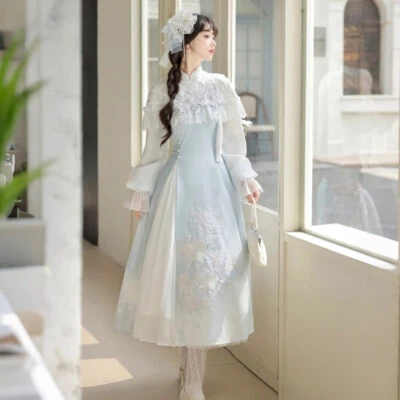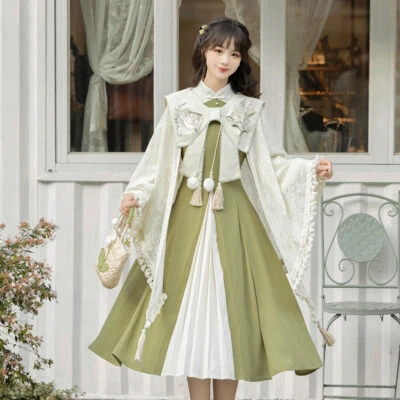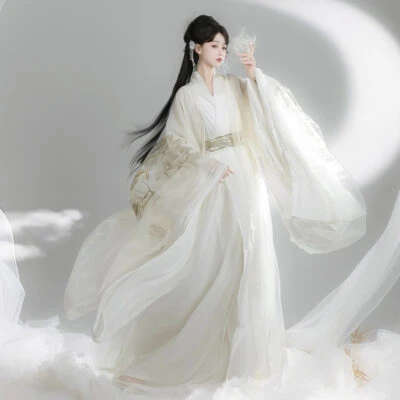
A Qipao is not one dress with four labels. It is a set of moods, cuts, and social signals. In Jingpai (京派), Haipai (海派), Supai (苏派), and Yuepai (粤派), fabric, collar height, sleeve shape, and embroidery change the story. One garment can look like a family heirloom, a city flirt, a scholar’s ink painting, or a sharp modern invention. The fun begins when film turns those differences into character. A hemline can suggest duty. A print can hint at desire. A cuff can hide a warning. The dress is small, but its grammar is rich.
1. Jingpai – Northern Poise
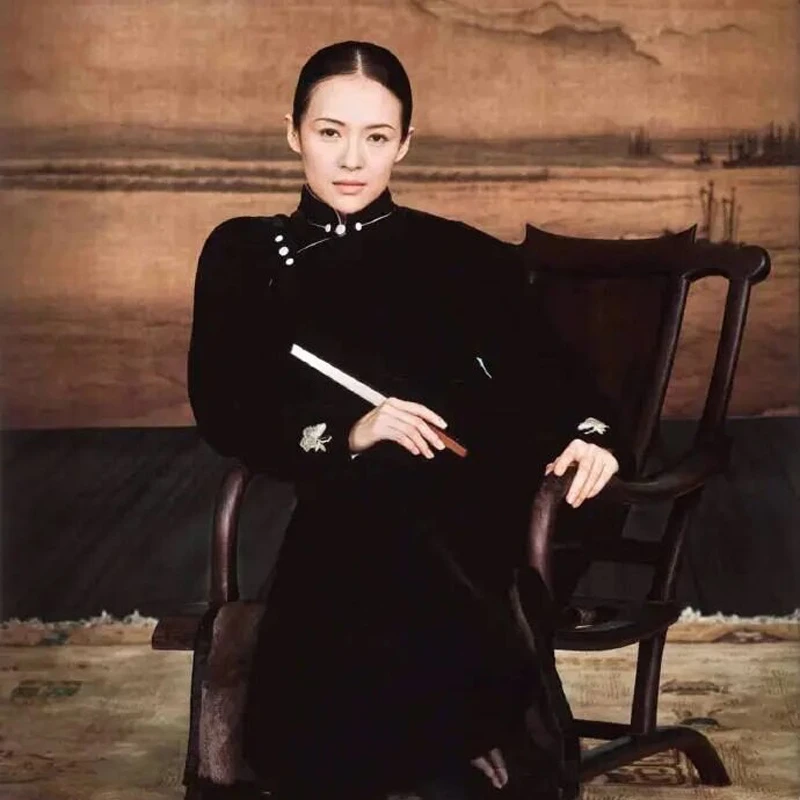
Jingpai chooses dignity first. Hemlines often fall below the knee. The line stays straight, the collar sits high, and the buttons are placed like small guards. Red and gold silk appear often, but the effect is less flashy than formal. This is clothing for a room that expects manners. It does not flirt with the doorway. It owns the chair by the window and waits for others to notice.
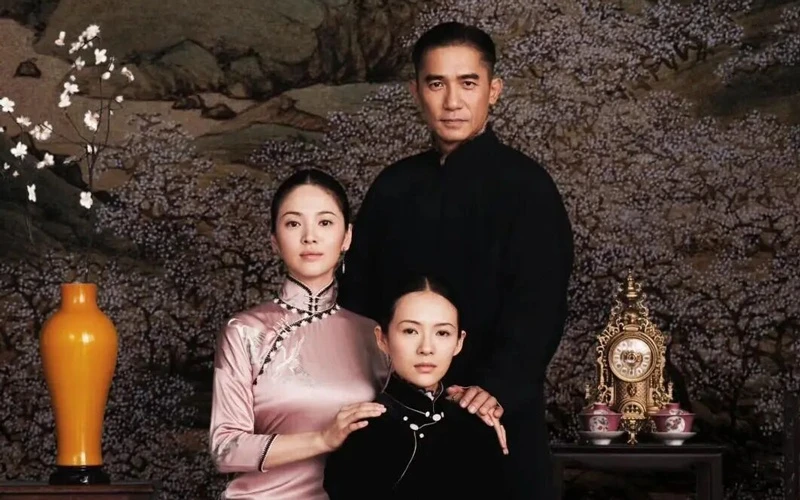
In The Grandmaster (一代宗师), Zhang Ziyi (章子怡) plays Gong Er, and her qipao does quiet damage. Large frog closures and broad sleeves make her look calm before a fight. The dress never begs for attention; it simply refuses to shrink. Her posture does half the work, and the fabric does the rest. When she moves, the room seems to lower its voice.
That restraint is the point. Beijing style does not chase the camera. It makes the camera come closer. When Gong Er (宫二) stands still, the fabric carries her posture, her family, and her refusal to be casual. The dress is formal, but not stiff; it is a wall with a pulse. It suggests that elegance can be a form of defense, and that silence can be louder than a speech.
2. Haipai – Coastal Spark
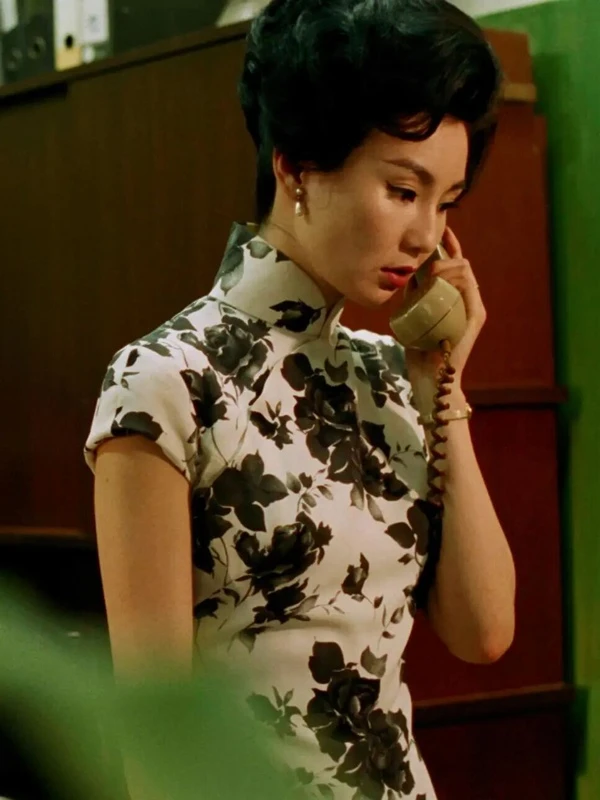
Haipai peaked in 1930s Shanghai (上海), where tailors borrowed Western cutting and kept Chinese details. Printed cotton, lace, and velvet changed the surface. Bright colors and fitted waists made the qipao feel urban, mobile, and slightly dangerous. It was made for dance floors, taxis, and narrow lanes. The cut followed the body, but the attitude followed the city. A woman in Haipai could look polished at noon and mysterious by midnight.
In In the Mood for Love ((花样年华)), Maggie Cheung turns Haipai into atmosphere. Her character, Su Li-zhen, walks upstairs with a thermos, and the dress does the rest. The print, the high collar, the small step: every detail suggests longing without saying it aloud. The fabric seems to remember each corner she passes. Even a plain hallway becomes a stage.
Without that Shanghai cut, the film would lose half its tension. Haipai is not just pretty. It is a social tool: it shows taste, income, and the courage to be looked at. The dress moves with the body, but it also moves the plot. A change of fabric can change the temperature of a scene. That is why Haipai still feels modern: it treats clothing as behavior, not decoration.
3. Supai – Garden Whisper
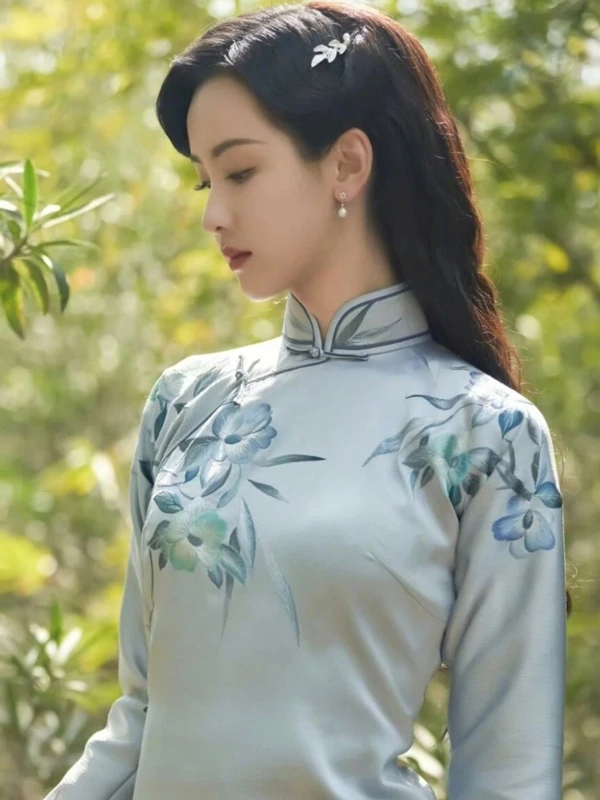
Supai speaks in a lower voice. It comes from the lower Yangtze region, and its details lean on plum, orchid, bamboo, chrysanthemum, peony, and rose motifs. The collar, front opening, and cuffs often carry embroidered edges. The colors stay clear and soft, never noisy. A Suzhou qipao does not announce itself at the gate. It waits near the window, beside a tea cup, and lets the light find it.
The fabric matters. Fine soft satin and plain crepe satin give the dress a gentle weight. Embroidery stitches vary, but the hand should look patient, not showy. A Suzhou qipao is not a billboard. It rewards a second look, then a third. The work is close to the eye, so the wearer must be comfortable with quiet. Its beauty is not loud; it is exact.
This style suits gardens, tea rooms, and rainy stone paths. It makes the wearer seem part of the landscape rather than its owner. That is a different kind of power. Beijing style guards a room; Suzhou style makes the room breathe. One is a statement, the other a whisper. Both can stop a scene without raising their voice.
4. Yuepai – Southern Edge
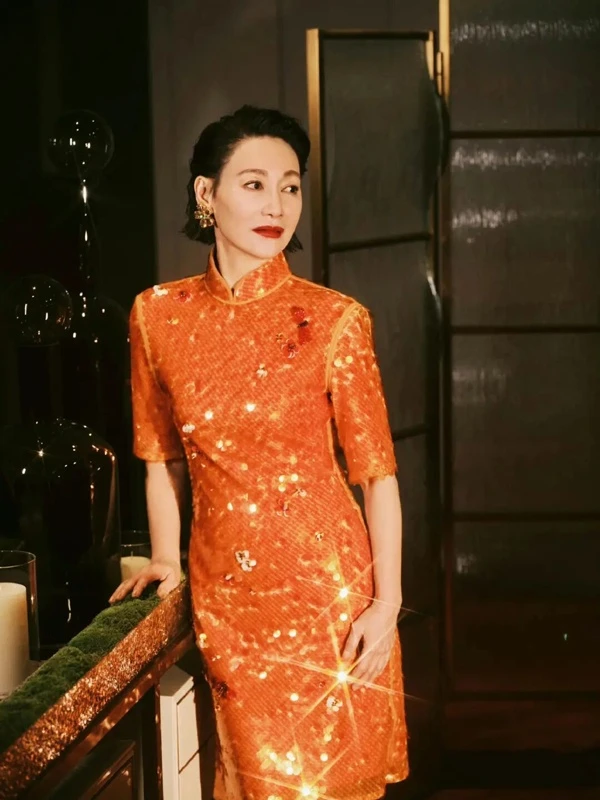
Yuepai is the rebel of the family. In Guangdong and Hong Kong (香港), tailors gave the qipao cross-shaped sleeves, a pointed chest line, a tight waist, and a narrowed hem. Some people call it the qipao that barely looks like a qipao. That is exactly why it works. It keeps the ancestor’s collar but changes the attitude of the shoulders.
In a well-known look, Kara Wai wears a Yuepai qipao that shows how sharp the cut can be. The shape is architectural: shoulders speak, waist controls, hem decides. It feels modern without erasing the past. The dress looks ready for a banquet, a business meeting, or a sudden turn in the street. It does not ask for permission.
Yuepai has a practical city rhythm. It can be elegant at a banquet and severe on a street corner. The four styles do not compete for a crown. They prove that one dress can hold many voices, and film keeps finding new ways to let them speak. The qipao survives because it bends, cuts, and returns with a fresh silhouette.