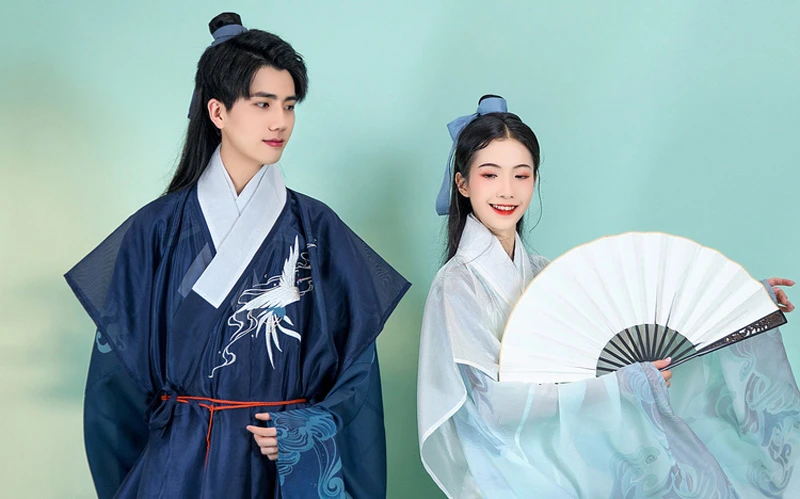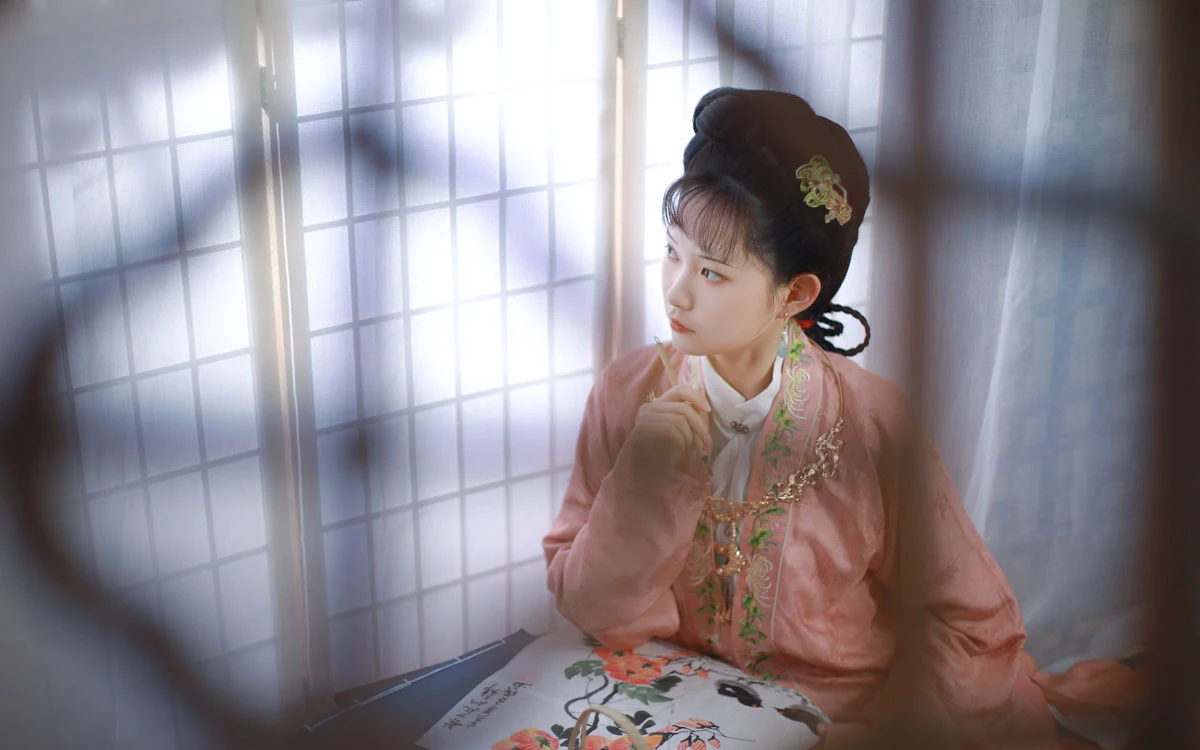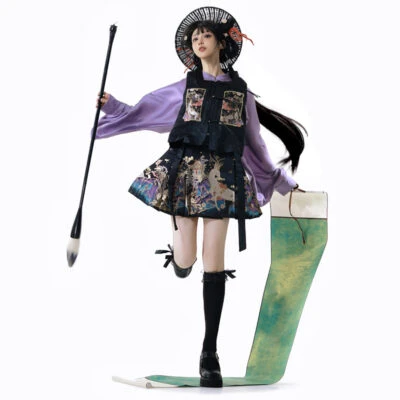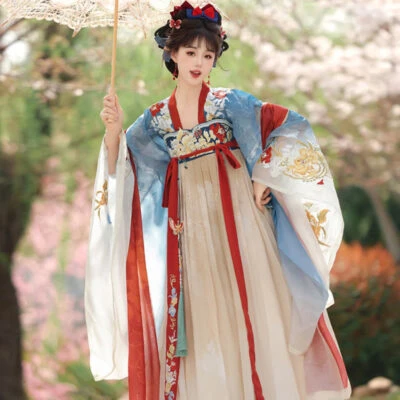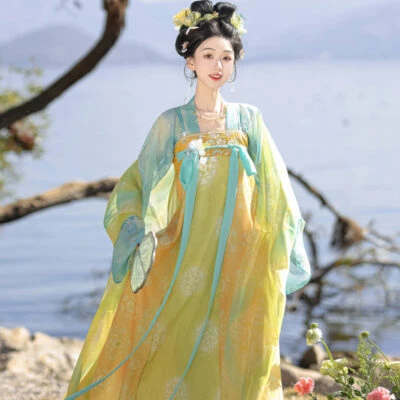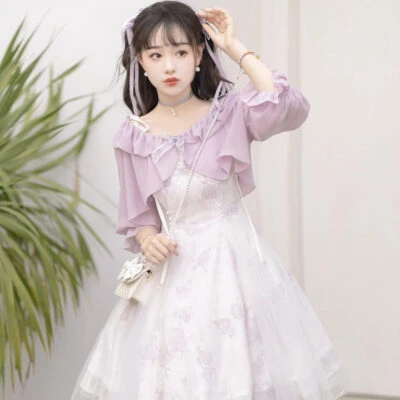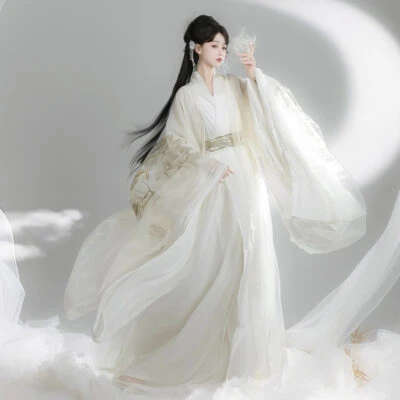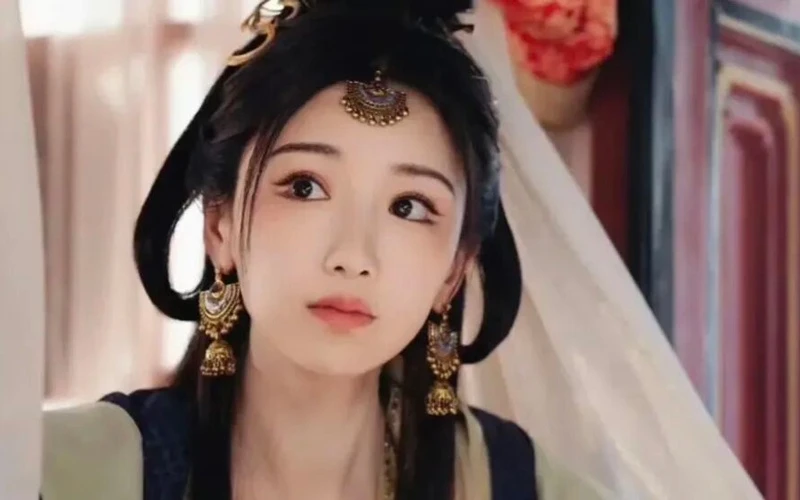
A loose pair of loops beside a heroine’s face has become a familiar sight in Chinese costume dramas. Fans call it the drooping rabbit-ear look. It looks soft, weightless, almost like a prop. Does it have a real prototype? Did women in history wear it? Or is it a modern screen invention? The short answer: it is mostly a camera-ready styling choice. Two slack side loops enlarge the silhouette, keep the center open, and make the face appear smaller. Stylists like it because it reads quickly on screen. Yet the shape borrows from older hair traditions, especially the twin-loop style for unmarried girls. The story is more interesting than a simple yes or no.
Screen Trick
On set, hair must do several jobs at once. It frames the face, signals youth, and stays readable in wide shots. A tight historical bun can look severe under bright lights. The rabbit-ear version loosens the sides, leaves air in the middle, and creates a playful outline. The extra volume also changes proportions; the face looks narrower without heavy makeup. That practical effect explains its frequent use in ancient-set romance dramas. It is not a strict reconstruction. It is a visual shortcut.
The style often appears in costume idol dramas rather than serious historical dramas. Designers can adjust the loops: smaller for a neat maid, wider for a noble daughter, messier for a comic scene. Because the shape is simple, a team can build it fast and repeat it across episodes. Repetition helps audiences recognize a character’s rank or mood. But repetition can also flatten taste. Some versions look clean and balanced; others look like piled fabric. The difference lies in proportion, hair texture, and how the loops sit against the skull.
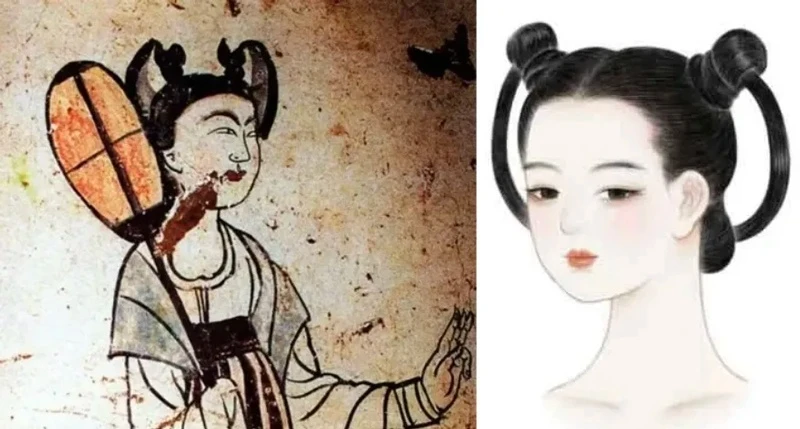
Is it copied from a rabbit? Not literally. The nickname comes from the silhouette: two soft shapes hanging beside the head. The animal comparison is a fan joke that stuck. In production, the goal is not zoology. The goal is a face-friendly outline that photographs well. That is why the look survives across genres, budgets, and trends. It gives a young heroine a hint of mischief without making her look childish. It also lets a mature actress appear softer. The camera does the rest.
Historical Loops
The closest ancestor is the twin-loop style, or Double Huan (双鬟). It used two ring-shaped loops, usually tied on top or at the sides of the head. Bai Juyi (白居易) described a graceful girl with twin loops and compared her bearing to jade. The style marked unmarried girls. Book of Rites (礼记) records that a girl received her hairpin ceremony at fifteen. Before that rite, she did not wear an adult bun. Her hair announced her stage of life. The loops were identity first, ornament second.
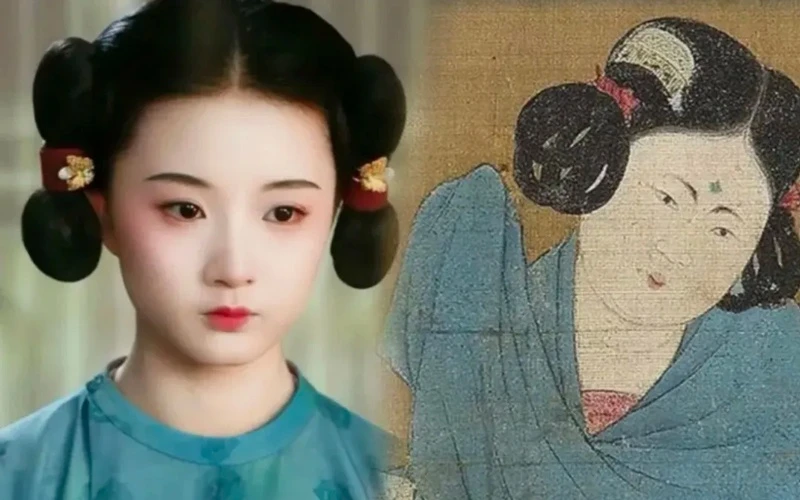
Historical loops were usually tighter than screen versions. They sat close to the scalp, with clean lines and a lively, childlike energy. Some were symmetrical above the head; others dropped lower. The lower version was called the double-droop style. In Flourished Peony (国色芳华), the character Yulu (玉露) wears a version of it. She keeps the shape controlled rather than oversized. That control matters. A small loop can look sweet; a huge loose loop can look like a costume shortcut. The old shape had rhythm and balance. It did not rely on volume alone.
Why did the twin-loop style exist? One reason was practical. Young girls often had uneven hair: long strands mixed with short wisps. A full adult bun was hard to build. Long hair could be looped; short hair could fall naturally. The result resembled the Chinese character guan (丱), so people called it the guan hairstyle. Another reason was ease. Mothers could comb it quickly. It carried a childlike charm, much like twin ponytails today. Ancient families had their own version of a simple, cheerful school-day look.
Modern Nostalgia
Today’s rabbit-ear style keeps a shadow of that old logic but follows modern taste. It is soft, enlarged, and designed for close-ups. It rarely appears with long hair hanging loose in strict historical reconstructions, because traditional taste usually kept the twin loops as a complete shape. Costume romances are freer. They mix loops with flowing hair, ornaments, and soft fabrics. The result is not a history lesson. It is a mood: youthful, gentle, slightly mischievous. Viewers read that mood instantly, even if they never know the term Double Huan.
The look has grown up with a generation of viewers. Many remember a favorite heroine with two soft loops beside her face. The image returns in fan art, short videos, and doll styling. It has become a small visual memory of the costume genre. That memory explains why the nickname feels affectionate. The rabbit ears are not an ancient fact. They are a shared screen language. When a new drama uses them, audiences recognize the signal before the plot explains anything.
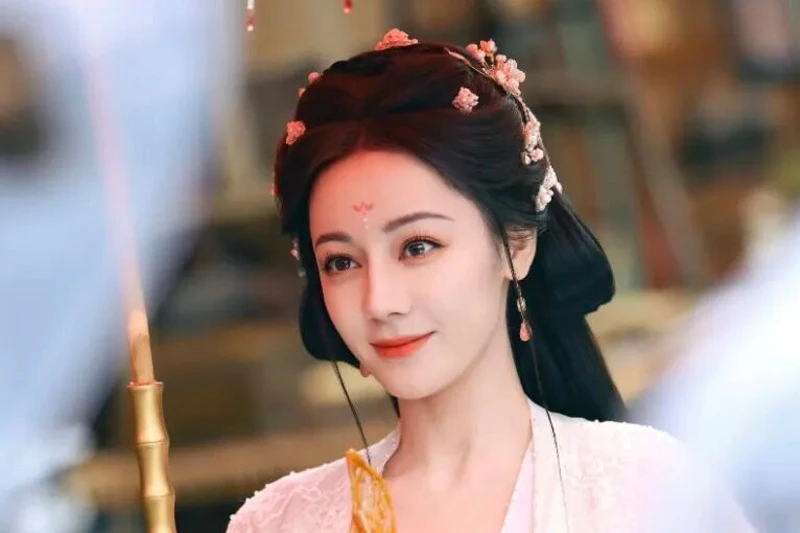
So did the drooping rabbit-ear style exist in history? Not as a large, slack, camera-ready shape. Its roots are real: unmarried girls wore twin loops, and lower loops had a place. The screen version stretches those roots for modern faces and fast production. That does not make it meaningless. It shows how costume drama turns old hair language into new fantasy. The next time a heroine appears with two soft loops, ask a different question: what is the styling saying about her age, rank, and story? And which on-screen rabbit ear still stays in your memory?