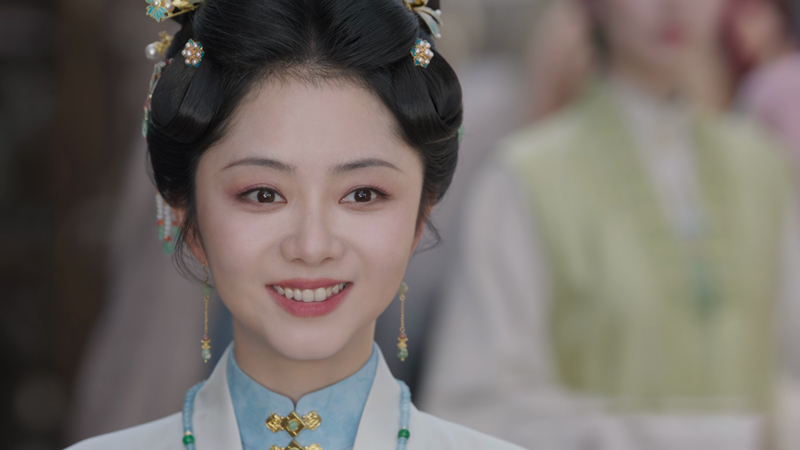
What if a name is not a label but a sealed letter? In Against the Current (兰香如故), Xu Lanxiang (许兰香) moves through Capital as a woman with no past she can speak aloud. She serves, writes, bargains, and survives. Yet every choice carries a second meaning. The character Lan links her to Shen Jialan (沈嘉兰), a daughter of a ruined house. One name sounds noble; the other smells of roadside grass. Both belong to the same woman. The drama does not simply ask who she is. It asks whether she can live without letting other people define her. That question gives the story its tension, its wit, and its quiet fury.
Hidden Orchid
Xu Lanxiang refuses the easy role of a grateful maid. When Lin Jinqi (林锦岐) brings her into his household, he expects gratitude. She gives him work, not surrender. She can enter a military camp, face powerful families, and rescue people during rebellion. Her courage looks reckless to those who see only her low status. But her calm suggests training from another life. A real servant might tremble before nobles. She does not. She weighs them. She studies their weak points. The gap between her manner and her station becomes a clue. Lin Jinqi notices it late, but the audience can feel it early: this woman was raised to stand among the powerful, not behind them.
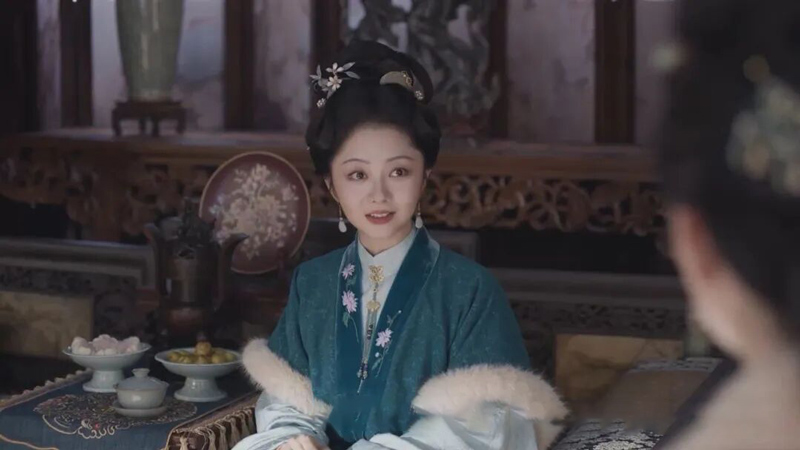
Zheng Manyi (郑蔓宜) grabs a potted orchid from Xu Lanxiang and smashes it. The act looks like jealousy. It is also a warning. The broken pot shows what happens when a woman is treated as decoration. Xu Lanxiang does not want to be a rare flower kept for admiration. She wants to be an orchid that can grow anywhere, in wind, mud, or stone. That is why she rejects housekeeping and estate planning. Those tasks would tie her to Lin family walls. They would make her useful, respectable, and trapped. Her refusal is not laziness. It is self-defense. She has a mind for business and a hand for drama, and neither needs a husband’s permission. The smashed orchid becomes a promise: she will not be owned.
The Capital offers a tempting future. The eldest daughter suggests buying property there, preparing betrothal gifts and dowries for children. Everyone brightens at the idea. Xu Lanxiang stays cold. Her silence is not modesty. It is grief. Shen family’s injustice remains unavenged, and she cannot call it by name. To build a comfortable future with Lin Jinqi would mean forgiving what she cannot forgive. Lin Jinqi changes without noticing. He watches her pawn jewelry to fund a friend’s business, earn money by writing plays, and repay cruelty with interest. The second young master calls her a wonder. Lin Jinqi calls her strange, then realizes the word is wrong. When he visits the unmarked graves of Shen family, suspicion takes shape. Her bravery, stubborn dignity, and sharp judgment fit a high-born daughter. He understands the answer he avoided: the woman beside him is Shen Jialan.
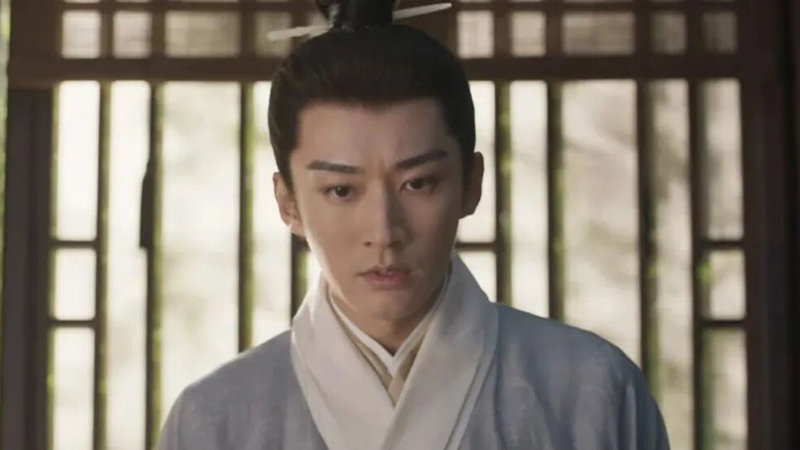
Written Revenge
Xu Lanxiang also learns that Lin Jinqi was the stranger who buried Shen family’s dead. He carries guilt for Shen Jialan, though he never recognized her. This knowledge does not melt her anger at once. She tells him their paths differ. He hears philosophy; she means a secret. The injustice of Shen family cannot be spoken in polite rooms. So she writes. A play becomes her courtroom, her memorial, and her message. Every line hides what her mouth cannot say. She writes one play for Lin Jinqi alone, not to entertain him, but to reveal herself. The stage gives her a voice that society denies. When he watches it, the pieces finally lock together. Her odd choices, her refusal to be small, her hunger for justice—all have one source. She is not a mystery. She is a survivor with a name.
Shen Jialan was once her family’s treasured daughter, praised as raw jade and gold. She was taught to think, not merely obey. She dared to question the saying that a subject must die if the ruler commands it. She even said the emperor could be wrong. Such words explain why she cannot quietly accept Shen family’s ruin. They also explain why Xu Lanxiang writes with such force. A play is never only a play for her. It carries memory, accusation, and a demand for truth. Lin Jinqi finally sees that the woman who refused his household was never rejecting love alone. She was rejecting a life built on silence. The pen becomes her weapon because swords would only bring more graves. Her stories keep the dead present and force the living to listen.
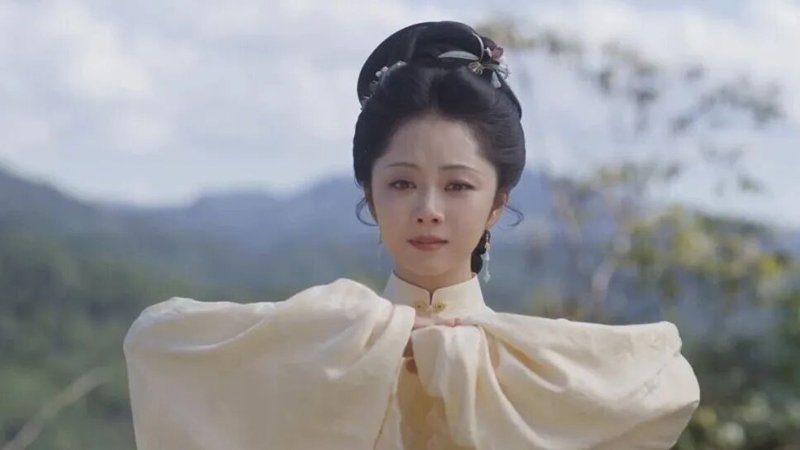
When the secret breaks, Lin Jinqi kneels at Shen family’s graves and knocks his head three times. He does not escape the past. He enters it. By doing so, he becomes Shen family’s son-in-law at last. Xu Lanxiang has already completed the old betrothal in her own way. She gave herself to him, but not as a servant, and not as a prize. She gave herself as Shen Jialan, with her anger, talent, and name restored.
The name Xu Lanxiang holds the whole design. Xiang (香) sounds like xiang (相). Rearrange the characters and they suggest “Lan makes a vow.” Lan is Shen Jialan. The vow is herself. She is the orchid and the grass, the noble daughter and the resilient survivor. Her story depends on her refusal to disappear. In Against the Current, fragrance is memory, and memory refuses to fade. A name that once hid her becomes the very thing that sets her free.