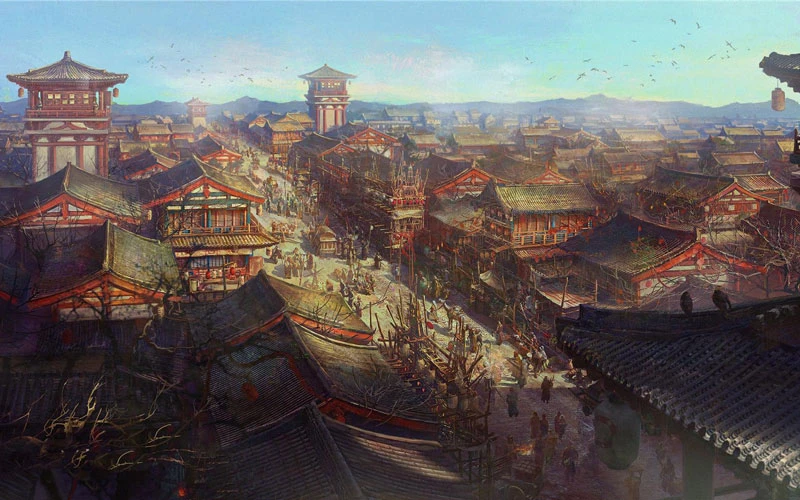
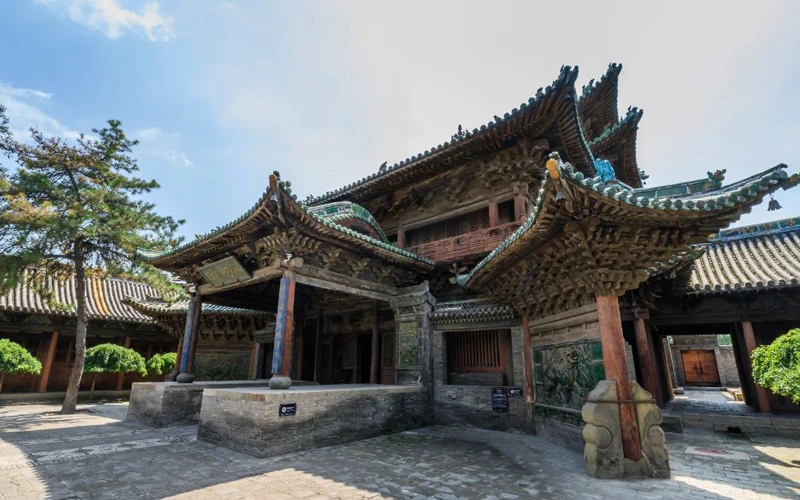
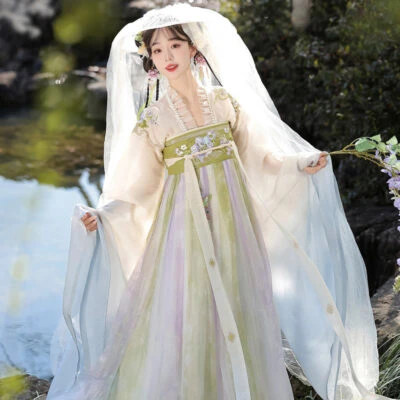
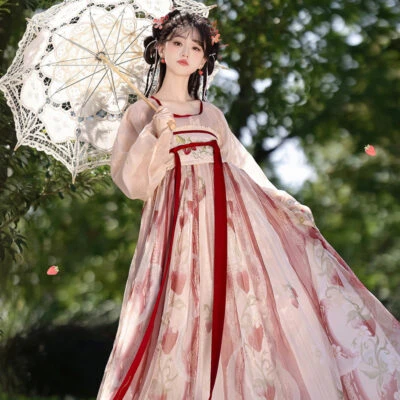
Dinner theatre in China usually means one of two things: a hotel ballroom with a variety show, or a heritage town with a costumed photo set. Heyan Yunlan, inside a hot-spring resort in Jiashan county, Jiaxing, tries a third arrangement. Its menu is fixed, its cast is small, and the scripts are all local history, including the story of a battle fought in 496 BC within sight of the county line.
What Heyan Yunlan Is
Heyan Yunlan is an immersive dinner theatre in the Yunlanwan resort in Jiashan, Zhejiang, where a set banquet is served around a sequence of short performances drawn from Jiaxing’s history. The county government describes the format as a food theatre that pairs plays with dishes, telling local stories while guests eat, and sums up the aim in four characters it uses as a slogan for the county: a hospitable place, well governed, welcoming the world.
The venue is a four-A scenic area built around hot springs, roughly twenty minutes by car from Shanghai’s western edge and fifteen from Jiashan South railway station. That geography explains the business model. Jiaxing sits between Shanghai and Hangzhou, both within a two-hour drive, so a two-hour dinner can be sold as an evening add-on to a day trip rather than as a destination in itself. The resort’s hotel carries the same logic into its rooms, which are themed on Kunqu opera, Yue opera, Peking opera and shadow puppetry.
| Performance | What it stages | Period | Why it is on the menu |
|---|---|---|---|
| Xiangji dance | Xi Shi dancing in clogs on a resonant corridor | Spring and Autumn, Wu state | The water town’s founding legend |
| Xi Shi Bids Yue Farewell | The beauty sent to Wu as part of a strategy | Spring and Autumn | The cost behind the legend |
| Battle of Zuili | The 496 BC clash between Wu and Yue | Spring and Autumn | The county’s oldest recorded battle |
| Luming banquet | The feast held for candidates who passed | Tang and Song | The template for a banquet with a programme |
| Liaofan’s Four Lessons | Yuan Liaofan’s family precepts on conduct | Ming | The moral frame Jiashan brands itself with |
The Plays and What Each One Explains
Three of the five titles come from the same century of Wu-Yue rivalry. The Xiangji dance is the oldest piece of stagecraft in the set: Xi Shi, sent from Yue to Wu, is said to have danced in wooden clogs on a corridor built to resonate, so that each step rang. It survives as a dance because the sound is the point, and any revival has to solve a stage problem, namely a floor that answers back.
The Battle of Zuili is harder material and more local. In 496 BC the Wu king Helü attacked Yue and was wounded at Zuili, dying of the injury, an event that set the two states on a course lasting another generation. For a county that markets itself on softness, staging a defeat on the same evening as a banquet is an unusual choice, and it gives the programme a spine that a costume parade does not have.
The Luming banquet is where the format explains itself. The name comes from a poem in the Book of Songs in which deer call to each other in the meadow, and the feast of that name was held for scholars who had passed the provincial examinations, first in the Tang and continuing through the Song. A banquet with a programme, a hierarchy of seats and a reason to be seen at it is precisely what a dinner theatre is selling, so the historical form and the commercial one line up.
Liaofan’s Four Lessons closes the set on Ming ground. Yuan Liaofan was a Jiashan native whose book of family instruction, written for his son, sets out four disciplines: settling one’s own fate, correcting faults, accumulating good, and keeping humility. It is still cited in Chinese self-improvement publishing, which makes it the one title on the list that a domestic audience may already know before arriving.
What a Seat in the Room Actually Buys
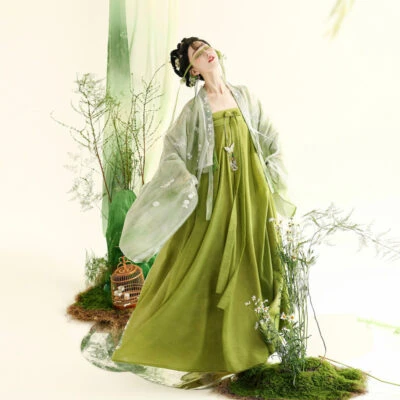
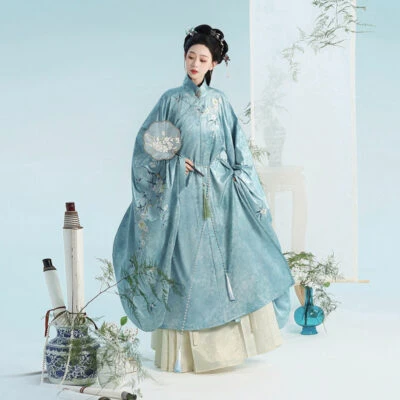
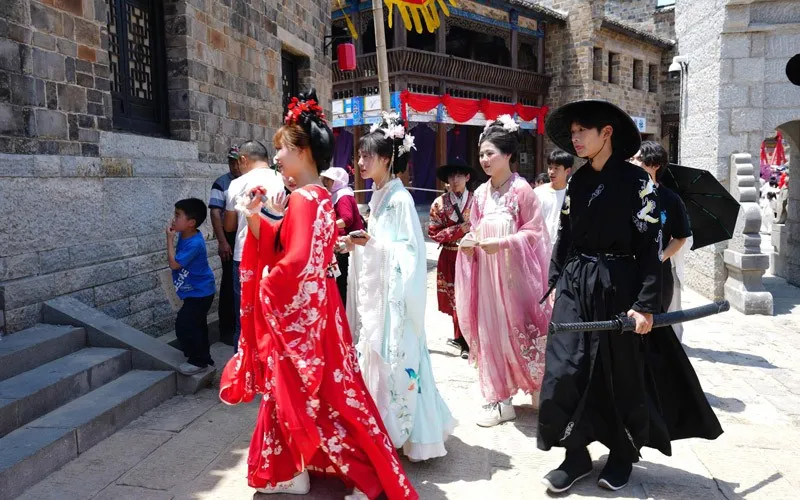
The dinner is one of the routes Jiashan organised around the 14th Xitang Hanfu Culture Week, which runs from 31 October to 8 November. Visitors wearing Hanfu get a buy-one-get-one seat at Heyan Yunlan inside that nine-day window, a promotion the county files under a food route it calls dining in Hanfu across past and present. A room booked on those terms is testing something beyond the kitchen: whether Chinese traditional dress has become an ordinary reason to go out for an evening rather than a reason to book a photo session.
The shape of that discount is worth reading closely, because it says something about the cost structure. A buy-one-get-one on a plated dinner is a statement about food cost, not about stage cost: a kitchen can absorb a second cover far more cheaply than a cast can absorb a second performance. Any venue that discounts seats rather than showings is selling spare plates against a fixed evening of labour, which is also why the scheme runs for nine days and not for a season.
Two conditions are worth checking before booking. The discount is tied to wearing Hanfu, not to holding a ticket for the culture week, and the offer runs only inside the nine-day window. The museum route in the same programme, a qipao exhibition titled A Step of Blossoms that opened on 29 September and runs to 10 January, is the one item on the list that does not require dress-up at all.
Booking Notes and a Caveat
Practical details are thin in English and incomplete in Chinese. The county release lists the five titles but not their running order, the length of the meal, the price of a seat outside the Hanfu promotion, or which nights the show runs. A 2026 booking review for the resort states that the dinner theatre opens on Saturdays and public holidays, which would put the weekly supply at one evening plus holiday dates, and that the hotel attached to it runs 4,000 square metres of meeting space and rooms themed on four regional opera forms.
That gap between a government announcement and a bookable product is the usual state of Chinese cultural tourism at this scale, and it matters more for a fixed-menu show than for an exhibition. A museum can absorb a walk-in; a plated dinner cannot. Anyone planning around the discount should confirm three things directly with the venue: whether the buy-one-get-one applies to the set menu or only to a base seat, whether full Hanfu is required or a single garment is enough, and whether the performance runs on the date in question.
The wider point is structural. Jiaxing has an unusual density of story for a prefecture of its size, and a dinner theatre is the cheapest way to convert that density into an evening product: no new building, no long rehearsal cycle, and a kitchen that already exists. The risk sits on the other side of the same coin. Changing a script takes a week; changing a menu takes a season, and a fixed pairing of dish to play locks the kitchen to the stage in a way that a normal restaurant never has to accept. Whether the Hanfu movement can keep supplying visitors who will pay for a scripted evening, on a Tuesday and not only during a festival, decides whether that lock is worth taking.